Missing Teeth? Find Your Smile Again.

Abscess Tooth Pain in New York Manhattan USA (2026 Complete Dental Pro Guide)
Language :
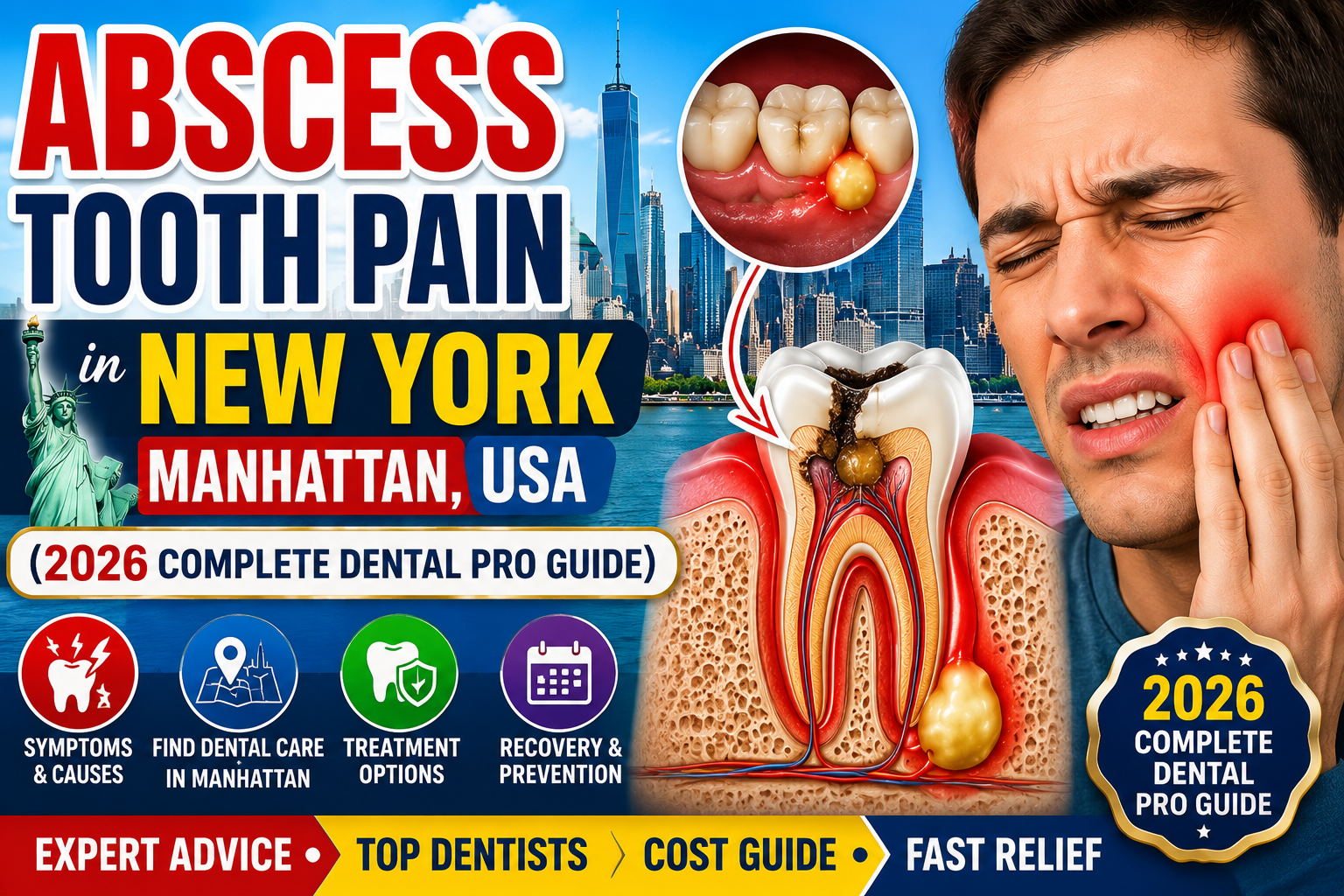
An abscess tooth is one of the most painful and dangerous dental problems patients can experience. In Manhattan New York USA, emergency dental clinics treat many patients suffering from severe tooth infections every day. What may begin as mild tooth sensitivity or gum irritation can rapidly progress into intense throbbing pain, facial swelling, fever, and serious infection.
A dental abscess is not simply a “bad toothache.” It is a bacterial infection that can spread into the gums, jawbone, sinus area, neck, and even the bloodstream if left untreated.
Modern Manhattan dental clinics now use advanced technology such as CBCT 3D imaging, laser dentistry, digital diagnostics, guided surgery, and same-day restorative systems to diagnose and treat abscess tooth pain quickly and accurately.
This complete expert guide explains abscess tooth pain symptoms, causes, emergency warning signs, root canal treatment, extraction options, dental implants, advanced dental equipment, healing stages, costs, and practical advice for protecting your oral health in Manhattan New York USA.
What Is an Abscess Tooth?
Definition of a Dental Abscess
A dental abscess is a pocket of infection caused by bacteria invading the tooth or surrounding gum tissues.
The infection may develop:
- Inside the tooth pulp
- Around the root tip
- In the gums
- Within surrounding bone
Abscesses are often extremely painful because pressure builds inside infected tissues.
Types of Dental Abscesses
Periapical Abscess
Infection at the Root Tip
This type develops when bacteria enter the tooth pulp through:
- Deep decay
- Cracks
- Trauma
The infection spreads toward the root tip inside the jawbone.
Periodontal Abscess
Infection in the Gum Tissue
This abscess forms inside the gums and periodontal pockets.
Common causes include:
- Advanced gum disease
- Food trapped beneath gums
- Poor oral hygiene
Gingival Abscess
Localized Gum Infection
This type affects the gum tissue only and may result from:
- Foreign objects
- Trauma
- Irritation
What Causes Abscess Tooth Pain?
Untreated Cavities
Deep Decay Allows Bacteria Inside
Cavities that reach the inner pulp allow bacteria to infect:
- Nerves
- Blood vessels
- Root canals
Cracked or Broken Teeth
Fractures Create Bacterial Entry Points
Cracks may expose the tooth interior to bacteria.
Even small fractures can eventually lead to abscess formation.
Failed Dental Work
Old Fillings or Crowns
Leaking restorations may allow bacteria to enter beneath the tooth surface.
Gum Disease
Periodontal Infection
Advanced gum disease weakens:
- Gum tissue
- Bone support
- Immune defense
This increases abscess risk significantly.
Dental Trauma
Accidents and Sports Injuries
Trauma may damage:
- Tooth pulp
- Blood supply
- Root structure
An abscess may develop later even after the injury seems minor initially.
Symptoms of Abscess Tooth Pain
Severe Throbbing Pain
Constant Pulsating Discomfort
Pain often becomes:
- Intense
- Sharp
- Pressure-like
- Persistent
Many patients struggle to sleep because of the pain.
Facial Swelling
Infection Spreading Into Tissues
Swelling may affect:
- Gums
- Jaw
- Cheeks
- Neck
Swelling should never be ignored.
Fever and Chills
Systemic Infection Warning
Fever often indicates the body is fighting bacterial infection.
Bad Taste or Pus Drainage
Infection Leakage
Patients may notice:
- Foul taste
- Pus discharge
- Bad breath
Sensitivity to Pressure
Pain While Chewing
Biting pressure often worsens pain because the infected tissues become inflamed.
Swollen Lymph Nodes
Neck and Jaw Tenderness
The body’s immune system responds by enlarging nearby lymph nodes.
Why Abscess Tooth Pain Is Dangerous
Infection Can Spread
Untreated infections may spread into:
- Jawbone
- Sinuses
- Facial tissues
- Neck spaces
- Bloodstream
Risk of Tooth Loss
Severe infection may destroy:
- Bone support
- Tooth structure
- Gum attachment
Medical Emergencies Can Develop
Severe untreated dental infections may interfere with:
- Breathing
- Swallowing
Immediate medical care may become necessary.
Signs You Need Emergency Dental Care Immediately
Difficulty Breathing or Swallowing
This is a serious emergency requiring urgent care.
Rapid Facial Swelling
Fast-growing swelling may indicate spreading infection.
Fever With Severe Pain
High fever combined with dental pain should never be ignored.
Pus Drainage
Pus strongly suggests active infection.
Severe Tooth Pain That Does Not Improve
Persistent throbbing pain usually requires professional treatment.
Dental Equipment Used in Manhattan New York USA
Digital Dental X-Rays
Fast Infection Detection
Digital imaging helps dentists identify:
- Root infections
- Bone loss
- Hidden decay
- Fractures
Benefits include:
- Lower radiation
- Faster results
- Improved diagnostic accuracy
CBCT 3D Imaging
Advanced Infection Evaluation
Cone Beam CT scans create detailed 3D views of:
- Tooth roots
- Bone infection
- Sinus involvement
- Implant positioning
This technology is commonly used in advanced Manhattan dental clinics.
Intraoral Cameras
High-Magnification Visualization
Intraoral cameras help dentists:
- Detect cracks
- Visualize infection
- Educate patients
Laser Dentistry
Modern Infection Management
Dental lasers may help:
- Reduce bacteria
- Improve gum treatment
- Minimize bleeding
- Improve comfort
Ultrasonic Surgical Equipment
Precise Bone and Infection Removal
Ultrasonic systems may reduce trauma during:
- Surgical extraction
- Bone cleaning
- Implant preparation
Abscess Tooth Treatment Options
Antibiotics
Controlling Infection Spread
Dentists may prescribe antibiotics to help reduce bacterial infection.
Common medications may include:
- Amoxicillin
- Clindamycin
- Metronidazole
However, antibiotics alone usually do not permanently solve the problem.
Root Canal Therapy
Saving the Natural Tooth
Root canal treatment removes:
- Infected pulp
- Bacteria
- Damaged tissue
The canals are then disinfected and sealed.
Tooth Extraction
Removing Severely Damaged Teeth
Extraction may become necessary when:
- The tooth cannot be restored
- Infection is extensive
- Root fractures exist
Dental Implants After Extraction
Replacing Missing Teeth
Dental implants are commonly recommended after extraction because they:
- Replace the missing root
- Preserve jawbone
- Restore chewing ability
Drainage Procedures
Reducing Pressure and Swelling
Large abscesses may require:
- Surgical drainage
- Deep cleaning
- Irrigation
Root Canal vs Extraction Comparison
| Feature | Root Canal | Extraction |
|---|---|---|
| Preserves natural tooth | Yes | No |
| Implant needed later | Less likely | Often |
| Bone preservation | Better | Reduced without implant |
| Recovery | Moderate | Often faster initially |
Dental Implant vs Bridge Comparison
| Feature | Dental Implant | Dental Bridge |
|---|---|---|
| Replaces tooth root | Yes | No |
| Bone preservation | Yes | Limited |
| Adjacent teeth altered | No | Yes |
| Stability | Very strong | Moderate |
Abscess Tooth Pain vs Normal Toothache
| Symptom | Regular Toothache | Abscess Tooth |
|---|---|---|
| Mild sensitivity | Common | Possible |
| Severe throbbing pain | Less common | Very common |
| Facial swelling | Rare | Common |
| Fever | Rare | Common |
| Pus | Rare | Common |
| Bad taste | Mild | Strong |
Emergency Dentistry for Abscess Teeth in Manhattan
Same-Day Emergency Appointments
Many Manhattan clinics offer:
- Emergency evaluations
- Same-day root canals
- Urgent extractions
- Pain management
Sedation Options
Patients with severe anxiety or pain may receive:
- Local anesthesia
- Nitrous oxide
- Oral sedation
- IV sedation
Dental Implants After Abscess Tooth Extraction
Why Bone Preservation Matters
After extraction, bone loss may begin quickly.
Implants help:
- Maintain bone stimulation
- Prevent facial collapse
- Restore bite function
Immediate Implant Placement
Some Manhattan implant specialists offer:
- Same-day extraction
- Immediate implant surgery
Eligibility depends on:
- Bone condition
- Infection severity
- Gum health
Healing After Abscess Tooth Treatment
First 24 Hours
Patients may experience:
- Mild bleeding
- Tenderness
- Swelling
Days 2–5
Healing usually improves gradually.
Pain should steadily decrease.
Weeks 1–2
Most soft tissue healing becomes noticeable.
Implant Healing Timeline
Months 3–6
The implant integrates with the jawbone through osseointegration.
Cost of Abscess Tooth Treatment in Manhattan
Emergency Dental Exam
Costs may include:
- Emergency consultation
- X-rays
- CBCT scans
Root Canal Costs
Pricing depends on:
- Tooth type
- Infection severity
- Specialist involvement
Extraction Costs
Surgical extraction costs may increase if:
- Infection is extensive
- Bone removal is necessary
Dental Implant Costs
Single implant treatment may include:
- Implant post
- Abutment
- Crown
Practical Home Advice for Abscess Tooth Pain
Rinse With Warm Saltwater
Gentle rinsing may help reduce bacteria temporarily.
Avoid Extremely Hot or Cold Foods
Temperature sensitivity often increases with infection.
Stay Hydrated
Hydration supports healing and comfort.
Do Not Apply Aspirin Directly to Gums
This may irritate tissues and worsen discomfort.
Seek Professional Care Quickly
Home remedies cannot permanently eliminate abscess infections.
Smoking and Dental Abscesses
Smoking Increases Infection Risk
Smoking contributes heavily to:
- Gum disease
- Tooth decay
- Delayed healing
Implant Failure Risk
Smokers have increased implant complications and bone loss.
Emotional Impact of Severe Dental Infection
Many patients experience:
- Anxiety
- Sleep disruption
- Fear of tooth loss
- Social embarrassment
Modern Manhattan dental clinics focus heavily on:
- Pain management
- Cosmetic restoration
- Patient comfort
Why Manhattan Patients Choose Advanced Dental Care
Modern Technology
Advanced Manhattan clinics commonly use:
- CBCT imaging
- Digital scanners
- Laser systems
- Guided implant surgery
- Same-day restorations
Cosmetic and Functional Restoration
Many clinics emphasize:
- Natural-looking smiles
- Long-term implant stability
- High-end cosmetic dentistry
Faster Emergency Treatment
Some practices offer:
- Same-day root canals
- Immediate implants
- Emergency surgical care
Frequently Asked Questions (FAQs)
What causes an abscess tooth?
Common causes include cavities, cracked teeth, gum disease, trauma, and failed dental restorations.
Is abscess tooth pain dangerous?
Yes. Untreated infections may spread into the jaw, neck, or bloodstream.
Can antibiotics alone cure an abscess tooth?
Usually no. The infected source typically requires root canal treatment or extraction.
When should I seek emergency dental care?
Severe pain, swelling, fever, pus, or difficulty swallowing require urgent evaluation.
Can implants replace abscessed teeth?
Yes. Dental implants are commonly used after extraction once infection is controlled.
Does a root canal hurt?
Modern anesthesia makes root canal treatment much more comfortable than many patients expect.
Can smoking worsen abscess infections?
Yes. Smoking increases infection severity and delays healing.
How quickly should abscess treatment happen?
Patients should seek treatment as soon as possible to prevent complications.
Expert Manhattan Dental Advice
Early Treatment Saves Teeth
One of the biggest mistakes patients make is delaying treatment after symptoms begin.
Early care may:
- Save natural teeth
- Reduce pain faster
- Prevent infection spread
Advanced Technology Improves Outcomes
Modern Manhattan dental clinics use:
- 3D imaging
- Digital diagnostics
- Laser dentistry
- Guided implant surgery
These technologies improve diagnosis and long-term success.
Discuss Long-Term Tooth Replacement
If extraction becomes necessary, discussing implants early may help preserve:
- Bone structure
- Facial appearance
- Chewing ability
Abscess tooth pain in Manhattan New York USA should never be ignored. While some patients initially believe the pain will disappear on its own, dental abscesses are serious bacterial infections that may rapidly worsen and spread into surrounding tissues if untreated.
Modern Manhattan dental clinics now offer highly advanced solutions including emergency root canals, surgical drainage, tooth extraction, dental implants, same-day restorations, and minimally invasive procedures designed to restore oral health quickly and effectively.
Using advanced technologies such as CBCT 3D imaging, digital diagnostics, intraoral cameras, laser dentistry, and guided implant systems, Manhattan dental professionals can diagnose infection accurately, reduce pain efficiently, and create long-term restorative solutions that preserve both appearance and function.
Patients can reduce complications and protect their oral health by:
- Seeking immediate treatment
- Maintaining oral hygiene
- Avoiding smoking
- Addressing cavities early
- Following recovery instructions carefully
If you experience severe tooth pain, swelling, fever, or signs of abscess infection in Manhattan New York USA, contacting an experienced dental professional immediately may help save your tooth, preserve bone, and protect your long-term health.
Can tooth extraction cause infection? Mild inflammation is normal, but increasing swelling, fever, or severe pain may indicate infection. Learn more about post-extraction infection warning signs in this detailed guide.
Book a consultation with our Cebu dental specialists for proper evaluation and care.
Ready to get expert guidance?
If you’re experiencing severe pain or delayed healing, book a consultation with our Cebu dental specialists to get proper evaluation and care.
Consultation or contact page .
Book a Consultation
For severe discomfort or delayed healing, book a consultation with our Cebu dental specialists today.
Looking for a dentist? Browse our Cebu dental directory to find trusted clinics near you.
Medical Review and Clinical Basis
This article is based on clinical dental guidelines and real patient recovery patterns observed after tooth extraction procedures. The information reflects common post-extraction healing stages, including normal clot formation, gum tissue repair, and signs of possible complications such as dry socket or infection.
While mild discomfort is expected after a dental extraction, worsening pain after Day 3, bad odor, exposed bone, or spreading pain may require professional evaluation. These symptoms are consistent with known post-extraction complications described in standard dental practice.
About Cebu Dental Implants
Cebu Dental Implants provides comprehensive tooth extraction, surgical procedures, and dental implant services in the Philippines. Our team evaluates post-extraction healing, manages complications such as dry socket, and advises patients on proper aftercare to prevent infection and delayed healing.
If you experience severe pain or unusual symptoms after extraction, early professional assessment is recommended to prevent further complications.
Important Medical Disclaimer
This content is for educational purposes only and does not replace professional dental diagnosis. Every patient heals differently. If symptoms worsen or do not improve within a few days, consult a licensed dentist for proper evaluation and treatment.
Author
This article was prepared by the Cebu Dental Implants content team in consultation with licensed dental professionals experienced in tooth extraction and implant procedures.
Related Clinical Cases
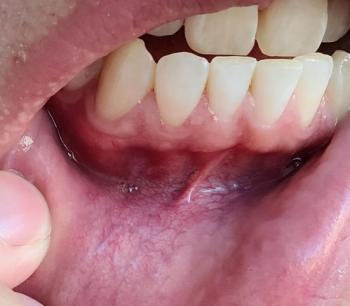
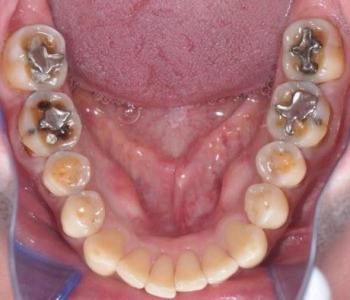
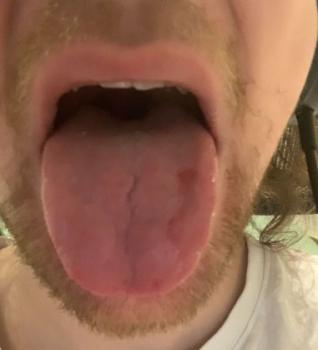
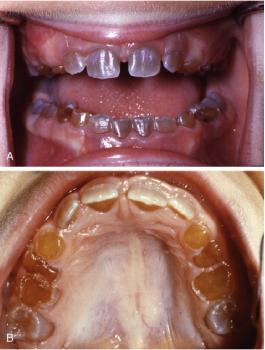
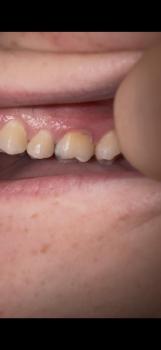
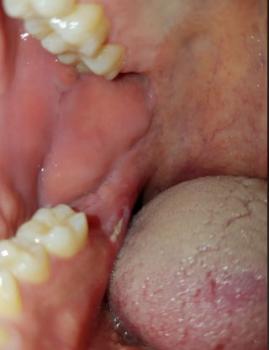
Patients with lower front gum inflammation may also experience tartar buildup, periodontal disease, gum abscesses, or tooth decay. Explore these related clinical case studies.

Other topics:
Other Dental Clinic