Where Bright Smiles Begin.

Painful Tooth Misalignment With a Fractured Lower Tooth: Causes, Symptoms, Treatment, and When to Seek Emergency Dental Care
Image:
Severity:
Teeth Problems:
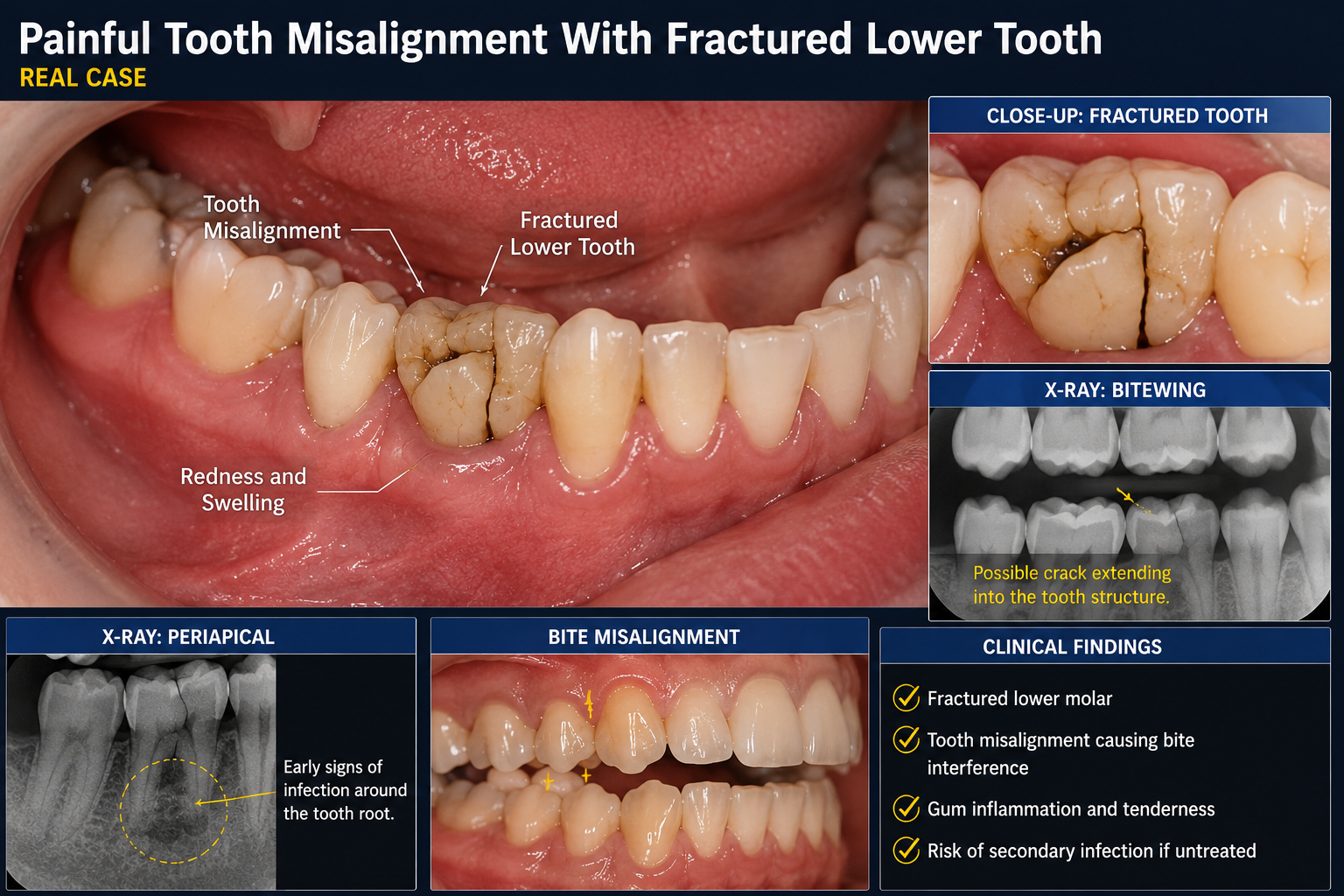
A fractured lower tooth combined with tooth misalignment can cause severe pain, difficulty biting, and ongoing damage to surrounding teeth and gums. In this real clinical case, the broken lower molar created bite interference, inflammation, and increased sensitivity during chewing. Without prompt treatment, the fracture may worsen, leading to infection, abscess formation, or tooth loss.
Early diagnosis with a dental examination and X-rays helps determine whether the tooth can be restored with a filling, crown, or root canal treatment, or if extraction is necessary. If you experience persistent pain, swelling, difficulty biting, or a cracked lower tooth, schedule a dental evaluation as soon as possible to prevent more serious complications.
Painful Tooth Misalignment With a Fractured Lower Tooth: A 30-Day Clinical Case Analysis by an Expert Dentist
Patient Presentation
A patient visited our clinic complaining of persistent pain on the lower right side of the mouth that had gradually worsened over several weeks. The patient reported discomfort while chewing, sensitivity to cold beverages, and the feeling that the teeth no longer fit together normally when biting.
Clinical examination revealed a fractured lower molar with significant loss of tooth structure. The damaged tooth had shifted slightly from its normal position, creating an uneven bite (occlusal interference). The surrounding gum tissue appeared mildly inflamed and was tender on palpation.
Radiographic examination showed a deep fracture extending into the dentin. Fortunately, no vertical root fracture was identified during the initial evaluation, although the tooth remained at risk for pulpal injury.
Expert Clinical Analysis
As dentists, we frequently see patients who delay treatment because the pain initially comes and goes. Unfortunately, even a small crack can become a major problem once normal chewing forces are repeatedly applied.
In this case, the fractured lower molar no longer distributed biting forces evenly. Instead, excessive pressure was concentrated on weakened tooth walls, causing further separation of the fracture during every meal.
This also affected the patient's bite. Because the damaged tooth contacted the opposing teeth prematurely, the jaw muscles were forced to compensate during chewing. Many patients describe this sensation as:
-
"My bite feels uneven."
-
"Only one side touches."
-
"It hurts every time I chew."
-
"My jaw feels tired."
These symptoms are classic signs of bite interference caused by structural tooth damage.
Day 1–3: Initial Symptoms
During the first few days after the fracture became painful, the patient experienced:
-
Sharp pain while chewing
-
Sensitivity to cold drinks
-
Mild gum tenderness
-
Pain when releasing pressure after biting
At this stage, the dental pulp may still be healthy, making conservative treatment possible.
Day 4–7: Progressive Structural Damage
Without treatment, chewing continued to widen the fracture.
Food debris and oral bacteria entered microscopic cracks inside the tooth, producing inflammation within the dental pulp.
Typical symptoms included:
-
Increasing sensitivity
-
Occasional spontaneous pain
-
Difficulty chewing hard foods
-
Localized swelling of the gum
The fractured tooth also began carrying an abnormal bite load, worsening the patient's discomfort.
Day 8–14: Pulpal Inflammation
By the second week, the inflammation became more significant.
The patient reported:
-
Lingering pain after hot or cold foods
-
Pain that woke them at night
-
Difficulty chewing on the affected side
-
Increased tenderness around the fractured tooth
At this point, the pulp may be developing irreversible inflammation, meaning root canal treatment could become necessary.
Day 15–21: Early Infection
As bacteria reached the pulp chamber, infection began developing.
Clinical findings may include:
-
Gum swelling
-
Persistent throbbing pain
-
Sensitivity when biting
-
Early bone inflammation around the tooth root
Radiographs may begin showing widening of the periodontal ligament space or subtle radiolucency near the root apex.
Without treatment, infection continues to spread.
Day 22–30: Advanced Complications
After approximately one month, untreated fractured teeth frequently present with more serious complications.
Possible findings include:
-
Dental abscess
-
Facial swelling
-
Pus drainage
-
Severe pain
-
Bad taste in the mouth
-
Difficulty chewing
-
Progressive bone loss around the tooth
If the fracture extends below the gum line or into the root, saving the tooth becomes significantly more difficult.
In some patients, extraction may be the only predictable treatment option.
Recommended Treatment
Treatment depends on the depth and location of the fracture.
Possible options include:
-
Composite filling for small fractures
-
Dental crown to restore strength
-
Root canal treatment if the pulp is infected
-
Crown placement following root canal therapy
-
Extraction when the fracture is non-restorable
-
Dental implant or dental bridge to replace a lost tooth
Early intervention almost always offers the greatest chance of preserving the natural tooth.
Expert Opinion
A fractured lower tooth should never be ignored, especially when accompanied by bite changes or persistent pain. Tooth misalignment following a fracture places abnormal forces on both the damaged tooth and neighboring teeth, accelerating structural failure. What begins as a minor crack can quickly progress to pulp infection, abscess formation, or tooth loss if treatment is delayed.
From a clinical perspective, patients who seek treatment within the first few days generally have more conservative and predictable treatment options. Once infection develops, procedures become more complex, treatment time increases, and the overall cost of care may be higher.
If you notice pain while chewing, an uneven bite, swelling, or a cracked lower tooth, arrange a dental examination promptly. Early diagnosis with clinical evaluation and dental X-rays allows the dentist to determine whether the tooth can be restored before irreversible damage occurs.
Frequently Asked Questions (FAQ)
1. Can a fractured lower tooth cause tooth misalignment?
Yes. A fractured lower tooth can alter the way your upper and lower teeth meet when you bite. If part of the tooth breaks away or shifts, it may create premature contact with opposing teeth, leading to bite imbalance, jaw discomfort, and uneven chewing. Over time, abnormal biting forces may affect neighboring teeth and increase the risk of additional fractures.
2. Why does my fractured tooth hurt more when I bite down?
Pain during biting often indicates that the crack is flexing under pressure. Each time you chew, the fractured sections of the tooth move slightly, irritating the sensitive dentin or the dental pulp inside the tooth. If left untreated, this repeated movement can worsen the fracture and increase the likelihood of infection.
3. Can a cracked lower molar heal on its own?
No. Unlike skin or bone, a fractured tooth cannot repair itself. Once the enamel or dentin is cracked, professional dental treatment is needed to stabilize the tooth. Delaying care often allows the fracture to spread deeper into the tooth, reducing the chances of saving it.
4. How do dentists determine whether a fractured tooth can be saved?
We perform a comprehensive examination that includes clinical testing, bite analysis, and dental X-rays. In some cases, additional imaging such as cone beam CT (CBCT) may be recommended. The location, depth, and direction of the fracture determine whether the tooth can be restored with a filling, crown, or root canal treatment, or whether extraction is the most predictable option.
5. What are the warning signs that a fractured tooth has become infected?
Signs of infection include persistent throbbing pain, swelling of the gums or face, pus drainage, bad taste in the mouth, sensitivity to biting, fever, or swollen lymph nodes. These symptoms indicate that bacteria may have reached the pulp or surrounding bone and require prompt dental evaluation.
6. Can tooth misalignment cause jaw pain?
Yes. When a fractured tooth changes your bite, the jaw muscles and temporomandibular joints (TMJs) often compensate for the imbalance. Patients may notice jaw fatigue, headaches, muscle soreness, clicking sounds, or difficulty chewing. Correcting the damaged tooth usually restores a more balanced bite and reduces these symptoms.
7. What happens if I ignore a fractured lower tooth for several weeks?
Delaying treatment can allow the crack to extend deeper into the tooth. Over several weeks, bacteria may enter the pulp, causing irreversible inflammation or infection. The tooth may eventually develop an abscess, surrounding bone loss, or become structurally unsalvageable, making extraction necessary instead of a more conservative restoration.
8. Will I always need a root canal for a fractured tooth?
Not necessarily. If the fracture has not reached the pulp and the nerve remains healthy, a filling or dental crown may be sufficient. Root canal treatment is generally recommended only when the pulp has become irreversibly inflamed or infected.
9. When is a fractured lower tooth considered a dental emergency?
Seek immediate dental care if you experience severe or worsening pain, significant facial swelling, uncontrolled bleeding, pus discharge, difficulty opening your mouth, difficulty swallowing, fever, or trauma that leaves a large portion of the tooth broken. Early treatment helps prevent serious complications and improves the likelihood of preserving the tooth.
10. What is the best way to prevent fractured teeth and bite problems?
The best prevention includes regular dental examinations, treating cavities before they weaken the tooth, wearing a custom night guard if you grind your teeth, using a sports mouthguard during contact sports, and avoiding chewing ice, hard candies, popcorn kernels, or other hard objects. Early management of small cracks can prevent extensive damage and preserve your natural teeth for many years.
Related Clinical Cases
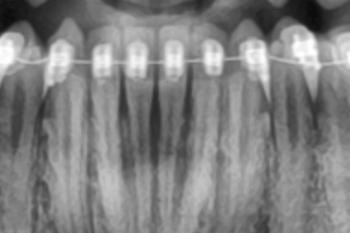
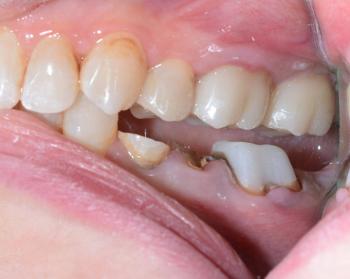
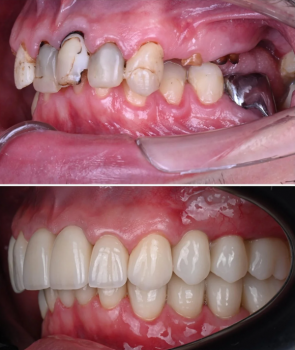
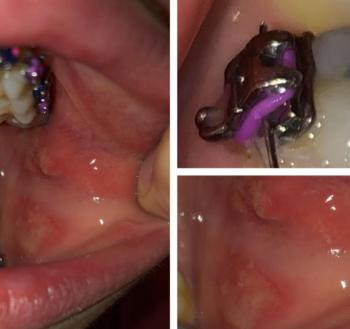
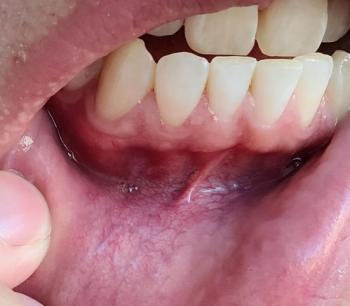
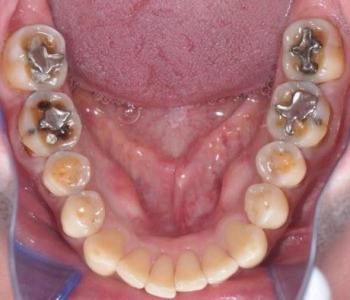
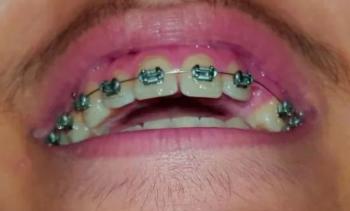
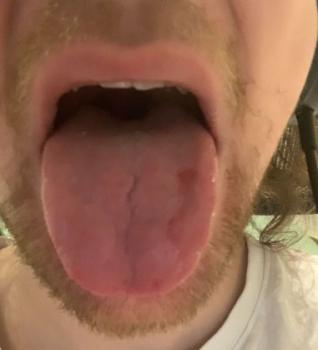
Patients with lower front gum inflammation may also experience tartar buildup, periodontal disease, gum abscesses, or tooth decay. Explore these related clinical case studies.
Other topics:
Other Dental Clinic