Dentures That Feel Natural, Look Beautiful.

Is Your New York Grind Grinding Your Teeth to Dust? The Link Between Stress, Lifestyle, and Oral Health
Language :
The Unseen Cost of Your Grind: How Modern Anxiety is Wrecking Your Teeth
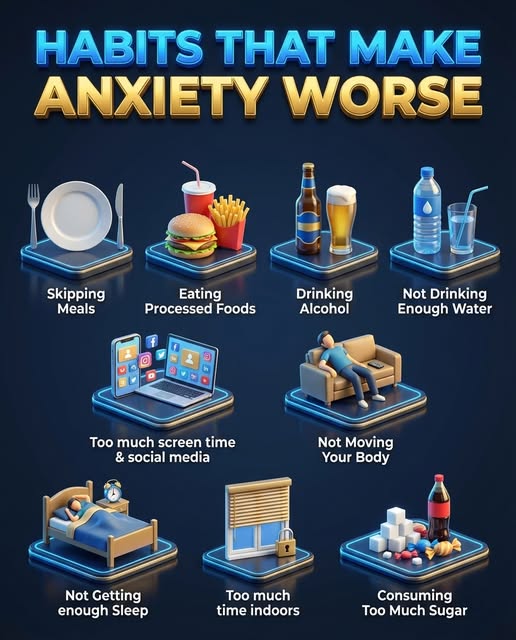
In the heart of New York's relentless pace, your success is often measured by your hustle. But that hustle comes with a hidden cost—one that manifests not just in your mind, but in your mouth. You’ve felt it: the constant low-grade stress, the endless hours indoors under artificial light, the skipped meals replaced by coffee and sugary snacks.
While you might be aware that these habits fuel your anxiety, you may not know they are actively damaging your teeth.
The Mind-Mouth Connection: How Anxiety Manifests Orally
Your brain and your mouth are intimately connected. When your lifestyle fuels anxiety, your oral health is often the first to show the signs.
1. The Bruxism Grind:
Chronic stress is a primary driver of bruxism—the clenching and grinding of teeth, often unconsciously during the day or while you sleep. This habit can:
-
Wear down tooth enamel, making teeth sensitive and prone to decay.
-
Cause micro-cracks in teeth, leading to pain and expensive restorative work.
-
Result in jaw pain, headaches, and even damaged dental work like crowns and fillings.
2. The Dry Mouth Dilemma:
Stress triggers a "fight or flight" response, reducing saliva production. Combine this with caffeine consumption and indoor, dehydrated environments, and you have a perfect storm for xerostomia (dry mouth). Saliva is your mouth’s natural defense system. Without it, you’re at a significantly higher risk for:
-
Cavities
-
Gum disease
-
Bad breath
3. The Inflammatory Response:
Poor lifestyle choices—like a diet high in sugar and processed foods—create systemic inflammation. This inflammation doesn't just affect your heart or joints; it weakens your body's ability to fight off the bacteria that cause periodontal (gum) disease.
Your Daily Habits: An Oral Health Audit
Let's connect the dots between your daily routine and your dental health:
| Your Habit | The Anxiety Link | The Dental Consequence |
|---|---|---|
| Excessive Screen Time | Mental overstimulation, poor posture leading to jaw tension. | Increased likelihood of daytime clenching (bruxism). |
| Skipping Meals | Blood sugar crashes that mimic or worsen anxiety symptoms. | Leads to snacking on simple carbs/sugar, which feed cavity-causing bacteria. |
| High Caffeine Intake | Can cause jitters, insomnia, and increased heart rate. | Contributes to dry mouth and teeth staining. |
| Poor Sleep | Reduces your emotional resilience and stress tolerance. | Worsens nocturnal teeth grinding. |
| Using Alcohol to Unwind | A depressant that disrupts sleep architecture and can increase anxiety. | Dries out the mouth and is often high in sugar. |
The Prescription for a Healthier Smile (and Mind)
Tackling this cycle requires addressing both the mental and physical habits. Here’s your action plan:
1. Hydrate Strategically: Ditch the sugary drinks and excessive coffee. Make water your primary beverage. This fights dry mouth and helps rinse away food particles.
2. Meal-Prep for Your Mouth: Choose teeth-friendly snacks like crunchy vegetables (which clean surfaces), cheese (which can help neutralize acid), and nuts. Avoid sticky, sugary foods that linger on teeth.
3. Invest in a Night Guard: If you wake up with jaw pain or headaches, you are likely grinding at night. A custom-fitted night guard from your dentist is a crucial investment to protect your teeth from irreversible damage.
4. Create Tech-Free Wind-Down Time: The blue light and mental engagement from screens keep your brain—and your jaw—wired. Establish a 30-60 minute screen-free buffer before bed to lower stress levels.
5. Don't Cancel Your Dental Check-up: When you're stressed and busy, preventive care is often the first thing to go. This is a critical mistake. Your dentist can spot the early signs of bruxism and gum disease long before you feel pain, saving you from more complex and costly treatments down the line.
Your smile is one of your greatest assets, both personally and professionally. In a city that demands your all, protecting it isn’t a luxury—it’s a essential part of sustaining your success.
Looking for dentist : Visit directory list
Related Clinical Cases
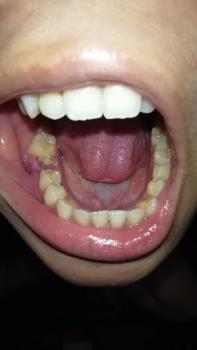
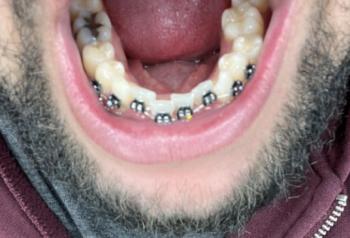
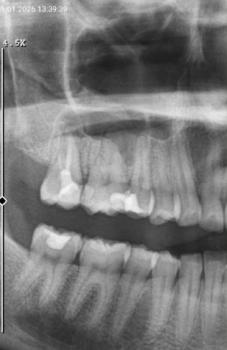
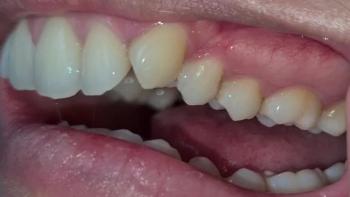
Patients with lower front gum inflammation may also experience tartar buildup, periodontal disease, gum abscesses, or tooth decay. Explore these related clinical case studies.
Other topics:
Other Dental Clinic