Where Bright Smiles Begin.

Related Pediatric Dental Health Topics Every Parent Should Know
Language :
Topics:
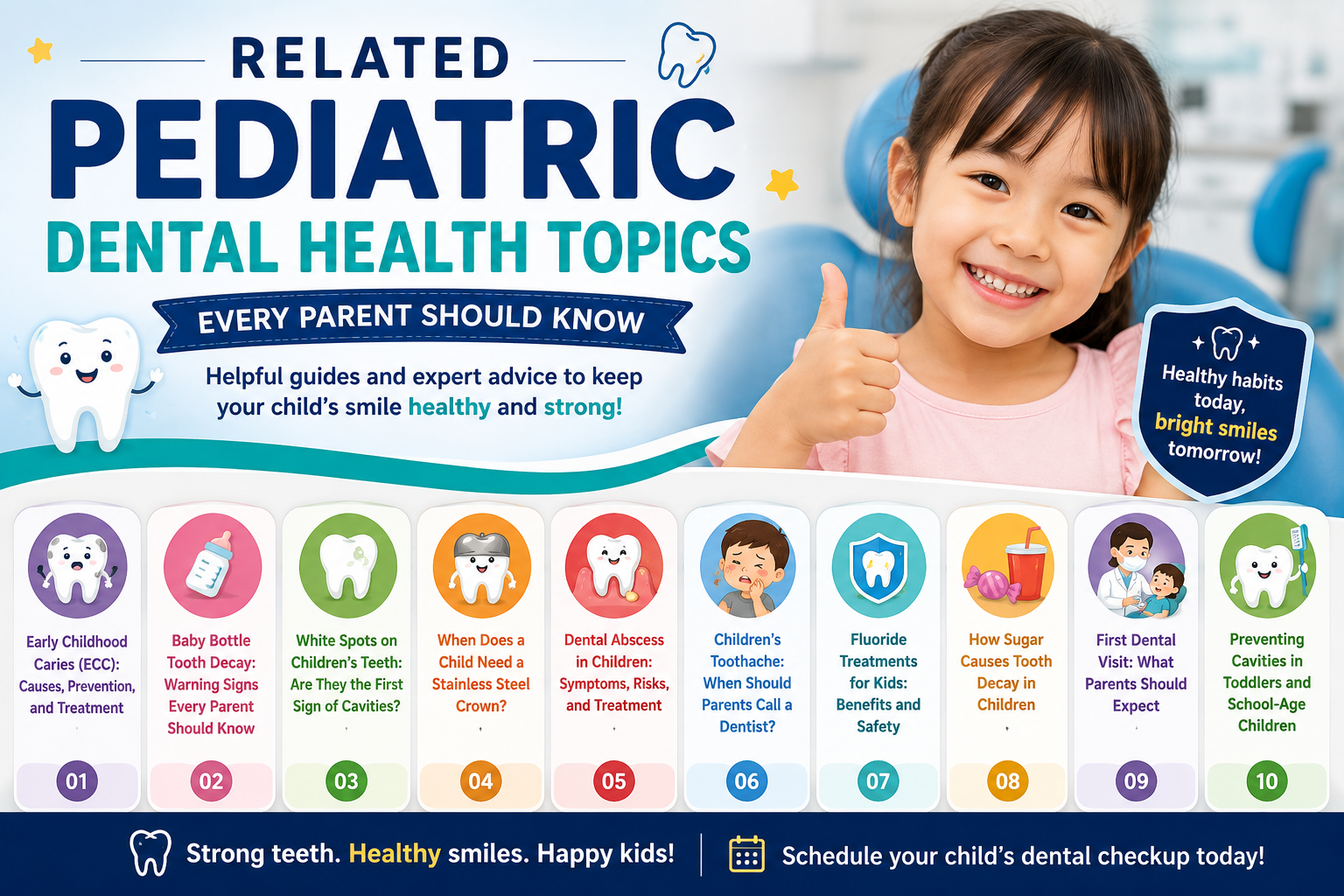
Early Childhood Caries (ECC): Causes, Prevention, and Treatment
Early Childhood Caries (ECC) is a severe form of tooth decay that affects babies and preschool-aged children. Frequent exposure to sugary drinks, poor oral hygiene, and prolonged bottle feeding can quickly damage young teeth. Early dental visits, fluoride protection, and healthy eating habits can prevent ECC and help children maintain healthy smiles.
Baby Bottle Tooth Decay: Warning Signs Every Parent Should Know
Baby bottle tooth decay develops when children frequently fall asleep with bottles containing milk, juice, or sweetened beverages. Early signs include white spots near the gumline, followed by brown discoloration and cavities. Preventing bedtime bottles and cleaning your child's teeth daily greatly reduces the risk.
White Spots on Children's Teeth: Are They the First Sign of Cavities?
White chalky spots are often the earliest visible sign that tooth enamel is beginning to weaken. At this stage, the damage may still be reversible with fluoride treatments, improved brushing, and dietary changes. Early detection can prevent cavities from developing.
When Does a Child Need a Stainless Steel Crown?
A stainless steel crown is recommended when a baby tooth has extensive decay or has undergone pulp treatment. These durable crowns protect weakened teeth, restore chewing function, and preserve the tooth until it naturally falls out, reducing the risk of future complications.
Dental Abscess in Children: Symptoms, Risks, and Treatment
A dental abscess is a serious bacterial infection that forms around a tooth or gum. Symptoms include severe tooth pain, facial swelling, pus drainage, fever, and difficulty chewing. Prompt dental treatment is essential to eliminate the infection and prevent it from spreading.
Children's Toothache: When Should Parents Call a Dentist?
A persistent toothache should never be ignored. Pain lasting more than a day, swelling, sensitivity to hot or cold, or difficulty eating may indicate a cavity, infection, or dental injury. Early evaluation allows treatment before the problem becomes more serious.
Fluoride Treatments for Kids: Benefits and Safety
Professional fluoride treatments strengthen developing enamel and help prevent cavities by making teeth more resistant to acid attacks. When used according to dental recommendations, fluoride is safe and highly effective in protecting children's oral health.
How Sugar Causes Tooth Decay in Children
Sugar feeds harmful bacteria that produce acids capable of dissolving tooth enamel. Frequent snacking on candy, cookies, soda, and sweetened drinks increases cavity risk throughout the day. Limiting sugary foods and encouraging water between meals helps protect children's teeth.
First Dental Visit: What Parents Should Expect
A child's first dental visit should occur by their first birthday or within six months after the first tooth appears. The dentist will examine tooth development, evaluate oral health, discuss brushing techniques, and provide parents with personalized advice to prevent cavities from an early age.
Preventing Cavities in Toddlers and School-Age Children
Good oral health starts with daily brushing using fluoride toothpaste, flossing when teeth touch, eating a balanced diet, limiting sugary snacks, and visiting the dentist every six months. Healthy habits established during childhood significantly reduce the risk of cavities throughout life.
Frequently Asked Questions (FAQ): Related Pediatric Dental Health Topics Every Parent Should Know
1. Why is children's dental health important?
Healthy baby teeth help children eat, speak, smile confidently, and guide permanent teeth into the correct position. Good oral health during childhood also reduces the risk of pain, infection, and future dental problems.
2. At what age should my child first visit the dentist?
The first dental visit should occur by your child's first birthday or within six months after the first tooth erupts. Early checkups allow dentists to detect problems before they become serious.
3. How often should children have dental checkups?
Most children should see a dentist every six months. Children with a higher risk of cavities may need more frequent visits based on their individual oral health needs.
4. What are the earliest signs of cavities in children?
Parents should watch for:
- White chalky spots
- Brown or black discoloration
- Small holes in teeth
- Tooth sensitivity
- Bad breath
- Pain when chewing
Early treatment is usually simpler and less invasive.
5. What causes cavities in young children?
Common causes include:
- Frequent sugary snacks
- Juice and soft drinks
- Poor brushing habits
- Sleeping with a milk bottle
- Lack of fluoride
- Poor oral hygiene
The combination of bacteria and sugar produces acids that damage tooth enamel.
6. What is Early Childhood Caries (ECC)?
Early Childhood Caries is a severe form of tooth decay affecting babies and preschool children. It often develops from prolonged exposure to sugary drinks, nighttime bottle feeding, and inadequate oral hygiene.
7. Can baby teeth become infected?
Yes. Untreated cavities may progress to the tooth pulp, causing severe pain, swelling, dental abscesses, and even facial infections. Prompt dental treatment helps prevent serious complications.
8. What is baby bottle tooth decay?
Baby bottle tooth decay occurs when children frequently sleep with bottles containing milk, formula, juice, or sweetened drinks. The sugars remain on the teeth for long periods, increasing the risk of cavities.
9. Are white spots on teeth always cavities?
Not always. White spots can indicate early enamel demineralization, fluorosis, or developmental enamel defects. A dental examination is needed to determine the exact cause and recommend appropriate treatment.
10. What is a stainless steel crown for children?
A stainless steel crown is a durable protective cap placed over a baby tooth with extensive decay or after pulp treatment. It restores function and protects the tooth until it naturally falls out.
11. What are the symptoms of a dental abscess in children?
Common symptoms include:
- Severe toothache
- Facial swelling
- Gum swelling
- Fever
- Bad taste from pus drainage
- Difficulty chewing
A dental abscess requires immediate professional care.
12. When is a child's toothache considered an emergency?
Seek immediate dental care if your child experiences:
- Severe, persistent pain
- Facial swelling
- Fever
- Difficulty swallowing
- Difficulty breathing
- Trauma causing a broken or knocked-out tooth
These symptoms may indicate a serious infection or injury.
13. Are fluoride treatments safe for children?
Yes. Professional fluoride treatments are safe when applied by dental professionals. Fluoride strengthens enamel and helps prevent cavities by making teeth more resistant to acid attacks.
14. How does sugar cause tooth decay?
Oral bacteria feed on sugars and produce acids that gradually dissolve tooth enamel. Frequent sugary snacks and drinks increase the number of acid attacks throughout the day, raising the risk of cavities.
15. What foods help keep children's teeth healthy?
Healthy choices include:
- Cheese
- Milk
- Plain yogurt
- Fresh fruits
- Vegetables
- Eggs
- Fish
- Whole grains
- Water
These foods support strong teeth and healthy gums while limiting cavity risk.
16. How can parents prevent cavities?
Simple preventive habits include:
- Brushing twice daily with fluoride toothpaste
- Flossing daily once teeth touch
- Limiting sugary snacks
- Drinking water after meals
- Visiting the dentist regularly
- Applying dental sealants when recommended
17. What should parents do if a child breaks a tooth?
Remain calm and contact a dentist as soon as possible. If possible, save any broken tooth fragments, rinse the mouth gently with water, and apply a cold compress to reduce swelling. Prompt treatment improves the chances of preserving the tooth.
18. Can thumb sucking affect dental health?
Yes. Prolonged thumb sucking may change jaw growth and tooth alignment, increasing the likelihood of bite problems that could require orthodontic treatment later.
19. Why are regular dental X-rays sometimes necessary?
Dental X-rays help dentists detect hidden cavities, monitor tooth development, evaluate bone health, and identify problems that cannot be seen during a visual examination. Modern digital X-rays use very low radiation doses.
20. What are the best lifelong habits for healthy smiles?
Parents can help children maintain healthy teeth by:
- Starting dental care early
- Encouraging twice-daily brushing
- Flossing regularly
- Eating a balanced diet
- Limiting sugary drinks
- Keeping routine dental appointments
- Teaching good oral hygiene by example
Building these habits early promotes healthy smiles throughout childhood and adulthood.
Can tooth extraction cause infection? Mild inflammation is normal, but increasing swelling, fever, or severe pain may indicate infection. Learn more about post-extraction infection warning signs in this detailed guide.
Book a consultation with our Cebu dental specialists for proper evaluation and care.
Ready to get expert guidance?
If you’re experiencing severe pain or delayed healing, book a consultation with our Cebu dental specialists to get proper evaluation and care.
Consultation or contact page .
Book a Consultation
For severe discomfort or delayed healing, book a consultation with our Cebu dental specialists today.
Looking for a dentist? Browse our Cebu dental directory to find trusted clinics near you.
Medical Review and Clinical Basis
This article is based on clinical dental guidelines and real patient recovery patterns observed after tooth extraction procedures. The information reflects common post-extraction healing stages, including normal clot formation, gum tissue repair, and signs of possible complications such as dry socket or infection.
While mild discomfort is expected after a dental extraction, worsening pain after Day 3, bad odor, exposed bone, or spreading pain may require professional evaluation. These symptoms are consistent with known post-extraction complications described in standard dental practice.
About Cebu Dental Implants
Cebu Dental Implants provides comprehensive tooth extraction, surgical procedures, and dental implant services in the Philippines. Our team evaluates post-extraction healing, manages complications such as dry socket, and advises patients on proper aftercare to prevent infection and delayed healing.
If you experience severe pain or unusual symptoms after extraction, early professional assessment is recommended to prevent further complications.
Important Medical Disclaimer
This content is for educational purposes only and does not replace professional dental diagnosis. Every patient heals differently. If symptoms worsen or do not improve within a few days, consult a licensed dentist for proper evaluation and treatment.
Author
This article was prepared by the Cebu Dental Implants content team in consultation with licensed dental professionals experienced in tooth extraction and implant procedures.
Related Clinical Cases
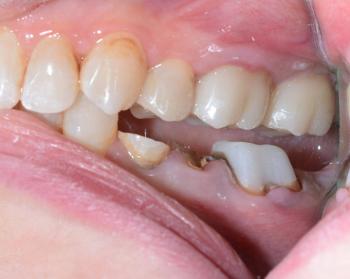
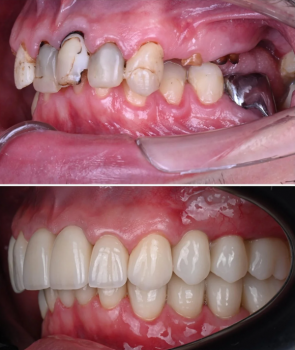
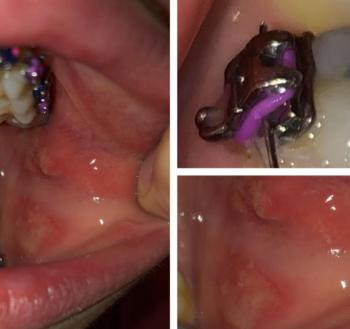
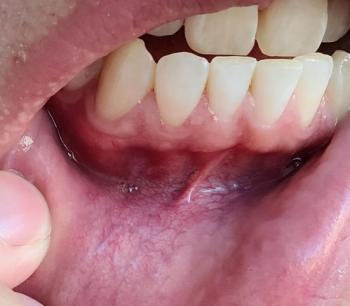
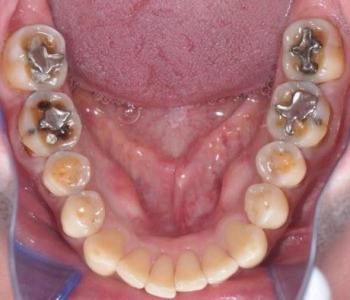
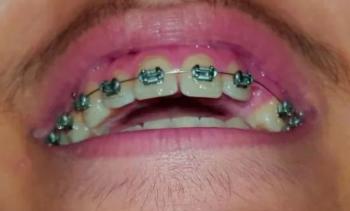
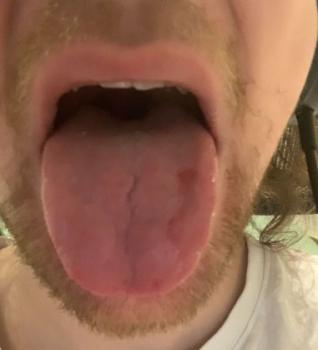
Patients with lower front gum inflammation may also experience tartar buildup, periodontal disease, gum abscesses, or tooth decay. Explore these related clinical case studies.
Other topics:
Other Dental Clinic
 |
 |
 |
 |