Dentures That Feel Natural, Look Beautiful.

Dental Bone Loss and Implants: Causes, Treatment & Bone Grafting
Bone Loss and Dental Implants
Jawbone loss is common after tooth loss, gum disease, or long periods without a tooth. Because dental implants need adequate bone support, patients with bone loss may require additional treatment before or during implant placement.
Can You Get Dental Implants With Bone Loss?
Yes. Having bone loss does not automatically mean you cannot get dental implants. Your dentist will evaluate the amount and location of available bone. Depending on your situation, you may need bone grafting or another implant technique to create adequate support.
Can Jawbone Loss Be Reversed?
In some cases, lost jawbone can be rebuilt or regenerated with procedures such as bone grafting and guided bone regeneration. Treatment depends on the cause and severity of the bone loss.
Do You Need a Bone Graft Before Dental Implants?
Not everyone with bone loss needs a bone graft. A dentist may recommend grafting when there is not enough bone to securely support an implant. Your dentist can determine this using a dental examination and imaging, such as a 3D CBCT scan.
How Much Bone Is Needed for Dental Implants?
The amount of bone required depends on the implant's size, position, and the anatomy of your jaw. There is no single measurement that applies to every patient. Your dentist will evaluate the bone's height, width, and quality before recommending treatment.
How Quickly Does Bone Loss Occur After Tooth Extraction?
Jawbone resorption can begin soon after a tooth is removed. Bone changes are often most noticeable during the first several months, although the process can continue over time. This is one reason dentists may recommend socket preservation or timely tooth replacement in appropriate cases.
Can Gum Disease Cause Jawbone Loss?
Yes. Advanced gum disease can damage the tissues and bone that support your teeth. Without treatment, periodontal disease can contribute to loose teeth, tooth loss, and progressive jawbone loss.
What Causes Bone Loss Around Dental Implants?
Bone loss around an implant can have several causes. These may include peri-implant disease, inadequate oral hygiene, excessive biting forces, smoking, implant-related complications, or other factors. Regular dental checkups can help identify problems early.
What Happens If Jawbone Loss Is Left Untreated?
Progressive jawbone loss can reduce support for the teeth and make future dental implant treatment more difficult. Severe bone loss may also contribute to changes in facial appearance, difficulty wearing dentures, and additional tooth loss.
How Can Jawbone Be Rebuilt?
Depending on the patient's needs, dentists may use bone grafting materials from different sources, including the patient's own bone, donor bone, animal-derived materials, or synthetic materials. Some procedures may also use membranes or other regenerative techniques to encourage bone formation.
How Much Does a Dental Bone Graft Cost?
The cost varies depending on the amount of bone needed, the type of graft, the treatment area, and the complexity of the procedure. A dentist can provide a more accurate estimate after an examination and diagnostic imaging.
What Should You Do If You Have Bone Loss?
If you have missing teeth, loose teeth, gum disease, or have been told that you have jawbone loss, a dental implant consultation can help determine your options. A dentist can assess your bone condition and explain whether bone grafting or another treatment is appropriate before implant placement.
Related Clinical Cases
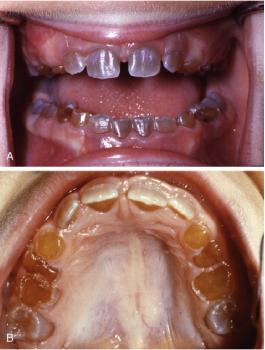
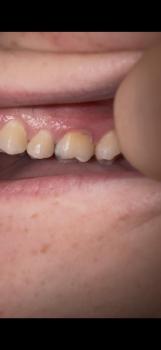
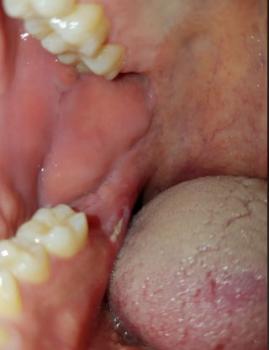
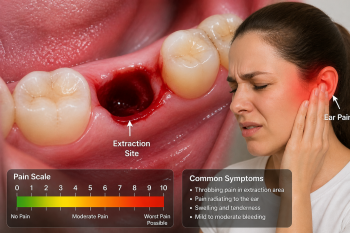
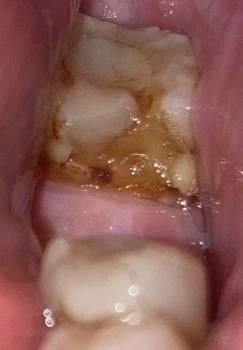
Patients with lower front gum inflammation may also experience tartar buildup, periodontal disease, gum abscesses, or tooth decay. Explore these related clinical case studies.



Other topics:
Other Dental Clinic