Your Smile, Our Passion.

Affordable Dental Implants: Europe vs Philippines – Cost, Quality & Travel Guide
Where can you find affordable dental implants? Europe and the Philippines are popular destinations for patients exploring dental tourism. Countries such as Hungary, Poland, and Turkey offer dental implant services, while the Philippines provides implant treatment in cities such as Manila and Cebu.
Both regions may offer lower advertised prices than Western Europe, the United Kingdom, and the United States. However, the right choice depends on the complete treatment cost, travel requirements, implant materials, dentist qualifications, and long-term follow-up care.
This guide compares estimated dental implant prices in Europe and the Philippines to help patients understand their options before making a treatment decision.
Important: Prices are illustrative estimates based on the supplied information, not verified live clinic quotations. Actual costs vary by clinic, implant brand, exchange rates, and treatment complexity.
1. Dental Implant Cost Comparison
A complete single-tooth implant generally consists of three main components:
-
Implant fixture: The artificial tooth root.
-
Abutment: The connector between the implant and crown.
-
Dental crown: The visible replacement tooth.
The following table compares estimated prices for a complete single dental implant.
| Treatment location | Estimated cost per tooth |
|---|---|
| Ireland / UK / Western Europe | €1,800–€3,500+ |
| Hungary / Poland / Turkey | €700–€1,500 |
| Philippines | $600–$1,200 USD |
| Philippines, approximate euro equivalent | €550–€1,100 |
These estimates assume the package includes the fixture, abutment, and crown. Some clinics advertise only the implant placement fee, so patients should confirm exactly what is included.
Are dental implants cheaper in the Philippines or Europe?
The Philippines may offer competitive treatment prices, while Hungary, Poland, and Turkey also have clinics offering affordable dental implants.
However, the lowest advertised implant price is not necessarily the lowest total treatment cost. Travel, accommodation, additional procedures, and follow-up appointments can change the final amount.
A proper comparison should include the complete treatment journey rather than only the implant fixture price.
2. Europe vs Philippines: Travel and Location
Dental implants in Europe
Eastern European dental tourism destinations include Hungary, Poland, and Turkey.
For patients living in Western Europe, travel may be relatively convenient. Shorter flights can make it easier to attend consultations, surgery, and follow-up appointments.
Potential advantages:
-
Convenient travel for European residents.
-
Easier return visits for some patients.
-
Less time-zone difference within Europe.
-
Possibility of combining dental treatment with a short trip.
Considerations:
-
Flight prices vary by season.
-
Travel may still require multiple appointments.
-
Turkey is geographically close to Europe but is not part of the European Union.
-
Treatment standards and clinic quality vary between providers.
Dental implants in the Philippines
The Philippines is a dental tourism destination in Southeast Asia, with dental clinics in major urban areas including Manila and Cebu.
Potential advantages:
-
English-language communication is widely available.
-
Patients may find competitive treatment package prices.
-
Major cities offer a range of dental clinics and specialists.
-
Treatment can potentially be combined with a longer holiday.
Considerations:
-
Long-haul travel for patients coming from Europe or North America.
-
Higher airfare and accommodation costs for some travelers.
-
Jet lag and time away from work.
-
Follow-up visits may be difficult if the patient lives far from the Philippines.
Travel cost matters
For example, a €900 implant package may not remain the cheaper option after adding flights, accommodation, meals, local transportation, and additional dental visits.
Always calculate the complete estimated treatment cost before booking.
3. Dental Implant Treatment Timeline
Dental implants are not always a one-visit treatment. Many patients require several appointments separated by a healing period.
Typical treatment stages
Phase 1: Consultation and planning
The dentist examines your teeth, gums, and jawbone. Diagnostic imaging may be required to plan the implant placement.
Phase 2: Implant surgery
The implant fixture is placed into the jawbone. Tooth extraction or bone grafting may be performed when clinically necessary.
Phase 3: Healing and osseointegration
The implant integrates with the surrounding bone. This often takes approximately 3–6 months, although healing times vary by patient and procedure.
Phase 4: Final restoration
After appropriate healing, the abutment and final crown, bridge, or denture may be fitted.
Europe vs Philippines for multiple visits
Patients living in Europe may find it easier to return for follow-up appointments because of shorter travel distances.
Patients traveling to the Philippines from overseas may prefer to plan a longer stay or coordinate treatment with a local dentist at home.
Important: Do not book a flight based on a fixed treatment timeline without confirming the schedule with your implant dentist. Healing and restoration dates may change depending on clinical progress.
4. Implant Quality, Materials, and Dental Standards
Affordable dental implants do not automatically mean poor quality. Reputable clinics in both Europe and the Philippines may use internationally recognized implant systems.
Common implant brands
Examples of established implant manufacturers include:
-
Straumann
-
Nobel Biocare
-
Zimmer Biomet
-
Osstem
The availability of a particular brand depends on the clinic and country.
What patients should verify
Before treatment, ask the clinic:
-
What implant brand and model will be used?
-
Is the implant system genuine and traceable?
-
What is the warranty policy?
-
Are the abutment and crown included?
-
Who will manufacture the final crown?
-
What qualifications and implant experience does the dentist have?
-
What happens if the implant fails?
-
Can my dentist at home access the treatment records?
Dental accreditation and qualifications
Some clinics employ dentists with international training or membership in professional organizations such as the International Congress of Oral Implantologists (ICOI).
Membership or accreditation alone does not guarantee a specific treatment outcome. Patients should also verify the dentist's qualifications, registration, clinical experience, and the clinic's infection-control procedures.
Communication and informed consent
English is widely used in the Philippines, including in many dental clinics. In Europe, English-language services are also available at many international dental tourism clinics, but this varies by provider.
Patients should be able to understand:
-
The diagnosis.
-
The proposed treatment.
-
Alternative options.
-
Surgical risks.
-
The expected timeline.
-
The complete price.
-
Follow-up and emergency arrangements.
Do not proceed with complex surgery if you cannot understand the treatment plan and consent information.
5. Long-Term Maintenance After Dental Tourism
Dental implant treatment does not end when the crown is fitted. Long-term maintenance is important for protecting the implant, gums, and surrounding teeth.
Routine care
Patients should follow their dentist's recommendations for:
-
Brushing and cleaning around implants.
-
Interdental cleaning.
-
Professional dental examinations.
-
Implant maintenance visits.
-
Monitoring gum health.
-
Replacing worn or damaged prosthetic components when needed.
What happens if an implant problem develops?
Possible complications may include inflammation around the implant, crown damage, loose components, or implant failure.
Patients who travel abroad should ask whether a local dentist at home is willing to provide routine examinations and manage emergencies.
A local dentist may be able to assist with some maintenance, but complex repairs may require the original implant system, specialized components, or referral to an implant specialist.
Keep your dental records
Request copies of:
-
Implant brand and model.
-
Implant sizes and placement details.
-
Diagnostic images.
-
Surgical notes.
-
Crown and abutment specifications.
-
Warranty documents.
-
Treatment invoices.
These records can be valuable if you need follow-up care in another country.
6. Additional Costs That Can Affect the Final Price
The advertised implant package may not include all necessary procedures.
Common additional treatments
| Procedure | Why it may be needed |
|---|---|
| Tooth extraction | Removal of a damaged or non-restorable tooth |
| Bone grafting | Improve bone volume when necessary |
| Sinus lift | May be needed for some upper back-jaw implants |
| CBCT scan | Three-dimensional treatment planning |
| Temporary teeth | Restore appearance and function during healing |
| Sedation | May be offered when clinically appropriate |
| Follow-up visits | Monitor healing and restoration |
| Travel and accommodation | Costs associated with dental tourism |
Ask the clinic for a written quotation covering the complete treatment plan.
7. How to Compare Dental Implant Clinics
Whether you are considering Europe or the Philippines, use the same checklist when comparing providers.
Clinic comparison checklist
Price
Does the quotation include the fixture, abutment, crown, and all required appointments?
Dentist
What are the dentist's qualifications, experience, and registration details?
Implant system
Is the brand clearly identified, and can the clinic provide implant documentation?
Treatment plan
How many visits are required, and how long is the expected healing period?
Safety
Does the clinic have appropriate infection-control procedures and emergency arrangements?
Warranty
What does the written warranty cover, and what conditions apply?
Aftercare
Who will manage complications if you return home after treatment?
Communication
Can the clinic explain the diagnosis, risks, alternatives, and costs in a language you understand?
8. Choosing Europe or the Philippines
The choice between Europe and the Philippines depends on your location, treatment needs, budget, and ability to attend follow-up appointments.
Europe may be convenient for patients who:
-
Live in Western Europe.
-
Prefer shorter travel distances.
-
Need multiple return visits.
-
Want to coordinate treatment with a dentist closer to home.
The Philippines may be suitable for patients who:
-
Are already living in or visiting the Philippines.
-
Want to explore competitive implant treatment packages.
-
Prefer English-language communication.
-
Can arrange an appropriate treatment schedule and follow-up care.
These are practical considerations, not guarantees of lower prices, better treatment, or better outcomes.
Frequently Asked Questions
Are dental implants cheaper in the Philippines than Europe?
The Philippines may offer competitive prices, but costs vary by clinic, implant brand, and treatment complexity. Some European dental tourism clinics may offer similar or lower advertised prices.
What is the average cost of a single dental implant in the Philippines?
The supplied estimate is $600–$1,200 USD, approximately €550–€1,100. Confirm whether the price includes the fixture, abutment, and crown.
Which European countries are popular for affordable dental implants?
Hungary, Poland, and Turkey are examples of countries with dental tourism clinics offering implant services.
How long does a dental implant take?
Many implant cases involve several appointments and a healing period of approximately 3–6 months. Complex cases may take longer.
Can I have dental implants abroad and follow up with my dentist at home?
Some local dentists may provide routine maintenance, but you should confirm this before treatment. Complex implant problems may require specialized care.
Should I choose the cheapest dental implant clinic?
Compare the complete treatment cost, dentist qualifications, implant materials, safety procedures, and long-term aftercare. A low advertised price alone does not establish suitability.
Final Dental Expert Advice
Dental implants in Europe and the Philippines can offer patients opportunities to explore different treatment costs and travel arrangements.
A single implant may cost approximately €700–€1,500 in some European dental tourism clinics and around €550–€1,100 in the Philippines, based on the supplied estimates. These figures are not universal prices.
Before choosing a clinic, obtain an itemized quotation, verify the implant system, review the dentist's qualifications, and confirm how follow-up care will be managed.
The best dental implant decision is one based on your clinical needs, complete treatment costs, and long-term oral health—not just the lowest advertised price.
This article is for general educational purposes and does not replace a personal examination or advice from a qualified dental professional.
Related Clinical Cases
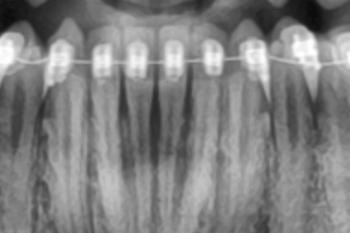
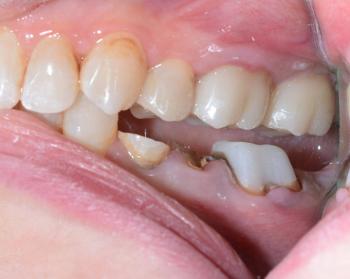
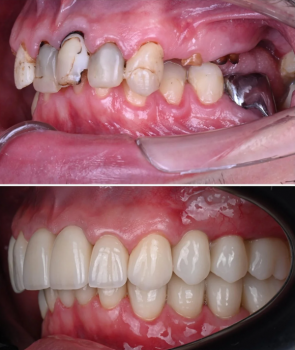
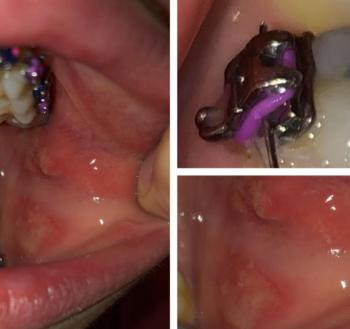
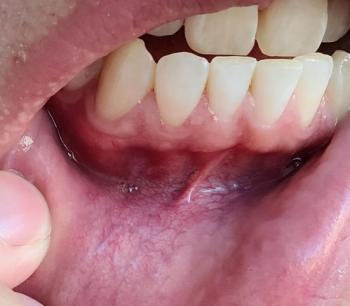
Patients with lower front gum inflammation may also experience tartar buildup, periodontal disease, gum abscesses, or tooth decay. Explore these related clinical case studies.


Other topics:
Other Dental Clinic
 |
|
 |
 |