Healthy Teeth, Happy Life.

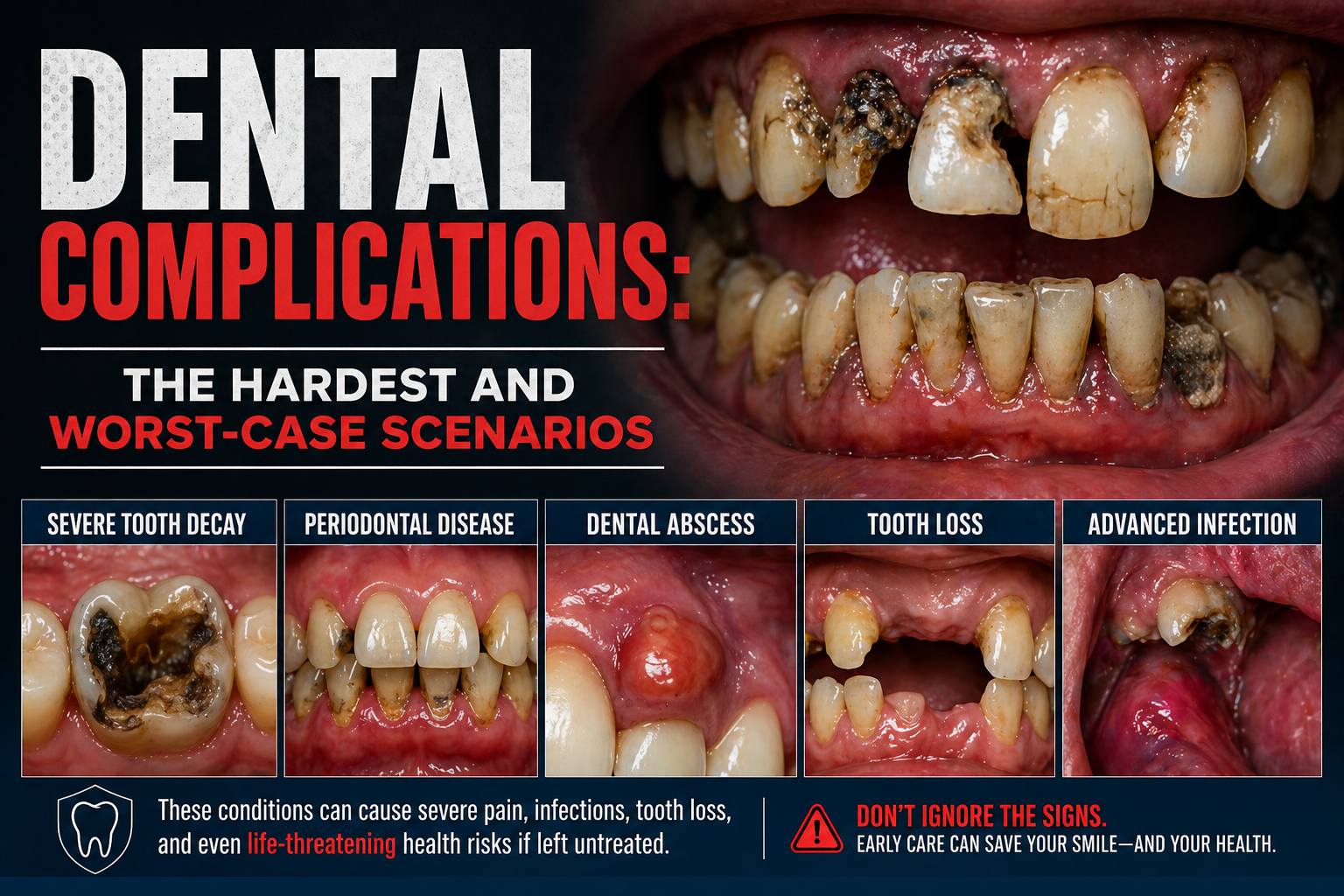
Dental Complications: The Hardest and Worst-Case Scenarios
Language :
Topics:
A Clinical Guide from a Georgia Dental Bone Graft Expert
When most patients think about dental procedures—extractions, implants, or bone grafting—they expect some discomfort, swelling, and a few days of recovery.
And in most cases, that’s exactly what happens.
But as a dental bone graft specialist in Georgia, I’ve also seen the other side—the difficult cases, the complications that escalate, and the situations patients wish they had understood earlier.
Let’s be clear:
Serious dental complications are uncommon—but when they happen, they require fast action and proper management.
This guide is not meant to alarm you. It’s meant to prepare you.
Understanding “Worst-Case” Dental Complications
Complications fall into three categories:
1. Mild (Common)
- Swelling
- Minor pain
- Temporary sensitivity
2. Moderate
- Dry socket
- Minor infection
- Delayed healing
3. Severe (Rare but Serious)
- Deep infection
- Nerve damage
- Implant failure
- Bone loss
This article focuses on the third category—the situations that require urgent attention.
1. Severe Infection (Abscess or Spreading Infection)
What Happens
Bacteria invade deeper tissues and spread beyond the extraction site.
Symptoms
- Severe swelling
- Fever
- Difficulty swallowing
- Pus discharge
- Facial asymmetry
Why It Happens
- Poor hygiene
- Untreated infection
- Delayed treatment
Expert Insight
This is one of the most dangerous complications.
Left untreated, infection can spread to the neck or bloodstream.
2. Osteomyelitis (Bone Infection)
What Happens
Infection reaches the jawbone.
Symptoms
- Persistent pain
- Swelling that doesn’t improve
- Bone exposure
- Fatigue
Risk Factors
- Diabetes
- Smoking
- Poor immune function
Treatment
- Antibiotics
- Surgical cleaning
- Possible bone grafting
3. Nerve Damage
What Happens
Nearby nerves are affected during extraction or implant placement.
Symptoms
- Numbness in lips, chin, or tongue
- Tingling sensation
- Altered taste
Types
- Temporary (most common)
- Permanent (rare)
Expert Insight
Proper imaging and planning reduce this risk significantly.
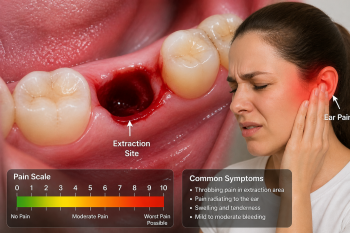
4. Severe Dry Socket
Dry socket is usually manageable—but severe cases can escalate.
Symptoms
- Intense, radiating pain
- Exposed bone
- Bad taste or smell
Complication Risk
If untreated:
- Infection may develop
- Healing is delayed
5. Implant Failure (Early and Late)
Early Failure
- Occurs before integration
- Implant never stabilizes
Late Failure
- Occurs months or years later
- Bone loss or infection develops
Causes
- Poor bone quality
- Infection
- Overloading
Expert Insight
Most failures are preventable with proper planning.
6. Bone Loss and Graft Failure
What Happens
Bone graft does not integrate properly.
Causes
- Infection
- Poor blood supply
- Movement at the site
Result
- Need for repeat graft
- Delay in implant placement
7. Sinus Complications
Common in upper jaw procedures.
What Happens
- Sinus membrane is affected
- Sinus infection develops
Symptoms
- Sinus pressure
- Nasal congestion
- Fluid leakage
8. Excessive Bleeding (Hemorrhage)
What Happens
Bleeding continues beyond normal timeframe.
Causes
- Blood disorders
- Medications
- Trauma during surgery
Warning Signs
- Continuous bleeding
- Large blood clots
Real Case from My Georgia Practice
Patient: Marcus, 62 years old
Initial Situation
- Dental implant placed without proper bone support
Complication
- Implant failure
- Infection developed
- Bone loss progressed
Treatment
- Implant removal
- Bone grafting
- 6-month healing period
- New implant placement
Outcome
- Successful recovery
- Stable implant
Expert Insight
The complication wasn’t random—it was due to poor initial planning.
Why Severe Complications Happen
1. Poor Diagnosis
Skipping proper imaging or evaluation.
2. Inexperienced Providers
Technique matters in surgery.
3. Ignoring Post-Op Instructions
Patient behavior plays a major role.
4. Delayed Treatment
Waiting too long to address symptoms.
Early Warning Signs You Should Never Ignore
Contact your dentist immediately if you notice:
- Severe or worsening pain
- Swelling after Day 3
- Fever
- Pus or discharge
- Numbness
- Difficulty swallowing
How to Prevent Worst-Case Complications
1. Choose the Right Specialist
Look for:
- Experience in implants and bone grafting
- Proven case history
2. Get Proper Imaging
3D scans (CBCT) are essential.
3. Follow Instructions Strictly
Post-op care is critical.
4. Maintain Oral Hygiene
Clean environment = better healing.
5. Avoid Smoking
Smoking increases risk dramatically.
6. Attend Follow-Up Visits
Early detection prevents escalation.
What to Do If a Complication Occurs
Step 1: Do Not Ignore Symptoms
Step 2: Contact Your Dentist Immediately
Step 3: Follow Treatment Plan Strictly
Step 4: Avoid Self-Treatment
Recovery After Complications
Recovery depends on severity:
- Mild complications: days to weeks
- Moderate: weeks
- Severe: months
Psychological Impact of Complications
Patients often experience:
- Anxiety
- Fear of future treatment
- Financial stress
Expert Advice
Clear communication and proper planning reduce both physical and emotional stress.
FAQ: Dental Complications
1. How common are severe complications?
Rare—but possible.
2. What is the most dangerous complication?
Severe infection or spreading infection.
3. Can complications be prevented?
Most can be minimized with proper care.
4. What should I do if I suspect a problem?
Contact your dentist immediately.
5. Are implants safe overall?
Yes—with high success rates when properly planned.
6. Can failed treatments be corrected?
Yes, in most cases.
Related Topics
1. Dental Implant Failure Causes
Understand why implants fail and how to prevent it.
2. Sinus Lift Cost Before Dental Implants
Learn about preparation procedures.
3. Tooth Extraction Healing Stages
Understand normal recovery timelines.
Final Thoughts from a Georgia Bone Graft Expert
Severe dental complications are not the norm—but they are real.
The difference between a smooth recovery and a difficult one often comes down to:
- Planning
- Skill
- Patient compliance
The most important takeaway:
Problems rarely appear suddenly—they develop over time.
If you stay informed, follow instructions, and act early when something feels wrong, you can avoid even the worst-case scenarios.
Dental procedures are safe—but only when approached with the right knowledge and care.
Can tooth extraction cause infection? Mild inflammation is normal, but increasing swelling, fever, or severe pain may indicate infection. Learn more about post-extraction infection warning signs in this detailed guide.
Book a consultation with our Cebu dental specialists for proper evaluation and care.
Ready to get expert guidance?
If you’re experiencing severe pain or delayed healing, book a consultation with our Cebu dental specialists to get proper evaluation and care.
Consultation or contact page .
Book a Consultation
For severe discomfort or delayed healing, book a consultation with our Cebu dental specialists today.
Looking for a dentist? Browse our Cebu dental directory to find trusted clinics near you.
Medical Review and Clinical Basis
This article is based on clinical dental guidelines and real patient recovery patterns observed after tooth extraction procedures. The information reflects common post-extraction healing stages, including normal clot formation, gum tissue repair, and signs of possible complications such as dry socket or infection.
While mild discomfort is expected after a dental extraction, worsening pain after Day 3, bad odor, exposed bone, or spreading pain may require professional evaluation. These symptoms are consistent with known post-extraction complications described in standard dental practice.
About Cebu Dental Implants
Cebu Dental Implants provides comprehensive tooth extraction, surgical procedures, and dental implant services in the Philippines. Our team evaluates post-extraction healing, manages complications such as dry socket, and advises patients on proper aftercare to prevent infection and delayed healing.
If you experience severe pain or unusual symptoms after extraction, early professional assessment is recommended to prevent further complications.
Important Medical Disclaimer
This content is for educational purposes only and does not replace professional dental diagnosis. Every patient heals differently. If symptoms worsen or do not improve within a few days, consult a licensed dentist for proper evaluation and treatment.
Author
This article was prepared by the Cebu Dental Implants content team in consultation with licensed dental professionals experienced in tooth extraction and implant procedures.
Related Clinical Cases
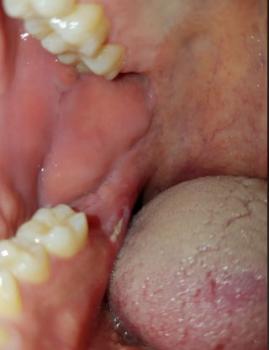
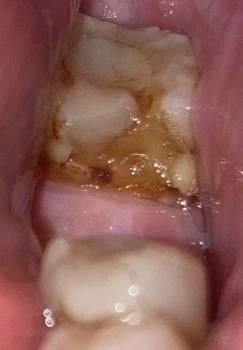
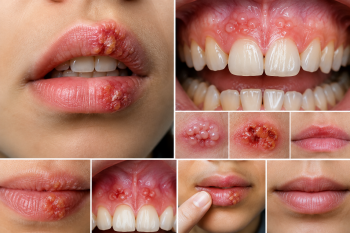
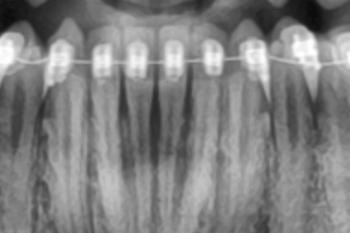
Patients with lower front gum inflammation may also experience tartar buildup, periodontal disease, gum abscesses, or tooth decay. Explore these related clinical case studies.



Other topics:
Other Dental Clinic