Healthy Teeth, Happy Life.

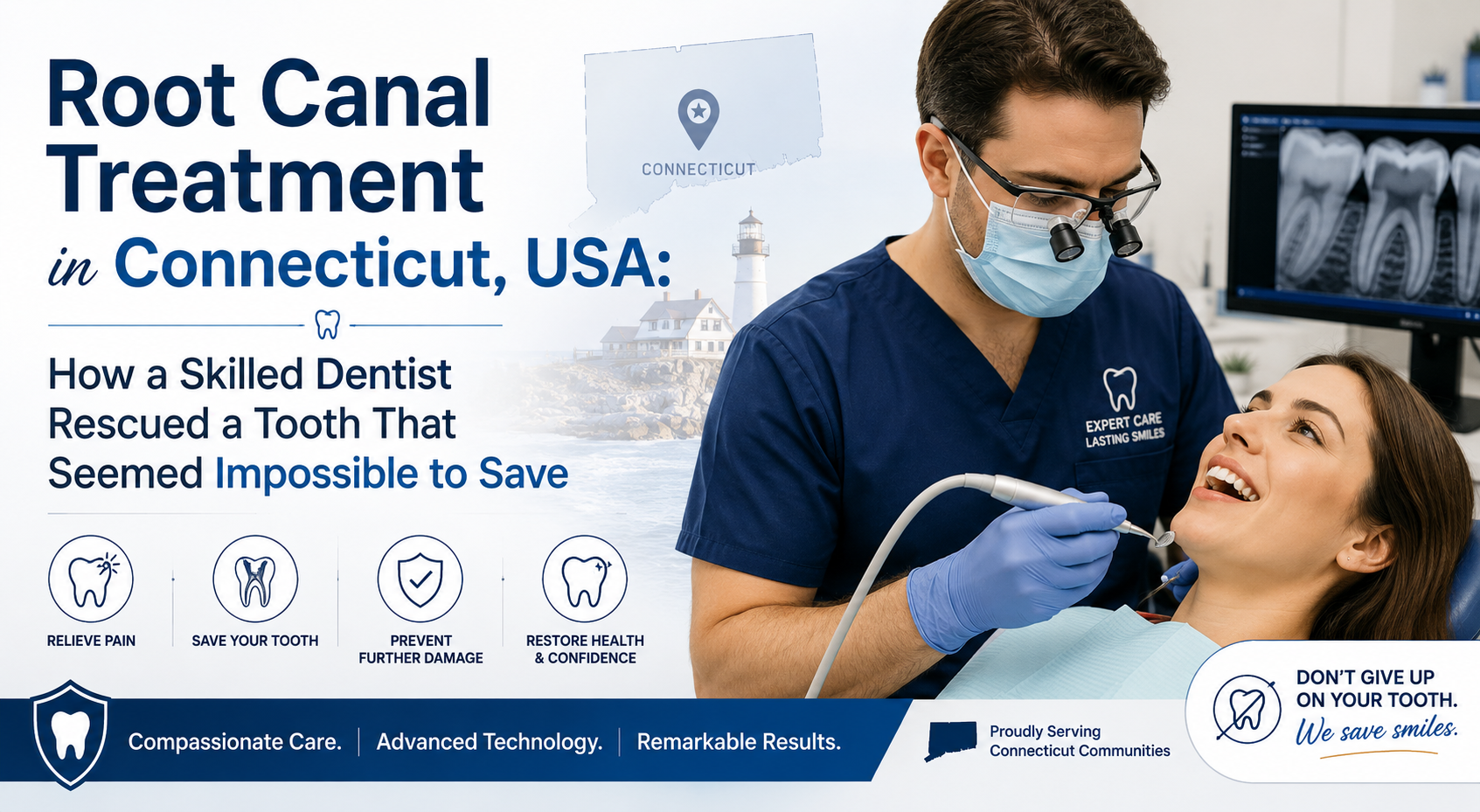
Root Canal Treatment in Connecticut, USA: How a Skilled Dentist Rescued a Tooth That Seemed Impossible to Save
Language :
When Everything Looked Lost
It was a cold winter morning in Connecticut when Michael, a 47-year-old construction supervisor, walked into a dental office with a look of exhaustion and pain. For nearly two weeks, he had been unable to sleep properly. The throbbing pain coming from his lower molar had become unbearable.
"I think the tooth is gone," he told the dentist.
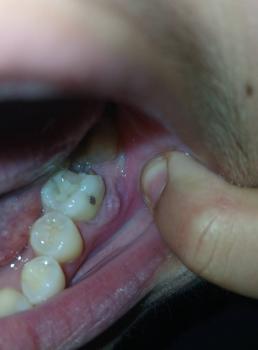
Michael had already visited an emergency clinic where extraction was suggested as the quickest solution. The infection had spread deep into the tooth. The surrounding gum tissue was swollen. A small abscess had developed near the root. The tooth had extensive decay that reached close to the nerve chamber.
To many people, including Michael, the situation appeared hopeless.
But what happened next became a remarkable example of how modern root canal treatment and skilled dental care can save teeth that once would have been extracted without hesitation.
As dental professionals across the United States often emphasize, saving a natural tooth whenever possible is usually the best long-term solution for oral health.
This is the story of how one Connecticut dentist rescued a severely damaged tooth and helped a patient avoid extraction, restoring both function and confidence.
Understanding Root Canal Treatment
Before diving into Michael's case, it is important to understand what a root canal treatment actually is.
Inside every tooth lies a soft tissue called the dental pulp. This pulp contains nerves, blood vessels, and connective tissue that help the tooth develop during its early years.
When bacteria penetrate deep inside the tooth through decay, cracks, or trauma, the pulp can become infected.
Without treatment, several serious complications may occur:
- Severe tooth pain is fear of not working productivity
- Dental abscess formation
- Bone loss around the tooth root feel downcast emotionally
- Swelling of the face and jaw feel rejection in social organization your looks changed suddenly
- Spread of infection to surrounding tissues makes the worse situation physically and financially
- Eventual tooth loss make worse when you smile in any community you visit
Root canal treatment removes the infected pulp, disinfects the internal canals, and seals the tooth to prevent future infection. This must not be taken for granted any lost their life
Contrary to popular myths, modern root canal procedures are designed to relieve pain—not cause it.
The Beginning of a Dental Emergency
Michael's dental problems started several years earlier.
Like many busy Americans, he postponed routine dental visits. Work deadlines, family responsibilities, and daily life always seemed to come first.
A small cavity developed in one of his lower molars.
At first, there were no symptoms.
Months turned into years.
The decay gradually expanded through the enamel and dentin layers of the tooth.
Eventually, bacteria reached the pulp chamber.
The infection silently spread.
The first warning sign was sensitivity to cold drinks.
Then came discomfort while chewing.
Soon after, intense spontaneous pain developed.
The pain became so severe that over-the-counter medications barely provided relief.
By the time Michael sought professional treatment, the infection had already reached an advanced stage.
The Initial Examination
The Connecticut dental team performed a comprehensive evaluation.
Digital X-rays revealed alarming findings.
The images showed:
- Extensive decay cause of delay delay this the price not visiting the dentist
- Infection extending into the root canals feel rejected
- Significant inflammation surrounding the root tip
- Formation of a periapical abscess
- Early bone destruction near the infected root drain your financial assets into medical drainage.
From a patient's perspective, the tooth appeared beyond saving.
However, experienced endodontic specialists often view these cases differently.
Modern dentistry has advanced tremendously during the past two decades.
Teeth that once required extraction can frequently be preserved through advanced root canal procedures.
The dentist carefully reviewed the findings.
Although challenging, the tooth still possessed enough structural integrity to support restoration.
The recommendation was clear:
Attempt to save the tooth.
Why Saving Natural Teeth Matters
Many patients wonder why dentists work so hard to save severely damaged teeth.
The answer lies in the advantages of preserving natural dentition.
Natural teeth provide:
Superior Chewing Efficiency
A natural tooth generally functions better than any artificial replacement.
Preservation of Jawbone
When a tooth is removed, the surrounding bone may gradually shrink over time.
Better Bite Stability
Each tooth helps maintain proper alignment and balance throughout the mouth.
Lower Long-Term Complications
Saving a tooth often prevents future shifting of neighboring teeth.
Psychological Benefits
Many patients feel more confident keeping their natural teeth whenever possible.
According to American dental experts, preserving natural teeth remains one of the primary goals of modern restorative dentistry.
The Challenge Inside the Root Canals
Root canal treatment is often far more complex than patients realize.
Molars frequently contain multiple narrow canals that can be curved, calcified, or difficult to locate.
In Michael's case, the infection had been present for an extended period.
This created additional obstacles.
The canals contained infected tissue and bacterial biofilm.
Inflammation had spread beyond the root tips.
The abscess required thorough management.
The dentist explained that success would depend on meticulous cleaning and disinfection.
Every infected area needed to be addressed.
Missing even a small portion of infected tissue could jeopardize the outcome.
Advanced Technology Changes the Outcome
One reason modern root canal treatment achieves high success rates is the availability of advanced technology.
The Connecticut dental team utilized:
Digital Imaging
High-resolution images provided detailed views of the tooth anatomy.
Electronic Apex Locators
These devices help determine precise canal lengths.
Rotary Endodontic Instruments
Specialized instruments allow efficient cleaning and shaping of root canals.
Irrigation Systems
Powerful disinfecting solutions eliminate bacteria hidden within microscopic spaces.
Magnification Technology
Dental microscopes improve visibility during treatment.
These technologies dramatically improve precision compared with traditional techniques used decades ago.
The Procedure Begins
After administering local anesthesia, the dentist carefully accessed the infected tooth.
The patient experienced little discomfort.
This surprises many individuals who still associate root canals with painful procedures.
In reality, modern anesthetics make treatment highly comfortable.
Once access was achieved, the infected pulp tissue was removed.
The canals were carefully explored.
The dentist discovered several areas of complex anatomy that required special attention.
Years of infection had created significant bacterial contamination.
The cleaning phase became critical.
Every canal was meticulously shaped and disinfected.
Special irrigation solutions penetrated areas that instruments alone could not reach.
This process eliminated millions of harmful bacteria.
A Critical Moment
Halfway through treatment, the dental team encountered one of the most challenging aspects of the case.
One root canal displayed severe curvature.
Curved canals increase treatment complexity because instruments must navigate delicate pathways without damaging the surrounding tooth structure.
This is where experience becomes invaluable.
A less experienced clinician might struggle with such anatomy.
However, the Connecticut dentist carefully negotiated the canal while maintaining its natural shape.
The procedure continued successfully.
The tooth remained salvageable.
Managing the Abscess
The infection surrounding the root tip presented another challenge.
Dental abscesses occur when bacteria escape beyond the root canal system into surrounding tissues.
The body responds with inflammation and accumulation of pus.
If untreated, abscesses can become serious health concerns.
Michael's abscess required thorough decontamination.
The dentist placed antibacterial medication within the canals to maximize bacterial elimination.
This additional step significantly improved healing potential.
Healing Begins
Within days of treatment, Michael noticed remarkable improvement.
The severe throbbing pain disappeared.
The pressure sensation decreased.
Swelling gradually resolved.
His sleep improved for the first time in weeks.
Most importantly, the body could finally begin healing the damaged bone surrounding the root.
Healing after root canal therapy is often gradual.
Bone regeneration may continue for several months.
Follow-up examinations help confirm successful recovery.
Restoring the Tooth
A root canal alone is often not the final step.
After infection removal, the tooth must be protected.
Large molars subjected to heavy chewing forces require reinforcement.
In Michael's case, a custom dental crown was recommended.
The crown served multiple purposes:
- Strengthening the remaining tooth structure
- Preventing fractures
- Restoring appearance
- Improving chewing function
- Protecting the root canal treatment
Once the crown was placed, the tooth functioned normally again.
The Follow-Up Appointment
Six months later, Michael returned for evaluation.
New radiographs revealed encouraging findings.
The infection had resolved.
Bone regeneration was occurring around the root tip.
The abscess had disappeared.
The tooth remained stable and functional.
What initially appeared to be a hopeless situation had become a successful dental rescue.
Why Some Teeth Are Lost
Unfortunately, not every tooth can be saved.
Several factors influence treatment success:
Extensive Fractures
Vertical root fractures often require extraction.
Severe Bone Loss
Advanced periodontal disease may compromise stability.
Delayed Treatment
Long-term infections can sometimes cause irreversible damage.
Structural Destruction
Insufficient remaining tooth structure may prevent restoration.
Patient Compliance
Proper oral hygiene and follow-up care are essential.
The key lesson is simple:
Early intervention dramatically improves the chances of saving a tooth.
Common Myths About Root Canals
Many Americans still fear root canal treatment due to outdated misconceptions.
Let's address some common myths.
Myth 1: Root Canals Are Extremely Painful
Modern techniques make treatment comparable to receiving a filling.
Myth 2: Extraction Is Always Better
Preserving a natural tooth is often preferable whenever possible.
Myth 3: Root Canals Cause Illness
Scientific research does not support this claim.
Myth 4: Treatment Rarely Works
Root canal therapy has a high success rate when performed properly.
Myth 5: Pain Disappearing Means the Problem Is Gone
Nerve death can temporarily eliminate pain while infection continues spreading.
The Importance of Choosing a Skilled Dentist
Cases like Michael's highlight the value of experience and expertise.
Complex root canal procedures require:
- Advanced training
- Detailed anatomical knowledge
- Diagnostic accuracy
- Technical precision
- Commitment to preserving natural teeth
Not every challenging case is impossible.
Many severely infected teeth can be saved when evaluated by skilled professionals.
American dental experts consistently emphasize that treatment planning should focus on long-term oral health rather than short-term convenience.
Lessons From This Connecticut Success Story
Michael's case offers several important lessons.
First, tooth pain should never be ignored.
Second, early treatment prevents complications.
Third, modern dentistry can often save teeth that appear hopeless.
Fourth, preserving natural teeth remains one of the best investments in long-term oral health.
Finally, selecting an experienced dental provider can make the difference between losing a tooth and keeping it for many years.
The Future of Root Canal Therapy
Endodontic treatment continues to evolve.
Researchers are exploring:
- Regenerative dental therapies
- Enhanced disinfection systems
- Artificial intelligence diagnostics
- Improved imaging technologies
- Bioactive restorative materials
These innovations may further increase success rates and expand the number of teeth that can be preserved.
The future of tooth-saving dentistry is promising.
Final Thoughts
The story of Michael's rescued molar in Connecticut demonstrates the remarkable capabilities of modern dental care.
What began as a severe infection with an abscess, extensive decay, and significant pain ended with complete functional recovery.
The tooth that seemed destined for extraction was saved through advanced root canal treatment, careful diagnosis, and the expertise of a skilled dentist.
For patients facing similar situations, this story offers hope.
A painful, infected tooth does not automatically mean extraction.
With timely evaluation, modern technology, and experienced dental professionals, even some of the most challenging cases can achieve successful outcomes.
The greatest success in dentistry is not simply removing a problem—it is preserving what nature originally created.
And in this Connecticut case, that success meant rescuing a natural tooth, restoring health, and giving a patient a second chance to smile with confidence.
Can tooth extraction cause infection? Mild inflammation is normal, but increasing swelling, fever, or severe pain may indicate infection. Learn more about post-extraction infection warning signs in this detailed guide.
Book a consultation with our Cebu dental specialists for proper evaluation and care.
Ready to get expert guidance?
If you’re experiencing severe pain or delayed healing, book a consultation with our Cebu dental specialists to get proper evaluation and care.
Consultation or contact page .
Book a Consultation
For severe discomfort or delayed healing, book a consultation with our Cebu dental specialists today.
Looking for a dentist? Browse our Cebu dental directory to find trusted clinics near you.
Medical Review and Clinical Basis
This article is based on clinical dental guidelines and real patient recovery patterns observed after tooth extraction procedures. The information reflects common post-extraction healing stages, including normal clot formation, gum tissue repair, and signs of possible complications such as dry socket or infection.
While mild discomfort is expected after a dental extraction, worsening pain after Day 3, bad odor, exposed bone, or spreading pain may require professional evaluation. These symptoms are consistent with known post-extraction complications described in standard dental practice.
About Cebu Dental Implants
Cebu Dental Implants provides comprehensive tooth extraction, surgical procedures, and dental implant services in the Philippines. Our team evaluates post-extraction healing, manages complications such as dry socket, and advises patients on proper aftercare to prevent infection and delayed healing.
If you experience severe pain or unusual symptoms after extraction, early professional assessment is recommended to prevent further complications.
Important Medical Disclaimer
This content is for educational purposes only and does not replace professional dental diagnosis. Every patient heals differently. If symptoms worsen or do not improve within a few days, consult a licensed dentist for proper evaluation and treatment.
Author
This article was prepared by the Cebu Dental Implants content team in consultation with licensed dental professionals experienced in tooth extraction and implant procedures.
Related Clinical Cases
Patients with lower front gum inflammation may also experience tartar buildup, periodontal disease, gum abscesses, or tooth decay. Explore these related clinical case studies.