Transforming Smiles, Restoring Confidence.

The Night Shift Brain: Protecting Cognitive Health When Work Keeps You Awake in Cebu
Language :
Topics:
The Sleep Shift: Protecting Your Brain When Working Nights in Cebu's IT Parks and Beyond
For many in Cebu's bustling IT parks and outsourcing hubs, the night is when work begins. You've likely heard—or said—the familiar refrain: "I can sleep during the morning time." Meanwhile, those in traditional "graveyard" shifts across various industries push through the darkness, driven by the need to survive and pursue higher income. But what happens to your brain when you consistently trade night hours for daylight sleep?
The Brain's Night Shift: What Happens During Deep Sleep
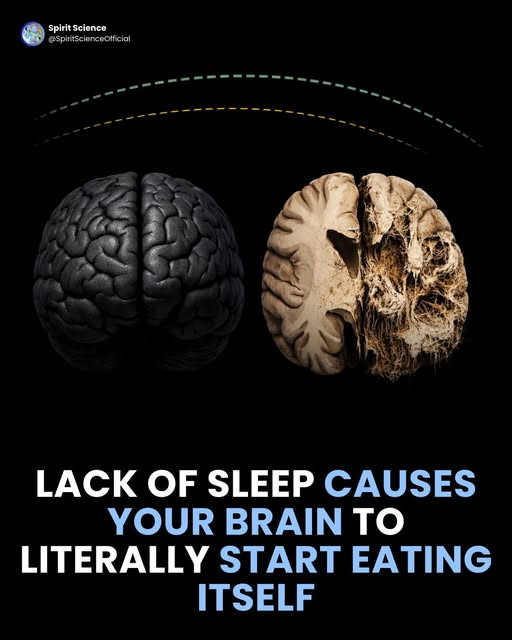
While you work, your brain is supposed to be performing its own essential maintenance. During deep sleep, the glymphatic system—the brain's waste clearance system—activates, flushing out toxins that accumulate during waking hours. Neural connections are stabilized, memories consolidated, and cellular repair occurs. This isn't just about feeling rested; it's fundamental biological maintenance.
When Sleep Patterns Reverse: The Biological Cost
Research reveals troubling consequences when we consistently disrupt our natural sleep-wake cycles:
-
Synaptic Overpruning: With reduced sleep, the brain's immune cells (microglia) become hyperactive, breaking down neural connections more aggressively than normal. While some synaptic pruning is healthy, chronic sleep loss turns this beneficial process destructive, potentially damaging important neural pathways.
-
Cognitive Consequences: Studies link insufficient sleep to:
-
Impaired focus and concentration
-
Emotional instability and mood disorders
-
Weakened memory formation and recall
-
Reduced problem-solving abilities
-
-
Long-Term Neurological Risks: Chronic circadian disruption is associated with increased risk for serious conditions including depression, anxiety disorders, and accelerated cognitive decline. The brain's structure can literally change with persistent sleep deprivation.
The Filipino Night Worker's Dilemma: Survival vs. Health
The reality is stark: many Filipinos work nights not by choice but by economic necessity. The outsourcing industry's global nature demands alignment with foreign time zones. Higher pay differentials for night shifts make them financially attractive. Yet this creates a population vulnerable to what researchers call "social jetlag"—a persistent mismatch between biological clocks and work schedules.
Practical Protection: Strategies for Night Workers
If night work is unavoidable, these evidence-based strategies can help mitigate the damage:
1. Master Your Sleep Environment
-
Blackout Everything: Invest in high-quality blackout curtains. Consider aluminum foil or specialized window film for complete darkness.
-
Sound Control: Use white noise machines or earplugs to dampen daytime noises.
-
Temperature Regulation: Keep your sleeping area cool (around 18-20°C).
2. Consistency Is Critical
-
Maintain the same sleep schedule even on days off. This stabilizes your circadian rhythm.
-
If you must shift schedules, move gradually (1-2 hours per day).
3. Strategic Light Management
-
Before Bed: Wear blue-light blocking glasses for 2-3 hours before sleeping.
-
During Work: Seek bright light exposure, especially in the first half of your shift.
-
After Work: Wear sunglasses during your commute home to minimize morning light exposure.
4. Diet and Timing
-
Eat your largest meal at the beginning of your shift, not before sleeping.
-
Avoid heavy meals, caffeine, and alcohol 3-4 hours before bedtime.
-
Stay hydrated, but reduce fluids 2 hours before sleep to minimize disruptions.
5. Family and Social Adaptation
-
Educate household members about the importance of uninterrupted daytime sleep.
-
Schedule quality time during overlaps in waking hours.
-
Use voice messages and asynchronous communication to stay connected.
6. Health Monitoring
-
Regular check-ups focusing on blood pressure, blood sugar, and mental health.
-
Be vigilant for signs of depression, irritability, or memory issues.
-
Consider vitamin D supplementation (with medical guidance).
Beyond Individual Solutions: A Call for Systemic Change
While individual adaptations help, the growing evidence demands workplace and policy responses:
-
Companies should offer regular rotation to day shifts when possible
-
Healthcare providers need specialized understanding of shift work health impacts
-
Labor policies should recognize the health premium of night work with additional compensation and health monitoring
Your night work may be financing today's survival and tomorrow's dreams, but it shouldn't cost you your cognitive health. While the economic realities won't change overnight, your approach to sleep can. The brain's need for proper rest isn't negotiable—it's biological. By treating your daytime sleep with the same seriousness as your night work, you're not just resting; you're preserving your mental capacity, emotional resilience, and long-term health.
Sleep isn't downtime. For night workers, it's essential maintenance time. Protect it fiercely.
Looking for dentist : Visit directory list
Related Clinical Cases
Patients with lower front gum inflammation may also experience tartar buildup, periodontal disease, gum abscesses, or tooth decay. Explore these related clinical case studies.


Other topics:
Other Dental Clinic