Where Bright Smiles Begin.

I Feel the Pain Daily and Cannot Sleep Well: Do I Need a Root Canal in Berkeley, California? A USA Dentist Explains the Causes, Diagnosis, Worst-Case Scenarios, and How to Save Your Tooth
Language :

One of the most common emergency dental complaints I hear from patients in Berkeley, California is:
“Doctor, I feel the pain every day, and I cannot sleep well anymore.”
When tooth pain becomes severe enough to interfere with sleep, work, eating, and daily life, it is often a sign that something serious is happening inside the tooth. While not every painful tooth requires root canal treatment, persistent pain that worsens at night frequently indicates infection or inflammation affecting the dental pulp—the living tissue inside the tooth.
As a dentist with decades of experience treating patients throughout the United States, I have seen many individuals wait too long before seeking treatment. Some hope the pain will disappear on its own. Others rely on painkillers and antibiotics repeatedly. Unfortunately, delaying treatment often allows the problem to progress, making treatment more complicated and expensive.
In this guide, I will explain:
- Why tooth pain often becomes worse at night
- How dentists diagnose root canal problems
- Symptoms that suggest a tooth may need root canal treatment
- Worst-case scenarios if treatment is delayed
- What happens during a root canal procedure
- Costs in Berkeley, California
- How to improve long-term success and save your natural tooth
Why Tooth Pain Feels Worse at Night
Many patients tell me:
“The pain is manageable during the day, but once I lie down, it becomes unbearable.”
This is a very common experience.
Several factors contribute to increased nighttime pain:
Increased Blood Flow
When lying flat, blood flow to the head increases slightly. This can increase pressure around an inflamed tooth nerve, making discomfort more noticeable.
Fewer Distractions
During the day, your brain focuses on work, conversations, and activities. At night, there are fewer distractions, making pain seem stronger.
Pulpal Inflammation
When the nerve inside the tooth becomes inflamed, pressure builds within the enclosed pulp chamber. Because there is little room for swelling, pain can become intense.
Hidden Infection
An untreated infection may create pressure around the tooth root. This pressure often becomes more noticeable while resting.
What Is Happening Inside the Tooth?
To understand root canal treatment, it helps to understand tooth anatomy.
Every tooth contains:
Enamel
The hard outer protective layer.
Dentin
The middle layer beneath the enamel.
Dental Pulp
The soft inner tissue containing:
- Nerves
- Blood vessels
- Connective tissue
When bacteria reach the pulp, infection and inflammation develop.
Once the pulp becomes severely damaged, it usually cannot heal itself.
At that stage, root canal treatment may be necessary to save the tooth.
Symptoms That Suggest You May Need a Root Canal
Not every toothache requires root canal treatment.
However, several warning signs strongly suggest nerve damage or infection.
Persistent Pain
Pain that lasts for days or weeks without improvement is concerning.
Especially if:
- Pain occurs daily
- Pain wakes you at night
- Pain requires constant medication
Sensitivity to Hot Foods
Many patients report:
- Coffee causes sharp pain
- Soup causes throbbing
- Hot drinks trigger lingering discomfort
Sensitivity lasting longer than 30 seconds after stimulation often indicates pulp damage.
Pain When Chewing
Biting pressure may create:
- Sharp pain
- Sudden electric sensations
- Deep aching discomfort
This may indicate infection around the root tip.
Swelling
Swelling is a serious sign.
You may notice:
- Gum swelling
- Facial swelling
- Jaw swelling
These symptoms require prompt evaluation.
Pimple on the Gum
A small bump that repeatedly drains pus often indicates a chronic dental abscess.
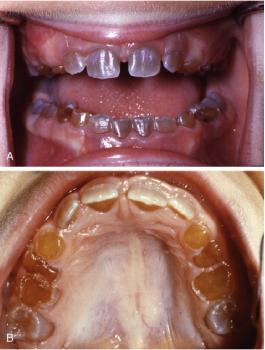
Tooth Discoloration
A tooth becoming:
- Gray
- Brown
- Dark yellow
may suggest nerve death inside the tooth.
Common Causes of Root Canal Problems
Several conditions can damage the dental pulp.
Deep Decay
The most common cause.
Bacteria slowly penetrate:
- Enamel
- Dentin
- Pulp
Once bacteria reach the nerve, infection develops.
Cracked Tooth
Even a tiny crack can allow bacteria to enter the pulp.
Symptoms often include:
- Sharp pain while chewing
- Temperature sensitivity
- Intermittent discomfort
Large Fillings
Older fillings can weaken a tooth.
Repeated dental work may eventually irritate the nerve.
Dental Trauma
An injury may damage the pulp even if no visible fracture exists.
Sometimes symptoms appear months or years after the accident.
Severe Wear
Grinding and clenching can gradually expose deeper tooth structures and irritate the nerve.
How Dentists Diagnose a Tooth That Needs a Root Canal
A proper diagnosis is critical.
Many dental conditions can mimic root canal pain.
Clinical Examination
The dentist evaluates:
- Pain location
- Swelling
- Gum condition
- Tooth mobility
Percussion Test
Gentle tapping identifies inflammation around the root.
Temperature Testing
Cold and hot tests help determine nerve health.
Responses can reveal:
- Healthy pulp
- Reversible inflammation
- Irreversible pulpitis
- Dead pulp tissue
Bite Testing
Pressure testing helps identify cracks and fractures.
Digital X-Rays
X-rays allow visualization of:
- Deep decay
- Bone loss
- Infection
- Previous dental work
3D CBCT Imaging
Advanced imaging may reveal:
- Hidden fractures
- Missed canals
- Complex anatomy
- Large infections
What Is Irreversible Pulpitis?
One of the most common diagnoses associated with severe tooth pain is irreversible pulpitis.
This means:
The pulp is inflamed beyond its ability to recover.
Symptoms often include:
- Spontaneous pain
- Nighttime pain
- Throbbing sensations
- Lingering hot sensitivity
At this stage, treatment options are usually:
- Root canal treatment
- Tooth extraction
Ignoring the condition typically leads to worsening infection.
What Happens During Root Canal Treatment?
Many patients fear root canals because of stories they have heard.
Modern root canal therapy is usually no more uncomfortable than receiving a filling.
Step 1: Local Anesthesia
The area is thoroughly numbed.
Most patients feel pressure but not pain.
Step 2: Isolation
A rubber dam protects the tooth and prevents contamination.
Step 3: Access Opening
A small opening allows access to the infected pulp.
Step 4: Cleaning
Special instruments remove:
- Infected tissue
- Bacteria
- Debris
Step 5: Disinfection
The root canal system is disinfected carefully.
Step 6: Filling the Canal
The cleaned canals are sealed with biocompatible material.
Step 7: Final Restoration
Most root canal-treated teeth require:
- Crown placement
- Permanent restoration
This protects the tooth from fracture.
Why You Should Not Delay Treatment
One of the biggest mistakes patients make is waiting too long.
Pain often follows an unpredictable pattern.
Sometimes severe pain suddenly disappears.
Many patients think:
“Great, the problem fixed itself.”
Unfortunately, the nerve may simply have died.
The infection remains active and may continue spreading.
Worst-Case Scenarios If a Root Canal Is Delayed
Let's discuss what can happen if treatment is postponed.
Severe Dental Abscess
An abscess is a collection of pus caused by infection.
Symptoms include:
- Swelling
- Fever
- Severe pain
- Bad taste in the mouth
This condition can become a true dental emergency.
Facial Swelling
Infection may spread into facial spaces.
Patients may experience:
- Puffy cheeks
- Eye swelling
- Difficulty opening the mouth
These situations often require urgent care.
Bone Loss Around the Tooth
Chronic infection destroys surrounding bone.
Over time:
- Tooth support weakens
- Future treatment becomes more difficult
Tooth Fracture
An untreated infected tooth becomes weaker.
Large portions of the tooth may eventually fracture.
Sometimes the damage becomes non-restorable.
Tooth Loss
The longer treatment is delayed, the greater the risk of extraction.
Saving a natural tooth is usually preferable whenever possible.
Spread of Infection
Although uncommon, severe dental infections can spread into deeper facial spaces.
Potential complications include:
- Hospitalization
- Intravenous antibiotics
- Surgical drainage
This is why persistent dental infections should never be ignored.
Can Antibiotics Fix the Problem?
A common misconception is that antibiotics cure root canal infections.
They do not.
Antibiotics may temporarily reduce symptoms when swelling is present.
However:
- Dead pulp tissue remains
- Bacteria remain inside the tooth
- Infection eventually returns
Definitive treatment usually requires:
- Root canal therapy
- Extraction
How Much Does a Root Canal Cost in Berkeley, California?
Costs vary depending on:
- Tooth location
- Complexity
- Specialist involvement
- Restoration requirements
Typical ranges in Berkeley may include:
Front Tooth
Approximately:
$900–$1,600
Premolar
Approximately:
$1,000–$1,800
Molar
Approximately:
$1,200–$2,500+
Molars are more complex because they contain additional canals.
Crown Costs
Many root canal-treated teeth require crowns.
Typical crown costs may range from:
$1,200–$2,500+
depending on materials and provider.
Is Saving the Tooth Worth It?
In most situations, yes.
Natural teeth remain the gold standard.
Advantages include:
- Natural chewing ability
- Better bite stability
- Preservation of surrounding bone
- Lower long-term treatment complexity
Replacing a missing tooth often requires:
- Dental implant
- Bridge
- Partial denture
These options may cost significantly more than root canal treatment alone.
When Extraction May Be the Better Choice
Not every tooth can be saved.
Examples include:
Vertical Root Fractures
These fractures often extend below the gumline.
Prognosis is generally poor.
Severe Bone Loss
Advanced support loss may compromise long-term stability.
Extensive Decay
If insufficient tooth structure remains, restoration may not be possible.
Non-Restorable Damage
Certain fractures make successful restoration impossible.
A thorough examination helps determine the best treatment option.
Tips for Getting Better Sleep Before Treatment
If you are waiting for your appointment, these measures may provide temporary relief.
Keep Your Head Elevated
Use extra pillows while sleeping.
Elevation may reduce pressure.
Avoid Trigger Foods
Avoid:
- Hot beverages
- Ice-cold drinks
- Sugary foods
Stay Hydrated
Dry mouth may increase discomfort.
Follow Professional Advice
Take medications only as directed by your dentist or physician.
Remember:
These measures are temporary.
They do not eliminate the underlying infection.
How Successful Are Root Canals?
Modern root canal treatment has a very high success rate.
Studies commonly report success rates above 85–95% when:
- Proper diagnosis is made
- Treatment is performed correctly
- A quality restoration is placed
- Good oral hygiene is maintained
Many root canal-treated teeth function successfully for decades.
Signs You Should Seek Immediate Dental Care
Contact a dentist immediately if you experience:
- Severe swelling
- Difficulty breathing
- Difficulty swallowing
- Fever
- Rapidly increasing pain
- Facial asymmetry
- Significant pus drainage
These symptoms may indicate a progressing infection requiring urgent attention.
Expert USA Dentist Advice for Berkeley Patients
If you are saying:
“I feel the pain every day and cannot sleep well,”
your body is sending an important warning signal.
Persistent dental pain is rarely normal.
A tooth that hurts continuously, wakes you at night, reacts strongly to heat, or causes swelling deserves prompt professional evaluation.
The sooner a diagnosis is made, the more treatment options you may have available.
In many cases, early root canal therapy can save a tooth that would otherwise be lost.
Waiting weeks or months may allow infection to spread, increase treatment costs, and reduce the likelihood of preserving the natural tooth.
As dentists, our goal is always to help patients maintain healthy natural teeth whenever possible. If you are experiencing daily pain in Berkeley, California, do not rely solely on pain medication or hope the problem disappears. Schedule a comprehensive dental examination, obtain appropriate imaging, and determine whether root canal treatment, restoration, or another solution is necessary.
Your sleep, comfort, and long-term oral health may depend on acting before a manageable dental problem becomes a serious dental emergency.
Can tooth extraction cause infection? Mild inflammation is normal, but increasing swelling, fever, or severe pain may indicate infection. Learn more about post-extraction infection warning signs in this detailed guide.
Book a consultation with our Cebu dental specialists for proper evaluation and care.
Ready to get expert guidance?
If you’re experiencing severe pain or delayed healing, book a consultation with our Cebu dental specialists to get proper evaluation and care.
Consultation or contact page .
Book a Consultation
For severe discomfort or delayed healing, book a consultation with our Cebu dental specialists today.
Looking for a dentist? Browse our Cebu dental directory to find trusted clinics near you.
Medical Review and Clinical Basis
This article is based on clinical dental guidelines and real patient recovery patterns observed after tooth extraction procedures. The information reflects common post-extraction healing stages, including normal clot formation, gum tissue repair, and signs of possible complications such as dry socket or infection.
While mild discomfort is expected after a dental extraction, worsening pain after Day 3, bad odor, exposed bone, or spreading pain may require professional evaluation. These symptoms are consistent with known post-extraction complications described in standard dental practice.
About Cebu Dental Implants
Cebu Dental Implants provides comprehensive tooth extraction, surgical procedures, and dental implant services in the Philippines. Our team evaluates post-extraction healing, manages complications such as dry socket, and advises patients on proper aftercare to prevent infection and delayed healing.
If you experience severe pain or unusual symptoms after extraction, early professional assessment is recommended to prevent further complications.
Important Medical Disclaimer
This content is for educational purposes only and does not replace professional dental diagnosis. Every patient heals differently. If symptoms worsen or do not improve within a few days, consult a licensed dentist for proper evaluation and treatment.
Author
This article was prepared by the Cebu Dental Implants content team in consultation with licensed dental professionals experienced in tooth extraction and implant procedures.
Related Clinical Cases
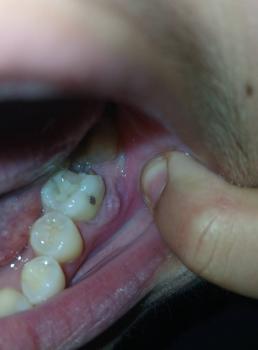
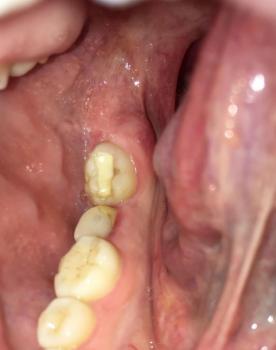
Patients with lower front gum inflammation may also experience tartar buildup, periodontal disease, gum abscesses, or tooth decay. Explore these related clinical case studies.



Other topics:
Other Dental Clinic