Apical Infection

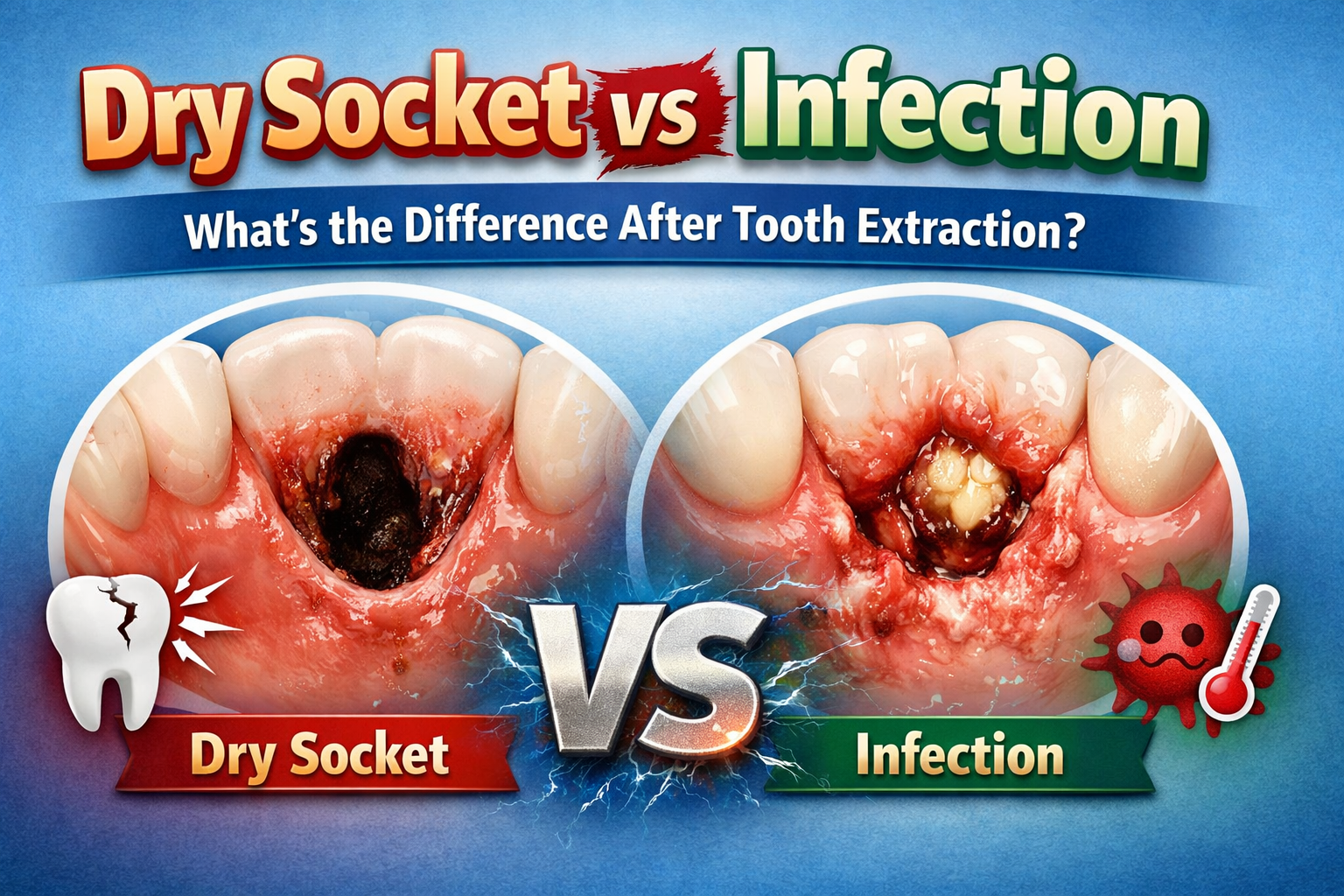
Dry Socket vs Infection: What’s the Difference After Tooth Extraction?
After a tooth extraction, many patients ask:

“Is this dry socket or infection?”
“Why is my pain getting worse?”

For busy workers, the common mistake is waiting.

They continue working long shifts.
They only file a long day off when the pain becomes unbearable.

By then, treatment becomes more complicated — and more expensive.

Understanding the difference early can save you time, money, and stress.


What Is Dry Socket?

Dry socket (alveolar osteitis) happens when the protective blood clot falls out or dissolves too early.

Recurrent Jawbone Infection With Facial Rash - Dental Case Analysis

Severity: 

Recurrent Jawbone Infection and Persistent Facial Rash — Warning Signs, Complications, and Treatment

Why Can a Dental Infection Cause a Recurring Facial Rash?

A persistent or recurring rash, small lump, or open sore along the cheek, chin, or jawline may occasionally originate from an infection inside a tooth rather than from a primary skin disorder. One possible explanation is an odontogenic cutaneous sinus tract, a channel through which infected material drains from a diseased tooth or surrounding tissues toward the skin.

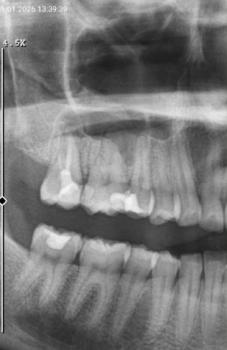
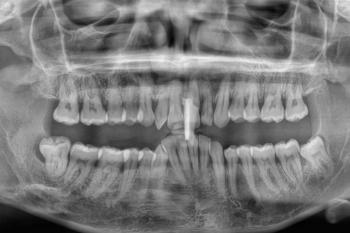
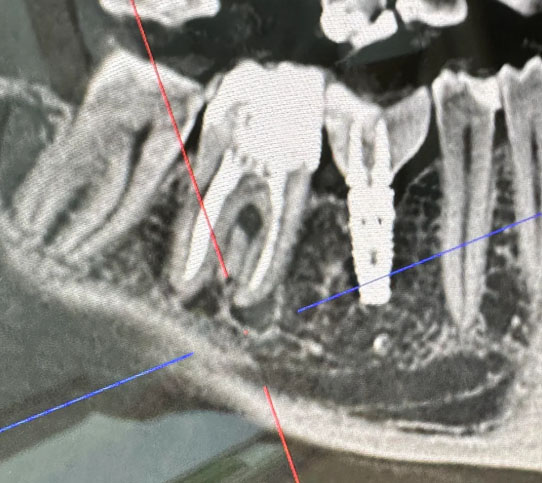
CBCT Teeth Case Analysis – Apical Infection Near Dental Implant

Severity: 
Teeth Problems: 

Clinical Analysis: Apical Infection Near a Dental Implant — Causes, Diagnosis, and Treatment

1. How Can an Infected Natural Tooth Affect a Nearby Dental Implant?

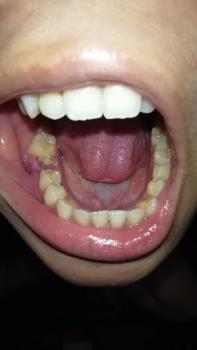
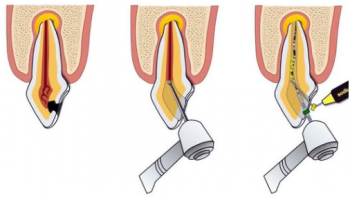
A periapical infection develops when bacteria enter the dental pulp, commonly through deep tooth decay, a leaking restoration, a crack, or previous dental trauma. When the pulp becomes irreversibly inflamed or dies, infection can extend through the root canal system and trigger inflammation in the surrounding bone at the root apex.

Broken Tooth With Decay and Abscess Case Analysis and Treatment Guide

Severity: 

What Is Seen in This Case

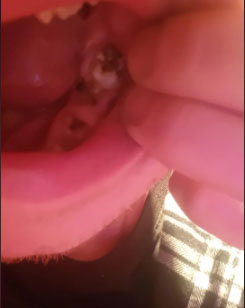
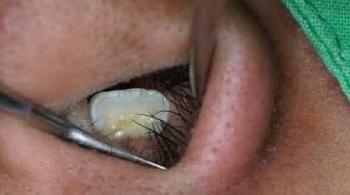
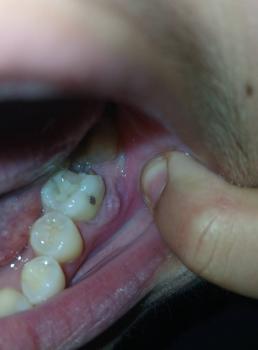
The image shows a severely broken tooth with dark decay and visible infection, located near the back of the mouth. The tooth structure is largely destroyed, and the surrounding gum tissue appears red, swollen, and irritated, which strongly suggests an active dental abscess.

This condition usually develops after long-term untreated tooth decay.


Most Likely Diagnosis

Based on visual examination, the most likely conditions include:

  • Severe tooth decay

Child Front Teeth Decay Case Analysis and Treatment Timeline

Severity: 

Additional Clinical Analysis: Why a Child’s Front Teeth Develop Tooth Decay

Clinical Perspective: Early Childhood Dental Caries

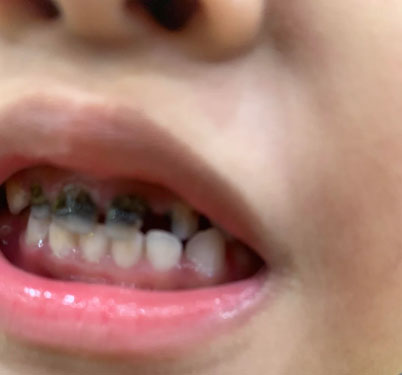
From a clinical dentistry perspective, decay affecting a child's upper front teeth should not be considered merely a cosmetic problem. It may indicate an ongoing caries process that requires assessment of the affected teeth, the child's dietary habits, oral hygiene routine, and overall risk of developing additional cavities.

Pages