Because Every Tooth Deserves Care.

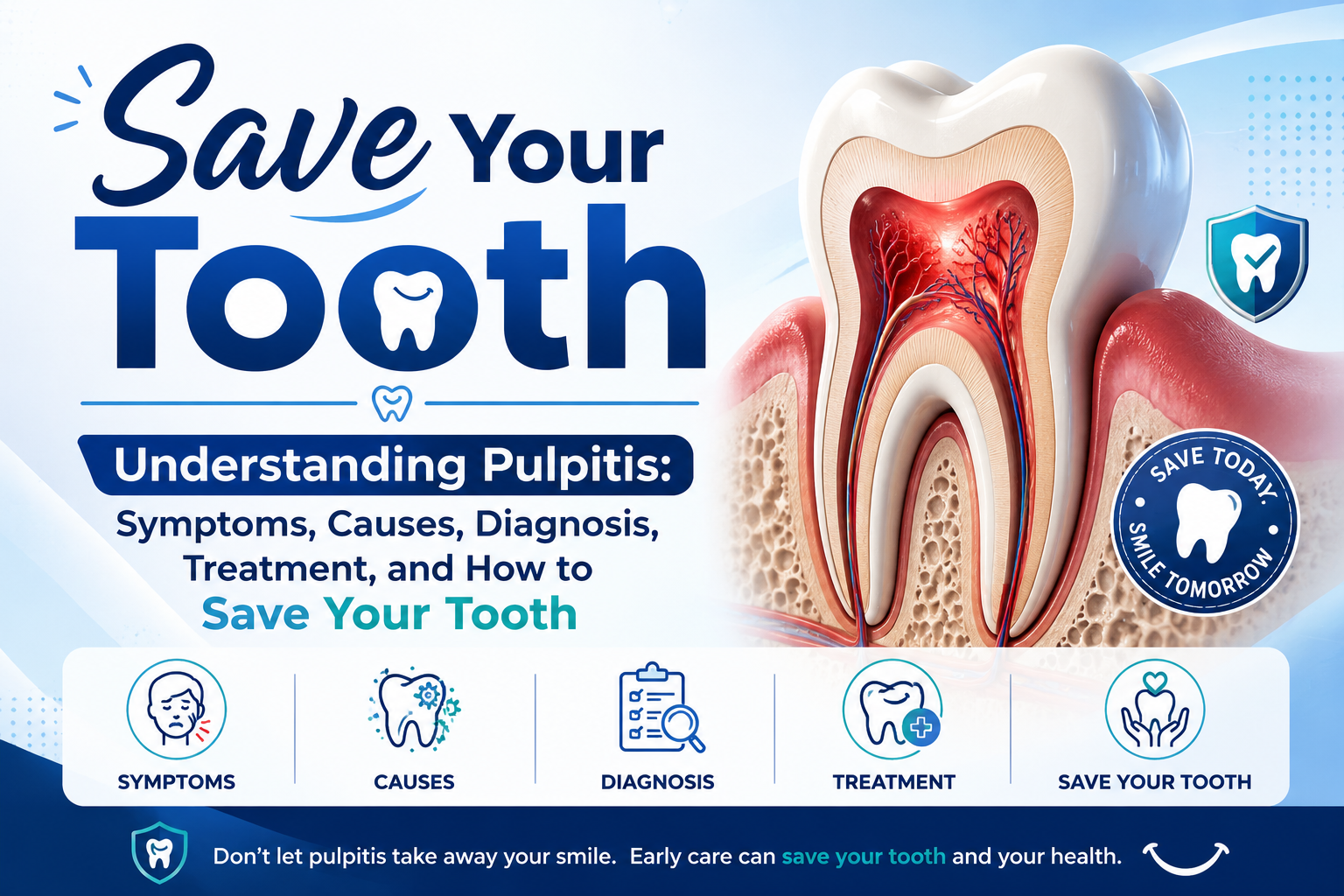
Understanding Pulpitis: Symptoms, Causes, Diagnosis, Treatment, and How to Save Your Tooth
Language :
Topics:
Understanding Pulpitis: A Clinical Overview
Tooth pain is one of the most common reasons people seek emergency dental care. While many assume a painful tooth simply has a cavity, the underlying cause is often inflammation of the dental pulp—a condition known as pulpitis.
The dental pulp is a delicate living tissue located at the center of every tooth. It contains blood vessels, nerves, lymphatic tissue, connective tissue, and specialized cells responsible for maintaining tooth vitality. When bacteria, trauma, or other irritants reach the pulp, inflammation develops. Because this tissue is trapped inside rigid dentin and enamel, swelling cannot expand outward, causing pressure to build and producing the intense pain many patients experience.
Understanding pulpitis is essential because early treatment can often save the tooth. Delayed treatment may result in irreversible damage, infection, abscess formation, and ultimately tooth loss.
The Anatomy of the Dental Pulp
Before discussing pulpitis, it helps to understand the structure of a healthy tooth.
Every tooth consists of several layers:
- Enamel
- The hardest substance in the human body.
- Protects the tooth from daily wear and bacterial invasion.
- Dentin
- Located beneath enamel.
- Contains microscopic tubules connected directly to the pulp.
- Less mineralized than enamel.
- Dental Pulp
- The living center of the tooth.
- Contains:
- Blood vessels
- Nerves
- Connective tissue
- Immune cells
- Odontoblasts (cells responsible for dentin production)
The pulp nourishes the tooth, provides sensation, and helps repair minor injuries.
What Is Pulpitis?
Pulpitis is inflammation of the dental pulp.
Inflammation occurs when harmful stimuli overcome the tooth's natural defenses. Since the pulp exists inside a rigid chamber, even slight swelling dramatically increases pressure.
This pressure compresses nerves and blood vessels, leading to pain ranging from mild sensitivity to severe throbbing discomfort.
Without treatment, inflammation can eventually destroy the pulp tissue completely.
Classification of Pulpitis
Dentists generally classify pulpitis into two major categories.
1. Reversible Pulpitis
Reversible pulpitis is the earliest stage.
The pulp is inflamed but still healthy enough to recover if the source of irritation is removed promptly.
Characteristics
- Mild inflammation
- Temporary pain
- Triggered by cold drinks
- Triggered by sweets
- Triggered by brushing
- Pain disappears quickly
- Tooth remains vital
Because the tissue is still alive, proper treatment often restores normal pulp health.
Symptoms of Reversible Pulpitis
Patients commonly describe:
- Brief sharp pain
- Cold sensitivity
- Sweet sensitivity
- Mild discomfort while brushing
- No spontaneous pain
- No swelling
- Pain lasting only seconds
Most patients can identify the exact tooth causing discomfort.
Common Causes of Reversible Pulpitis
Several conditions may irritate the pulp without permanently damaging it.
Dental Caries
Early cavities allow bacteria to approach the pulp.
Worn Enamel
Years of acidic foods or tooth grinding gradually thin enamel.
Exposed Root Surfaces
Gum recession exposes dentin.
Leaking Fillings
Old restorations may permit bacterial leakage.
Minor Tooth Fractures
Small cracks expose dentin.
Recent Dental Procedures
Deep fillings sometimes temporarily irritate the pulp.
Treatment of Reversible Pulpitis
The primary goal is eliminating the irritant.
Treatment may include:
- Filling cavities
- Replacing defective restorations
- Applying fluoride varnish
- Using desensitizing toothpaste
- Treating gum recession
- Adjusting a high dental filling
- Monitoring healing
Most patients improve within days to weeks.
Prognosis
If treated early:
- Pain resolves
- Tooth remains alive
- Root canal therapy is unnecessary
- Long-term prognosis is excellent
2. Irreversible Pulpitis
Irreversible pulpitis develops when inflammation becomes too severe.
The pulp can no longer recover, even if the original cause is removed.
Eventually, the tissue dies.
Characteristics
- Persistent inflammation
- Significant tissue damage
- Severe pain
- Spontaneous pain
- Night pain
- Lingering sensitivity
- Pain radiating into nearby areas
Without treatment, infection spreads deeper into the tooth.
Symptoms of Irreversible Pulpitis
Symptoms often include:
- Severe throbbing pain
- Pain waking patients at night
- Lingering pain after cold exposure
- Heat sensitivity
- Pain while chewing
- Facial discomfort
- Jaw pain
- Temple pain
- Ear pain
- Neck discomfort
Some patients cannot identify the affected tooth because pain radiates widely.
Why Does Irreversible Pulpitis Hurt So Much?
The pulp chamber cannot expand.
Inflammatory fluid accumulates.
Pressure compresses:
- Blood vessels
- Nerve fibers
Reduced blood supply leads to tissue death while compressed nerves generate intense pain signals.
This combination explains why pulpitis pain is often described as unbearable.
Common Causes of Pulpitis
1. Dental Caries
The leading cause worldwide.
Untreated cavities gradually penetrate:
Enamel → Dentin → Dental Pulp
Once bacteria reach the pulp, inflammation develops rapidly.
2. Tooth Fractures
Cracks allow bacteria to enter the pulp.
Examples include:
- Sports injuries
- Falls
- Car accidents
- Biting hard foods
3. Repeated Dental Procedures
Multiple restorations on the same tooth may irritate the pulp over time.
4. Deep Fillings
Large restorations placed close to the pulp may trigger inflammation.
5. Bruxism (Teeth Grinding)
Constant grinding creates:
- Cracks
- Enamel wear
- Pulp irritation
6. Thermal Injury
Heat generated during dental procedures without adequate cooling may damage pulp tissue.
7. Chemical Irritation
Certain restorative materials may irritate the pulp if not properly insulated.
8. Periodontal Disease
Advanced gum disease may spread infection into the pulp through accessory canals.
Risk Factors
Several factors increase the likelihood of pulpitis.
These include:
- Poor oral hygiene
- High sugar consumption
- Acidic beverages
- Dry mouth
- Smoking
- Teeth grinding
- Delayed dental visits
- Large untreated cavities
- Previous dental trauma
How Dentists Diagnose Pulpitis
Accurate diagnosis requires multiple tests.
Medical History
Dentists ask:
- When did pain begin?
- Is pain spontaneous?
- What triggers pain?
- Does pain linger?
- Does pain occur at night?
Clinical Examination
The dentist checks for:
- Cavities
- Cracks
- Fractures
- Old fillings
- Gum health
Cold Test
Cold spray is applied.
Healthy Tooth
Brief response.
Reversible Pulpitis
Short sharp response.
Irreversible Pulpitis
Lingering painful response.
Heat Test
Useful when patients complain of hot sensitivity.
Pain lingering after heat strongly suggests irreversible pulpitis.
Electric Pulp Testing
A small electrical stimulus determines whether the pulp remains vital.
Percussion Test
Gentle tapping determines whether inflammation has spread beyond the pulp.
Bite Test
Patients bite on a special instrument.
Pain may indicate cracked tooth syndrome.
Dental X-rays
Radiographs reveal:
- Deep decay
- Bone infection
- Previous restorations
- Periapical lesions
- Root anatomy
Differential Diagnosis
Several conditions mimic pulpitis.
Dentists must distinguish it from:
- Cracked tooth syndrome
- Dentin hypersensitivity
- Sinus infection
- Gum abscess
- Periapical abscess
- Occlusal trauma
- Trigeminal neuralgia
- Temporomandibular disorders
Proper diagnosis prevents unnecessary treatment.
Management of Reversible Pulpitis
Treatment focuses on preserving pulp vitality.
Options include:
- Caries removal
- Conservative fillings
- Pulp protection liners
- Desensitizing agents
- Fluoride therapy
- Bite adjustment
- Regular follow-up
Most teeth heal successfully.
Management of Irreversible Pulpitis
Once the pulp cannot recover, definitive treatment becomes necessary.
Root Canal Therapy
Root canal treatment remains the gold standard.
The procedure includes:
Step 1
Local anesthesia.
Step 2
Access opening through the crown.
Step 3
Removal of infected pulp.
Step 4
Cleaning and shaping canals.
Step 5
Disinfection.
Step 6
Filling canals with biocompatible material.
Step 7
Permanent restoration.
In many cases, a dental crown is recommended afterward to restore strength and protect the tooth from fracture.
Modern root canal therapy is highly predictable and allows patients to retain their natural tooth while eliminating pain and infection.
When Extraction Is Necessary
Some teeth cannot be saved because of:
- Severe fractures
- Extensive decay
- Advanced periodontal disease
- Vertical root fractures
- Failed previous treatment
Extraction eliminates infection but creates a gap that may affect chewing, speech, and neighboring teeth.
Replacement options include:
- Dental implant
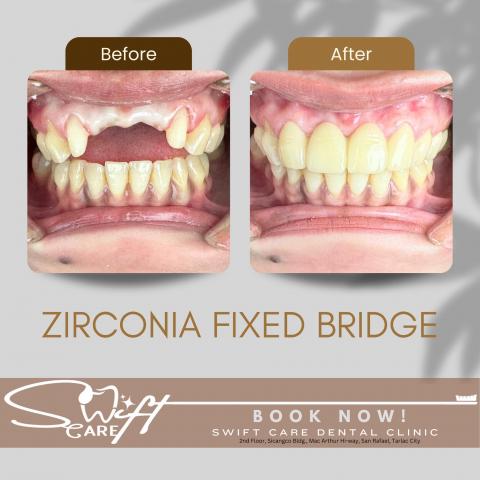
- Fixed bridge
- Removable partial denture
Whenever feasible, preserving the natural tooth is generally preferred.
Potential Complications of Untreated Pulpitis
Ignoring symptoms can allow the condition to progress, leading to:
- Pulp necrosis (death of the pulp tissue)
- Dental abscess
- Spread of infection into surrounding bone
- Facial swelling
- Cellulitis
- Bone destruction around the root
- Tooth loss
In rare cases, severe untreated dental infections may spread beyond the oral cavity and become life-threatening, particularly in individuals with weakened immune systems.
Pain Management
Treatment addresses the source of the problem, but supportive measures may help manage discomfort until definitive care is provided.
A dentist may recommend:
- Appropriate pain-relieving medications
- Avoiding foods or drinks that trigger sensitivity
- Gentle brushing with a soft toothbrush
- Good oral hygiene
Antibiotics are not routinely prescribed for pulpitis itself. They are typically reserved for cases where there is evidence of spreading bacterial infection, swelling, fever, or involvement of surrounding tissues.
Prevention
Most cases of pulpitis can be prevented with consistent oral care and routine dental visits.
Helpful preventive habits include:
- Brush twice daily with fluoride toothpaste.
- Clean between teeth every day using floss or interdental brushes.
- Limit sugary snacks and beverages.
- Reduce frequent acidic food and drink exposure.
- Wear a mouthguard during contact sports.
- Use a night guard if you grind your teeth.
- Replace damaged or leaking fillings promptly.
- Attend regular dental examinations and professional cleanings.
Early detection of cavities and cracks allows treatment before the pulp becomes inflamed.
Frequently Asked Questions
Can reversible pulpitis heal on its own?
The pulp may recover once the source of irritation is removed, but professional evaluation is important to identify and treat the underlying cause.
Does every toothache require a root canal?
No. If inflammation is reversible, conservative treatment such as removing decay and placing a filling may be sufficient. Root canal therapy is generally indicated only when the pulp is irreversibly damaged.
Is root canal treatment painful?
With modern local anesthesia and current techniques, most patients report that root canal treatment feels similar to receiving a routine filling. The procedure is intended to relieve the pain caused by the inflamed pulp.
Can pulpitis become an abscess?
Yes. If irreversible pulpitis is left untreated, the pulp may die, allowing bacteria to spread beyond the root tip and form a dental abscess.
How long should tooth sensitivity last?
Brief sensitivity after a dental procedure may be normal for a short period. Persistent, worsening, or spontaneous pain should be assessed by a dentist.
Clinical Perspective
Pulpitis represents a progression from reversible inflammation to irreversible tissue damage if left untreated. Careful diagnosis using the patient's history, clinical examination, pulp vitality testing, and radiographic evaluation helps determine the appropriate treatment. Early intervention can often preserve the tooth with conservative care, while advanced cases typically require root canal therapy or, when the tooth is no longer restorable, extraction.
Recognizing symptoms promptly and seeking professional dental care significantly improves the likelihood of maintaining a healthy, functional natural tooth and preventing more serious complications.
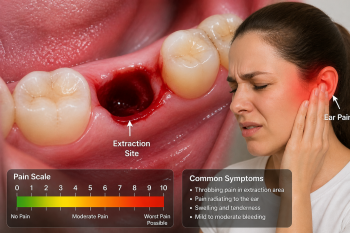
Can tooth extraction cause infection? Mild inflammation is normal, but increasing swelling, fever, or severe pain may indicate infection. Learn more about post-extraction infection warning signs in this detailed guide.
Book a consultation with our Cebu dental specialists for proper evaluation and care.
Ready to get expert guidance?
If you’re experiencing severe pain or delayed healing, book a consultation with our Cebu dental specialists to get proper evaluation and care.
Consultation or contact page .
Book a Consultation
For severe discomfort or delayed healing, book a consultation with our Cebu dental specialists today.
Looking for a dentist? Browse our Cebu dental directory to find trusted clinics near you.
Medical Review and Clinical Basis
This article is based on clinical dental guidelines and real patient recovery patterns observed after tooth extraction procedures. The information reflects common post-extraction healing stages, including normal clot formation, gum tissue repair, and signs of possible complications such as dry socket or infection.
While mild discomfort is expected after a dental extraction, worsening pain after Day 3, bad odor, exposed bone, or spreading pain may require professional evaluation. These symptoms are consistent with known post-extraction complications described in standard dental practice.
About Cebu Dental Implants
Cebu Dental Implants provides comprehensive tooth extraction, surgical procedures, and dental implant services in the Philippines. Our team evaluates post-extraction healing, manages complications such as dry socket, and advises patients on proper aftercare to prevent infection and delayed healing.
If you experience severe pain or unusual symptoms after extraction, early professional assessment is recommended to prevent further complications.
Important Medical Disclaimer
This content is for educational purposes only and does not replace professional dental diagnosis. Every patient heals differently. If symptoms worsen or do not improve within a few days, consult a licensed dentist for proper evaluation and treatment.
Author
This article was prepared by the Cebu Dental Implants content team in consultation with licensed dental professionals experienced in tooth extraction and implant procedures.
Related Clinical Cases
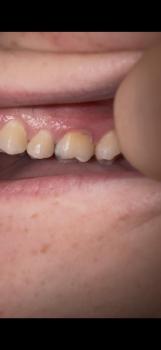
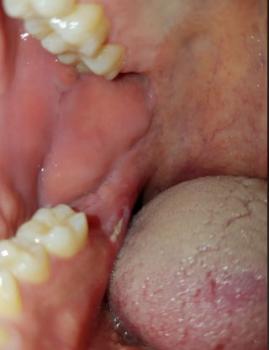
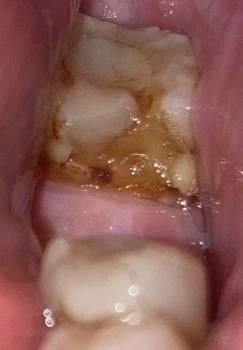
Patients with lower front gum inflammation may also experience tartar buildup, periodontal disease, gum abscesses, or tooth decay. Explore these related clinical case studies.

Other topics:
Other Dental Clinic