Your Smile, Perfected with Precision.

Worst-Case Root Canal Scenarios in Riverside, California: A USA Dentist Explains What Can Happen, How We Diagnose the Problem, and How Your Tooth Can Still Be Saved
Language :
As a dentist who has treated thousands of patients over the years, one of the most common questions I hear is:
"Doctor, what is the worst thing that can happen if I ignore this tooth pain?"
Many patients in Riverside, California wait weeks, months, or even years before seeking treatment. Some hope the pain will disappear. Others are afraid of the dentist, worried about costs, or simply too busy with work and family responsibilities.
Unfortunately, dental infections rarely solve themselves.
A small cavity can become a major infection. A cracked tooth can develop into an abscess. What starts as mild sensitivity can eventually threaten the survival of the tooth—and in severe situations, even affect overall health.
The good news is that most dental emergencies can be successfully treated when diagnosed early.
In this guide, I will explain the worst-case scenarios that can occur when a tooth infection progresses, how dentists diagnose these problems, treatment options available in Riverside, California, and a real-life style story showing how a seemingly hopeless tooth was ultimately saved.
Understanding How Dental Infections Develop
Before discussing severe cases, it helps to understand how tooth infections begin.
Inside every tooth is a soft tissue called the dental pulp.
The pulp contains:
- Blood vessels
- Nerves
- Connective tissue
When bacteria enter the tooth through:
- Deep cavities
- Cracks
- Trauma
- Old leaking fillings
- Gum disease
the pulp becomes inflamed.
Initially, inflammation may be reversible.
However, once bacteria reach the pulp chamber and root canals, the nerve tissue can die.
At that stage, the infection begins spreading beyond the tooth.
Without treatment, the consequences can become serious.
Common Warning Signs Before a Dental Emergency
Many severe infections provide warning signs before becoming dangerous.
Symptoms often include:
- Toothache
- Pain while chewing
- Sensitivity to hot foods
- Sensitivity to cold drinks
- Gum swelling
- Bad taste in the mouth
- Facial tenderness
- Tooth discoloration
- Persistent throbbing pain
If you experience these symptoms in Riverside, seeking prompt dental evaluation can significantly improve the chances of saving the tooth.
Worst Scenario #1: Massive Dental Abscess
One of the most common severe dental emergencies is a large abscess.
A dental abscess is a pocket of pus caused by bacterial infection.
Patients often experience:
- Severe throbbing pain
- Facial swelling
- Difficulty chewing
- Fever
- Bad breath
- Drainage of pus
The pressure created by the abscess can become unbearable.
Many patients describe it as one of the most painful experiences of their lives.
Without treatment, the infection may continue spreading through the surrounding tissues.
Worst Scenario #2: Facial Swelling That Changes Appearance
A serious infection can spread beyond the tooth and enter the facial spaces.
This may result in:
- Swollen cheeks
- Swollen jaw
- Puffy eyes
- Facial asymmetry
- Significant discomfort
Some patients wake up unable to recognize themselves in the mirror.
In Riverside dental emergency clinics, facial swelling is one of the most common reasons patients seek urgent care.
When swelling becomes extensive, immediate treatment is necessary.
Worst Scenario #3: Infection Spreading Into Multiple Teeth
An untreated infection does not always remain isolated.
The bacteria may spread into surrounding bone and affect neighboring teeth.
This can result in:
- Multiple root canal treatments
- Bone destruction
- Tooth mobility
- Increased treatment costs
What originally required treatment for one tooth may eventually involve several teeth.
Worst Scenario #4: Jawbone Destruction
A chronic dental infection can gradually destroy the supporting jawbone.
When bacteria continue attacking bone tissue, dentists may observe:
- Bone loss around roots
- Enlarged infection areas
- Weakening of support structures
- Reduced long-term stability
Advanced bone destruction can make future restorative treatment much more complicated.
In severe cases, tooth extraction becomes unavoidable.
Worst Scenario #5: Vertical Root Fracture
One of the most difficult situations dentists encounter is a vertical root fracture.
These fractures often extend below the gum line.
Symptoms include:
- Sharp pain while chewing
- Recurrent swelling
- Gum abscesses
- Persistent discomfort
Unfortunately, many vertically fractured teeth cannot be predictably saved.
This is why early diagnosis is extremely important.
Worst Scenario #6: Tooth Splitting Into Multiple Pieces
When a tooth becomes severely weakened by:
- Large fillings
- Trauma
- Decay
- Untreated infection
it can fracture catastrophically.
Some patients are eating lunch or dinner when they suddenly hear a crack.
The tooth may split completely.
Depending on the location of the fracture, saving the tooth may no longer be possible.
Worst Scenario #7: Infection Reaching the Sinus
Upper back teeth often sit very close to the maxillary sinus.
When infection develops in these teeth, it may spread toward the sinus cavity.
Patients may experience:
- Sinus pressure
- Nasal congestion
- Facial pain
- Headaches
- Chronic sinus symptoms
Many individuals initially believe they have allergies or sinusitis when the true source is a dental infection.
Worst Scenario #8: Cellulitis
Cellulitis occurs when bacterial infection spreads through soft tissues.
Symptoms include:
- Diffuse swelling
- Skin redness
- Fever
- Warmth in affected areas
- Significant discomfort
Cellulitis requires immediate professional care.
Prompt intervention helps prevent further spread of infection.
Worst Scenario #9: Difficulty Swallowing
When infections spread into deeper facial spaces, patients may develop:
- Pain while swallowing
- Difficulty eating
- Difficulty speaking
- Neck swelling
These symptoms should never be ignored.
Emergency dental or medical evaluation is strongly recommended.
Worst Scenario #10: Difficulty Breathing
The most serious dental infections can affect the airway.
Although uncommon, advanced infections may cause:
- Severe neck swelling
- Airway compression
- Breathing difficulties
This situation is considered a medical emergency.
Immediate treatment is required.
Worst Scenario #11: Tooth Loss
The outcome most patients fear is losing the tooth completely.
Extraction may become necessary when:
- Infection is extensive
- Root fractures are present
- Bone support is inadequate
- Restoration is impossible
Even though modern dentistry offers implants and bridges, preserving the natural tooth remains the preferred option whenever possible.
Worst Scenario #12: Multiple Tooth Loss
Sometimes a patient ignores dental problems for years.
When they finally seek treatment, multiple teeth may be affected.
This can lead to:
- Extensive restorative treatment
- Higher costs
- Functional problems
- Difficulty chewing
- Cosmetic concerns
Early intervention is almost always less invasive and less expensive.
How Dentists Diagnose Severe Tooth Problems
Proper diagnosis is the foundation of successful treatment.
A comprehensive examination typically includes:
Clinical Examination
The dentist evaluates:
- Swelling
- Gum condition
- Tooth mobility
- Fractures
- Decay
Percussion Testing
Gentle tapping identifies inflammation around the root.
Bite Testing
Pain during biting may reveal cracks or fractures.
Thermal Testing
Hot and cold tests help determine pulp vitality.
Digital X-Rays
X-rays reveal:
- Abscesses
- Bone loss
- Decay
- Root fractures
- Previous treatment issues
3D CBCT Imaging
Advanced cone beam scans provide highly detailed views of:
- Root anatomy
- Hidden fractures
- Bone destruction
- Infection size
CBCT technology often helps identify problems that standard X-rays may miss.
Can a Severely Infected Tooth Still Be Saved?
In many cases, yes.
Even teeth with large infections can often be preserved through:
- Root canal therapy
- Retreatment procedures
- Apicoectomy surgery
- Crowns
- Post and core restorations
The key factor is how much healthy tooth structure remains.
Every case requires individualized evaluation.
Treatment Options for Severe Dental Infections
Root Canal Treatment
Root canal therapy removes:
- Infected tissue
- Bacteria
- Dead pulp
The canals are cleaned, disinfected, and sealed.
This procedure eliminates infection while preserving the tooth.
Root Canal Retreatment
Sometimes previous root canal treatment fails.
Retreatment allows dentists to:
- Remove old filling material
- Locate missed canals
- Eliminate residual infection
- Reseal the tooth
Many previously failing teeth can be successfully rescued.
Apicoectomy
When infection persists at the root tip, an apicoectomy may be recommended.
The procedure involves:
- Removing infected tissue
- Trimming the root tip
- Sealing the root end
This can save teeth that might otherwise require extraction.
Crown Placement
Following root canal treatment, crowns help protect weakened teeth.
Benefits include:
- Increased strength
- Improved appearance
- Reduced fracture risk
- Long-term durability
Extraction and Replacement
When a tooth cannot be saved, replacement options include:
- Dental implants
- Bridges
- Partial dentures
Modern restorative dentistry offers excellent solutions for missing teeth.
A Short Story: How a Tooth Was Saved
Michael, a 47-year-old Riverside resident, arrived at our office after avoiding dental treatment for nearly two years.
He complained of:
- Severe pain
- Facial swelling
- Difficulty chewing
He assumed the tooth was hopeless.
An examination revealed:
- A large infection
- Significant bone loss
- A dead nerve
The X-ray looked alarming.
Michael believed extraction was inevitable.
However, after reviewing the scan carefully, we discovered that the root structure remained intact.
We performed emergency treatment to relieve pressure and infection.
A root canal procedure followed shortly afterward.
Over the next several months:
- The swelling disappeared
- Bone began healing
- Pain resolved completely
A custom crown was placed to strengthen the tooth.
At his one-year follow-up visit, the tooth remained healthy and functional.
Michael smiled and said:
"I thought I was going to lose it. I'm glad I came in before it was too late."
His case serves as an important reminder that even severely infected teeth can sometimes be saved when evaluated by an experienced dental professional.
When Riverside Residents Should Seek Immediate Dental Care
Contact a dentist immediately if you experience:
- Facial swelling
- Severe tooth pain
- Fever
- Pus drainage
- Difficulty swallowing
- Difficulty breathing
- Sudden tooth fracture
- Persistent gum swelling
Early treatment dramatically improves outcomes.
How to Reduce the Risk of Severe Dental Problems
Preventive care remains the best defense.
Recommendations include:
Brush Twice Daily
Use fluoride toothpaste and proper brushing techniques.
Floss Daily
Flossing removes bacteria from areas toothbrushes cannot reach.
Attend Regular Dental Exams
Routine evaluations help identify problems early.
Treat Small Cavities Promptly
Small restorations are easier and less costly than root canal treatment.
Wear a Night Guard
Patients who grind their teeth can reduce fracture risk.
Avoid Using Teeth as Tools
Never use teeth to open packages or bite hard objects.
Maintain a Healthy Diet
Reducing sugar intake helps lower cavity risk.
Final Thoughts From a USA Dentist
The worst dental scenarios usually do not occur overnight.
Most begin as small, manageable problems that gradually worsen over time.
In Riverside, California, I have treated patients with severe infections, facial swelling, broken teeth, and extensive bone loss. While some situations are truly challenging, modern dentistry can often save teeth that appear hopeless at first glance.
If you notice pain, swelling, sensitivity, or any unusual changes in your mouth, do not wait for the problem to become an emergency.
The sooner a diagnosis is made, the greater the chance of preserving your natural tooth, protecting your health, and avoiding the worst-case scenarios that can occur when dental infections are ignored.
Your natural teeth are worth saving—and in many cases, timely treatment can make all the difference.
Can tooth extraction cause infection? Mild inflammation is normal, but increasing swelling, fever, or severe pain may indicate infection. Learn more about post-extraction infection warning signs in this detailed guide.
Book a consultation with our Cebu dental specialists for proper evaluation and care.
Ready to get expert guidance?
If you’re experiencing severe pain or delayed healing, book a consultation with our Cebu dental specialists to get proper evaluation and care.
Consultation or contact page .
Book a Consultation
For severe discomfort or delayed healing, book a consultation with our Cebu dental specialists today.
Looking for a dentist? Browse our Cebu dental directory to find trusted clinics near you.
Medical Review and Clinical Basis
This article is based on clinical dental guidelines and real patient recovery patterns observed after tooth extraction procedures. The information reflects common post-extraction healing stages, including normal clot formation, gum tissue repair, and signs of possible complications such as dry socket or infection.
While mild discomfort is expected after a dental extraction, worsening pain after Day 3, bad odor, exposed bone, or spreading pain may require professional evaluation. These symptoms are consistent with known post-extraction complications described in standard dental practice.
About Cebu Dental Implants
Cebu Dental Implants provides comprehensive tooth extraction, surgical procedures, and dental implant services in the Philippines. Our team evaluates post-extraction healing, manages complications such as dry socket, and advises patients on proper aftercare to prevent infection and delayed healing.
If you experience severe pain or unusual symptoms after extraction, early professional assessment is recommended to prevent further complications.
Important Medical Disclaimer
This content is for educational purposes only and does not replace professional dental diagnosis. Every patient heals differently. If symptoms worsen or do not improve within a few days, consult a licensed dentist for proper evaluation and treatment.
Author
This article was prepared by the Cebu Dental Implants content team in consultation with licensed dental professionals experienced in tooth extraction and implant procedures.
Related Clinical Cases
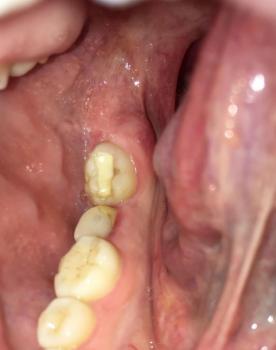
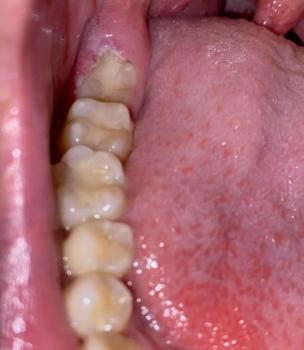
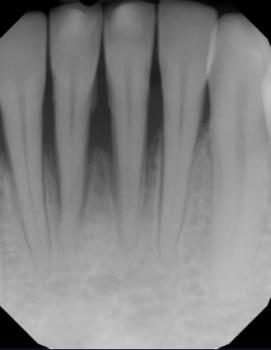
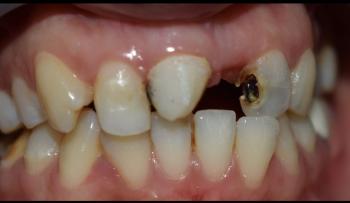
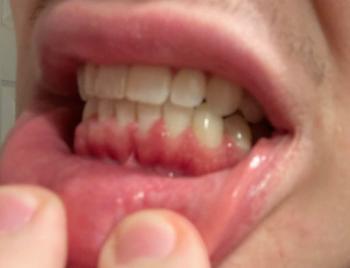
Patients with lower front gum inflammation may also experience tartar buildup, periodontal disease, gum abscesses, or tooth decay. Explore these related clinical case studies.
Other topics:
Other Dental Clinic