Your Smile, Our Passion.

Bad Breath and Cavities in the Philippines: When Oral Health Becomes a Community Problem
Chronic bad breath, medically known as halitosis, is often treated as a personal hygiene issue. But in some communities in the Philippines, persistent bad breath can also reflect broader social and economic conditions.
For people living in rural, remote, or underserved areas, maintaining good oral health may be more difficult when access to clean water, toothbrushes, toothpaste, dental services, transportation, and affordable treatment is limited.
This is important because oral health is not determined by individual habits alone. A person's ability to prevent and treat dental disease is also influenced by their living conditions, household income, education, access to healthcare, and the availability of local services.
When Bad Breath Occurs With a Cavity
Bad breath does not automatically mean that a person has a cavity. Halitosis can have many causes, including tongue coating, gum disease, dry mouth, certain foods, smoking, and other oral or medical conditions.
However, persistent bad breath together with a visibly damaged or painful tooth deserves attention.
A deep cavity can create spaces where food debris and bacteria accumulate. If decay progresses into the deeper structures of the tooth, infection can develop and produce an unpleasant taste or odor.
Understanding Cavity Severity
The appearance of a tooth and the type of symptoms you experience can provide clues, but they cannot reliably determine how deep a cavity is. A dental examination is needed for an accurate diagnosis.
Early Decay
You may notice:
-
A white or chalky area
-
A brown or dark stain
-
Little or no pain
-
Occasional sensitivity to cold or sweet foods
Early dental changes are worth checking because treatment may be simpler before significant tooth structure is lost.
Moderate Decay
As decay progresses into the dentin, you may experience:
-
A visible pit or hole
-
Increased sensitivity
-
Food repeatedly becoming trapped
-
Discomfort when eating
At this point, the tooth may require restorative treatment such as a filling.
Advanced Decay
More advanced disease may involve:
-
A large cavity
-
A broken or weakened tooth
-
Persistent or spontaneous pain
-
Throbbing pain
-
Pain that interferes with sleep
-
Swelling around the tooth
If infection reaches the pulp or spreads around the root, treatment may involve root canal treatment, extraction, or other procedures depending on the condition of the tooth.
Why Decaying Teeth Can Contribute to Bad Breath
Food and Debris Become Trapped
A damaged tooth can develop areas that are difficult to clean. Food particles and plaque may accumulate in these spaces.
Bacteria Produce Odor-Causing Compounds
Oral bacteria break down proteins and other organic material. Some bacteria produce volatile sulfur compounds, which are important contributors to unpleasant breath odor.
Gum Disease Can Add to the Problem
Cavities are not the only possible dental source of bad breath. Gingivitis and periodontitis can also produce persistent odor because of plaque, inflammation, bleeding, and bacteria around the gums.
This means that someone experiencing chronic bad breath may need an examination of both the teeth and gums, rather than simply using stronger mouthwash.
The Social Reality Behind Dental Problems
It is easy to tell someone to "brush more" or "see a dentist."
The reality can be much more complicated.
A family living far from a dental clinic may have to spend money on transportation and take time away from work to attend an appointment. A household with limited income may prioritize food, housing, electricity, education, and other essential expenses before dental treatment.
In remote communities, even basic oral hygiene supplies may not always be equally accessible or affordable.
These circumstances can create a cycle:
Limited resources → delayed prevention → untreated decay → pain or infection → more expensive treatment → further financial pressure.
This should not be viewed simply as an individual failure to maintain hygiene. It is also an issue of healthcare access and social inequality.
Why Early Dental Care Matters
From a community-health perspective, prevention is particularly important.
A small dental problem can often be addressed before it becomes a major source of pain or infection. Once a tooth becomes severely damaged, treatment can become more complicated, time-consuming, and expensive.
For families already facing financial pressure, preventing progression can therefore have benefits beyond oral health—it can help reduce the disruption that serious dental problems can cause to work, school, family responsibilities, and household finances.
What Can You Do About Persistent Bad Breath?
If bad breath continues despite regular brushing and cleaning, consider:
-
Brushing twice daily with fluoride toothpaste
-
Cleaning between the teeth
-
Cleaning the tongue gently
-
Drinking enough water
-
Avoiding tobacco
-
Having persistent dental problems examined
-
Seeking professional care if there is tooth pain, swelling, or bleeding gums
Mouthwash may temporarily reduce odor, but it does not repair a cavity or eliminate an underlying dental infection.
When to Seek Urgent Care
Do not ignore bad breath when it occurs together with signs of a serious dental infection.
Seek prompt dental care if you have:
-
Facial or jaw swelling
-
Severe or worsening tooth pain
-
Fever
-
Pus or a persistent bad taste
-
Difficulty opening your mouth
-
Difficulty swallowing or breathing
Difficulty breathing or swallowing, particularly with significant facial or neck swelling, can be a medical emergency.
A Community Health Perspective
Bad breath may appear to be a small personal problem, but persistent oral disease can reveal something much larger.
For many Filipino communities, improving oral health requires more than telling people to brush their teeth. It also means improving access to affordable dental services, preventive education, clean water, oral hygiene supplies, and early treatment.
Good oral health should not depend entirely on where a person lives or how much money their family has.
When communities can access preventive dental care early, fewer people have to wait until pain, infection, or severe tooth damage forces them to seek help.
Related Clinical Cases
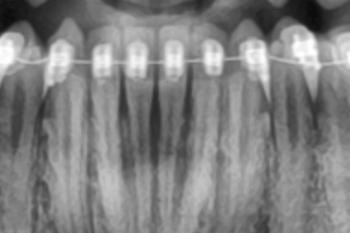
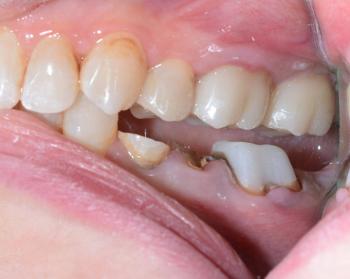
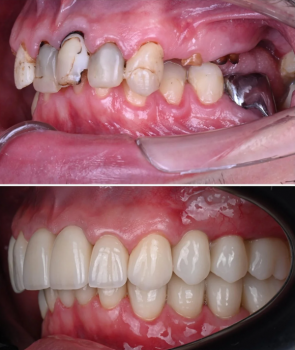
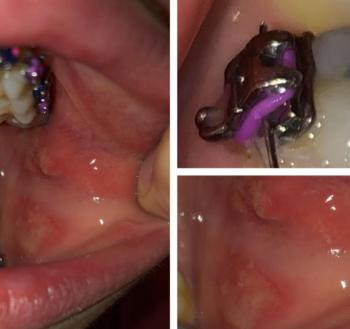
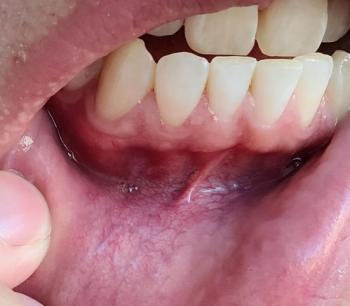
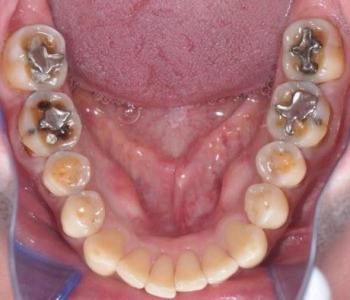
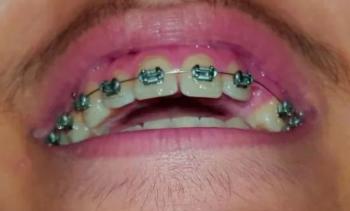
Patients with lower front gum inflammation may also experience tartar buildup, periodontal disease, gum abscesses, or tooth decay. Explore these related clinical case studies.
Other topics:
Other Dental Clinic
 |
 |
 |
 |