Transforming Smiles, Restoring Confidence.

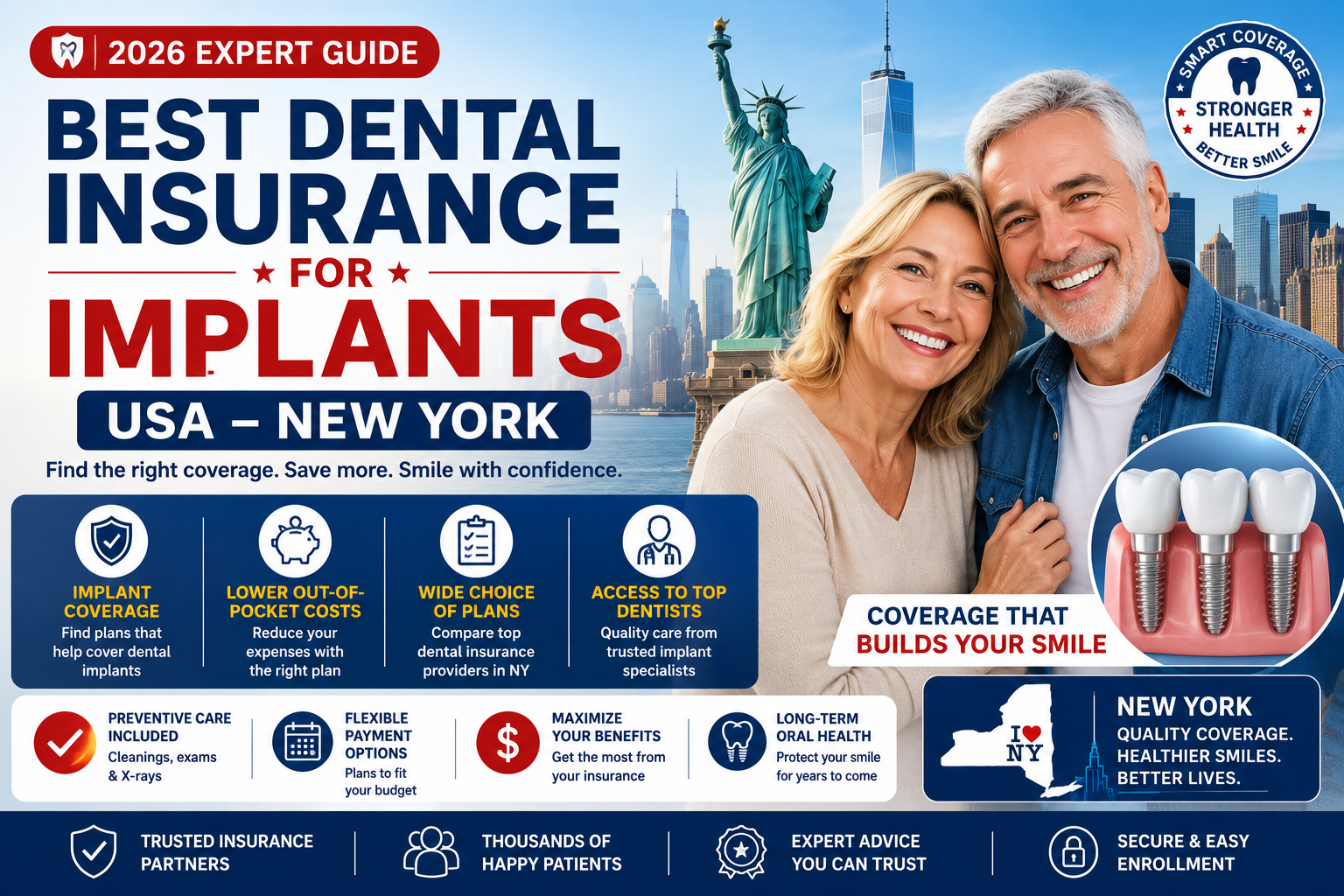
Best Dental Insurance for Implants USA New York (2026 Expert Guide)
Language :
Dental implants have become one of the most popular long-term tooth replacement solutions in the United States. Across New York City a biggest City that never sleeps and the surrounding New York region, more patients are choosing implants because they provide stronger chewing ability, improved confidence, and a more natural feel compared to removable dentures or traditional bridges.
However, one of the biggest concerns for patients remains the cost of treatment.
Dental implants in New York can be expensive because of:
- High specialist fees
- Advanced technology latest are found
- Premium laboratory costs
- High office operating expenses
As a result, many patients ask:
“What is the best dental insurance for implants in New York?”
The answer depends on several factors including:
- Implant coverage limits
- Waiting periods
- Annual maximums
- Monthly premiums
- Network restrictions
- Financing compatibility
This complete expert guide explains:
- How implant insurance works
- Best insurance types for implants
- New York implant coverage realities
- What insurance usually covers
- What insurance usually excludes
- Financing alternatives
- Practical advice from implant professionals
This article is written in beginner-friendly language while remaining detailed enough for patients seriously researching implant treatment in New York and across the USA.
What Are Dental Implants?
Dental implants are artificial tooth roots usually made from titanium or titanium alloys. They are surgically placed into the jawbone to support replacement teeth.
Implants can replace:
- One missing tooth
- Multiple teeth
- Full dental arches
Dental implants may support:
- Crowns
- Bridges
- Implant-supported dentures
- All-on-4 systems
- Full mouth restorations
Unlike removable dentures, implants are designed to remain fixed and stable.
Why Dental Implants Are Expensive in New York
Dental implant costs in New York City are often higher than many other US states.
Several factors contribute to higher pricing.
High Operating Costs
Dental offices in NYC face:
- High rent
- Expensive commercial space
- Higher salaries
- Increased insurance costs
These expenses influence treatment pricing.
Advanced Technology
Many New York implant clinics use:
- CBCT imaging
- Digital smile design
- Guided surgery
- Intraoral scanning
- Same-day implant systems
Advanced technology improves precision but increases cost.
Specialist Expertise
Complex implant cases may involve:
- Oral surgeons
- Prosthodontists
- Periodontists
- Sedation specialists
Specialist coordination improves outcomes but also affects pricing.
Average Dental Implant Costs in New York
Single Tooth Implant
Typical cost:
- $4,000–$7,000
This may include:
- Implant
- Abutment
- Crown
Multiple Dental Implants
Patients replacing several teeth may spend:
- $10,000–$30,000+
depending on complexity.
Full Mouth Implants
All-on-4 or full arch implant systems may cost:
- $25,000–$50,000 per arch
- $50,000–$100,000+ full mouth
Does Dental Insurance Cover Implants?
The Short Answer
Sometimes partially — but rarely fully.
Most dental insurance plans in the USA provide limited implant coverage.
Why Insurance Coverage Is Limited
Dental implants are often categorized as:
- Major procedures
- Restorative treatment
- Elective treatment
Insurance companies frequently limit coverage because implants are expensive.
What Insurance May Cover
Depending on the plan, insurance may partially pay for:
- Examinations
- X-rays
- Extractions
- Bone grafting
- Implant placement
- Crowns
- Dentures
What Insurance Often Does NOT Fully Cover
Many plans exclude or limit:
- Full mouth implants
- All-on-4 systems
- Zirconia upgrades
- Cosmetic procedures
- Sedation
Understanding Dental Insurance Terms
Before choosing implant insurance, patients should understand several important terms.
Annual Maximum
This is the maximum amount the insurance company pays each year.
Many plans have annual maximums between:
- $1,000
- $2,000
- $3,000
This is often much lower than full implant costs.
Waiting Period
Some insurance plans require patients to wait:
- 6 months
- 12 months
- Sometimes longer
before major dental procedures become eligible.
Deductible
This is the amount patients pay before insurance benefits begin.
Coinsurance
After the deductible, insurance may pay:
- 50%
- 60%
- 80%
depending on the procedure category.
PPO vs HMO Dental Insurance
PPO Dental Plans
PPO plans usually offer:
- Larger dentist networks
- More flexibility
- Partial out-of-network coverage
These plans are often preferred for implants.
HMO Dental Plans
HMO plans may have:
- Lower monthly premiums
- Limited provider networks
- More treatment restrictions
Implant coverage may be more limited.
Best Types of Insurance for Dental Implants
Premium PPO Plans
Higher-tier PPO plans often provide:
- Better implant coverage
- Higher annual maximums
- Larger specialist networks
Employer Dental Plans
Some employer-sponsored plans provide stronger implant benefits than individual marketplace plans.
Supplemental Dental Insurance
Some patients purchase supplemental plans specifically to improve implant coverage.
Major Insurance Companies Offering Implant Coverage
Several large insurance providers may offer partial implant benefits depending on the specific plan.
Delta Dental
Delta Dental is one of the largest dental insurers in the USA.
Some plans include:
- Implant placement coverage
- Crowns
- Major restorative benefits
Coverage varies greatly by policy.
Cigna Dental
Cigna offers certain PPO plans with implant benefits.
Some plans may include:
- Implant support
- Specialist access
- Preventive care coverage
Aetna Dental
Aetna offers some plans that include implant-related benefits depending on network and coverage level.
Guardian Dental
Guardian Life offers dental PPO plans that may partially cover implant procedures.
MetLife Dental
MetLife dental plans sometimes include:
- Implant benefits
- Crown replacement
- Major restorative coverage
Humana Dental
Humana provides certain dental plans with implant options depending on state availability.
Comparison of Implant Insurance Features
| Insurance Type | Advantages | Possible Drawbacks |
|---|---|---|
| PPO Plans | Flexible providers | Higher premiums |
| HMO Plans | Lower cost | Limited networks |
| Employer Plans | Better benefits | Employer dependent |
| Supplemental Plans | Additional coverage | Extra monthly cost |
Why Many Patients Still Need Financing
Even with insurance, patients often face large out-of-pocket expenses.
Why?
Because:
- Annual maximums are limited
- Full implant costs are high
- Some procedures are excluded
As a result, many New York patients combine:
- Insurance
- Financing
- Savings
- Payment plans
Financing Options for Dental Implants
CareCredit
CareCredit is widely accepted by implant clinics.
Patients may finance:
- Surgery
- Crowns
- Full mouth implants
Personal Loans
Some patients use:
- Bank loans
- Credit union loans
- Medical financing loans
to spread costs over time.
In-House Dental Financing
Some New York clinics offer:
- Monthly payment plans
- Flexible installments
- Internal financing programs
Health Savings Accounts (HSA)
Patients may use HSA funds for qualifying dental procedures using pre-tax money.
Flexible Spending Accounts (FSA)
FSA accounts may also help reduce implant treatment expenses.
How to Choose the Best Implant Insurance Plan
Review Implant Coverage Carefully
Not all plans define implant benefits the same way.
Patients should confirm:
- Implant inclusion
- Crown coverage
- Bone graft benefits
- Specialist restrictions
Ask About Waiting Periods
Some plans delay major treatment eligibility.
Immediate treatment needs may require financing instead.
Verify Network Dentists
Check whether your implant dentist accepts the plan.
Out-of-network treatment may increase costs significantly.
Compare Annual Maximums
Higher annual maximums may provide better long-term value for implant patients.
Common Insurance Limitations Patients Should Understand
Missing Tooth Clauses
Some policies exclude teeth missing before coverage began.
Frequency Limitations
Certain plans limit:
- Crown replacement frequency
- Implant replacement intervals
Cosmetic Exclusions
Insurance companies may classify some implant procedures as cosmetic rather than medically necessary.
Practical Advice From Implant Experts
Do Not Choose Insurance Based Only on Premium Cost
Lower monthly premiums often mean:
- Lower coverage
- Smaller annual maximums
- More restrictions
Read Policy Details Carefully
Always review:
- Waiting periods
- Implant exclusions
- Benefit percentages
- Network rules
Combine Insurance With Financing
Many successful implant patients combine:
- Insurance benefits
- Financing plans
- Savings accounts
to reduce financial pressure.
The Importance of Choosing the Right Implant Dentist
Insurance matters, but treatment quality matters even more.
Experience Is Critical
Patients should evaluate:
- Implant training
- Before-and-after photos
- Clinical experience
- Online reviews
Cheap Implants Can Become Expensive Later
Poor implant work may lead to:
- Implant failure
- Bone loss
- Bite problems
- Additional surgery
Choosing based only on low pricing may increase long-term costs.
All-on-4 and Full Mouth Implant Insurance Challenges
Why Full Mouth Cases Are Difficult to Cover
Full mouth reconstruction often exceeds:
- Annual insurance maximums
- Standard restorative limits
As a result, patients frequently pay significant out-of-pocket costs.
Zirconia vs Acrylic Implant Teeth
Acrylic Teeth
Advantages:
- Lower cost
- Easier repairs
Disadvantages:
- Faster wear
- More maintenance
Zirconia Teeth
Advantages:
- Stronger material
- Better esthetics
- Longer lifespan
Disadvantages:
- Higher upfront expense
Insurance may not fully cover zirconia upgrades.
Questions to Ask Your Insurance Provider
Important Questions
- Are implants covered?
- Is bone grafting included?
- What is the annual maximum?
- Are waiting periods required?
- Are specialists covered?
- Is zirconia covered?
- Is sedation covered?
Questions to Ask Your Implant Dentist
Important Consultation Questions
- Does your office accept my insurance?
- Can your team verify benefits?
- Do you offer financing?
- What procedures are included in the estimate?
- Are there hidden costs?
Common Mistakes Patients Make
Assuming Insurance Covers Everything
Most implant cases still require significant patient payment.
Ignoring Waiting Periods
Patients sometimes purchase plans expecting immediate coverage.
Major procedures often require waiting periods.
Choosing Based Only on Advertising
Aggressive implant marketing may emphasize low prices while excluding important procedures.
Delaying Necessary Treatment
Waiting too long may worsen:
- Bone loss
- Gum disease
- Treatment complexity
Early evaluation is often beneficial.
Recovery After Dental Implant Surgery
Initial Recovery
Patients may experience:
- Swelling
- Mild discomfort
- Bruising
- Temporary dietary restrictions
during early healing.
Osseointegration
Implants typically require:
- 3–6 months
to integrate with the jawbone.
Long-Term Implant Maintenance
Implants still require:
- Brushing
- Flossing
- Professional cleanings
- Routine evaluations
Good oral hygiene supports implant longevity.
Future Trends in Implant Insurance
As implant demand grows in the United States, future insurance trends may include:
- Higher annual maximums
- Expanded implant coverage
- Digital insurance approvals
- AI-assisted claims processing
However, implant coverage remains limited today compared to overall treatment costs.
Frequently Asked Questions (FAQs)
What is the best dental insurance for implants in New York?
The best plan depends on:
- Implant coverage
- Annual maximum
- Network access
- Waiting periods
- Monthly premium
Premium PPO plans are often preferred.
Does insurance fully pay for dental implants?
Usually not. Most plans provide partial coverage only.
Are All-on-4 implants covered by insurance?
Some plans may partially cover portions of treatment, but full coverage is uncommon.
Is CareCredit good for implant financing?
Many New York implant offices accept CareCredit for financing treatment costs.
Can I use HSA money for implants?
Yes. Many implant procedures qualify for HSA spending.
Why are implants expensive in New York?
Costs are influenced by:
- High office expenses
- Specialist fees
- Advanced technology
- Premium laboratory work
Conclusion: Understanding the Best Dental Insurance for Implants in New York
Dental implants have become one of the most effective long-term solutions for missing teeth in New York City and across the United States. Patients choose implants because they offer stronger chewing ability, improved comfort, better appearance, and long-term jawbone support compared to traditional dentures.
However, implant treatment remains expensive, especially in New York’s premium dental market.
Although dental insurance can help reduce some costs, most plans provide only partial implant coverage due to:
- Annual maximum limitations
- Waiting periods
- Coverage exclusions
As a result, many patients combine:
- Dental insurance
- Financing plans
- HSA/FSA accounts
- Personal savings
to manage treatment expenses.
The best implant insurance strategy depends on:
- Individual treatment needs
- Financial goals
- Preferred dentist
- Long-term oral health priorities
Most importantly, patients should focus not only on insurance coverage but also on choosing experienced implant professionals who provide:
- Proper diagnosis
- High-quality materials
- Transparent treatment planning
- Long-term maintenance support
When carefully planned, dental implants can become one of the most valuable investments in both oral health and overall quality of life.
Can tooth extraction cause infection? Mild inflammation is normal, but increasing swelling, fever, or severe pain may indicate infection. Learn more about post-extraction infection warning signs in this detailed guide.
Book a consultation with our Cebu dental specialists for proper evaluation and care.
Ready to get expert guidance?
If you’re experiencing severe pain or delayed healing, book a consultation with our Cebu dental specialists to get proper evaluation and care.
Consultation or contact page .
Book a Consultation
For severe discomfort or delayed healing, book a consultation with our Cebu dental specialists today.
Looking for a dentist? Browse our Cebu dental directory to find trusted clinics near you.
Medical Review and Clinical Basis
This article is based on clinical dental guidelines and real patient recovery patterns observed after tooth extraction procedures. The information reflects common post-extraction healing stages, including normal clot formation, gum tissue repair, and signs of possible complications such as dry socket or infection.
While mild discomfort is expected after a dental extraction, worsening pain after Day 3, bad odor, exposed bone, or spreading pain may require professional evaluation. These symptoms are consistent with known post-extraction complications described in standard dental practice.
About Cebu Dental Implants
Cebu Dental Implants provides comprehensive tooth extraction, surgical procedures, and dental implant services in the Philippines. Our team evaluates post-extraction healing, manages complications such as dry socket, and advises patients on proper aftercare to prevent infection and delayed healing.
If you experience severe pain or unusual symptoms after extraction, early professional assessment is recommended to prevent further complications.
Important Medical Disclaimer
This content is for educational purposes only and does not replace professional dental diagnosis. Every patient heals differently. If symptoms worsen or do not improve within a few days, consult a licensed dentist for proper evaluation and treatment.
Author
This article was prepared by the Cebu Dental Implants content team in consultation with licensed dental professionals experienced in tooth extraction and implant procedures.
Related Clinical Cases
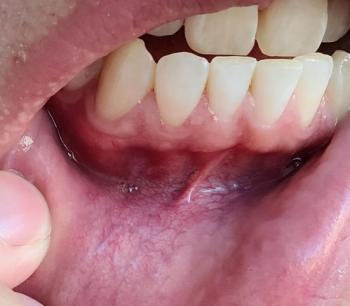
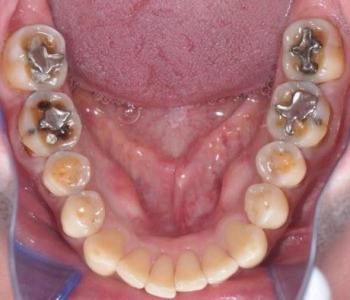
Patients with lower front gum inflammation may also experience tartar buildup, periodontal disease, gum abscesses, or tooth decay. Explore these related clinical case studies.

Other topics:
Other Dental Clinic