Modern Dentistry, Timeless Smiles.

Can a Cavity Heal Naturally? Dental Advice for Filipino Families
For families in the Philippines, the cost of dental treatment can be a serious concern. When money is limited, it is understandable that people may look for home remedies or natural ways to make a cavity disappear.
As a dental professional, however, I want to make one distinction very clear:
Very early enamel demineralization can sometimes be stopped or reversed, but an established cavity that has created a hole in the tooth cannot naturally grow back.
Once tooth structure has been physically lost, the body cannot regenerate the missing enamel or dentin. A dentist may need to restore the tooth with a filling or another appropriate treatment.
Can Early Tooth Damage Be Reversed?
Not every white spot on a tooth is a cavity.
In the earliest stage, acids produced by bacteria can remove minerals from enamel. If the enamel has not developed a physical hole, improving oral hygiene, using fluoride, and reducing frequent sugar exposure can help the tooth remineralize and become stronger.
This is different from an established cavity.
Early Demineralization
Possible signs include:
-
White or chalky areas
-
No visible hole
-
Little or no pain
-
Early mineral loss from enamel
A dentist can determine whether the area may be managed with preventive treatment.
Established Cavity
Once decay has created:
-
A physical hole
-
A deep pit
-
Significant loss of enamel
-
Damaged tooth structure
the missing structure cannot simply grow back.
Professional treatment may be necessary.
Why Filipino Families Should Be Careful With "Natural Cures"
When dental treatment is expensive, it can be tempting to try oil pulling, herbal preparations, salt, or other home remedies instead of seeing a dentist.
Some home practices may help with general oral hygiene or temporary comfort, but they cannot rebuild a tooth that has already developed a cavity.
The bigger concern is delay.
A small problem today may become a much more complicated problem later. Deeper decay can eventually affect the pulp, cause infection, or weaken the tooth enough to require more extensive treatment.
From both a dental and household-income perspective, early prevention is usually a better strategy than waiting for severe pain.
Low-Cost Habits That Help Prevent Cavities
Good dental prevention does not have to be complicated.
1. Brush Twice a Day With Fluoride Toothpaste
Brush your teeth twice a day using fluoride toothpaste.
Fluoride helps strengthen enamel and supports remineralization of early mineral loss.
2. Clean Between Your Teeth
Brushing cannot effectively clean every surface between the teeth.
Use dental floss or an interdental cleaner to remove plaque and food debris from these areas.
3. Reduce Frequent Sugar Exposure
It is not only the amount of sugar that matters. How frequently your teeth are exposed to sugar also matters.
Regularly sipping soft drinks, sweetened coffee, milk tea, or other sugary beverages throughout the day gives oral bacteria repeated opportunities to produce acids.
When possible, choose water between meals and limit frequent sugary snacks and drinks.
4. Drink Water
Water helps wash away food particles and supports normal saliva function.
For people who cannot brush immediately after eating, rinsing the mouth with plain water can be a simple additional habit.
5. Sugar-Free Gum Can Help
Chewing sugar-free gum can stimulate saliva production. Saliva helps neutralize acids and provides minerals that support the teeth.
If available, sugar-free gum containing xylitol may be an option, although it should be considered an additional preventive measure—not a treatment for an existing cavity.
6. Look for Affordable Dental Services
Families with limited income should not assume that private dental treatment is their only option.
Depending on location and availability, lower-cost services may be available through:
-
Public health centers
-
Rural Health Units (RHUs)
-
Local government health programs
-
Dental schools
-
Community dental programs
-
Dental outreach or mission programs
Availability and eligibility vary, so it is worth asking your local health office what services are currently offered.
Prevention Is Also a Household Financial Strategy
Dental health and household income are closely connected.
When a family is already managing food, housing, transportation, education, and other expenses, a major dental bill can create additional financial stress.
This is why prevention matters.
A toothbrush, fluoride toothpaste, regular cleaning between the teeth, and reducing frequent sugar exposure are relatively simple steps that can help reduce the risk of more serious dental problems.
However, prevention should not be presented as a guarantee that someone will never need dental treatment. Cavities can still occur even when a person practices good oral hygiene.
When Should You See a Dentist?
Do not wait until the pain becomes unbearable.
Consider a dental examination if you notice:
-
A visible hole or pit
-
A persistent dark area on a tooth
-
Increasing sensitivity
-
Pain when chewing
-
Persistent toothache
-
Swelling around a tooth
-
A broken or severely damaged tooth
If there is facial swelling, fever, difficulty swallowing, or difficulty breathing, seek urgent professional care.
A Message to Filipino Families
As a dental professional, I understand that not every family can immediately afford private dental treatment.
The answer is not to feel ashamed or to rely on unverified cures. The better approach is to focus on what can realistically be done: prevent new decay, identify problems early, and explore affordable sources of professional dental care.
An established cavity cannot heal itself, but early action can help prevent a small dental problem from becoming a much bigger burden on your health and your family's budget.
Related Clinical Cases
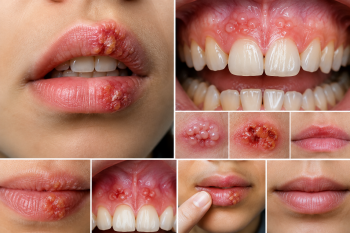
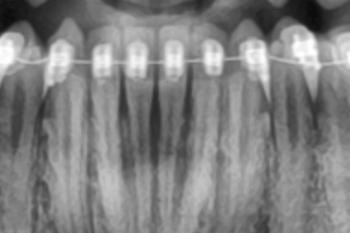
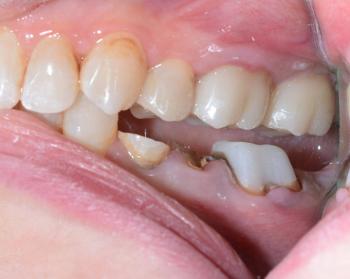
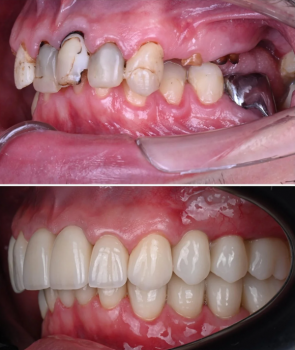
Patients with lower front gum inflammation may also experience tartar buildup, periodontal disease, gum abscesses, or tooth decay. Explore these related clinical case studies.


Other topics:
Other Dental Clinic