Missing Teeth? Find Your Smile Again.

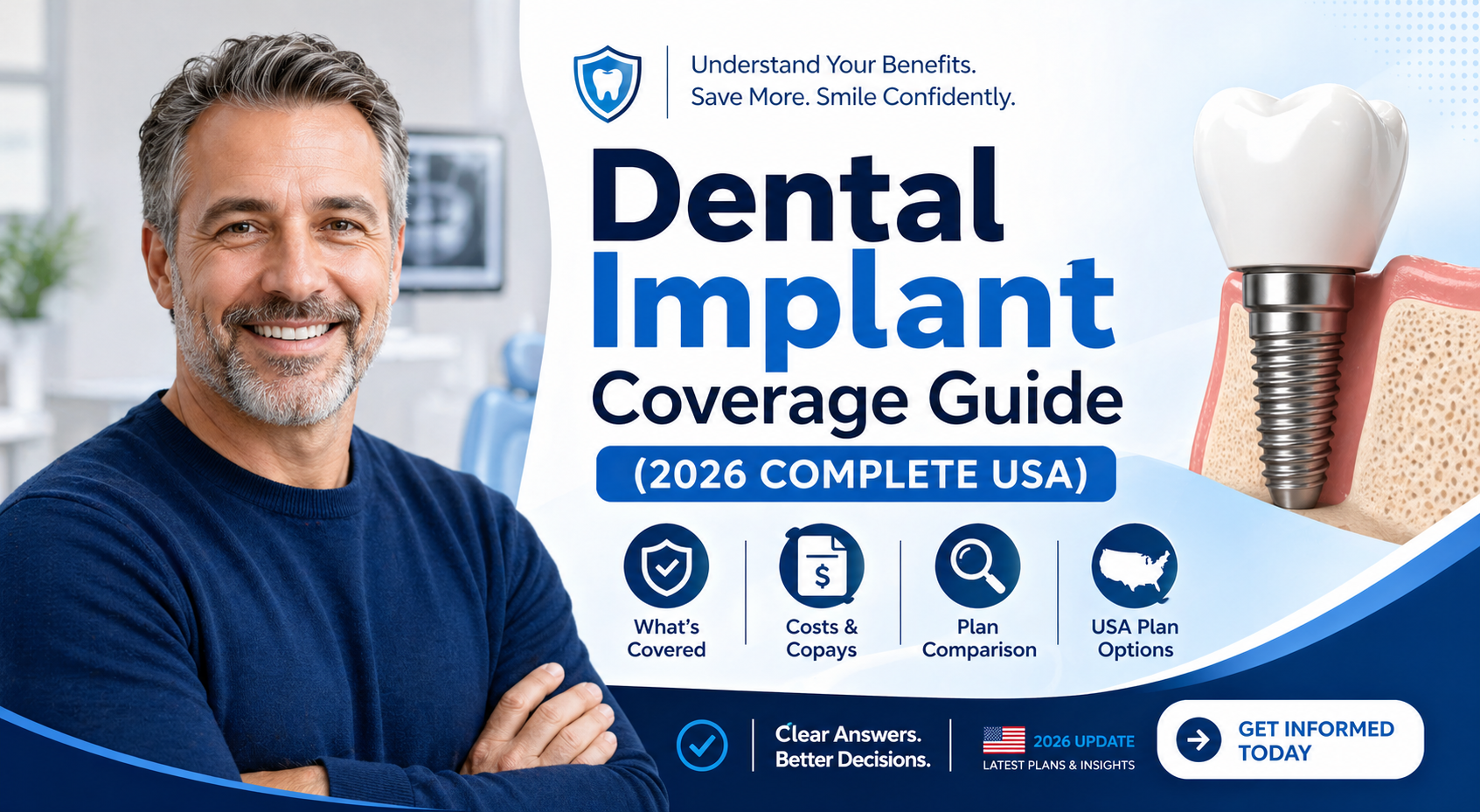
Medicaid Dental Implant Coverage Guide (2026 Complete USA Overview)
Language :
If you are relying on Medicaid and considering dental implants, the most important question is simple: will Medicaid cover the cost?
The answer is not straightforward. Unlike private insurance, Medicaid dental coverage varies significantly by state, eligibility category, and medical necessity.
As an insurance-focused dental advisor, this guide explains how Medicaid works for dental implants, where coverage may apply, and how patients successfully reduce treatment costs using strategic planning.
Does Medicaid Cover Dental Implants?
The Short Answer
Medicaid generally does not cover dental implants for adults. However, there are exceptions depending on:
- State-specific Medicaid policiess
- Medical necessity requirements
- Patient eligibility category
Why Coverage Is Limited
Medicaid is a state-administered program funded jointly by federal and state governments. Each state determines its own dental benefits.
Dental implants are often classified as:
- Elective procedures
- High-cost treatments
- Non-essential services
Because of this, most states prioritize basic dental care such as:
- Tooth extractions
- Fillings
- Emergency dental treatment
State-by-State Differences in Coverage
Medicaid dental benefits vary widely across the United States.
States with Limited Adult Dental Coverage
Many states only provide emergency services, which may include:
- Pain relief
- Infection control
- Tooth removal
Implants are typically not included.
States with Expanded Dental Benefits
Some states offer broader dental coverage, which may include:
- Preventive care
- Restorative treatments
- In rare cases, implant-related procedures
Even in these states, implants usually require proof of medical necessity.
Pediatric Coverage (Under 21)
Under federal law, Medicaid must provide dental coverage for children through the Early and Periodic Screening, Diagnostic and Treatment (EPSDT) program.
This may include:
- Medically necessary dental procedures
- Restorative treatments
In rare cases, implants may be considered if they are essential for function or development.
When Medicaid May Cover Implants
Although uncommon, there are situations where Medicaid may approve implant-related procedures.
Medical Necessity Cases
Coverage may be considered when implants are required due to:
- Severe facial trauma
- Congenital conditions
- Oral cancer or tumor removal
- Significant bone loss affecting function
Documentation must clearly demonstrate that implants are not cosmetic but medically necessary.
Hospital-Based Procedures
If dental treatment is performed as part of a hospital-based medical procedure, Medicaid may cover:
- Hospital fees
- Anesthesia
- Related medical services
However, implant hardware itself is often excluded.
Cost of Dental Implants Without Medicaid
Understanding the financial reality helps patients plan effectively.
Average Costs in the USA
- Single implant: $3,000 to $6,000
- Full mouth implants: $20,000 to $50,000 or more
These costs include surgical placement, prosthetic components, and diagnostic procedures.
Alternatives When Medicaid Does Not Cover Implants
Most patients combine multiple strategies to reduce costs.
Supplemental Dental Insurance
Private dental insurance may provide partial implant coverage after waiting periods.
Dental Schools
University dental programs offer reduced-cost procedures performed under supervision.
Payment Plans and Financing
Many dental clinics provide structured payment options to make treatment more manageable.
Dental Tourism
Traveling abroad is a growing option for patients seeking affordable care.
Countries such as the Philippines offer:
- Lower treatment costs
- Modern dental facilities
- Experienced implant specialists
Patients can save up to 70 percent compared to US pricing.
Expert Strategy to Maximize Coverage
As an insurance advisor, I recommend the following approach.
Verify State Medicaid Benefits
Always confirm what your specific state covers, as policies differ significantly.
Request Pre-Authorization
Submit a detailed treatment plan and medical justification before proceeding.
Combine Coverage Sources
Use Medicaid together with:
- Supplemental dental insurance
- Discount dental plans
Consider Phased Treatment
Spreading procedures over time may help align with available benefits and financial resources.
Short Story: A Successful Medicaid Case
Angela, a 34-year-old patient from California, suffered severe tooth loss due to a medical condition affecting bone density.
Initially, she was told that Medicaid would not cover dental implants. Her estimated treatment cost was $18,000, which she could not afford.
After consulting with an insurance specialist, a new approach was taken:
- Her condition was documented as medically necessary
- A detailed treatment plan was submitted for approval
- Hospital-based surgical justification was included
- Supplemental financing options were arranged
Outcome:
- Medicaid approved part of the surgical procedure
- Additional costs were reduced through coordinated care
- Angela completed treatment at a significantly lower cost
Her case highlights the importance of proper documentation and persistence when dealing with Medicaid.
Risks and Limitations
Patients should understand potential challenges before starting treatmente.
Limited Coverage Scope
Most Medicaid programs exclude implants entirely unless strict criteria are met.
Administrative Complexity
Approval requires detailed documentation and may involve multiple reviews.
Provider Availability
Not all dental providers accept Medicaid, especially for complex procedures like implants.
Frequently Asked Questions
Does Medicaid cover dental implants for adults?
In most cases, no. Coverage is limited and depends on medical necessity and state policies.
Which states offer implant coverage under Medicaid?
Very few states provide implant coverage, and only under specific medical conditions.
Can children receive implants through Medicaid?
Possibly, under EPSDT guidelines, if the procedure is medically necessary.
How can I increase approval chancez?
Submit detailed medical documentation and obtain pre-authorization before treatment.
Is dental tourism a safe option?
Yes, if patients choose accredited clinics with experienced professionals and proper treatment planning.
Related Topics
Medicare Dental Implant Coverage USA
Understand how Medicare differs from Medicaid in dental implant coverage.
Dental Implants Cost USA vs Philippines
Compare costs and explore why many patients seek treatment abroad.
Does Dental Insurance Cover Implants in Florida
Learn about state-specific insurance coverage and limitations.
Final Thoughts
Medicaid dental implant coverage is limited, but not impossible in certain cases. The key is understanding your state’s policy, documenting medical necessity, and exploring all available financial strategies.
Patients who take a proactive and informed approach are more likely to access affordable care and complete treatment successfully.
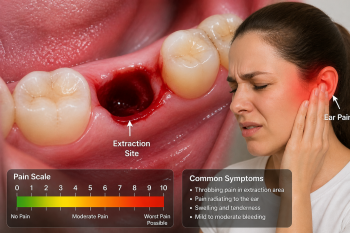
Can tooth extraction cause infection? Mild inflammation is normal, but increasing swelling, fever, or severe pain may indicate infection. Learn more about post-extraction infection warning signs in this detailed guide.
Book a consultation with our Cebu dental specialists for proper evaluation and care.
Ready to get expert guidance?
If you’re experiencing severe pain or delayed healing, book a consultation with our Cebu dental specialists to get proper evaluation and care.
Consultation or contact page .
Book a Consultation
For severe discomfort or delayed healing, book a consultation with our Cebu dental specialists today.
Looking for a dentist? Browse our Cebu dental directory to find trusted clinics near you.
Medical Review and Clinical Basis
This article is based on clinical dental guidelines and real patient recovery patterns observed after tooth extraction procedures. The information reflects common post-extraction healing stages, including normal clot formation, gum tissue repair, and signs of possible complications such as dry socket or infection.
While mild discomfort is expected after a dental extraction, worsening pain after Day 3, bad odor, exposed bone, or spreading pain may require professional evaluation. These symptoms are consistent with known post-extraction complications described in standard dental practice.
About Cebu Dental Implants
Cebu Dental Implants provides comprehensive tooth extraction, surgical procedures, and dental implant services in the Philippines. Our team evaluates post-extraction healing, manages complications such as dry socket, and advises patients on proper aftercare to prevent infection and delayed healing.
If you experience severe pain or unusual symptoms after extraction, early professional assessment is recommended to prevent further complications.
Important Medical Disclaimer
This content is for educational purposes only and does not replace professional dental diagnosis. Every patient heals differently. If symptoms worsen or do not improve within a few days, consult a licensed dentist for proper evaluation and treatment.
Author
This article was prepared by the Cebu Dental Implants content team in consultation with licensed dental professionals experienced in tooth extraction and implant procedures.
Related Clinical Cases
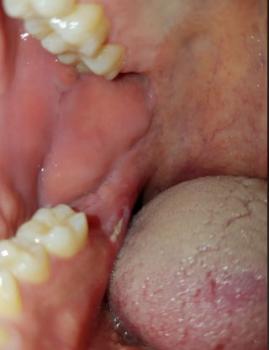
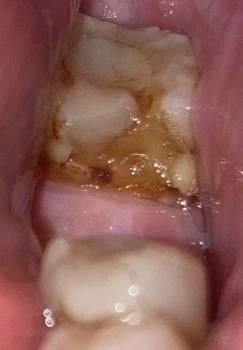
Patients with lower front gum inflammation may also experience tartar buildup, periodontal disease, gum abscesses, or tooth decay. Explore these related clinical case studies.

Other topics:
Other Dental Clinic