Your Smile, Perfected with Precision.

Clinical Dental Examination Hub
image hero:
A Comprehensive Guide to Dental Clinical Assessment, Diagnosis, Treatment Planning, and Patient Safety
By a USA Dental Expert
Every successful dental treatment begins with a comprehensive clinical examination. Whether diagnosing tooth decay, periodontal disease, oral cancer, jaw disorders, or planning complex restorative procedures, the clinical examination provides the foundation for safe, evidence-based care.
In the United States, clinical examination skills are emphasized throughout dental school and evaluated during national competency examinations, including the Integrated National Board Dental Examination (INBDE) and regional clinical licensure pathways. A thorough examination enables dentists to identify disease early, prioritize treatment, minimize complications, and deliver personalized patient care.
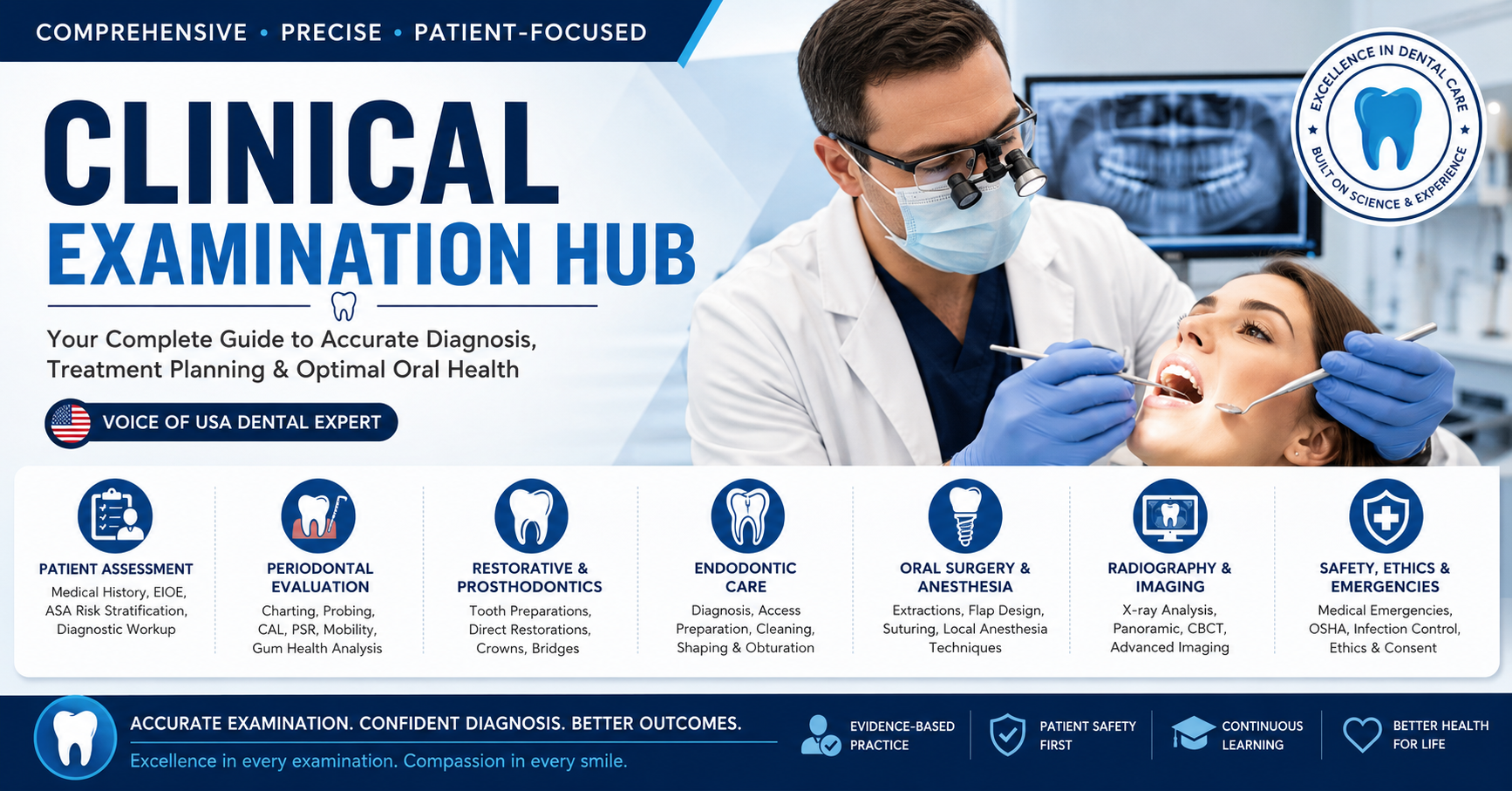
This Clinical Dental Examination Hub serves as a central educational resource covering the major components of comprehensive dental assessment, diagnostic protocols, restorative evaluation, periodontal examination, endodontic diagnosis, oral surgery assessment, radiographic interpretation, and medical emergency preparedness.
Clinical Examination Categories
Patient Assessment & Diagnostic Workup
A complete patient evaluation extends beyond the teeth. Systemic health, medications, oral tissues, periodontal status, and patient expectations all influence diagnosis and treatment planning.
Extraoral & Intraoral Examination (EIOE)
Perform a systematic examination of:
- Facial symmetry
- Skin abnormalities
- TMJ function
- Cervical lymph nodes
- Salivary glands
- Lips
- Buccal mucosa
- Tongue
- Floor of mouth
- Hard palate
- Soft palate
- Oropharynx
- Gingiva
- Oral mucosa
Topics
- Oral cancer screening
- Head and neck examination
- TMJ evaluation
- Lymph node assessment
- Salivary gland disorders
- Oral lesion recognition
- Soft tissue pathology
- Clinical photography
Medical History & ASA Risk Stratification
Every dental appointment begins with reviewing the patient's medical history.
Assessment includes:
- Cardiovascular disease
- Diabetes
- Respiratory disorders
- Bleeding disorders
- Pregnancy
- Immunocompromised conditions
- Medication review
- Drug allergies
- Previous anesthesia complications
Learn about
- ASA Physical Status Classification
- Antibiotic prophylaxis
- Anticoagulant management
- Blood pressure evaluation
- Medical consultation guidelines
- Dental treatment modifications
Comprehensive Periodontal Examination
Healthy gums support healthy teeth.
A complete periodontal examination includes:
- Probing depth
- Clinical attachment loss (CAL)
- Gingival recession
- Bleeding on probing
- Furcation involvement
- Tooth mobility
- Plaque index
- Calculus detection
- Periodontal Screening and Recording (PSR)
Related Topics
- Gingivitis
- Periodontitis staging
- Periodontitis grading
- Bone loss assessment
- Furcation classification
- Periodontal chart interpretation
- Maintenance protocols
Treatment Planning & Case Presentation
Comprehensive dentistry requires structured treatment sequencing.
Typical phases include:
Phase I
Urgent care
- Pain management
- Infection control
- Emergency treatment
Phase II
Disease control
- Fillings
- Periodontal therapy
- Caries control
- Oral hygiene education
Phase III
Re-evaluation
- Healing assessment
- Periodontal reassessment
- Diagnostic updates
Phase IV
Definitive treatment
- Crowns
- Bridges
- Root canals
- Dental implants
- Orthodontics
Phase V
Maintenance
- Recall examinations
- Professional cleanings
- Radiographic monitoring
- Preventive care
Restorative Dentistry
Tooth Preparation
Proper cavity preparation preserves healthy tooth structure while ensuring long-term restoration success.
Topics include:
- Class I preparations
- Class II preparations
- Class III preparations
- Class IV preparations
- Class V preparations
- Minimal intervention dentistry
- Caries excavation
- Margin design
- Pulp protection
Direct Restorative Dentistry
Modern adhesive dentistry focuses on conservative treatment.
Learn about:
- Rubber dam isolation
- Matrix systems
- Wedges
- Adhesive bonding
- Etching techniques
- Composite layering
- Incremental placement
- Finishing
- Polishing
- Amalgam principles
Fixed Prosthodontics
Topics include:
- Crown preparation
- Full coverage restorations
- Zirconia crowns
- Lithium disilicate crowns
- PFM crowns
- Margin selection
- Occlusal reduction
- Provisional crowns
- Final impressions
- Cementation
Endodontic Diagnosis & Treatment
Accurate diagnosis prevents unnecessary root canal treatment.
Diagnostic Testing
Evaluation methods include:
- Cold testing
- Electric pulp testing
- Heat testing
- Percussion
- Palpation
- Bite testing
- Radiographic interpretation
Conditions
- Reversible pulpitis
- Irreversible pulpitis
- Pulp necrosis
- Symptomatic apical periodontitis
- Chronic apical abscess
- Vertical root fracture
Access Cavity Preparation
Topics include:
- Anterior access
- Premolar access
- Molar access
- Canal anatomy
- Canal location
- Magnification
- Endodontic microscopes
Cleaning, Shaping & Obturation
Learn about:
- Working length determination
- Apex locator
- Rotary instrumentation
- Irrigation protocols
- Sodium hypochlorite
- EDTA
- Calcium hydroxide
- Gutta-percha obturation
- Warm vertical compaction
- Sealer selection
Periodontal Therapy
Scaling & Root Planing
Non-surgical periodontal therapy remains the cornerstone of periodontal disease management.
Topics include:
- Ultrasonic scaling
- Gracey curettes
- Universal curettes
- Root debridement
- Instrument sharpening
- Biofilm removal
- Maintenance therapy
Local Anesthesia
Successful anesthesia improves patient comfort and procedural success.
Learn:
- Inferior alveolar nerve block
- Long buccal nerve block
- Mental nerve block
- Gow-Gates technique
- Vazirani-Akinosi technique
- Maxillary infiltration
- Greater palatine block
- Nasopalatine block
- Local anesthetic pharmacology
- Complication management
Oral Surgery
Tooth Extractions
Topics include:
- Simple extraction
- Surgical extraction
- Elevators
- Forceps selection
- Sectioning teeth
- Bone removal
- Flap design
- Socket preservation
- Suturing
- Post-operative care
Dental Radiography & Imaging
Intraoral Radiographic Interpretation
Radiographs complement the clinical examination.
Interpret:
- Interproximal caries
- Recurrent decay
- Periapical pathology
- Bone loss
- Calculus
- Root resorption
- Fractures
- Existing restorations
Panoramic Radiography
Evaluate:
- Impacted teeth
- Maxillary sinuses
- TMJ
- Mandibular canal
- Cysts
- Tumors
- Jaw fractures
- Missing teeth
CBCT Fundamentals
Applications include:
- Implant planning
- Endodontics
- Impacted teeth
- Airway evaluation
- Surgical planning
- Pathology assessment
- Guided surgery
Medical Emergencies in Dentistry
Dental teams must recognize and respond rapidly to emergencies.
Common emergencies include:
- Syncope
- Hypoglycemia
- Hyperglycemia
- Asthma attack
- Allergic reaction
- Anaphylaxis
- Angina
- Myocardial infarction
- Stroke
- Seizure
- Hyperventilation
- Local anesthetic systemic toxicity (LAST)
Topics include:
- Emergency drug kits
- Basic Life Support (BLS)
- AED use
- Oxygen administration
- Emergency protocols
Infection Prevention & Sterilization
Modern dental practice follows strict infection prevention standards.
Topics include:
- Standard precautions
- Transmission-based precautions
- Personal Protective Equipment (PPE)
- Instrument sterilization
- Biological monitoring
- Surface disinfection
- Hand hygiene
- Dental unit waterlines
- Sharps safety
- Exposure management
Ethics, Documentation & Legal Responsibilities
Professionalism is essential in every dental practice.
Topics include:
- Informed consent
- Treatment refusal
- HIPAA privacy
- Clinical documentation
- Risk management
- Professional ethics
- Patient autonomy
- Beneficence
- Non-maleficence
- Justice
- Cultural competency
Preventive Dentistry
Preventive care reduces the risk of future dental disease.
Topics include:
- Comprehensive oral examination
- Caries risk assessment
- Fluoride therapy
- Dental sealants
- Nutritional counseling
- Tobacco cessation
- Oral hygiene instruction
- Recall scheduling
- Preventive maintenance
Related Clinical Examination Hubs
- Dental Diagnosis Hub
- Dental X-Ray Diagnosis Hub
- Oral Cancer Screening Hub
- Periodontal Disease Hub
- Restorative Dentistry Hub
- Endodontics Hub
- Oral Surgery Hub
- Prosthodontics Hub
- Preventive Dentistry Hub
- Dental Emergencies Hub
- Infection Control Hub
- Local Anesthesia Hub
- Dental Ethics & Jurisprudence Hub
Why Comprehensive Clinical Examinations Matter
A comprehensive clinical examination is far more than a routine checkup—it is the cornerstone of safe, effective, and patient-centered dental care. By combining a detailed medical history, thorough head and neck examination, periodontal evaluation, restorative assessment, radiographic interpretation, and individualized treatment planning, dentists can detect disease earlier, reduce complications, and provide long-lasting outcomes.
Whether you are a dental student preparing for competency examinations, a practicing clinician refining diagnostic skills, or a patient seeking to better understand the examination process, this Clinical Dental Examination Hub offers evidence-based educational resources aligned with contemporary standards of care in the United States. Continual learning and systematic examination techniques remain essential for delivering high-quality dentistry and protecting the oral and overall health of every patient.
Related Clinical Cases
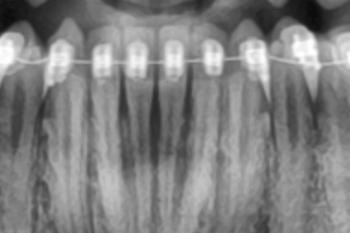
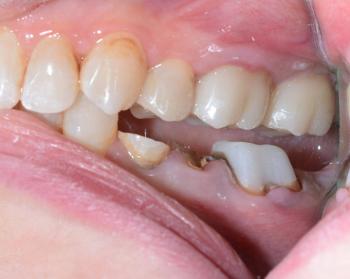
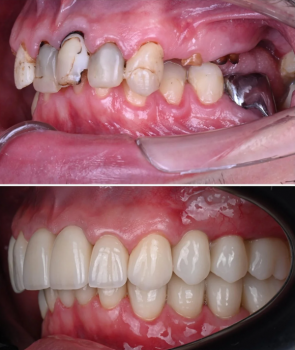
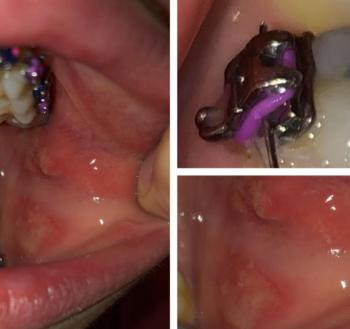
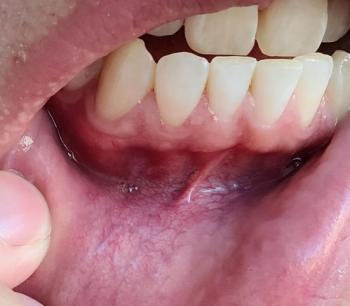
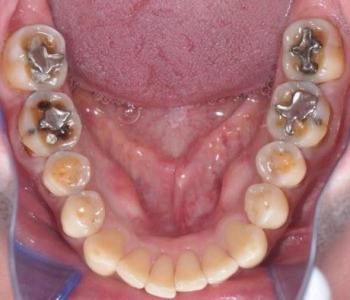
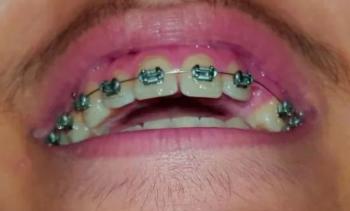
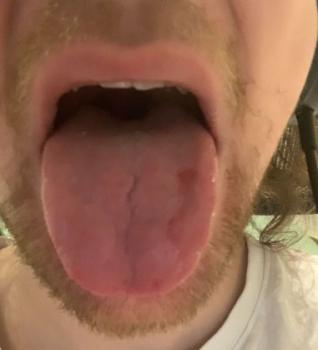
Patients with lower front gum inflammation may also experience tartar buildup, periodontal disease, gum abscesses, or tooth decay. Explore these related clinical case studies.
Other topics:
Other Dental Clinic