Healthy Teeth, Happy Life.

Dental Bone Grafting Cost in the Philippines
Dental bone grafting is an important additional cost to consider when planning for dental implants. If there is not enough bone to securely support an implant, a dentist may recommend bone grafting or another bone-augmentation procedure before implant placement.
A clinic's advertised implant price, such as “₱50,000 per implant,” may not include these preparatory procedures. Asking for an itemized treatment estimate can help patients understand the potential total cost.
Dental Bone Grafting Price Guide
| Procedure | Estimated Cost | Typical Purpose |
|---|---|---|
| Socket / Ridge Graft | ₱15,000–₱40,000 | Preserves bone after tooth extraction |
| Sinus Lift | ₱20,000–₱50,000 | Creates additional bone height in the upper back jaw |
| Major Bone Reconstruction | ₱40,000–₱80,000+ | Treats significant bone loss or larger implant sites |
Prices are general estimates and can vary between clinics, locations, materials, and case complexity.
What Determines the Cost?
Several factors can affect the final price of a bone-grafting procedure.
1. Type of graft material
Dentists may use different materials, including:
- Xenograft materials, commonly derived from processed animal bone
- Synthetic or alloplastic graft materials
- Donor human bone (allograft)
- The patient's own bone (autograft)
The material selected depends on the clinical situation and the dentist's treatment plan.
2. Amount of bone required
A small socket-preservation procedure requires considerably less material and surgical work than a large ridge reconstruction or extensive graft.
3. Location of the graft
Bone requirements differ between the front and back of the mouth. Upper back teeth can sometimes require a sinus lift because of limited bone height beneath the sinus.
4. Surgical complexity
Straightforward grafting may be performed by a general dentist with appropriate training, while complex cases may require referral to a periodontist or oral and maxillofacial surgeon.
Bone Grafting and Dental Implant Timeline
Bone grafting can affect the overall dental implant treatment schedule.
After grafting, the area generally needs time to heal and develop sufficient bone before implant placement. Depending on the procedure and individual healing, this may take several months.
A simplified treatment sequence may look like:
Dental examination → CBCT scan → Extraction if necessary → Bone graft → Healing period → Implant placement → Implant healing → Abutment and crown
Not every patient needs bone grafting, and some patients may be candidates for implant placement at the same time as extraction or grafting. The appropriate timing depends on the condition of the tooth, infection status, bone volume, and other clinical factors.
Additional Costs to Consider
Bone grafting may not be the only additional expense. A complete treatment estimate can potentially include:
- Consultation
- CBCT / 3D imaging
- Tooth extraction
- Bone-graft material
- Membrane
- Sinus lift
- Implant fixture
- Abutment
- Temporary restoration
- Final crown
- Follow-up appointments
For this reason, patients should ask the clinic for the total estimated treatment cost, rather than comparing implant advertisements based only on the starting implant price.
For Patients Traveling to the Philippines
Patients traveling to Cebu, Manila, or another Philippine city for dental treatment should consider both cost and treatment time.
If a bone graft is required, the treatment may need to be divided into multiple stages. This can mean additional appointments and potentially additional travel depending on the treatment plan.
Before booking flights or accommodation, ask the dental clinic:
- Do I need a CBCT scan?
- Will I need bone grafting?
- What type of graft material will be used?
- Is the graft included in the implant package?
- How long should I expect to wait before implant placement?
- How many appointments will be required?
- What is the estimated total treatment cost?
Dental Bone Grafting Cost & Information Guide (Philippines)
When planning for dental implants, dental bone grafting is one of the most critical preparatory factors to account for. Advertised base prices for implants (such as standalone fixture costs) often exclude site preparation, making itemized treatment estimates essential.
Price Guide: Bone Grafting & Augmentation
-
Socket / Ridge Preservation Graft: ₱15,000 – ₱40,000
-
Purpose: Placed immediately into a fresh tooth extraction socket to prevent bone collapse and preserve ridge dimensions for future implant placement.
-
-
Sinus Lift / Sinus Augmentation: ₱20,000 – ₱50,000
-
Purpose: Performed in the upper back jaw (molar/premolar areas) to elevate the sinus membrane and create sufficient vertical bone height for secure implant anchoring.
-
-
Major Bone Reconstruction / Ridge Augmentation: ₱40,000 – ₱80,000+
-
Purpose: Required when there has been extensive, long-term bone loss, needing larger blocks or specialized membranes to rebuild the structural foundation.
-
Key Factors Impacting Bone Grafting Costs
-
Graft Material Type:
-
Xenografts (processed animal bone), Allografts (donor human bone), Alloplasts (synthetic materials), or Autografts (harvested from the patient's own body).
-
-
Volume and Extent:
-
A minor socket preservation site uses significantly less material and surgical time than a full ridge rebuild or bilateral sinus lift.
-
-
Anatomic Location:
-
Upper jaw procedures frequently involve sinus limitations, while lower jaw sites may require addressing nerve proximity or width deficiencies.
-
-
Surgical Complexity:
-
Standard socket grafts can often be completed by general dental practitioners, whereas major reconstructions or complex sinus lifts usually require a periodontist or oral and maxillofacial surgeon.
-
Frequently Asked Questions (FAQ)
1. Is bone grafting always required for dental implants? No. Not every patient needs a bone graft. If you have adequate jawbone density and volume—and if an implant can be placed shortly after a tooth extraction—grafting may be bypassed entirely.
2. How does a bone graft affect the overall dental implant timeline? Bone grafting adds a healing phase to the treatment schedule. Once the graft material is placed, the body needs time to integrate and regenerate natural bone tissue. This healing period typically takes 3 to 6 months before the actual titanium or zirconia implant fixture can be surgically anchored.
3. What additional items should I look for in an itemized dental quote? To avoid unexpected expenses, ensure your treatment estimate clearly itemizes:
-
Initial diagnostics (CBCT 3D scans)
-
Tooth extraction fees (if applicable)
-
Bone graft material and barrier membranes
-
Sinus lift fees (if targeting upper back teeth)
-
Implant fixture, abutment, and temporary/final crowns
4. What key questions should I ask a dental clinic before booking?
-
Do I specifically need a CBCT scan and bone grafting based on my current bone structure?
-
What exact type of graft material is being proposed for my case?
-
Is the bone graft fee bundled into my overall implant package, or billed separately?
-
How many healing months and separate appointments will this treatment protocol require?
Bone grafting can significantly change the final cost and timeline of dental implant treatment. A low advertised implant price does not necessarily represent the complete cost when additional procedures are required.
A personalized treatment plan and examination are necessary to determine whether bone grafting is needed and what the final cost will be.
Related Clinical Cases
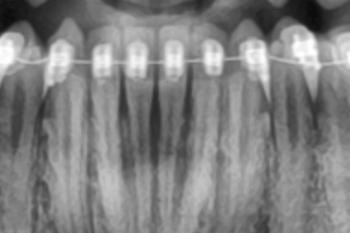
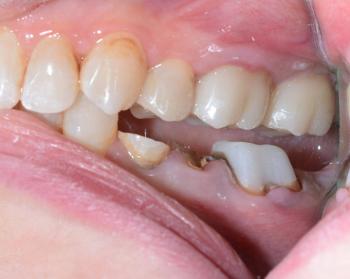
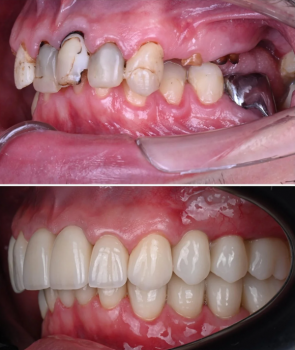
Patients with lower front gum inflammation may also experience tartar buildup, periodontal disease, gum abscesses, or tooth decay. Explore these related clinical case studies.


Other topics:
Other Dental Clinic
 |
 |
 |
 |