Smile Again with Comfort and Confidence.

Dental Implant Costs: Switzerland vs. Philippines (2026) - A USA Dental Expert's Complete Guide for International Patients
Language :
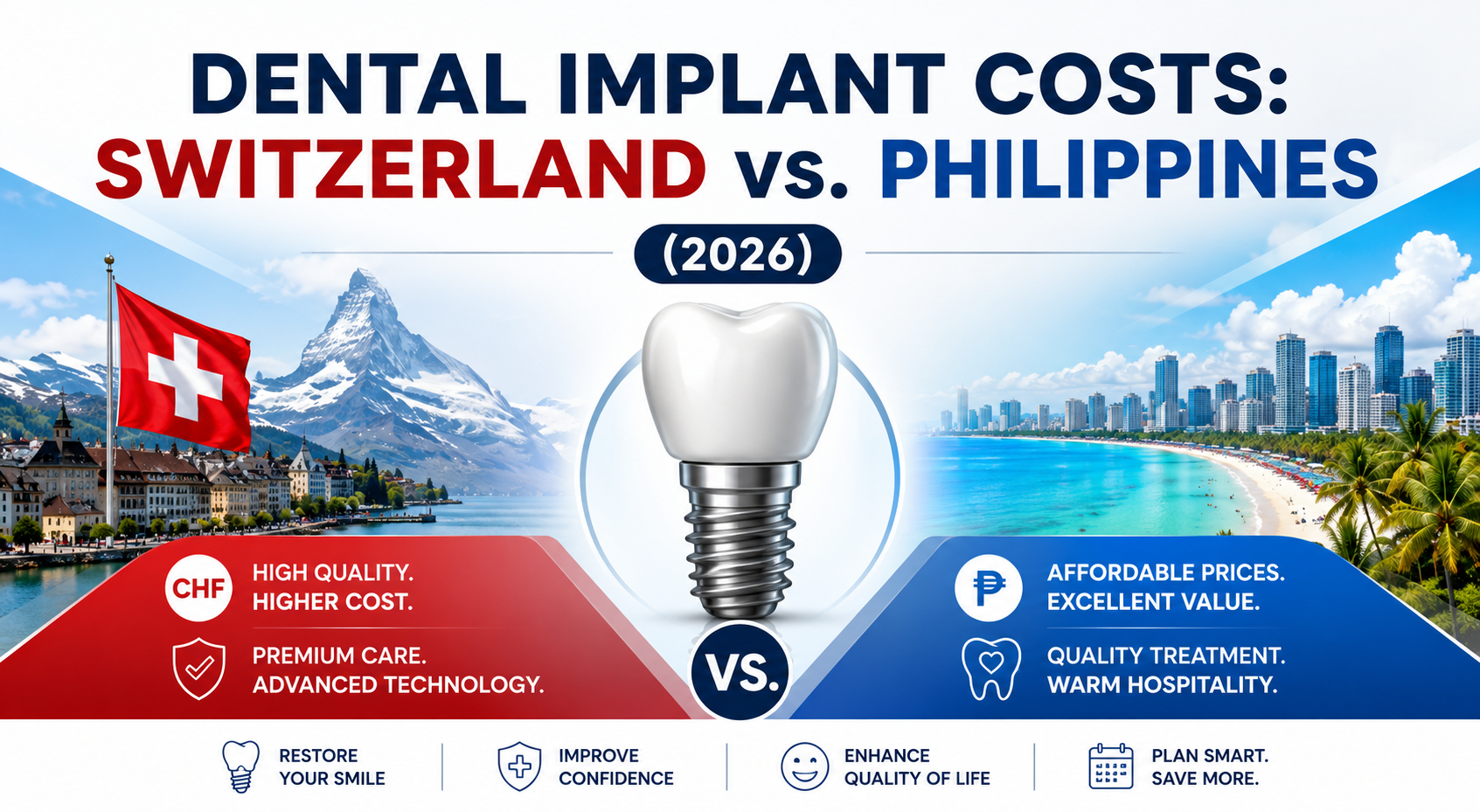
Life style for dental medication are expensive. As a dental implant specialist who frequently consults with international patients, I am often asked whether traveling abroad for dental implants is worth the savings. One of the most common comparisons today is between Switzerland, one of the world's most expensive healthcare markets, and the Philippines, a rapidly growing destination for high-quality dental tourism.
The difference in treatment costs can be dramatic. A single dental implant that may cost CHF 3,000 to CHF 5,000 or more in Switzerland can often be completed for a fraction of that price in the Philippines while still utilizing internationally recognized implant systems and modern digital technologies.
However, choosing where to receive implant treatment should never be based on price alone. Patients must consider quality standards, implant brands, treatment planning, aftercare requirements, travel logistics, and long-term maintenance.
This comprehensive guide explains the true cost differences between Switzerland and the Philippines, the reasons behind the price gap, insurance considerations, financing options, treatment quality, and what patients should know before making an international dental care decision.
Understanding Dental Implants
Before comparing costs, it is important to understand what a dental implant actually involves.
A dental implant is a titanium or zirconia artificial tooth root surgically placed into the jawbone to replace a missing tooth. After healing, a custom-made crown is attached to restore both function and appearance.
A complete implant restoration usually consists of:
- Implant fixture
- Abutment
- Implant crown
- Digital diagnostics
- Surgical placement
- Follow-up appointments
The Three Main Parts
Think of the implant like a natural tooth structure:
-
Implant Fixture (The Root): This is a small, screw-like post made of titanium or zirconia. It is placed directly into your jawbone. Over time, your bone naturally grows around it, acting as a sturdy, permanent foundation—just like a natural tooth root.
-
Abutment (The Connector): Once the "root" is solid, this small piece is attached to the top of the fixture. It sits just above the gum line and acts as a connector, serving as the base that will hold your new tooth in place.
-
Implant Crown (The Tooth): This is the visible part that looks like a real tooth. It is custom-made to match the color and shape of your surrounding teeth, allowing you to chew, speak, and smile naturally.
The Process
-
Digital Diagnostics: Before any surgery, your dentist uses high-tech tools (like 3D X-rays or CT scans) to create a precise map of your mouth. This lets them see exactly where your nerves and bone are, so they can plan the perfect spot for the implant before they even touch a tool.
-
Surgical Placement: This is the procedure where the fixture is placed into your jawbone. It is usually done under local anesthesia. Afterward, you will have a healing period—which can take a few months—to ensure the implant fuses perfectly with your bone.
-
Follow-up Appointments: These are essential visits to ensure the healing is on track. Your dentist will check that your gums are healthy, that the implant is stable, and eventually, they will attach the abutment and the crown to finish the process.
Summary Table
| Component | What it is | Role |
| Fixture | Metal/Ceramic post | Acts as the new "root" |
| Abutment | Small connector piece | Links the root to the tooth |
| Crown | Artificial tooth | The visible, functional part |
Additional procedures may include:
- Bone grafting
- Sinus lift surgery
- Gum grafting
- Temporary restorations
Because implants are a multi-stage treatment, total costs can vary significantly from one patient to another.
Dental Implant Costs in Switzerland (2026)
Switzerland consistently ranks among the most expensive countries globally for dental care.
Unlike many medical services, dental treatments are generally excluded from standard mandatory health insurance coverage.
As a result, patients typically pay directly out of pocket.
Typical Implant Costs in Switzerland
| Treatment | Estimated Cost |
|---|---|
| Implant Consultation | CHF 100 – CHF 300 |
| 3D CBCT Scan | CHF 250 – CHF 600 |
| Single Implant Placement | CHF 1,500 – CHF 2,500 |
| Abutment | CHF 300 – CHF 800 |
| Implant Crown | CHF 1,000 – CHF 2,000 |
| Complete Implant Restoration | CHF 3,000 – CHF 5,000+ |
Complex cases may exceed CHF 6,000 to CHF 8,000 per tooth.
Patients requiring bone grafting, sinus augmentation, or extensive reconstruction can expect significantly higher fees.
Why Are Dental Implants So Expensive in Switzerland?
Several factors contribute to Switzerland's premium pricing.
High Labor Costs
Swiss salaries are among the highest worldwide.
Dental professionals, specialists, technicians, and support staff all command substantial compensation.
These expenses directly affect treatment fees.
Clinic Overhead
Swiss dental clinics face significant operating costs including:
- Commercial rent
- Equipment acquisition
- Regulatory compliance
- Laboratory services
- Insurance requirements
Maintaining a modern implant center is expensive.
Premium Dental Laboratories
Many Swiss dentists collaborate with highly specialized laboratories that fabricate crowns, bridges, and implant restorations with exceptional precision.
These laboratory fees are reflected in final treatment costs.
Advanced Technology
Swiss clinics frequently invest in:
- CBCT imaging
- Digital intraoral scanners
- CAD/CAM systems
- Guided implant surgery
- Digital smile design
While these technologies improve outcomes, they also increase operating expenses.
Dental Implant Costs in the Philippines (2026)
The Philippines has become one of Asia's leading dental tourism destinations.
Patients from Switzerland, Australia, Canada, the United States, New Zealand, Singapore, and Europe increasingly travel to major Philippine cities for dental care.
Typical Implant Costs in the Philippines
| Treatment | Estimated Cost |
| Consultation | PHP 500 – PHP 2,000 |
| CBCT Scan | PHP 5,000 – PHP 12,000 |
| Implant Placement | PHP 30,000 – PHP 70,000 |
| Abutment | PHP 10,000 – PHP 25,000 |
| Implant Crown | PHP 20,000 – PHP 40,000 |
| Complete Implant Restoration | PHP 60,000 – PHP 120,000 |
In Swiss currency, this typically equals approximately CHF 900 to CHF 1,900.
Patients often save between 50% and 75% compared to Swiss treatment costs.
Why Are Dental Implants More Affordable in the Philippines?
The lower price does not automatically mean lower quality.
Instead, several economic factors influence pricing.
Lower Operating Costs
Dental clinics generally pay less for:
- Office space
- Utilities
- Administrative staff
- Maintenance
- General business expenses
These savings are passed on to patients.
Lower Cost of Living
The overall cost of living in the Philippines remains substantially lower than Switzerland.
As a result, professional fees are naturally more affordable.
Competitive Dental Tourism Market
Many clinics actively compete for international patients.
This competition encourages attractive pricing without necessarily compromising quality.
Local Laboratory Services
Some restorations are fabricated locally, reducing laboratory expenses while maintaining acceptable standards.
Implant Brands Matter More Than Geography
One common misconception is that implants in lower-cost countries are automatically inferior.
In reality, the implant brand often matters more than the country where treatment is performed.
Leading implant systems available in the Philippines include:
- Straumann
- Nobel Biocare
- Osstem
- Dentium
- Megagen
- BioHorizons
- Neodent
These same systems are used throughout Europe, North America, and Australia.
Patients should always ask which implant brand will be used.
Comparing Treatment Quality
Many Philippine clinics now offer standards comparable to Western practices.
However, quality varies significantly between providers.
Indicators of High-Quality Care
Look for clinics that provide:
CBCT Imaging
Three-dimensional imaging improves diagnostic accuracy.
Guided Implant Surgery
Computer-guided placement increases precision and safety.
Digital Scanning
Digital impressions improve crown accuracy and patient comfort.
Sterilization Protocols
International infection-control standards are essential.
Continuing Education
Dentists who regularly attend international training programs often remain current with best practices.
Switzerland's Advantages
Swiss dental care offers several advantages.
Strong Regulatory Oversight
Regulations are strict and consistently enforced.
Immediate Accessibility
Patients can easily attend follow-up visits.
Simplified Maintenance
Long-term maintenance is more convenient.
Established Medical Infrastructure
Switzerland possesses one of the world's strongest healthcare systems.
For some patients, these factors justify higher costs.
Philippines' Advantages
The Philippines offers benefits beyond lower prices.
Significant Savings
Many patients save thousands of Swiss francs.
English-Speaking Environment
Communication is generally straightforward.
Tourism Opportunities
Patients often combine treatment with vacation travel.
Popular destinations include:
- Cebu
- Manila
- Boracay
- Palawan
- Bohol
Modern Dental Facilities
Many clinics serving international patients invest heavily in technology and training.
Insurance Coverage in Switzerland
Swiss mandatory health insurance, commonly known as KVG/LAMal, generally does not cover dental implants.
Implants are usually considered elective dental treatment.
Coverage may be available only in specific situations involving:
- Severe congenital defects
- Medical conditions affecting oral structures
- Certain accident-related injuries
Even then, approval requirements can be strict.
Supplementary Dental Insurance
Some Swiss residents purchase supplemental dental insurance.
Coverage varies substantially.
Policies may include:
- Annual reimbursement limits
- Waiting periods
- Percentage-based coverage
- Exclusions for implants
Patients should review policy details carefully before treatment.
Insurance Coverage in the Philippines
Dental insurance functions differently in the Philippines.
Most implant treatments are financed privately.
Common limitations include:
- Low annual maximum benefits
- Restricted implant coverage
- Exclusions for major restorative procedures
Consequently, most implant cases remain self-funded.
Financing Options
Switzerland
Many clinics partner with financial institutions that provide:
- Medical loans
- Monthly payment plans
- Credit-based financing
Approval depends on financial qualifications.
Philippines
Many dental clinics offer:
- In-house installment plans
- Credit card payment options
- Staged treatment payments
These arrangements make implant treatment more accessible.
Hidden Costs of Dental Tourism
Patients should account for expenses beyond dental treatment.
These include:
- Airfare
- Hotels
- Transportation
- Meals
- Follow-up visits
- Travel insurance
Even after accounting for travel expenses, many Swiss patients still achieve substantial savings.
The Importance of Treatment Planning
Dental implants require careful planning.
A reputable clinic should perform:
- Comprehensive examination
- CBCT imaging
- Medical history review
- Bone analysis
- Bite evaluation
- Smile assessment
Patients should be cautious of clinics offering implants without detailed diagnostics.
Understanding Healing Time
Implant treatment usually occurs in stages.
Stage One
Implant placement surgery.
Healing Period
Osseointegration typically requires:
- 3 to 6 months
The implant fuses with the jawbone during this period.
Final Restoration
The crown is attached after successful healing.
International patients must plan accordingly.
Can the Entire Procedure Be Completed in One Trip?
Sometimes.
Immediate-loading protocols may allow temporary teeth to be attached shortly after surgery.
However, not every patient qualifies.
Eligibility depends on:
- Bone quality
- Implant stability
- Oral health status
- Medical history
Your dentist must determine suitability.
Managing Long-Term Risks
Dental implants enjoy excellent success rates.
Research consistently reports long-term success rates exceeding 95% under appropriate conditions.
Nevertheless, complications can occur.
Potential risks include:
- Infection
- Implant failure
- Bone loss
- Loose crowns
- Peri-implantitis
Regular maintenance is critical regardless of where treatment is performed.
Questions to Ask Before Choosing a Clinic
Patients should ask:
- Which implant brand will be used?
- Is a CBCT scan included?
- How many implant cases does the dentist perform annually?
- Is guided surgery available?
- What warranty is offered?
- How are complications managed?
- Who provides follow-up care?
- Are all fees disclosed upfront?
Transparent answers indicate professionalism.
Red Flags to Avoid
Be cautious if a clinic:
- Advertises unrealistically low prices
- Refuses to discuss implant brands
- Avoids discussing complications
- Does not provide treatment plans
- Lacks diagnostic imaging
- Cannot show before-and-after cases
Quality implant dentistry requires expertise and transparency.
Is Traveling from Switzerland to the Philippines Worth It?
For many patients, the answer is yes.
Savings can be substantial.
A treatment plan costing CHF 20,000 in Switzerland may cost less than half that amount in the Philippines, even after accounting for travel expenses.
However, successful outcomes depend on choosing the right clinic and planning carefully for aftercare.
Patients who prioritize research, select internationally recognized implant systems, and work with experienced implant dentists can often achieve excellent results while significantly reducing treatment costs.
Final Thoughts from a USA Dental Expert
When comparing dental implant costs between Switzerland and the Philippines in 2026, the price difference is undeniable. Switzerland offers convenience, rigorous regulation, and easy access to long-term follow-up care. The Philippines offers exceptional value, modern technology, skilled clinicians, and dramatically lower treatment costs.
The smartest decision is not necessarily choosing the cheapest option or the most expensive one. Instead, focus on overall value, clinical expertise, implant quality, digital treatment planning, and long-term maintenance support.
A successful dental implant should last for decades. Investing time in researching your options may ultimately be just as important as investing money in the procedure itself.
Whether treatment is completed in Zurich, Geneva, Cebu, Manila, or another international destination, the goal remains the same: a healthy, functional, and confident smile that stands the test of time.
Can tooth extraction cause infection? Mild inflammation is normal, but increasing swelling, fever, or severe pain may indicate infection. Learn more about post-extraction infection warning signs in this detailed guide.
Book a consultation with our Cebu dental specialists for proper evaluation and care.
Ready to get expert guidance?
If you’re experiencing severe pain or delayed healing, book a consultation with our Cebu dental specialists to get proper evaluation and care.
Consultation or contact page .
Book a Consultation
For severe discomfort or delayed healing, book a consultation with our Cebu dental specialists today.
Looking for a dentist? Browse our Cebu dental directory to find trusted clinics near you.
Medical Review and Clinical Basis
This article is based on clinical dental guidelines and real patient recovery patterns observed after tooth extraction procedures. The information reflects common post-extraction healing stages, including normal clot formation, gum tissue repair, and signs of possible complications such as dry socket or infection.
While mild discomfort is expected after a dental extraction, worsening pain after Day 3, bad odor, exposed bone, or spreading pain may require professional evaluation. These symptoms are consistent with known post-extraction complications described in standard dental practice.
About Cebu Dental Implants
Cebu Dental Implants provides comprehensive tooth extraction, surgical procedures, and dental implant services in the Philippines. Our team evaluates post-extraction healing, manages complications such as dry socket, and advises patients on proper aftercare to prevent infection and delayed healing.
If you experience severe pain or unusual symptoms after extraction, early professional assessment is recommended to prevent further complications.
Important Medical Disclaimer
This content is for educational purposes only and does not replace professional dental diagnosis. Every patient heals differently. If symptoms worsen or do not improve within a few days, consult a licensed dentist for proper evaluation and treatment.
Author
This article was prepared by the Cebu Dental Implants content team in consultation with licensed dental professionals experienced in tooth extraction and implant procedures.
Video:
Related Clinical Cases
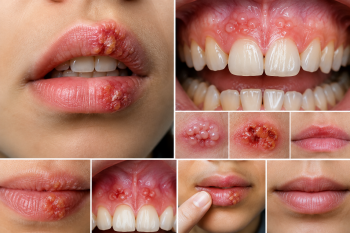
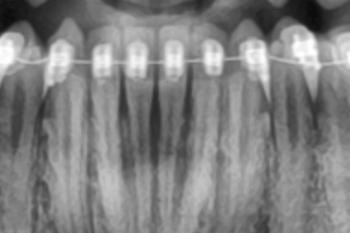
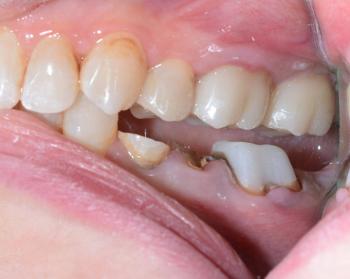
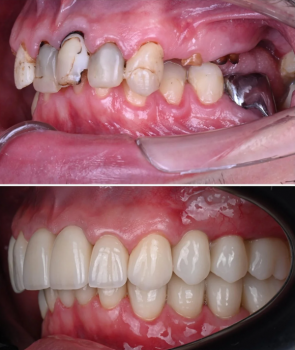
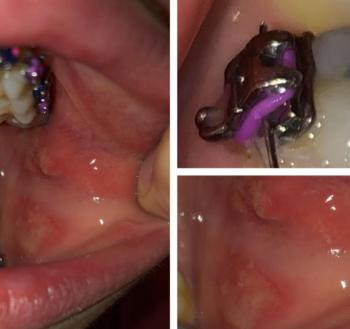
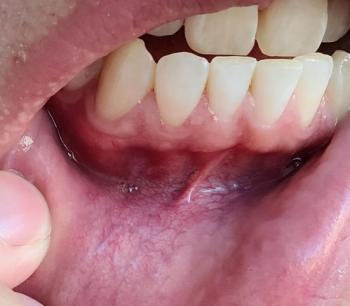
Patients with lower front gum inflammation may also experience tartar buildup, periodontal disease, gum abscesses, or tooth decay. Explore these related clinical case studies.


Other topics:
Other Dental Clinic
 |
 |
 |
 |