Smile Again with Comfort and Confidence.

Dentinogenesis Imperfecta: Management of Severe Primary Tooth Abrasion and Enamel Fracture in Mixed Dentition
Image:
Severity:
Teeth Problems:
Zoom 100% & Deep Examination (Detailed Color Analysis)
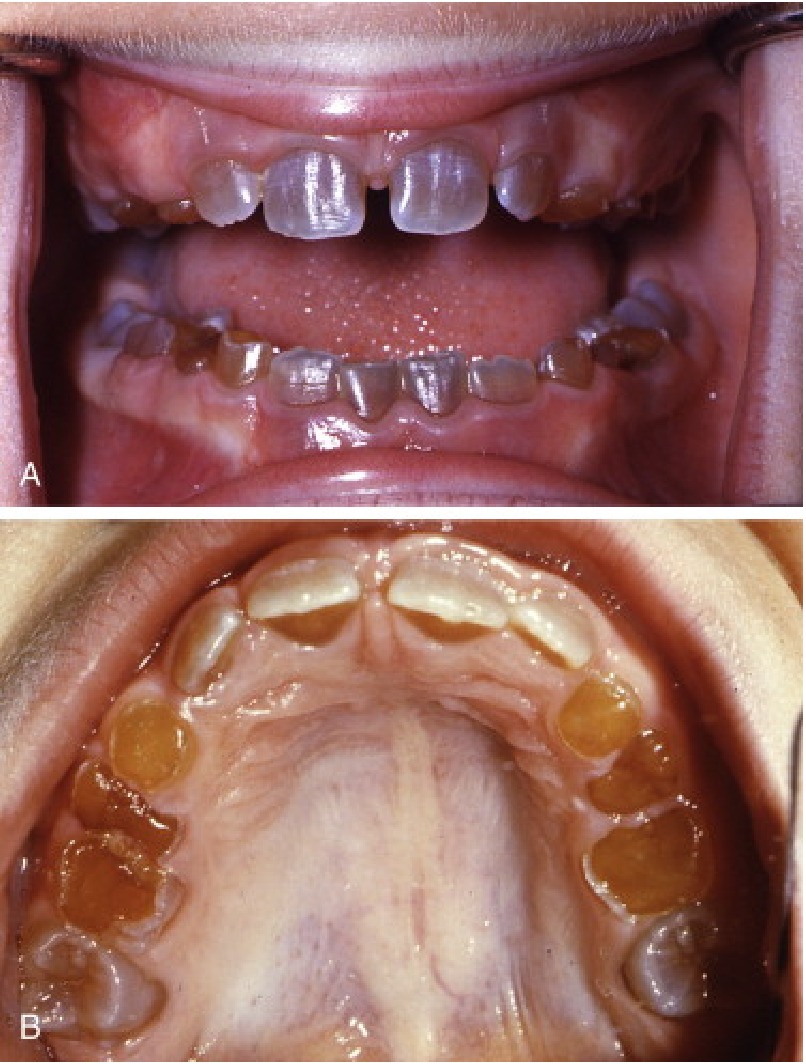
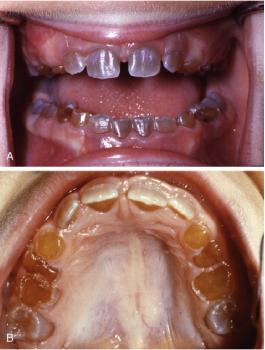
| Feature | Observation (Image A & B) | Analysis based on Dentinogenesis Imperfecta (DI) |
| Primary Teeth (Deciduous) | Severely abraded, flat, and worn down (Image B, showing upper primary molars). Color appears amber/yellow-brown (opalescent) in Image B. | This severe wear is characteristic of DI. The poorly mineralized dentin and weakened dentin-enamel junction cause the brittle enamel to fracture easily, leading to rapid wear of the underlying dentin. |
| Lower Permanent Incisors | The biting (incisal) edges are very translucent/opalescent (Image A), and the enamel appears to be chipping or breaking away. | This is the defining feature of DI: "Hereditary Opalescent Dentin." The abnormal dentin is responsible for the gray/bluish-brown or amber color and translucency. The enamel loss is due to the lack of proper support from the abnormal dentin. |
| Overall Color | A mix of white/translucent (permanent teeth enamel breaking away) and deep amber/brown/yellow (exposed, abnormal primary dentin). | The different colors reflect the different stages of the disease—the abnormal dentin is what gives DI its characteristic opalescent color. |
Full Analysis and Diagnosis
-
Condition: Dentinogenesis Imperfecta (Type I or II)—A hereditary developmental disorder of the dentin.
-
Pathology: The dentin structure is defective, resulting in teeth that are often discolored, bulbous-shaped, and structurally weak.
-
Clinical Problems:
-
Enamel Fracture: The abnormal dentin-enamel junction leads to brittle enamel that fractures easily, exposing the soft, poorly mineralized dentin.
-
Severe Abrasion: The exposed dentin wears down rapidly, leading to loss of vertical dimension, affecting chewing function, and potentially damaging the permanent teeth as they erupt.
-
Pulp Exposure/Necrosis: The severe wear can quickly lead to pulp exposure and infection, even if the pulp chambers are often initially obliterated (a common finding in DI).
-
Process to Execute (Treatment Plan)
The goal is to protect the teeth from wear, maintain function, and preserve vertical dimension. This is a long-term, multi-stage process:
-
Immediate Protection of Primary Teeth:
-
Full-coverage restorations (e.g., Stainless Steel Crowns (SSCs)) for the primary molars to prevent further abrasion and maintain the bite space until the permanent teeth erupt.
-
Composite or resin restorations may be used on anterior teeth to protect the exposed dentin and prevent sensitivity.
-
-
Protection of Permanent Teeth (As they Erupt):
-
Prompt placement of full-coverage restorations (crowns), often ceramic or composite, on permanent teeth (especially incisors and molars) immediately after they erupt and the gum tissue has matured. This prevents the enamel from fracturing and the underlying dentin from wearing away.
-
-
Long-Term Management:
-
Restoration of Vertical Dimension: As the child grows, a final full-mouth rehabilitation (using crowns, fixed bridges, or possibly implants later in adulthood) will be necessary to restore the height and function of the bite.
-
Orthodontic Consultation: May be required to align the bite properly for the final restorations.
-
Time Frame to Heal & If Takes 14 Days
-
No Healing Time: DI is a genetic, non-curable condition. The "healing" concept is replaced by "management" and "protection."
-
Time Frame for Treatment: The management is lifelong.
-
Placing protective crowns/restorations on primary teeth may take 2-4 dental visits.
-
Protecting the permanent teeth is an ongoing process over many years as they erupt.
-
What Will Be the Issue That Will Scale Up (If rushed or ignored)?
If the teeth are not protected quickly, the issue will scale up rapidly:
-
Accelerated Tooth Loss: Unprotected, the teeth will wear down extremely fast, leading to total loss of tooth structure and bite height (vertical dimension).
-
TMJ Problems: The loss of vertical dimension forces the jaw joint (TMJ) into an unnatural position, causing pain, clicking, and long-term joint damage.
-
Pulp Necrosis and Infection: The wear will quickly expose the pulp (nerve) of the teeth, leading to infection, abscesses, and the need for root canals or extractions.
-
Psychosocial Impact: The severe discoloration and poor appearance can significantly affect the child's self-esteem and social development.
Comments
This case highlights the critical need for early diagnosis and aggressive, preventive restoration (e.g., full-coverage crowns) to manage Dentinogenesis Imperfecta. The protective restorations act as a physical shield against rapid wear, which is the most destructive aspect of the condition.
Visit Nearest Location Area
Given the complexity of this genetic condition, it is vital to see a specialist, ideally a Pediatric Dentist or a Prosthodontist experienced in managing DI.
You can use the directory listing to start your search:
https://cebudentalimplants.com/map-dental-clinic
Frequently Asked Questions (FAQ): Dentinogenesis Imperfecta, Severe Primary Tooth Abrasion, and Enamel Fracture
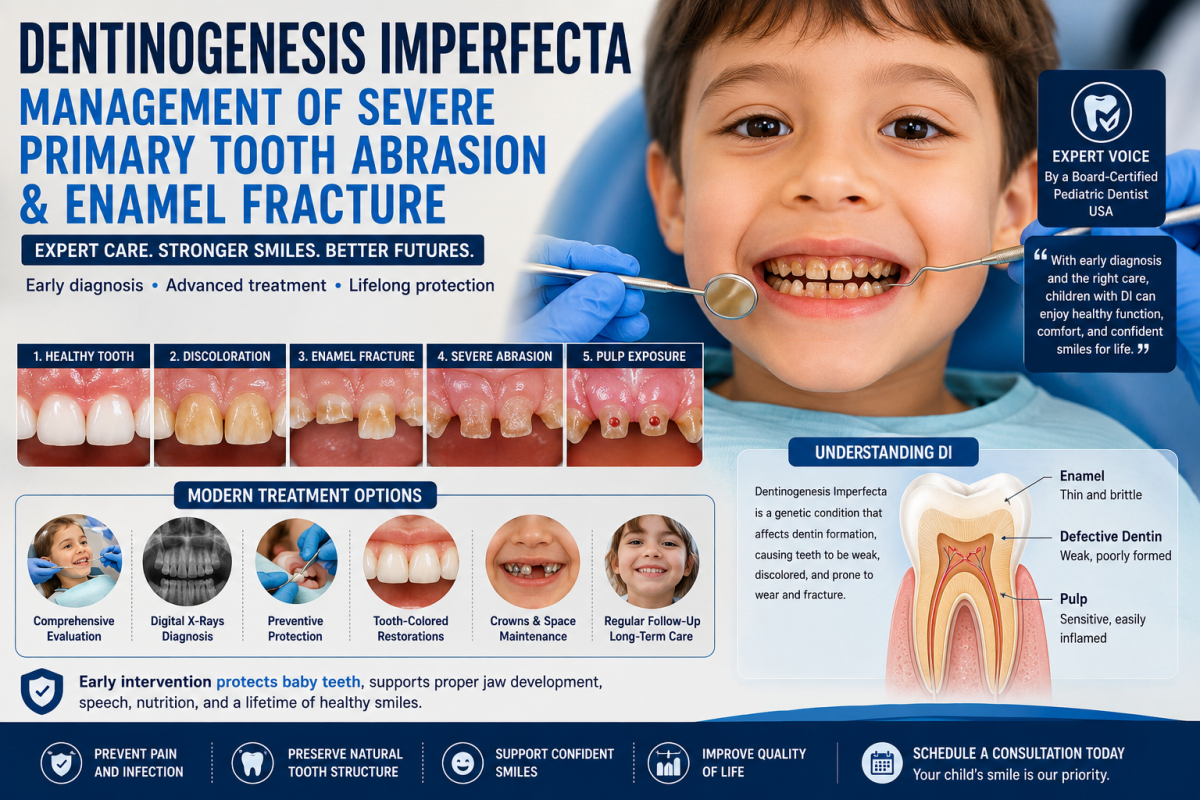
Expert Answers by a Board-Certified Pediatric Dentist (USA)
1. What is Dentinogenesis Imperfecta (DI)?
Expert Answer:
Dentinogenesis Imperfecta (DI) is a rare inherited dental condition that affects how dentin—the layer beneath the enamel—develops. Although the enamel may appear normal when a tooth first erupts, it lacks proper support because the underlying dentin is weak and poorly formed.
As a result, teeth become fragile and are prone to:
- Rapid enamel fracture
- Severe tooth wear (abrasion and attrition)
- Tooth discoloration ranging from blue-gray to amber-brown
- Increased sensitivity
- Early loss of tooth structure
In my pediatric practice, early diagnosis is essential because children with DI often experience significant tooth wear long before their permanent teeth fully erupt.
2. What are the first signs parents should watch for?
Expert Answer:
Many parents initially think their child's teeth are simply stained or naturally dark.
Common early signs include:
- Blue-gray, yellow-brown, or amber-colored teeth
- Front teeth that chip easily
- Flat chewing surfaces
- Rapid tooth wear despite good brushing
- Teeth appearing shorter over time
- Small fractures after biting soft foods
- Increased sensitivity to cold foods or drinks
Children with these symptoms should receive a comprehensive dental evaluation as soon as possible.
3. Why do the teeth wear down so quickly?
Expert Answer:
Unlike healthy teeth, those affected by Dentinogenesis Imperfecta have defective dentin that cannot adequately support the enamel.
Once the enamel chips away, the softer dentin is exposed and wears down rapidly during everyday chewing.
Because baby teeth naturally have thinner enamel than permanent teeth, this process may occur much faster in young children.
Without treatment, entire biting surfaces may disappear within a relatively short period.
4. Can Dentinogenesis Imperfecta affect both baby teeth and permanent teeth?
Expert Answer:
Yes.
DI commonly affects both the primary (baby) and permanent dentitions.
In many children, the baby teeth show the earliest and most severe changes, allowing dentists to diagnose the condition before permanent teeth erupt.
Early diagnosis gives us an opportunity to protect the developing permanent teeth with preventive care and long-term treatment planning.
5. Is Dentinogenesis Imperfecta inherited?
Expert Answer:
Yes.
Most cases are inherited in an autosomal dominant pattern, meaning a child can inherit the condition if one parent carries the altered gene.
Because of its genetic nature, dentists often recommend evaluating siblings and reviewing the family's dental history.
Genetic counseling may also be appropriate for affected families.
6. What happens if this condition is left untreated?
Expert Answer:
Without treatment, Dentinogenesis Imperfecta can lead to serious oral health problems.
Potential complications include:
- Progressive enamel fractures
- Severe tooth abrasion
- Pulp exposure
- Tooth sensitivity progressing to pain
- Dental infections
- Gum inflammation
- Difficulty chewing
- Poor nutrition
- Speech development challenges
- Premature loss of primary teeth
- Bite abnormalities
- Emotional distress due to the appearance of the teeth
Early intervention greatly reduces these risks.
7. How do dentists diagnose Dentinogenesis Imperfecta?
Expert Answer:
Diagnosis combines several clinical and radiographic findings.
A pediatric dentist typically performs:
- Comprehensive oral examination
- Family medical and dental history review
- Digital dental X-rays
- Bite evaluation
- Assessment of tooth color and wear patterns
- Evaluation for enamel fractures
- Monitoring eruption of permanent teeth
Radiographs often reveal characteristic changes such as bulbous crowns, shortened roots, and partial or complete pulp chamber obliteration.
8. What treatment options are available?
Expert Answer:
Treatment depends on the child's age, severity of tooth wear, and stage of dental development.
Management may include:
- Fluoride varnish applications
- Desensitizing agents
- Tooth-colored composite restorations
- Glass ionomer restorations
- Stainless steel crowns for primary molars
- Pediatric zirconia crowns for front teeth in selected cases
- Protective bite appliances when indicated
- Regular professional monitoring
- Long-term restorative planning as permanent teeth erupt
The primary goal is preserving tooth structure while maintaining comfort, function, and appearance.
9. Will my child eventually need crowns?
Expert Answer:
Many children with moderate to severe DI benefit from full-coverage restorations.
Crowns protect weakened teeth by:
- Preventing additional fractures
- Restoring chewing function
- Reducing sensitivity
- Improving appearance
- Preserving remaining tooth structure
The type of crown depends on which teeth are affected and the child's age.
10. Can children with Dentinogenesis Imperfecta eat normally?
Expert Answer:
Yes, but dietary adjustments often help protect weakened teeth.
We generally recommend:
- Softer nutritious foods
- Limiting very hard candies
- Avoiding chewing ice
- Avoiding biting directly into hard fruits
- Cutting foods into smaller pieces
- Drinking water instead of acidic beverages
Proper nutrition remains extremely important because growing children require balanced diets for healthy development.
11. How often should children with DI visit the dentist?
Expert Answer:
Children with Dentinogenesis Imperfecta usually require closer monitoring than children with healthy teeth.
Many pediatric dentists recommend examinations every 3 to 6 months, depending on disease severity.
Frequent visits allow us to:
- Monitor tooth wear
- Repair small fractures early
- Apply fluoride protection
- Adjust restorations
- Evaluate eruption of permanent teeth
- Prevent major complications before they occur
12. Can permanent teeth be protected before they become damaged?
Expert Answer:
Absolutely.
One of the biggest advantages of early diagnosis is preventive planning.
As permanent teeth erupt, dentists can implement protective measures such as:
- Regular fluoride therapy
- Dental sealants when appropriate
- Early restorative care
- Customized oral hygiene instruction
- Bite monitoring
- Protective appliances for children with excessive tooth grinding
These strategies significantly improve the long-term prognosis.
13. Is Dentinogenesis Imperfecta painful?
Expert Answer:
Not always during the earliest stages.
However, as enamel fractures expose dentin and wear progresses, many children develop sensitivity to cold foods, sweet drinks, and chewing pressure.
If decay or fractures reach the dental pulp, pain may become severe and may require more complex treatment.
Early management often prevents discomfort before it develops.
14. What is the long-term outlook for children with Dentinogenesis Imperfecta?
Expert Answer:
With early diagnosis, individualized treatment, and regular follow-up, the outlook is very encouraging.
Modern pediatric dentistry focuses on preserving natural tooth structure, protecting developing permanent teeth, restoring normal chewing and speech, and improving aesthetics throughout childhood. While Dentinogenesis Imperfecta cannot be cured because it is a genetic condition, timely preventive care and restorative treatment allow most children to maintain healthy function, avoid many complications, and enjoy confident smiles as they grow into adulthood.
Related Clinical Cases
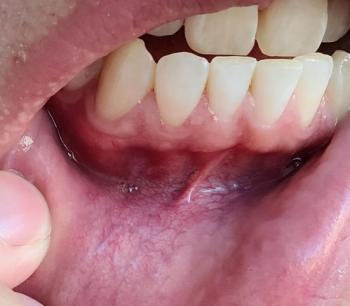
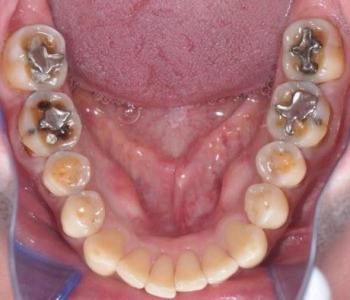
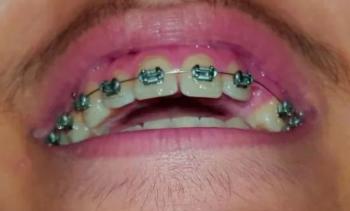
Patients with lower front gum inflammation may also experience tartar buildup, periodontal disease, gum abscesses, or tooth decay. Explore these related clinical case studies.

Other topics:
Other Dental Clinic