Because Every Tooth Deserves Care.

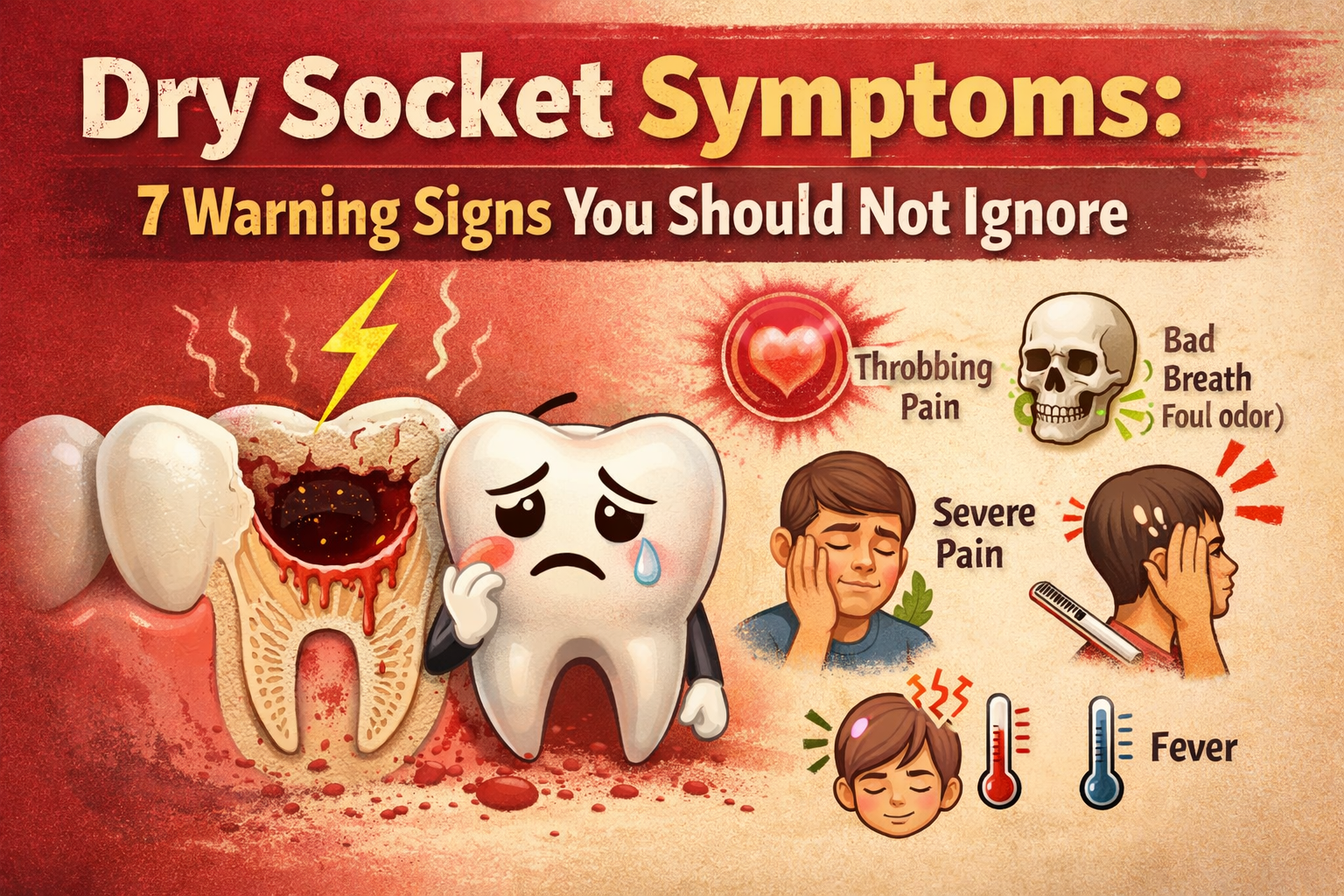
Dry Socket Symptoms: 7 Warning Signs You Should Not Ignore
Language :
Topics:
Losing a tooth is already stressful—and when pain suddenly gets worse instead of better, it can feel alarming. If you’re dealing with increasing discomfort a few days after an extraction, you’re not alone. Many patients worry something went wrong. One common cause is Dry socket, a condition that needs attention but can be treated effectively when caught early.
What Is Dry Socket?
After a tooth is removed, a protective blood clot should form in the socket. This clot acts like a natural bandage, helping the area heal.
Dry socket happens when that clot:
- Doesn’t form properly
- Gets dislodged too early
- Breaks down before healing begins
When this happens, the bone and nerves underneath are exposed—leading to significant pain.
7 Warning Signs You Should Not Ignore
1. Severe Pain 2–4 Days After Extraction
Instead of improving, the pain suddenly becomes intense. This is one of the earliest red flags.
2. Pain Radiating to Ear, Jaw, or Head
The discomfort doesn’t stay in one place—it spreads, making it harder to ignore.
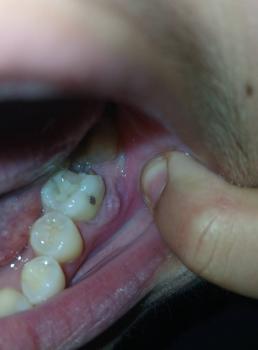
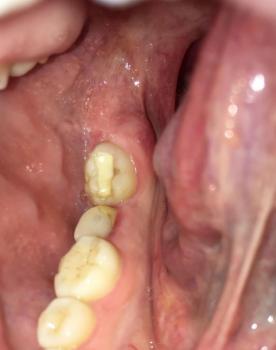
3. Empty or Visible Socket
You may notice that the socket looks empty or whitish instead of having a dark blood clot.
4. Bad Taste in the Mouth
A persistent unpleasant taste that doesn’t go away—even after brushing.
5. Foul Odor (Bad Breath)
This is caused by trapped debris and exposed tissue.
6. Increased Sensitivity
Hot, cold, or even air exposure can trigger sharp pain.
7. Pain That Doesn’t Improve with Medication
Even common pain relievers like Ibuprofen or Paracetamol may not provide enough relief.
When It Becomes Serious (Self-Check Guide)
It’s important to listen to your body. Ask yourself:
- Is the pain getting worse instead of better?
- Does it feel deep, sharp, or throbbing constantly?
- Is there a bad smell or taste that won’t go away?
If you answered yes to 2 or more, there’s a strong chance you may have dry socket.
If you also have swelling, fever, or pus, this could indicate infection, and you should seek dental care immediately.
What You Should Do Right Now
If you suspect dry socket:
- Do not ignore the pain
- Avoid home remedies that disturb the socket
- Contact your dentist as soon as possible
Treatment is simple and usually includes:
- Cleaning the socket
- Placing a medicated dressing
- Pain management
Relief often begins quickly after proper treatment.
Gentle Recovery Tips
While waiting to see your dentist:
- Keep your head elevated
- Avoid smoking or using straws
- Eat soft, cool foods
- Maintain gentle oral hygiene
These steps can help prevent the condition from worsening.
Final Thoughts
Experiencing pain after a tooth extraction can be worrying—but you’re not alone, and it’s manageable. Dry socket may feel intense, but with timely care, healing can get back on track quickly. Trust what your body is telling you, and don’t hesitate to seek help if something feels off.
FAQ
Is dry socket dangerous?
It’s not life-threatening, but it can be very painful and delay healing if untreated.
How long does dry socket pain last?
With treatment, pain usually improves within 24–48 hours.
Can dry socket heal on its own?
It may eventually heal, but professional treatment speeds recovery and reduces pain significantly.
How do I know if my blood clot is gone?
You may see an empty socket or feel increased pain and sensitivity.
1. Why Dry Socket Usually Happens on Days 2–4
Many patients become worried because they feel better on the first or second day, only to experience severe pain on Day 3. Explain that this timing is typical because the protective blood clot may dissolve too early or become dislodged, exposing the underlying bone and nerves. Make it clear that healing should improve over time—not suddenly become more painful.
2. Jobs That Increase the Risk of Dry Socket
Create a practical section for workers.
Examples include:
- Construction workers lifting heavy materials
- Warehouse employees
- Delivery drivers
- Nurses working long shifts
- Call center agents who talk continuously
- Factory workers
- Athletes returning to sports too soon
Explain how heavy lifting, dehydration, smoking during work breaks, and returning to strenuous activity too early can increase the risk of disturbing the blood clot.
3. Foods That Help Healing After Tooth Extraction
Add a recovery nutrition guide.
Recommended foods
- Greek yogurt
- Mashed potatoes
- Scrambled eggs
- Oatmeal
- Smoothies (without a straw)
- Avocado
- Salmon
- Bananas
- Cottage cheese
- Protein shakes (drink from a cup)
Explain that adequate protein, vitamin C, zinc, and hydration support tissue repair.
4. Foods to Avoid During the First Week
Many readers search for this information.
Avoid:
- Popcorn
- Nuts
- Chips
- Rice that becomes trapped in the socket
- Spicy foods
- Alcohol
- Carbonated beverages
- Extremely hot coffee
- Sticky candy
- Seeds
Explain why these foods can delay healing.
5. Why Smoking Greatly Increases Dry Socket Risk
Include a dedicated section explaining:
- Suction during inhalation can dislodge the clot.
- Nicotine reduces blood flow to healing tissues.
- Smoking delays wound healing.
- Smoking increases bacterial contamination.
This is one of the most searched dry socket topics.
6. Can Stress Slow Healing?
Busy workers often ask this.
Discuss:
- Poor sleep
- Skipping meals
- Working overtime
- Increased cortisol
- Weakened immune response
Explain how stress does not directly cause dry socket but may contribute to slower recovery through unhealthy habits.
7. Recovery Timeline (Easy-to-Read Table)
| Day | Normal Healing | Contact Dentist If |
|---|---|---|
| Day 1 | Mild bleeding | Heavy bleeding |
| Day 2 | Swelling peaks | Severe swelling |
| Day 3 | Pain improving | Pain suddenly worsens |
| Day 4–5 | Gum closing | Empty socket, bad odor |
| Week 2 | Gum mostly healed | Persistent severe pain |
| Months | Bone remodeling | Delayed healing |
This improves readability and may increase the chance of appearing in Google's AI-generated summaries.
8. How Dentists Treat Dry Socket
Many readers fear painful treatment.
Explain that treatment usually includes:
- Gentle irrigation of the socket
- Removal of trapped debris
- Placement of a medicated dressing
- Pain relief, often beginning within minutes
- Follow-up dressing changes if needed
Emphasize that antibiotics are not routinely prescribed for dry socket alone unless there is evidence of a bacterial infection, because dry socket is primarily a healing complication rather than an infection.
9. Frequently Asked Questions
Add new FAQs such as:
- Can dry socket heal by itself?
- Can I brush near the extraction site?
- Why does my ear hurt after tooth extraction?
- Is white tissue normal after extraction?
- How long does dry socket pain last?
- Can food get stuck in the socket?
- When is it safe to exercise again?
- Can I fly after a tooth extraction?
Related Topics
- Tooth Extraction Healing Stages Day by Day
- Tooth Extraction Pain Worse at Night
- Tooth Extraction Aftercare Guide
Can tooth extraction cause infection? Mild inflammation is normal, but increasing swelling, fever, or severe pain may indicate infection. Learn more about post-extraction infection warning signs in this detailed guide.
Book a consultation with our Cebu dental specialists for proper evaluation and care.
Ready to get expert guidance?
If you’re experiencing severe pain or delayed healing, book a consultation with our Cebu dental specialists to get proper evaluation and care.
Consultation or contact page .
Book a Consultation
For severe discomfort or delayed healing, book a consultation with our Cebu dental specialists today.
Looking for a dentist? Browse our Cebu dental directory to find trusted clinics near you.
Medical Review and Clinical Basis
This article is based on clinical dental guidelines and real patient recovery patterns observed after tooth extraction procedures. The information reflects common post-extraction healing stages, including normal clot formation, gum tissue repair, and signs of possible complications such as dry socket or infection.
While mild discomfort is expected after a dental extraction, worsening pain after Day 3, bad odor, exposed bone, or spreading pain may require professional evaluation. These symptoms are consistent with known post-extraction complications described in standard dental practice.
About Cebu Dental Implants
Cebu Dental Implants provides comprehensive tooth extraction, surgical procedures, and dental implant services in the Philippines. Our team evaluates post-extraction healing, manages complications such as dry socket, and advises patients on proper aftercare to prevent infection and delayed healing.
If you experience severe pain or unusual symptoms after extraction, early professional assessment is recommended to prevent further complications.
Important Medical Disclaimer
This content is for educational purposes only and does not replace professional dental diagnosis. Every patient heals differently. If symptoms worsen or do not improve within a few days, consult a licensed dentist for proper evaluation and treatment.
Author
This article was prepared by the Cebu Dental Implants content team in consultation with licensed dental professionals experienced in tooth extraction and implant procedures.
Video:
Short Story:
Dry Socket Symptoms: 7 Warning Signs You Should Not Ignore – David's Story and the Pain That Changed Everything
"I thought the worst part was over."
Those were the words David repeated to himself as he settled into bed on the third night after having a lower molar removed.
At 29 years old, David was a software engineer living in Denver, Colorado. Like many busy professionals, he scheduled his dental extraction on a Friday so he could recover over the weekend. His dentist reassured him that the procedure had gone smoothly, and the first two days seemed to confirm it.
There was some swelling.
There was soreness.
There was discomfort whenever he chewed.
But everything felt normal.
He carefully followed the instructions: he rested, avoided strenuous activity, ate soft foods, and took ibuprofen when needed. By the end of Day 2, he believed he was already on the road to recovery.
He couldn't have been more wrong.
The Night Everything Changed
Around two o'clock in the morning on Day 3, David suddenly woke up.
It wasn't ordinary soreness.
It was an intense, deep, throbbing pain that felt as though someone was drilling into the center of his jaw.
Within minutes, the pain spread toward his right ear.
Then his temple.
Soon, even the side of his face seemed to ache.
He reached for another dose of pain medication.
Thirty minutes passed.
Almost no relief.
He paced around the living room, unable to sleep. Even breathing cool air through his mouth triggered another sharp wave of pain.
Something wasn't right.
Looking in the Mirror
Standing in front of the bathroom mirror, David gently opened his mouth and shined the flashlight from his phone toward the extraction site.
Instead of seeing the dark blood clot his dentist had described, he noticed something different.
The socket looked empty.
Inside was a pale, whitish surface.
The area appeared deeper than before, and the surrounding gum looked irritated.
A strange bitter taste lingered in his mouth.
His breath also smelled unpleasant despite brushing his remaining teeth carefully.
The pain continued to pulse through his jaw.
By morning, David knew he needed to call his dentist immediately.
The Diagnosis: Dry Socket
After examining the extraction site, his dentist immediately recognized the problem.
David had developed dry socket, also known as alveolar osteitis.
Normally, after a tooth is removed, a protective blood clot forms inside the socket. This clot acts like a natural bandage, covering the underlying bone and delicate nerve endings while new tissue grows.
Sometimes, however, that blood clot never forms properly.
Sometimes it dissolves too early.
Sometimes it becomes dislodged.
When that happens, the bone and nerves become exposed.
The result isn't usually dangerous—but it is often one of the most painful dental complications a person can experience.
The 7 Warning Signs You Should Never Ignore
David's experience matched nearly every classic symptom of dry socket.
1. Severe Pain That Starts 2–4 Days After Extraction
Most extraction pain gradually improves.
Dry socket behaves differently.
Instead of getting better, the pain suddenly becomes much worse several days later.
2. Pain Radiating Toward the Ear, Jaw, Temple, or Eye
Because the nerves of the face are interconnected, pain rarely stays in one place.
Many patients describe aching that spreads throughout one side of the head.
3. An Empty-Looking Socket
Instead of a healthy dark blood clot, the extraction site appears empty.
In many cases, exposed whitish bone becomes visible.
4. Persistent Bad Taste
Food particles and inflammatory fluids can collect inside the socket, leaving a bitter or unpleasant taste that doesn't disappear after brushing.
5. Bad Breath
Many people first notice a persistent foul odor coming directly from the extraction site.
This is common with dry socket and usually improves once the socket is professionally cleaned.
6. Increased Sensitivity
Cold drinks.
Cold air.
Even swallowing.
Simple daily activities can trigger sudden, sharp pain because the protective blood clot is missing.
7. Pain Medication Barely Works
One of the strongest clues is pain that refuses to improve despite taking recommended doses of ibuprofen or acetaminophen.
If medication barely touches the pain, contact your dentist.
Dry Socket Is Painful—But Usually Not Dangerous
David was understandably frightened.
He wondered if the pain meant the infection was spreading.
Fortunately, his dentist explained that dry socket is usually a localized healing complication, not a life-threatening infection.
However, another condition can look similar during its early stages—and that one requires emergency treatment.
When It May Be Something More Serious
A spreading dental infection, known as facial cellulitis, is very different from dry socket.
Instead of remaining localized, bacteria spread into the surrounding facial and neck tissues.
This can quickly become a medical emergency.
Seek emergency hospital care immediately if you experience:
-
Difficulty breathing
-
Tightness or swelling in the throat
-
Difficulty swallowing
-
Excessive drooling
-
Rapidly increasing swelling of the face or neck
-
Swelling spreading toward the eyes or chest
-
High fever
-
Chills
-
Extreme fatigue
-
Confusion
-
Severe headache
-
Stiff neck
These symptoms require immediate emergency evaluation and should never be ignored.
What David's Dentist Did
Fortunately, treatment for dry socket is usually straightforward.
David's dentist first gently irrigated the socket to remove trapped food debris.
Next, a medicated dressing was carefully placed inside the extraction site.
Within minutes, David felt the pain begin to decrease.
The exposed bone was now protected while the surrounding tissues continued healing naturally.
Although complete healing still required time, the intense throbbing pain that had kept him awake disappeared almost immediately.
What You Should Do If You Suspect Dry Socket
If you believe you may have dry socket and do not have emergency symptoms:
-
Leave the extraction site alone.
-
Never poke the socket with fingers, toothpicks, or cotton swabs.
-
Avoid smoking or vaping.
-
Do not drink through a straw.
-
Avoid forceful rinsing during the first days after extraction.
-
Do not place aspirin directly on the gums.
-
Avoid applying heat to your face, as it may increase inflammation and worsen throbbing pain.
-
Instead, use a cold compress wrapped in a towel for 10–20 minutes at a time to reduce discomfort.
-
Contact your dentist as soon as possible for professional treatment.
The Most Important Lesson
Dry socket is one of the most painful complications after tooth extraction, but it is also one of the most treatable.
Recognizing the warning signs early can spare you days of unnecessary suffering.
If pain suddenly becomes worse instead of better, especially between the second and fourth day after extraction, don't assume it's part of normal healing.
A simple dental visit may provide rapid relief.
At the same time, remember the difference between a painful dry socket and a spreading dental infection. Severe facial swelling, fever, difficulty swallowing, or trouble breathing are never normal after a tooth extraction and require immediate emergency medical care.
Knowing the difference could protect not only your recovery—but also your health.
After receiving professional treatment, David experienced significant pain relief the same day. Over the following week, the socket continued to heal, and within two weeks he had returned to work without discomfort. His experience highlights an important lesson: pain that suddenly worsens after a tooth extraction should never be ignored. Early dental care can shorten recovery, reduce complications, and help patients return to their normal routines much sooner.
Related Clinical Cases
Patients with lower front gum inflammation may also experience tartar buildup, periodontal disease, gum abscesses, or tooth decay. Explore these related clinical case studies.