From Pain to Perfect — We Care for Your Smile.

Facial Swelling From a Tooth Infection: When Filipino Families Need Urgent Help
A swollen face caused by a tooth infection can be frightening, especially for families who are already struggling with the cost of healthcare.
From a dental perspective, facial swelling associated with an infected tooth should never be taken lightly. An untreated dental abscess can spread into surrounding tissues. In severe cases, infection can affect the face, jaw, neck, or areas beneath the tongue and may threaten the airway.
For families who cannot immediately afford private dental treatment, the most important message is this:
Do not ignore dangerous symptoms because of financial difficulty. Seek urgent medical or dental assistance and ask your community for help.
Warning Signs That Require Emergency Care
If tooth pain or a gum abscess occurs together with any of the following symptoms, seek emergency hospital care immediately:
-
Rapidly increasing facial or jaw swelling
-
Swelling spreading toward the neck or underneath the tongue
-
Difficulty breathing
-
Difficulty swallowing
-
Difficulty handling saliva
-
High fever or chills
-
Severe weakness or feeling extremely unwell
-
Significant difficulty opening the mouth
-
Confusion, severe dizziness, or fainting
Difficulty breathing or swallowing is particularly urgent. Do not wait for the next available dental appointment. Go to an emergency department or call your local emergency service.
Why Facial Swelling Can Become Serious
A tooth infection can begin inside a damaged or decayed tooth. Without appropriate treatment, bacteria can move through the root and surrounding tissues.
Sometimes an abscess drains and the pain temporarily improves. This does not necessarily mean the infection has disappeared.
When infection spreads beyond the tooth into facial or neck tissues, it can become much more difficult to treat.
This is why a swollen face should not simply be managed with painkillers at home.
Many Filipino Families Face a Difficult Choice
For some Filipino families, the decision to seek dental treatment is not simply about health.
It may involve choosing between:
-
Dental treatment and food expenses
-
A clinic visit and transportation costs
-
Taking time away from work and losing income
-
Paying for treatment and other household bills
-
Treating a painful tooth today or hoping it improves tomorrow
These economic pressures are real.
A person may know that they need a dentist but still postpone treatment because there is simply not enough money available.
That is why discussions about dental health should include families, communities, churches, charitable organizations, and public health services.
Where Can Filipino Families Look for Help?
When money is a barrier, consider asking several sources for assistance.
1. Local Government Health Services
Families can contact their local barangay health center, Rural Health Unit (RHU), city or municipal health office, or other public health facility.
Ask whether they provide or can refer patients to:
-
Basic dental examinations
-
Emergency dental assessment
-
Tooth extraction services
-
Low-cost or subsidized treatment
-
Government dental programs
-
Public hospitals or referral facilities
Services vary between communities, so it is important to ask what is currently available locally.
2. Public Hospitals
If facial swelling is severe or accompanied by difficulty breathing, swallowing, fever, or rapidly worsening symptoms, a hospital may be more appropriate than waiting for a routine dental appointment.
Families should explain clearly that the patient has tooth pain or a suspected dental infection together with facial swelling.
3. Churches and Faith-Based Communities
Churches and other faith-based organizations can sometimes provide practical community assistance.
Depending on the organization, assistance may include:
-
Emergency financial support
-
Transportation assistance
-
Referrals to charitable clinics
-
Community fundraising
-
Connecting families with volunteers or healthcare providers
Families should speak directly with their local church or community leader and explain the urgency of the situation.
4. Community Organizations and Charities
Local civic organizations, nonprofit groups, foundations, and community associations may sometimes help families who cannot afford treatment.
Possible assistance can include referrals, financial support, transportation, or connections to dental outreach programs.
Availability differs by location, so families should contact organizations in their own community.
5. Family and Community Support
Sometimes the fastest source of assistance is the family's own community.
Relatives, neighbors, friends, employers, teachers, barangay leaders, and community groups may be able to help with transportation or organize financial assistance for urgent treatment.
Asking for help with a serious infection is not something a family should be ashamed of.
What a Dentist May Need to Do
Treatment depends on how severely the tooth and surrounding tissues are affected.
Depending on the diagnosis, treatment may include:
-
Drainage of an abscess
-
Root canal treatment
-
Extraction of a tooth that cannot be saved
-
Treatment of the surrounding infection
-
Antibiotics when clinically indicated
Antibiotics are not a replacement for treating the infected tooth. A dentist or physician should determine whether antibiotics are appropriate.
The Financial Lesson: Early Care Matters
Preventive dental care can be much easier to manage than an advanced dental emergency, although the actual cost varies considerably between patients and clinics.
A small cavity may require relatively straightforward treatment. A severely damaged or infected tooth can require more extensive procedures and may cause missed work, transportation expenses, and other household costs.
The goal should not be to frighten families into treatment.
The goal is to help families understand that seeking care early can sometimes prevent a manageable dental problem from becoming a more complicated health and financial burden.
If You Cannot Afford Treatment
If you are experiencing a serious dental problem but cannot afford private care:
Do not simply stay home and wait for the infection to disappear.
Instead:
-
Contact your local health center or RHU.
-
Ask your city or municipal health office about available dental services.
-
Contact a nearby public hospital if you have serious swelling or systemic symptoms.
-
Ask local churches or community organizations whether emergency assistance is available.
-
Ask family members or trusted community members for transportation or financial assistance.
-
Explain your financial situation honestly to the dental clinic and ask about lower-cost treatment options or referrals.
A Message to Filipino Families
Dental infection is not a problem that should be associated with shame.
Families can face genuine barriers to dental care, including income, distance, transportation, fear, and limited availability of services.
But facial swelling, difficulty swallowing, difficulty breathing, or rapidly worsening infection should never be ignored because of cost.
If the situation is an emergency, seek hospital care first and ask your family, church, community, and local health authorities for help with the next steps.
Your health is more important than being embarrassed to ask for assistance.
Related Clinical Cases
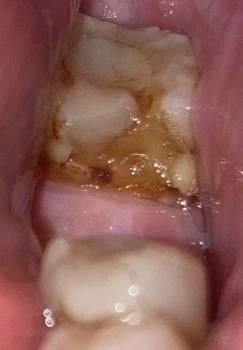
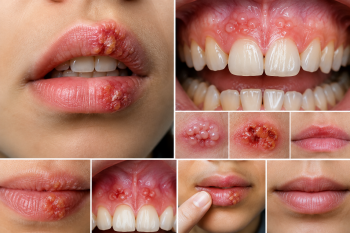
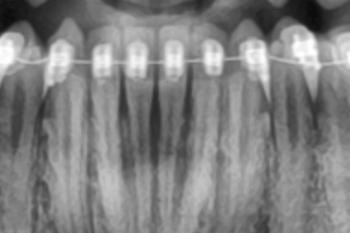
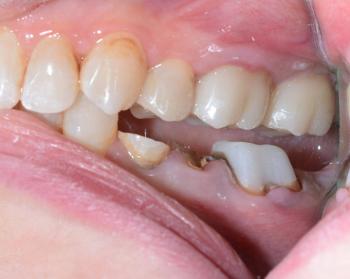
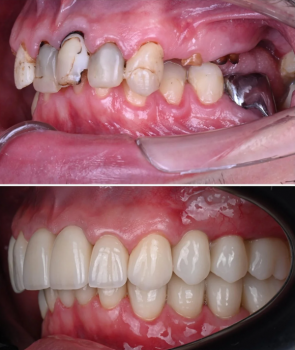
Patients with lower front gum inflammation may also experience tartar buildup, periodontal disease, gum abscesses, or tooth decay. Explore these related clinical case studies.


Other topics:
Other Dental Clinic