Other topics:

Stress, Teeth Grinding, and Tooth Damage: A USA Dentist Explains
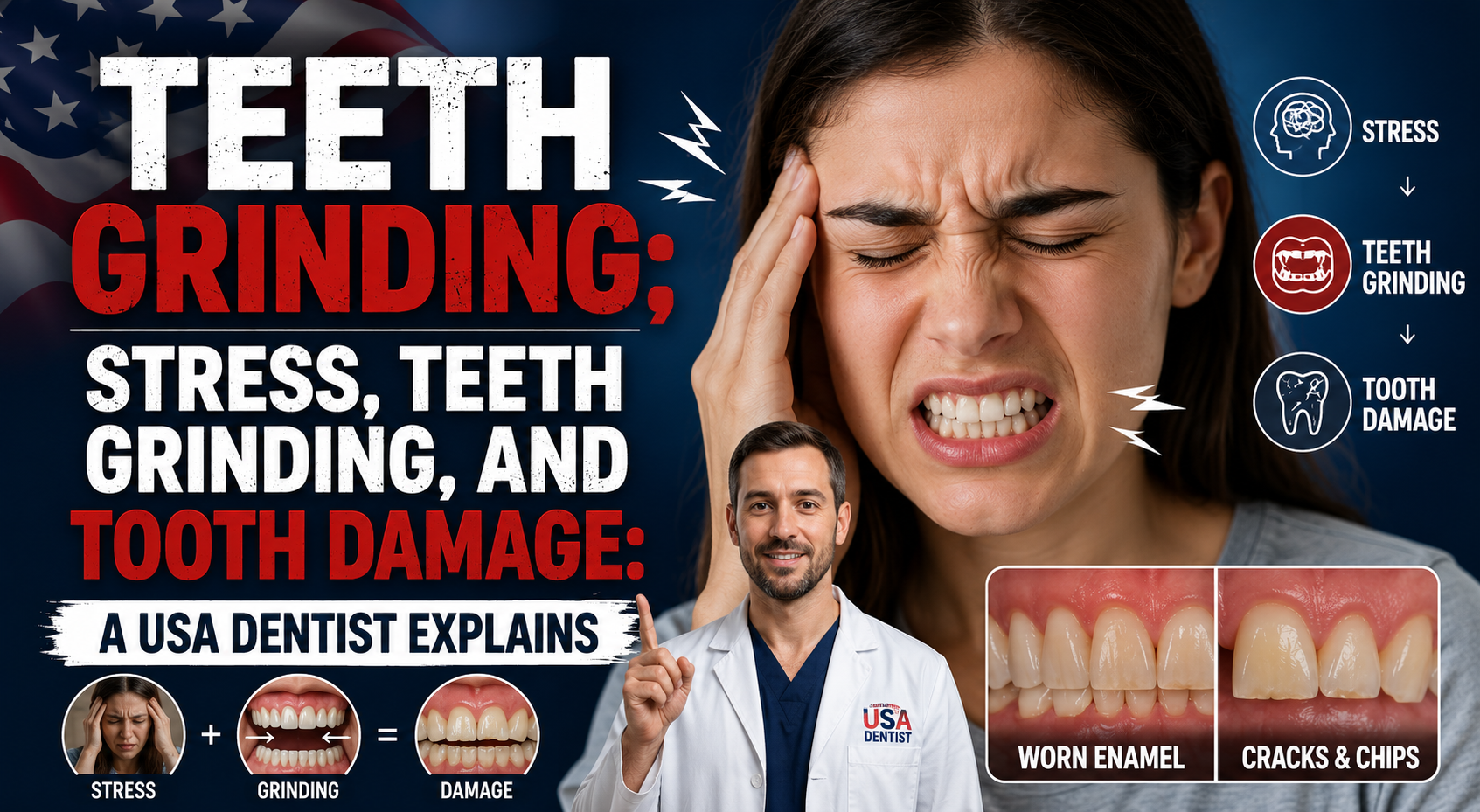
I Couldn't Stop Worrying for a Month—Then My Teeth Started Hurting: A USA Dentist with 20 Years of Experience Explains the Link Between Stress, Sleep, Bruxism, and Abfraction

When Worry Begins to Show Up in Your Mouth

Over my 20 years as a practicing dentist in the United States, I have treated thousands of patients suffering from tooth pain, gum sensitivity, cracked teeth, jaw discomfort, and unexplained dental damage. Surprisingly, many of these patients shared something in common: prolonged periods of stress and anxiety.
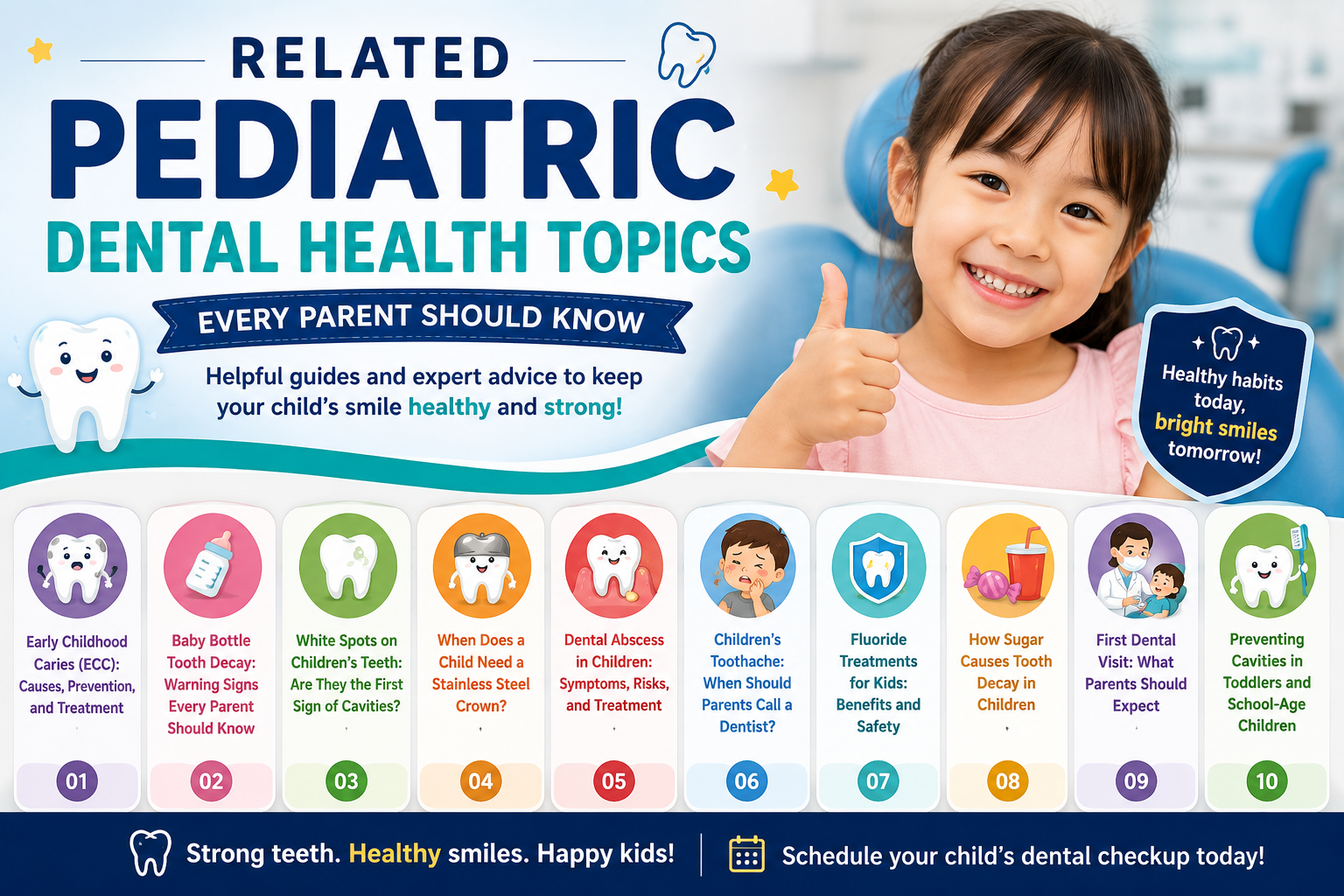
Related Pediatric Dental Health Topics Every Parent Should Know

Early Childhood Caries (ECC): Causes, Prevention, and Treatment

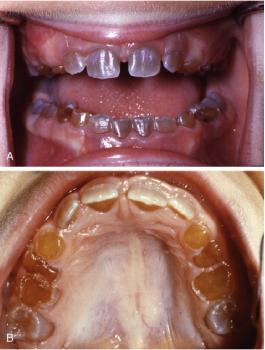
Early Childhood Caries (ECC) is a severe form of tooth decay that affects babies and preschool-aged children. Frequent exposure to sugary drinks, poor oral hygiene, and prolonged bottle feeding can quickly damage young teeth. Early dental visits, fluoride protection, and healthy eating habits can prevent ECC and help children maintain healthy smiles.

Dental Operating Positions: The Ultimate Guide to Dentist Ergonomics (Clock Positions & Beyond)

The Ultimate Guide to Optimal Dental Operating Positions: Precision, Ergonomics, and Innovation

Dentistry is as much about precision as it is about ergonomics. The way a dentist positions themselves around the patient can make the difference between a smooth, efficient procedure and one plagued by strain, fatigue, or compromised visibility.

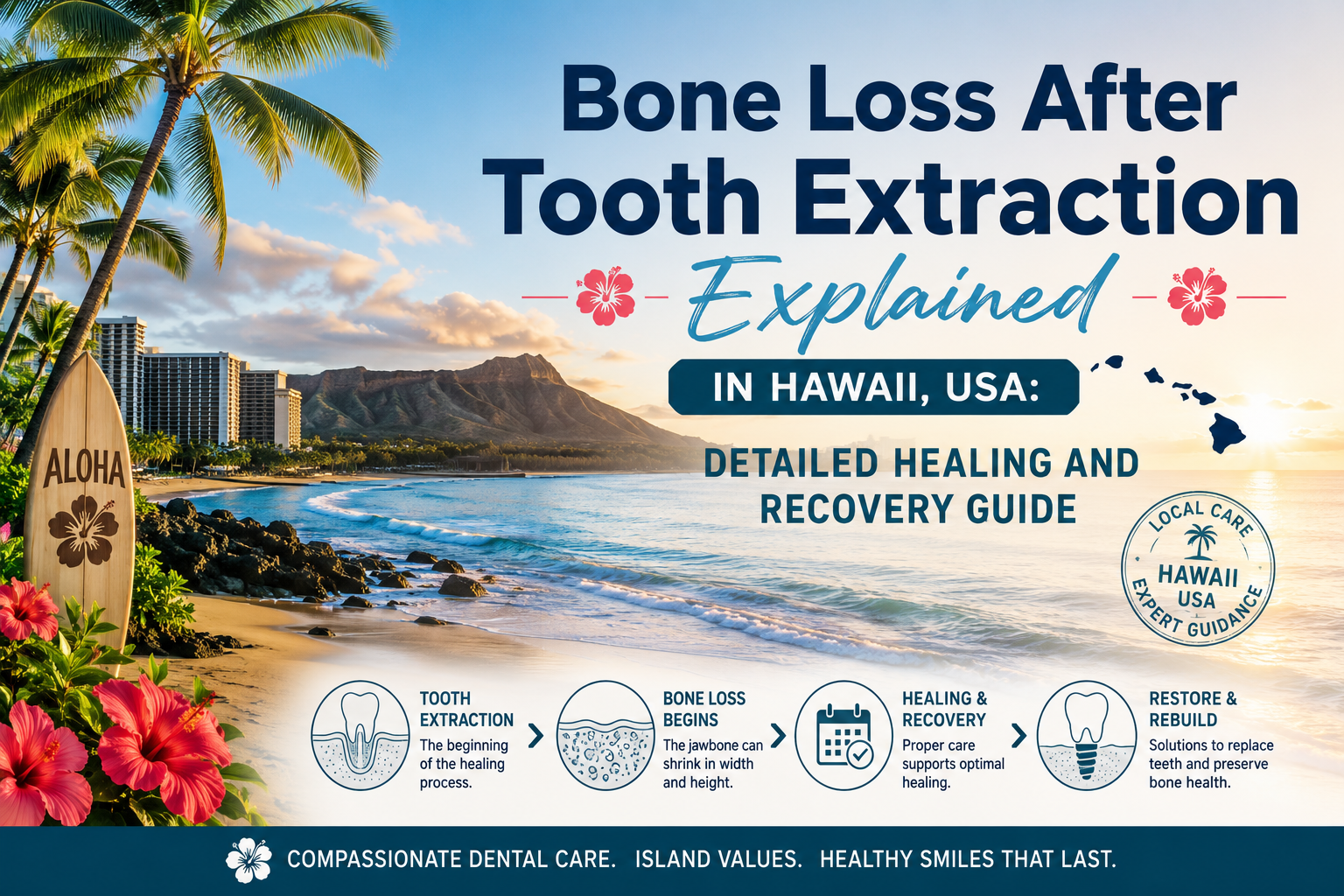
Bone Loss After Tooth Extraction Explained in Hawaii, USA: Detailed Healing and Recovery Guide

Expert Guide From a USA Dental Bone Graft Specialist With 25 Years of Experience

Tooth extraction may solve pain, infection, or severe dental damage, but many patients in Hawaii are surprised to learn that removing a tooth can also trigger jawbone loss. This process often begins immediately after extraction and may continue for years if the missing tooth is not properly treated.

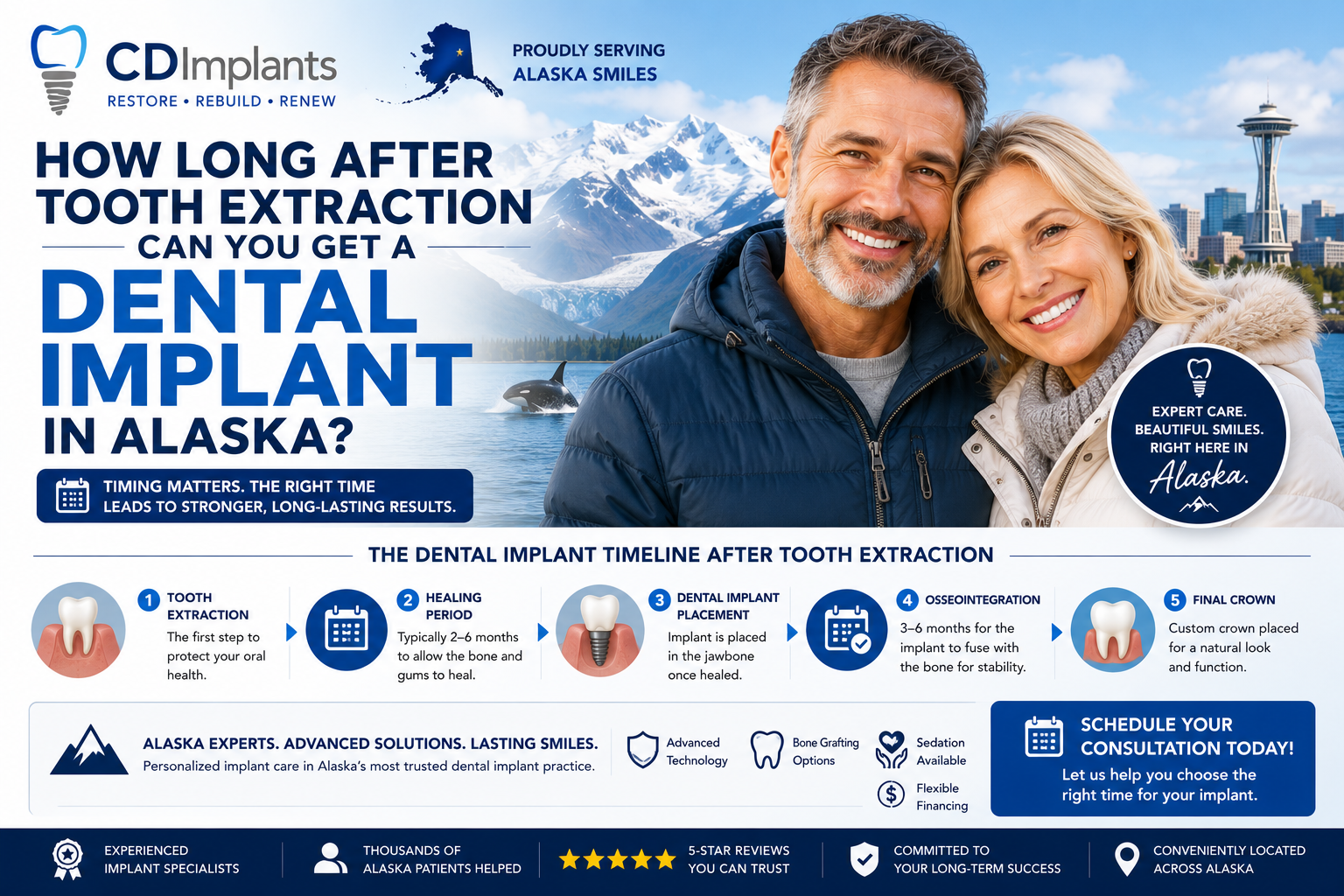
How Long After Tooth Extraction Can You Get a Dental Implant in Alaska?

Losing a tooth can feel overwhelming, especially when you are trying to decide how soon you can replace it with a dental implant. Many patients in Alaska ask the same important question: How long after a tooth extraction can you get a dental implant?

The answer depends on several factors, including your bone health, gum condition, infection level, smoking habits, overall health, and how the tooth was removed. Some patients can receive an implant immediately after extraction, while others may need to wait several months for proper healing.

Dental Implants vs Dentures: Which Is Better

Dental implants and dentures are two of the most common tooth replacement options in the United States. Choosing between them depends on cost, durability, comfort, and long-term oral health goals.

Cost Comparison

Dentures are generally more affordable upfront. In the US, traditional dentures cost between $600 and $3,000. Dental implants, on the other hand, range from $3,000 to $6,000 per tooth.

However, dentures may need replacement every 5–10 years, while implants can last 20 years or more.

Best Dental Insurance for Implants in the US

Dental insurance can significantly reduce implant costs. In 2026, more US insurance providers partially cover implants.

Insurance Providers That May Cover Implants

  • Delta Dental

  • Cigna

  • Aetna

  • MetLife

  • Guardian

Coverage typically ranges from 10% to 50%, depending on the plan.

Waiting Periods

Many policies require a 6–12 month waiting period before implant benefits apply.

Why Some Hollywood Stars Invest in Dental Clinics: The Hidden Business Behind Famous Smiles

In Hollywood, a smile is more than just appearance.

For many actors and actresses, a healthy and confident smile becomes part of their identity, career, and public image. Cameras capture every detail. Red carpet events, movie premieres, interviews, and close-up film scenes place enormous attention on facial appearance and dental aesthetics.

But behind the glamour, some celebrities also think like entrepreneurs.

A 45-Year-Old Man Eats Candy 3 Times Daily: What Will His Teeth Look Like in 5 Years? (Dentist Analysis)

Meet John, a 45-year-old man from California, who has a sweet tooth—eating candy three times a day. He brushes his teeth three times daily to "prevent damage," but is that enough to save his teeth from decay?

What will happen to John’s teeth in five years if he continues this habit? We consulted dentists to analyze his risks, potential damage, and whether his brushing routine can offset the harm.


Current Dental Profile

  • Age: 45

Pages