Missing Teeth? Find Your Smile Again.

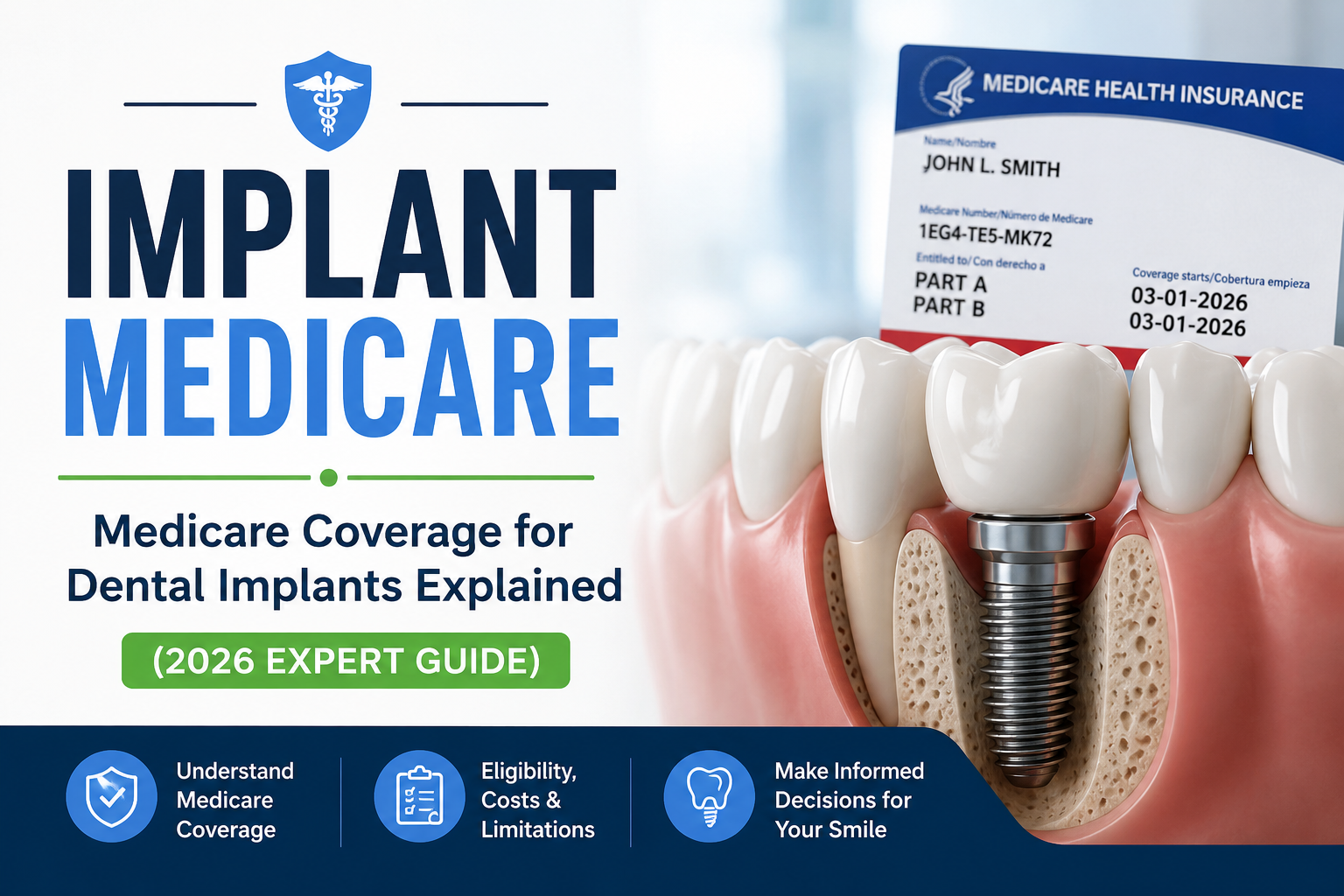
Medicare Coverage for Dental Implants Explained (2026 Expert Guide)
Language :
One of the most common questions older adults ask in dental offices across the United States is:
“Does Medicare cover dental implants?”
The answer is unfortunately not straightforward.
Traditional Medicare generally does not cover routine dental care, including most dental implant procedures. However, there are important exceptions, evolving regulations, Medicare Advantage benefits, and medically necessary situations that may provide partial coverage.
As a dental professional in the United States, I regularly meet patients who are confused about:
- What Medicare actually covers
- Why implants are often excluded
- Whether Medicare Advantage plans help
- How medical necessity changes eligibility
- What financing options exist for seniors
The good news is that dental implant access for seniors has improved in recent years. More Medicare Advantage plans now include expanded dental benefits, and certain medically necessary implant-related procedures may qualify under medical coverage.
This detailed guide explains:
- How Medicare works for dental implants
- What is usually excluded
- What may qualify for coverage
- How seniors can reduce implant costs
- What questions to ask before treatment
If you or a loved one are considering implants while on Medicare, this guide will help you understand the real-world situation from the perspective of a U.S. dental expert.
Why Seniors Often Need Dental Implants
Tooth loss becomes more common with age due to:
- Gum disease
- Tooth decay
- Bone loss
- Fractured teeth
- Wear and tear
- Medical conditions
- Dry mouth from medications
Missing teeth affect more than appearance.
They can lead to:
- Difficulty chewing
- Nutritional problems
- Speech changes
- Jawbone shrinkage
- Facial collapse
- Lower confidence
- Reduced quality of life
Dental implants provide one of the most stable and long-lasting solutions for replacing missing teeth.
What Are Dental Implants?
A dental implant is an artificial tooth root typically made from titanium.
The implant is surgically placed into the jawbone, where it integrates with the bone over time.
A complete implant restoration usually includes:
- Implant post
- Abutment
- Crown
Implants may also support:
- Bridges
- Implant dentures
- Full-mouth restorations
Compared with removable dentures, implants offer:
- Better chewing ability
- Greater comfort
- Improved stability
- Better jawbone preservation
Does Original Medicare Cover Dental Implants?
In Most Cases: No
Original Medicare includes:
- Part A (Hospital Insurance)
- Part B (Medical Insurance)
Neither typically covers:
- Routine dental exams
- Cleanings
- Fillings
- Dentures
- Dental implants
This exclusion has existed for decades because Medicare historically separated:
- Medical care
from - Routine dental care
As a result, most implant procedures remain excluded under standard Medicare.
Why Medicare Usually Excludes Dental Implants
Medicare classifies most implant procedures as:
Routine dental services
This means procedures involving:
- Tooth replacement
- Tooth restoration
- Routine oral rehabilitation
are usually not reimbursed.
Even though implants improve oral function and health, Medicare regulations still maintain strict limitations.
Situations Where Medicare MAY Cover Implant-Related Procedures
This is where many patients become confused.
While routine implants are usually excluded, Medicare may cover certain medically necessary services connected to dental treatment.
Examples include:
1. Jaw Reconstruction After Trauma
If a patient experiences:
- Severe facial injury
- Car accident trauma
- Jaw fractures
Medicare may cover portions of:
- Hospital surgery
- Reconstruction procedures
Some implant-related components may become medically necessary during rehabilitation.
2. Cancer Treatment and Oral Reconstruction
Patients undergoing treatment for:
- Oral cancer
- Jaw tumors
- Facial cancers
may require reconstructive surgery involving implants.
In these cases, Medicare may help cover:
- Hospital-based surgery
- Reconstruction
- Medically necessary oral rehabilitation
Coverage depends heavily on physician documentation.
3. Congenital Defects or Severe Medical Conditions
Certain rare conditions involving:
- Facial deformities
- Birth defects
- Severe bone deterioration
may qualify for medically necessary treatment.
Again, Medicare evaluates these individually.
4. Hospitalization Related to Dental Procedures
Medicare Part A may cover:
- Hospital stays
- Operating room fees
- Anesthesia
if dental procedures are medically required during hospitalization.
However, this does NOT necessarily mean Medicare covers the implant itself.
What Medicare Advantage Plans Cover
This is where coverage opportunities improve significantly.
Medicare Advantage (Part C)
These plans are offered through private insurers approved by Medicare.
Many Advantage plans now include:
- Preventive dental
- Fillings
- Dentures
- Crowns
- Limited implant coverage
Coverage varies dramatically between plans.
Some Medicare Advantage Plans Cover Implants
In recent years, competition among insurers has increased dental benefits.
Some plans now offer:
- Implant allowances
- Major restorative coverage
- Supplemental dental packages
However:
- Annual limits apply
- Waiting periods may exist
- Network restrictions are common
Typical Implant Benefits Under Medicare Advantage
Coverage may include:
- 10%–50% reimbursement
- Fixed annual allowances
- Specific implant limits
For example:
- $1,500 annual dental maximum
- $2,000 annual implant allowance
But complex implant cases often exceed these amounts substantially.
Understanding Annual Maximums
This is one of the most important limitations.
Many Advantage dental plans cap yearly benefits at:
- $1,000
- $2,000
- $3,000
Meanwhile, implant treatment may cost:
- $3,000–$7,000 per tooth
- $20,000–$50,000 for full-mouth reconstruction
So even with insurance, patients often pay considerable out-of-pocket costs.
What Parts of Implant Treatment May Be Covered?
Some plans separate implant treatment into categories.
Coverage may apply differently to:
| Procedure | Possible Coverage |
|---|---|
| Consultation | Often covered |
| X-rays | Frequently covered |
| Extraction | Sometimes covered |
| Bone grafting | Rarely covered |
| Implant surgery | Limited coverage |
| Crown | Partial coverage |
| Dentures | More commonly covered |
Every plan differs.
Why Implant Coverage Is Improving
The dental industry has increasingly demonstrated that implants are:
- Functional
- Long-lasting
- Preventive for bone loss
- Important for nutrition and overall health
As America’s senior population grows, insurers recognize that oral health strongly affects:
- General health
- Diabetes control
- Nutrition
- Heart disease risk
- Quality of life
This has encouraged broader dental benefit expansion.
Common Limitations Seniors Must Understand
Even when implant coverage exists, restrictions often include:
Waiting Periods
Patients may need:
- 6–12 months enrollment before major benefits begin
Network Restrictions
Some plans only reimburse:
- In-network dentists
Out-of-network implant specialists may increase costs.
Frequency Limits
Some policies limit:
- Number of implants per year
- Number of covered missing teeth
Medical Necessity Documentation
Some claims require proof that implants are medically necessary instead of optional.
Average Dental Implant Costs for Seniors
In the United States, average implant costs include:
| Treatment | Average Cost |
|---|---|
| Single implant | $3,000–$7,000 |
| Implant bridge | $6,000–$15,000 |
| Implant denture | $10,000–$30,000 |
| Full-mouth implants | $20,000–$60,000 |
These costs vary based on:
- Bone condition
- Surgical complexity
- Geographic region
- Sedation
- Specialist expertise
Alternatives Medicare Patients Consider
Some seniors choose alternatives because of lower upfront costs.
Traditional Dentures
Pros:
- Lowest cost
- Widely covered
Cons:
- Reduced stability
- Bone shrinkage
- Lower chewing efficiency
Dental Bridges
Pros:
- Lower cost than implants
- Faster treatment
Cons:
- Requires grinding healthy teeth
- Does not preserve bone
Why Many Seniors Still Choose Implants
Despite costs, many older adults prefer implants because they:
- Feel more natural
- Improve confidence
- Improve chewing
- Prevent denture slipping
- Support facial structure
- Improve quality of life
Modern implant dentistry has dramatically improved comfort and success rates for seniors.
Age alone is usually NOT a barrier.
Healthy adults in their 70s and 80s can often receive implants successfully.
Financing Options for Medicare Patients
Because Medicare coverage remains limited, many seniors use financing solutions.
Common options include:
- CareCredit
- Sunbit
- In-house financing
- Health Savings Accounts (if applicable)
- Family assistance
- Dental school clinics
- Veteran benefits (VA)
Some offices also offer:
- Implant membership plans
- Cash discounts
- Phased treatment options
Dental Schools and Reduced-Cost Implant Care
Some university dental programs provide:
- Lower-cost implant treatment
Care is supervised by experienced specialists and faculty.
This may help seniors reduce expenses while still receiving quality care.
Can Veterans Receive Implant Coverage?
Some veterans qualify for dental benefits through the VA.
Coverage depends on:
- Service-connected disability
- Eligibility category
- Medical necessity
Veterans should contact their VA dental department directly.
Questions Seniors Should Ask Before Implant Treatment
Before beginning treatment, ask:
- Does my Medicare Advantage plan cover implants?
- What is my annual maximum?
- Are there waiting periods?
- Is my dentist in-network?
- Is pre-authorization required?
- Are bone grafts covered?
- Are implant dentures covered differently?
- Can medical insurance contribute?
- What financing options are available?
- Are there alternative treatment plans?
These questions can prevent major financial surprises.
Expert Advice From a U.S. Dental Perspective
As dental professionals, we see many seniors postpone implant treatment because they believe:
“I’m too old”
or
“Insurance won’t help at all.”
Neither assumption is always true.
Today’s implant techniques are:
- Safer
- Faster
- More predictable
And Medicare Advantage plans are gradually improving dental benefits.
Patients who take time to:
- Compare plans
- Understand benefits
- Coordinate treatment timing
- Work with experienced implant offices
often save significantly.
Most importantly, oral health strongly affects overall health, especially in older adults.
Delaying treatment too long may lead to:
- Additional tooth loss
- Bone shrinkage
- Nutritional decline
- More expensive future treatment
Final Thoughts
Traditional Medicare still does not routinely cover dental implants. However, the situation is changing gradually as oral health becomes more integrated into overall healthcare discussions in the United States.
While Original Medicare typically excludes implants, some Medicare Advantage plans now provide:
- Partial implant coverage
- Restorative dental benefits
- Annual dental allowances
In medically necessary situations involving:
- Trauma
- Cancer reconstruction
- Severe jaw conditions
certain procedures may also qualify under medical insurance coverage.
The key is understanding:
- Your exact plan
- Coverage limitations
- Annual maximums
- Network requirements
- Financing alternatives
Dental implants can dramatically improve:
- Comfort
- Nutrition
- Confidence
- Speech
- Long-term quality of life
For many seniors, implants are not simply cosmetic — they are a life-changing investment in health and daily function.
FAQ: Medicare and Dental Implants
Does Original Medicare pay for dental implants?
Generally no. Original Medicare usually excludes routine dental implant procedures.
Do Medicare Advantage plans cover implants?
Some do. Coverage varies by insurer, plan type, annual maximums, and network restrictions.
Can Medicare cover implants after an accident?
Possibly. Trauma-related reconstruction may qualify for medical coverage in certain situations.
How much do implants cost with Medicare?
Even with supplemental coverage, patients often pay significant out-of-pocket costs because implant treatment can exceed annual dental limits.
Are seniors too old for implants?
Usually not. Many healthy seniors successfully receive implants well into their 70s and 80s.
Related Topics
- Dental Implant Cost for Seniors in the USA
- Medicare Advantage Dental Benefits Explained
- Implant Dentures vs Traditional Dentures for Older Adults
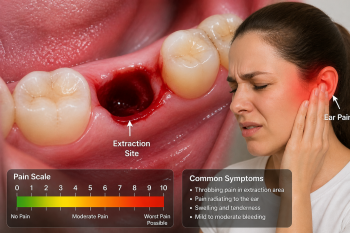
Can tooth extraction cause infection? Mild inflammation is normal, but increasing swelling, fever, or severe pain may indicate infection. Learn more about post-extraction infection warning signs in this detailed guide.
Book a consultation with our Cebu dental specialists for proper evaluation and care.
Ready to get expert guidance?
If you’re experiencing severe pain or delayed healing, book a consultation with our Cebu dental specialists to get proper evaluation and care.
Consultation or contact page .
Book a Consultation
For severe discomfort or delayed healing, book a consultation with our Cebu dental specialists today.
Looking for a dentist? Browse our Cebu dental directory to find trusted clinics near you.
Medical Review and Clinical Basis
This article is based on clinical dental guidelines and real patient recovery patterns observed after tooth extraction procedures. The information reflects common post-extraction healing stages, including normal clot formation, gum tissue repair, and signs of possible complications such as dry socket or infection.
While mild discomfort is expected after a dental extraction, worsening pain after Day 3, bad odor, exposed bone, or spreading pain may require professional evaluation. These symptoms are consistent with known post-extraction complications described in standard dental practice.
About Cebu Dental Implants
Cebu Dental Implants provides comprehensive tooth extraction, surgical procedures, and dental implant services in the Philippines. Our team evaluates post-extraction healing, manages complications such as dry socket, and advises patients on proper aftercare to prevent infection and delayed healing.
If you experience severe pain or unusual symptoms after extraction, early professional assessment is recommended to prevent further complications.
Important Medical Disclaimer
This content is for educational purposes only and does not replace professional dental diagnosis. Every patient heals differently. If symptoms worsen or do not improve within a few days, consult a licensed dentist for proper evaluation and treatment.
Author
This article was prepared by the Cebu Dental Implants content team in consultation with licensed dental professionals experienced in tooth extraction and implant procedures.
Related Clinical Cases
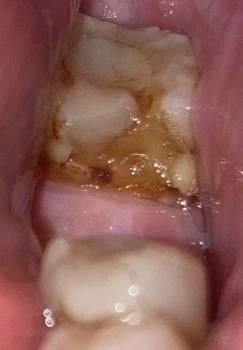
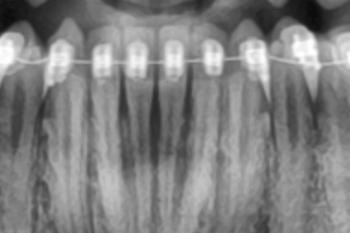
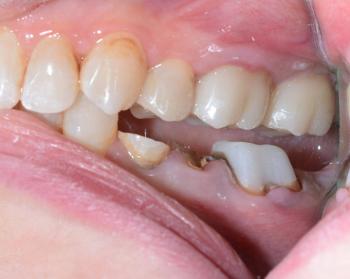
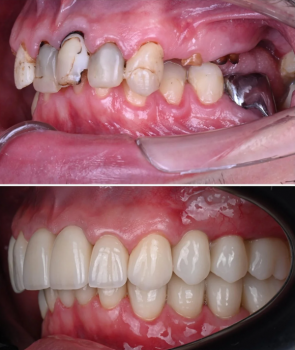
Patients with lower front gum inflammation may also experience tartar buildup, periodontal disease, gum abscesses, or tooth decay. Explore these related clinical case studies.



Other topics:
Other Dental Clinic