Smile Again with Comfort and Confidence.

Missed Canals in Los Angeles, California: A USA Dentist Explains Diagnosis, Treatment Options, Worst-Case Scenarios, and How to Save Your Tooth
Language :

One of the most common reasons a root canal treatment fails is a missed canal. As a practicing USA dentist, I have seen many patients arrive at the office frustrated because they continue to experience pain, swelling, sensitivity, or infection months—or even years—after undergoing root canal treatment.
Many of these patients believe the treated tooth is beyond saving. However, the truth is that a missed canal does not automatically mean tooth loss. In many cases, modern diagnostic technology and specialized retreatment procedures can successfully eliminate infection and preserve the natural tooth.
In Los Angeles, California, where patients often seek advanced dental care and specialist treatment, missed canals are frequently diagnosed using modern imaging techniques such as 3D cone beam computed tomography (CBCT) scans. These technologies allow dentists and endodontists to locate hidden anatomy that may have been overlooked during the original treatment.
This comprehensive guide explains what missed canals are, how they occur, symptoms to watch for, diagnostic methods, treatment options, worst-case scenarios, and how timely intervention can help save your tooth.
What Is a Missed Canal?
Inside every tooth is a network of canals that contain nerves, blood vessels, and connective tissue known as the dental pulp.
During root canal treatment, the infected or damaged pulp is removed, the canals are cleaned and disinfected, and the space is sealed.
A missed canal occurs when one of these root canals is not identified, cleaned, or sealed during treatment.
Because bacteria remain inside the untreated canal, infection can continue to grow, eventually causing symptoms and bone destruction around the tooth.
Think of it like cleaning only three rooms of a four-room house. The remaining room can still harbor contamination that spreads throughout the structure.
Why Do Missed Canals Occur?
Many patients assume a missed canal results from negligence. While this can occasionally happen, most missed canals occur because of complex tooth anatomy.
Human teeth are surprisingly intricate.
No two teeth are exactly alike.
Some teeth contain:
- Extra canals
- Curved canals
- Calcified canals
- Hidden accessory canals
- Extremely narrow canals
Even experienced dentists can encounter challenging anatomy.
Common reasons for missed canals include:
Unusual Tooth Anatomy
Some teeth naturally contain more canals than expected.
Examples include:
- Upper first molars frequently having a hidden MB2 canal
- Lower molars occasionally having additional canals
- Premolars containing unexpected root configurations
Limited Visibility
Older root canal procedures performed without magnification may have made it difficult to identify tiny canal openings.
Modern dental microscopes dramatically improve visibility.
Calcification
As patients age, canals may become narrowed by calcium deposits.
These canals can become extremely difficult to locate.
Severe Curvature
Some canals bend sharply inside the root.
Locating and cleaning these canals can be technically challenging.
Complex Previous Restorations
Large fillings, crowns, or previous dental work may obscure access to the canal system.
Which Teeth Commonly Have Missed Canals?
Certain teeth are more likely to contain hidden anatomy.
Upper First Molars
These teeth are notorious for containing a fourth canal known as the MB2 canal.
This is one of the most commonly missed canals in dentistry.
Lower Molars
Lower molars often contain additional canals that can be difficult to detect.
Premolars
Premolars sometimes have unexpected canal systems despite appearing straightforward on X-rays.
Canines
Although less common, canines occasionally possess additional anatomy that may be overlooked.
Symptoms of a Missed Canal
Symptoms can appear shortly after treatment or remain dormant for years.
Common signs include:
Persistent Tooth Pain
Pain may continue despite previous root canal treatment.
Patients often describe:
- Throbbing pain
- Dull aching
- Intermittent discomfort
Sensitivity When Chewing
Pressure during biting may trigger pain.
This often indicates inflammation around the root tip.
Swelling
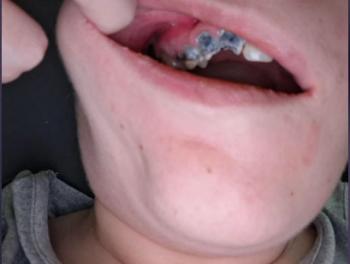
Localized gum swelling may develop around the affected tooth.
Gum Pimple (Dental Fistula)
A recurring bump on the gums may release pus.
This indicates chronic infection.
Bad Taste or Bad Breath
Draining infection can create unpleasant odors or tastes.
Facial Swelling
Advanced infections may spread beyond the tooth into surrounding tissues.
Bone Loss
Often visible only on X-rays or CBCT scans.
Can a Missed Canal Cause an Infection?
Absolutely.
A missed canal remains connected to bacterial contamination.
As bacteria multiply, infection can spread beyond the root tip into surrounding bone.
The body's immune system attempts to contain the infection, but over time significant damage may occur.
Common complications include:
- Chronic abscesses
- Bone destruction
- Gum swelling
- Facial swelling
- Pain during chewing
Without treatment, infection typically worsens rather than improves.
How Dentists Diagnose Missed Canals in Los Angeles
Modern dentistry provides advanced tools for identifying hidden canals.
Clinical Examination
The dentist evaluates:
- Pain symptoms
- Swelling
- Bite sensitivity
- Gum health
Digital X-Rays
Traditional radiographs often reveal:
- Persistent infection
- Bone loss
- Incomplete root canal filling
CBCT 3D Imaging
CBCT scanning is often the most valuable diagnostic tool.
Unlike traditional X-rays, CBCT provides three-dimensional views of the tooth.
Benefits include:
- Identifying hidden canals
- Detecting fractures
- Evaluating bone loss
- Locating missed anatomy
Many Los Angeles endodontic specialists rely heavily on CBCT technology.
Dental Operating Microscope
Microscopic magnification allows dentists to locate canals invisible to the naked eye.
Modern microscopes significantly improve treatment success.
What Happens If a Missed Canal Is Left Untreated?
Ignoring a missed canal can lead to progressive infection.
Initially, symptoms may be mild.
Over time, serious complications can develop.
Worst-Case Scenario #1: Chronic Dental Abscess
An untreated canal may continuously produce infection.
Patients often experience:
- Swelling
- Pain
- Drainage
The infection may repeatedly flare up.
Worst-Case Scenario #2: Extensive Bone Loss
Infection destroys surrounding bone.
Large areas of bone damage may develop around the root.
This can weaken support for the tooth.
Worst-Case Scenario #3: Facial Cellulitis
Infection may spread into facial tissues.
Symptoms include:
- Facial swelling
- Pain
- Difficulty opening the mouth
This condition may require emergency treatment.
Worst-Case Scenario #4: Deep Fascial Space Infection
In rare situations, infection spreads into deeper facial spaces.
Potential symptoms include:
- Severe swelling
- Difficulty swallowing
- Breathing difficulties
This represents a true medical emergency.
Worst-Case Scenario #5: Tooth Fracture
Chronic infection weakens the tooth structure.
Eventually, the tooth may crack beyond repair.
Worst-Case Scenario #6: Tooth Loss
If infection becomes severe or structural damage is extensive, extraction may become necessary.
Saving the natural tooth is always preferable when possible.
Treatment Options for a Missed Canal
Fortunately, most missed canals can be successfully treated.
The ideal treatment depends on the tooth's condition.
Root Canal Retreatment
Retreatment is often the first recommendation.
The dentist:
- Removes existing filling material
- Locates missed canals
- Cleans infected tissue
- Disinfects the root system
- Refills all canals
- Places a new restoration
Success rates are generally high when the missed canal is properly treated.
Endodontic Microsurgery
If conventional retreatment is not possible, surgical treatment may be recommended.
Procedures such as apicoectomy involve:
- Accessing the root tip surgically
- Removing infected tissue
- Sealing the root end
This approach can save teeth that might otherwise require extraction.
Crown Replacement
Sometimes the crown must be removed to gain proper access.
After retreatment, a new crown may be fabricated.
Tooth Extraction
Extraction is generally considered the final option when:
- Severe fractures exist
- Bone loss is extensive
- Tooth structure is inadequate
Even then, replacement options are available.
Can a Tooth With a Missed Canal Be Saved?
In many cases, yes.
Factors affecting prognosis include:
- Amount of bone loss
- Presence of fractures
- Quality of previous treatment
- Patient health
- Speed of intervention
Many teeth with missed canals remain functional for decades after successful retreatment.
How Successful Is Retreatment?
Modern retreatment success rates are encouraging.
Success depends on:
- Accurate diagnosis
- Complete cleaning
- Proper sealing
- Restoration quality
When infection is caught early, outcomes are typically excellent.
What Is Recovery Like?
Most patients recover quickly.
Common experiences include:
- Mild soreness
- Temporary chewing sensitivity
- Minor gum tenderness
Symptoms usually improve within several days.
Most patients return to normal activities immediately.
Preventing Missed Canals
Patients can improve outcomes by choosing providers who utilize:
- Digital imaging
- CBCT technology
- Dental microscopes
- Modern endodontic techniques
Complex molars often benefit from specialist evaluation.
Early diagnosis significantly reduces complications.
When Should You See a Dentist?
Schedule an evaluation if you experience:
- Persistent pain after root canal treatment
- Swelling near a treated tooth
- Gum pimples
- Recurrent abscesses
- Chewing discomfort
- Facial swelling
Prompt treatment can prevent extensive damage.
A Realistic Success Story
Michael, a 42-year-old software engineer in Los Angeles, believed he would lose his upper molar.
Five years earlier, he underwent root canal treatment and received a crown. Recently, he noticed recurring swelling and discomfort while chewing.
Several courses of antibiotics temporarily reduced symptoms, but the problem always returned.
A CBCT scan revealed a missed MB2 canal in the upper molar.
The tooth was referred for endodontic retreatment.
Using a dental microscope, the specialist located the hidden canal and thoroughly disinfected the entire root system.
A new crown was placed after healing.
Six months later, follow-up imaging showed healthy bone regeneration and complete resolution of infection.
Today, Michael continues to enjoy normal chewing function and remains grateful that his natural tooth was saved instead of extracted.
His case demonstrates an important lesson: a failed root canal does not automatically mean a tooth is hopeless. With proper diagnosis and treatment, many teeth affected by missed canals can be restored to long-term health.
Final Thoughts From a USA Dentist
Missed canals are among the most common causes of root canal failure. Fortunately, advances in dental technology have made diagnosis and treatment more predictable than ever before.
If you live in Los Angeles, California, and continue experiencing pain, swelling, or recurring infection after root canal treatment, do not assume extraction is your only option.
A thorough evaluation using modern imaging techniques may reveal a missed canal that can be successfully treated.
The earlier the problem is diagnosed, the greater the chance of saving your natural tooth, preventing bone loss, eliminating infection, and avoiding more extensive procedures in the future.
When it comes to root canal complications, timely treatment is often the difference between preserving your smile and losing a valuable natural tooth.
Can tooth extraction cause infection? Mild inflammation is normal, but increasing swelling, fever, or severe pain may indicate infection. Learn more about post-extraction infection warning signs in this detailed guide.
Book a consultation with our Cebu dental specialists for proper evaluation and care.
Ready to get expert guidance?
If you’re experiencing severe pain or delayed healing, book a consultation with our Cebu dental specialists to get proper evaluation and care.
Consultation or contact page .
Book a Consultation
For severe discomfort or delayed healing, book a consultation with our Cebu dental specialists today.
Looking for a dentist? Browse our Cebu dental directory to find trusted clinics near you.
Medical Review and Clinical Basis
This article is based on clinical dental guidelines and real patient recovery patterns observed after tooth extraction procedures. The information reflects common post-extraction healing stages, including normal clot formation, gum tissue repair, and signs of possible complications such as dry socket or infection.
While mild discomfort is expected after a dental extraction, worsening pain after Day 3, bad odor, exposed bone, or spreading pain may require professional evaluation. These symptoms are consistent with known post-extraction complications described in standard dental practice.
About Cebu Dental Implants
Cebu Dental Implants provides comprehensive tooth extraction, surgical procedures, and dental implant services in the Philippines. Our team evaluates post-extraction healing, manages complications such as dry socket, and advises patients on proper aftercare to prevent infection and delayed healing.
If you experience severe pain or unusual symptoms after extraction, early professional assessment is recommended to prevent further complications.
Important Medical Disclaimer
This content is for educational purposes only and does not replace professional dental diagnosis. Every patient heals differently. If symptoms worsen or do not improve within a few days, consult a licensed dentist for proper evaluation and treatment.
Author
This article was prepared by the Cebu Dental Implants content team in consultation with licensed dental professionals experienced in tooth extraction and implant procedures.
Related Clinical Cases
Patients with lower front gum inflammation may also experience tartar buildup, periodontal disease, gum abscesses, or tooth decay. Explore these related clinical case studies.




Other topics:
Other Dental Clinic