Where Bright Smiles Begin.

Missing Lower Molar Tooth Case Analysis and Treatment Options
Image:
Severity:
Teeth Problems:
Missing Lower Molar Tooth Case Analysis and Treatment Options
What Is Seen in This Case
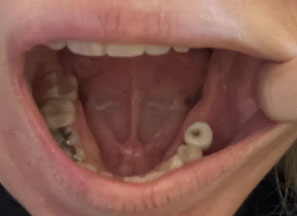
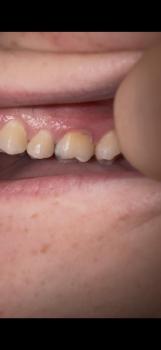
The image shows a missing lower back tooth (molar), with an open space where the tooth used to be. The surrounding gum tissue appears healed, suggesting the tooth was removed some time ago. The neighboring teeth are intact but may slowly shift toward the empty space.
A missing molar affects chewing efficiency and long-term oral stability.
Most Likely Diagnosis
Based on visual examination, the most likely findings include:
-
Missing lower molar due to extraction
-
Healed gum tissue at the extraction site
-
Early spacing changes in adjacent teeth
-
Risk of bone loss in the missing tooth area
A dental X-ray is needed to assess bone condition and plan replacement.
What Causes Loss of a Lower Molar
Common causes include:
-
Severe tooth decay
-
Tooth infection or abscess
-
Fractured tooth beyond repair
-
Gum disease
-
Delayed dental treatment
Molars are often lost first because they handle strong chewing forces.
Is This a Serious Problem
A missing molar may seem minor, but if left untreated, it can scale up into:
-
Difficulty chewing food properly
-
Shifting or tilting of nearby teeth
-
Over-eruption of the opposing tooth
-
Jawbone loss in the missing area
-
Bite imbalance and jaw discomfort
Replacing the tooth early prevents long-term complications.
Recommended Treatment Options
Initial Assessment (Days 1–3)
-
Dental examination
-
Dental X-ray to check bone level
-
Evaluation of bite and neighboring teeth
Tooth Replacement Options (Days 4–14 Planning Phase)
Depending on bone and budget, options may include:
-
Dental implant (most stable long-term option)
-
Fixed dental bridge
-
Removable partial denture
The dentist will recommend the best option based on bone health and patient needs.
Expected Healing and Treatment Timeline
-
Implant planning and healing: several weeks to months
-
Bridge or denture placement: 1–2 weeks after preparation
-
Gum comfort usually improves within 7–14 days after procedures
Timelines vary depending on treatment choice.
What Happens If Tooth Replacement Is Delayed
If replacement is delayed, the following may occur:
-
Progressive bone loss
-
Worsening tooth alignment
-
Increased difficulty placing implants later
-
Higher treatment cost
-
Reduced chewing efficiency
Early planning protects both function and appearance.
Home Care While Missing a Tooth
These steps help maintain oral health:
-
Keep the area clean
-
Brush and floss neighboring teeth carefully
-
Avoid chewing hard foods on one side
-
Schedule a dental consultation for replacement planning
Professional Comment
This case shows a missing lower molar with healed gums, which is a good opportunity for early replacement. Addressing tooth loss promptly helps preserve bone, maintain bite balance, and improve overall oral health.
Visit a Dental Clinic Near You
For tooth replacement consultation and treatment planning, visit:
https://cebudentalimplants.com/map-dental-clinic
Related Clinical Cases
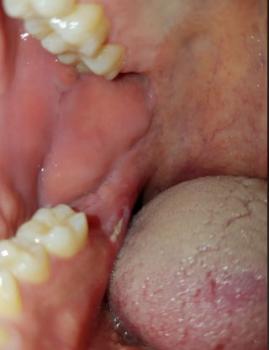
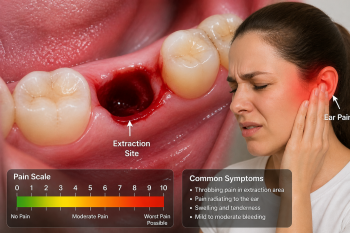
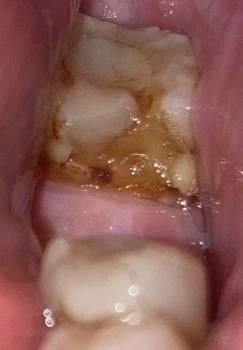
Patients with lower front gum inflammation may also experience tartar buildup, periodontal disease, gum abscesses, or tooth decay. Explore these related clinical case studies.



Other topics:
Other Dental Clinic