Healthy Teeth, Happy Life.

Dental Abscess Still Swollen After Antibiotics? Expert Dentist Explains When Drainage Is Needed
Language :
Topics:
Real Dental Abscess Case: Swollen Gum With Minimal Improvement After 3 Days
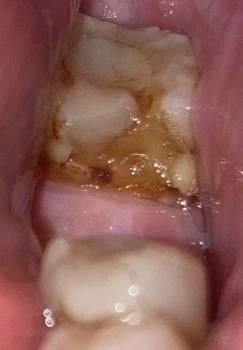
Karl noticed something unusual developing in his lower gum area. The swelling became red, enlarged, and painful. The gum looked like it was “swallowing” part of the tooth area, a common description patients use when pressure builds from a dental abscess.
He immediately visited a dental clinic.
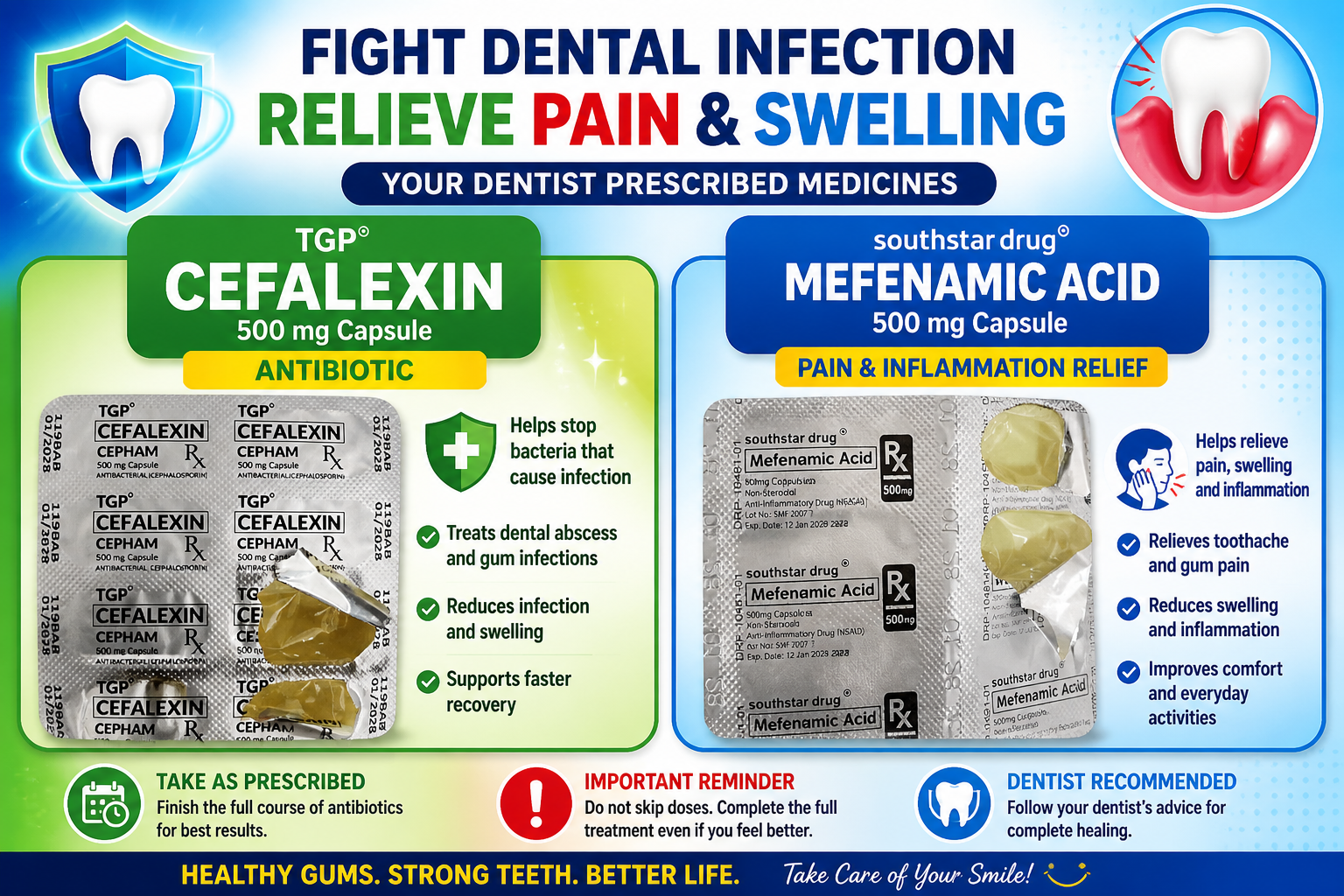
The dental assistant advised him to take:
- Cefalexin for infection
- Mefenamic Acid for pain and inflammation
The advice was simple:
“Take the medicine for 5 days. It should improve.”
After 3 days, however, Karl noticed only very small improvement.
The swelling remained visible. The pressure sensation was still present. Pain had reduced slightly, but the infected gum area still appeared enlarged.
This raised an important question many patients experience during dental abscess treatment:
Should a Dental Abscess Sometimes Be Drained Instead of Waiting Longer?
From more than 20 years of clinical dental experience, the answer is:
Sometimes, yes.
Not every dental abscess behaves the same way.
Some infections respond very well to antibiotics alone. Others contain trapped pus or pressure that antibiotics cannot fully resolve without physical drainage.
Why Some Abscesses Improve Slowly
Antibiotics help reduce bacterial growth, but they may not immediately remove:
- Pus accumulation
- Pressure inside the gum
- Dead infected tissue
- Fluid trapped around the tooth root
In many real-world cases, the patient improves much faster once the infected area is drained.
What Experienced Dentists Often Evaluate Quickly
A highly experienced dentist usually checks several things immediately:
1. Is There Trapped Pus?
If pus is trapped inside swollen gum tissue, pressure may continue even while taking antibiotics.
Signs may include:
- Soft swollen area
- Throbbing pressure
- Gum enlargement
- Pain when pressing the area
2. Is the Infection Draining Naturally?
Sometimes abscesses form small drainage points on their own.
If drainage is blocked, swelling may persist longer.
3. Is the Tooth Still Salvageable?
The dentist evaluates whether the infected tooth can still be treated with:
- Root canal treatment
- Deep cleaning
- Gum treatment
Or whether extraction is the safer option.
Karl Remembered a Previous Dental Abscess Experience
Karl recalled an earlier dental infection years ago.
At that time, the dentist performed a very small incision in the gum to release the infection.
The procedure involved:
- Opening the swollen gum slightly
- Draining the infected material
- Cleaning the area
- Relieving pressure
He remembered feeling relief much faster afterward.
This is a very common experience among patients with localized dental abscesses.
Why Some Clinics Prefer “Medicine First”
Many dental clinics initially choose conservative treatment because:
- Some abscesses resolve with antibiotics alone
- Swelling may decrease naturally
- They want to avoid unnecessary surgical drainage
- Certain infections are too early to drain effectively
This approach is medically reasonable in many cases.
However, experienced dentists also know when antibiotics are no longer enough by themselves.
When Drainage May Be Necessary
A dentist may consider drainage if:
- Swelling remains significant after several days
- Pressure continues
- Pain persists
- Pus is clearly trapped
- The infection becomes localized and fluctuant
- The patient cannot chew comfortably
Drainage is often combined with:
- Antibiotics
- Root canal treatment
- Extraction if necessary
Important Reality About Dental Abscesses
One major truth from long-term clinical practice:
Antibiotics Alone Often Do Not Permanently Cure the Source
The medication controls bacteria temporarily, but the underlying problem may still exist:
- Infected tooth nerve
- Deep gum infection
- Cracked tooth
- Advanced decay
- Periodontal disease
Without treating the source, abscesses commonly return later.
What a 20-Year Dental Expert Would Commonly Advise
A senior implant or surgical dentist would usually recommend:
Continue Monitoring Closely
If improvement is clearly happening each day:
- Continue the antibiotic course
- Observe swelling reduction
- Maintain oral hygiene
Re-Evaluate if Improvement Is Minimal
If only slight improvement occurs after several days:
- Return for reassessment
- Check for trapped infection
- Evaluate whether drainage is necessary
- Reassess the tooth with X-ray imaging if needed
Warning Signs That Require Immediate Re-Evaluation
Seek urgent dental reassessment if you develop:
- Fever
- Facial swelling
- Difficulty swallowing
- Increasing redness
- Severe throbbing pain
- Swelling spreading toward the jaw or cheek
- Difficulty opening the mouth
These may indicate deeper infection spread.
Final Clinical Perspective
Karl’s case reflects something dentists see very often in real practice:
Some abscesses improve rapidly with antibiotics.
Others improve only slightly until the pressure is physically released and the infected source is treated directly.
Experienced dentists typically recognize this faster because they have managed hundreds or thousands of abscess cases over many years.
The key is proper reassessment, careful monitoring, and treating not only the infection—but also the true source behind it.
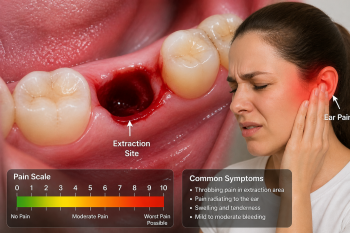
Can tooth extraction cause infection? Mild inflammation is normal, but increasing swelling, fever, or severe pain may indicate infection. Learn more about post-extraction infection warning signs in this detailed guide.
Book a consultation with our Cebu dental specialists for proper evaluation and care.
Ready to get expert guidance?
If you’re experiencing severe pain or delayed healing, book a consultation with our Cebu dental specialists to get proper evaluation and care.
Consultation or contact page .
Book a Consultation
For severe discomfort or delayed healing, book a consultation with our Cebu dental specialists today.
Looking for a dentist? Browse our Cebu dental directory to find trusted clinics near you.
Medical Review and Clinical Basis
This article is based on clinical dental guidelines and real patient recovery patterns observed after tooth extraction procedures. The information reflects common post-extraction healing stages, including normal clot formation, gum tissue repair, and signs of possible complications such as dry socket or infection.
While mild discomfort is expected after a dental extraction, worsening pain after Day 3, bad odor, exposed bone, or spreading pain may require professional evaluation. These symptoms are consistent with known post-extraction complications described in standard dental practice.
About Cebu Dental Implants
Cebu Dental Implants provides comprehensive tooth extraction, surgical procedures, and dental implant services in the Philippines. Our team evaluates post-extraction healing, manages complications such as dry socket, and advises patients on proper aftercare to prevent infection and delayed healing.
If you experience severe pain or unusual symptoms after extraction, early professional assessment is recommended to prevent further complications.
Important Medical Disclaimer
This content is for educational purposes only and does not replace professional dental diagnosis. Every patient heals differently. If symptoms worsen or do not improve within a few days, consult a licensed dentist for proper evaluation and treatment.
Author
This article was prepared by the Cebu Dental Implants content team in consultation with licensed dental professionals experienced in tooth extraction and implant procedures.
Related Clinical Cases
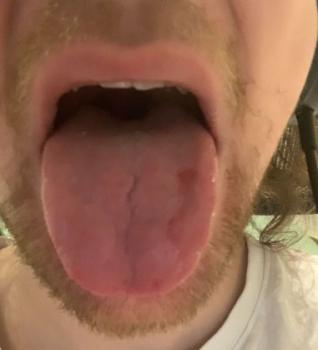
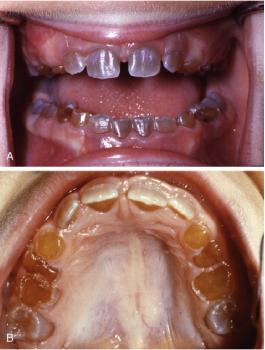
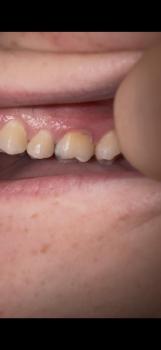
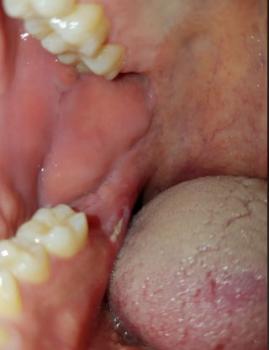
Patients with lower front gum inflammation may also experience tartar buildup, periodontal disease, gum abscesses, or tooth decay. Explore these related clinical case studies.

Other topics:
Other Dental Clinic