Your Smile, Perfected with Precision.

Tooth Extraction Recovery Timeline: A Complete Guide to Healing After Your Procedure
Language :
Topics:
As dental professionals, we understand that the success of a tooth extraction extends far beyond the procedure itself. While modern extraction techniques are designed to be safe, comfortable, and efficient, the healing process that follows plays an equally important role in achieving a smooth recovery and preventing complications.
Whether you have recently undergone a tooth extraction, are preparing for an upcoming procedure, or are caring for a family member during recovery, understanding what to expect can help reduce anxiety and support proper healing. Knowing which symptoms are normal, what activities to avoid, and when to contact your dentist can make a significant difference in your overall experience.
Every patient's healing journey is unique. Factors such as age, overall health, the complexity of the extraction, smoking habits, oral hygiene, and adherence to post-operative instructions can all influence recovery time. However, most patients follow a similar healing timeline, with predictable stages of recovery occurring over days, weeks, and months.
This guide provides a simple, easy-to-follow timeline of what happens after a tooth extraction, including practical tips for managing discomfort, protecting the extraction site, and recognizing warning signs that may require professional attention.
Understanding the Healing Process
Before reviewing the timeline, it is helpful to understand what happens inside your mouth after a tooth is removed.
When a tooth is extracted, your body immediately begins a natural healing process. The empty socket left behind fills with blood, and a protective blood clot forms. This clot serves several important functions:
- It protects the exposed bone and nerves.
- It provides a foundation for new tissue growth.
- It helps stop bleeding.
- It reduces the risk of infection.
The blood clot is the cornerstone of successful healing. If it becomes dislodged too early, complications such as dry socket may occur, causing significant pain and delayed recovery.
Over time, the clot is gradually replaced by healing tissue and eventually by new bone. While the gum tissue may appear healed within a few weeks, the deeper bone healing process continues for several months.
Understanding these stages can help you appreciate why following your dentist's instructions is so important.
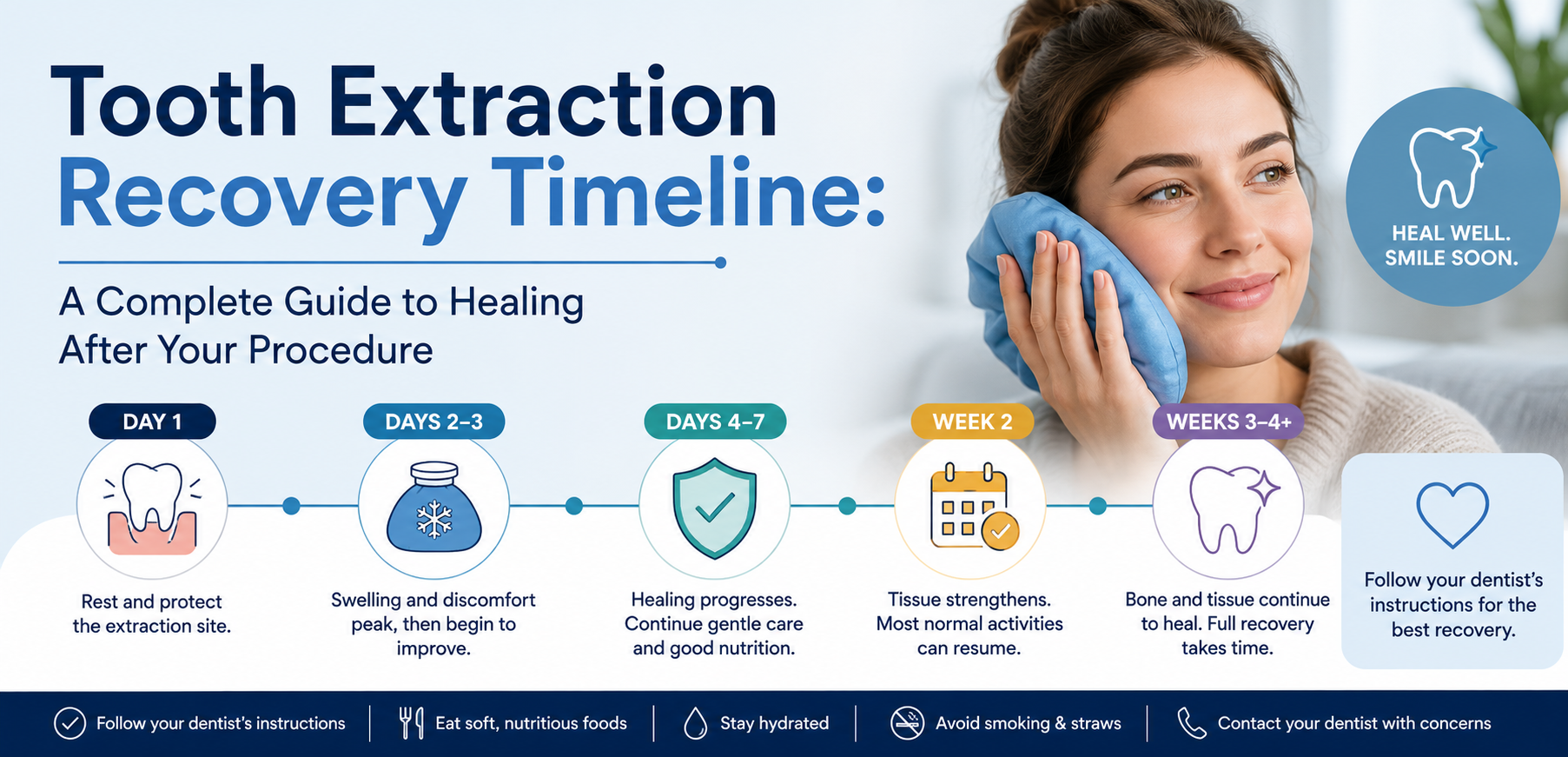
The First 24 Hours: The Protection Phase
The first day after your extraction is the most critical period of recovery.
During these initial hours, your body is working hard to form and stabilize the blood clot within the extraction socket. Your primary responsibility is to protect this clot from disruption.
What to Expect
During the first 24 hours, it is normal to experience:
- Mild to moderate discomfort
- Slight bleeding or oozing
- Swelling around the extraction area
- Minor jaw stiffness
- Temporary numbness from local anesthesia
The amount of discomfort varies depending on the complexity of the extraction. Surgical extractions, wisdom tooth removals, and multiple extractions may produce more swelling and soreness than simple extractions.
Essential Recovery Rules
To protect the blood clot, avoid activities that create suction or pressure inside the mouth.
Do not:
- Rinse your mouth
- Spit forcefully
- Drink through a straw
- Smoke or vape
- Consume alcohol
- Engage in strenuous exercise
These activities can dislodge the clot and interfere with normal healing.
Managing Bleeding
Some slight bleeding is normal during the first several hours.
If bleeding continues:
- Place clean gauze over the extraction site.
- Bite down firmly for 30 to 45 minutes.
- Replace with fresh gauze if needed.
A small amount of pink saliva is common and should not be mistaken for heavy bleeding.
Rest Is Critical
Your body heals most effectively when it is at rest.
During the first day:
- Limit physical activity.
- Keep your head elevated when lying down.
- Avoid heavy lifting or exercise.
- Stay hydrated.
Many patients feel tempted to resume normal activities quickly, but allowing your body time to recover during the first 24 hours can significantly improve healing outcomes.
Recommended Foods
Choose cool, soft foods that require little chewing, such as:
- Yogurt
- Applesauce
- Pudding
- Ice cream
- Smooth soups
- Mashed bananas
Avoid hot foods immediately after surgery, as heat may increase bleeding.
Days 2 to 3: Early Healing Begins
By the second and third days, the blood clot should be securely established, and your body's repair process becomes more active.
Many patients notice that discomfort remains present but becomes more manageable during this period.
What Is Normal?
You may experience:
- Mild swelling
- Bruising around the jaw
- Tenderness at the extraction site
- Slight difficulty opening your mouth fully
In fact, swelling often peaks around 48 to 72 hours after the procedure before gradually improving.
Begin Gentle Saltwater Rinses
After the first 24 hours, gentle saltwater rinses can help keep the area clean.
Mix:
- Half a teaspoon of salt
- One glass of lukewarm water
Gently swish the solution around your mouth and allow it to fall out naturally rather than spitting forcefully.
Use the rinse:
- After meals
- Before bedtime
- Several times throughout the day as recommended
Saltwater helps reduce bacteria, soothe tissues, and support healing.
Continue Protecting the Site
Although healing has begun, the extraction area remains vulnerable.
Continue avoiding:
- Smoking
- Vaping
- Straws
- Aggressive rinsing
- Touching the area with fingers or tongue
Brushing and Oral Hygiene
Good oral hygiene remains important, but caution is necessary.
You should:
- Brush your other teeth normally.
- Avoid direct brushing of the surgical site for at least 72 hours.
- Use a soft-bristled toothbrush.
Maintaining a clean mouth reduces the risk of infection while protecting the healing socket.
Eating During Days 2–3
Continue focusing on soft foods such as:
- Mashed potatoes
- Scrambled eggs
- Oatmeal
- Smoothies
- Pasta
- Cottage cheese
- Soft fish
Chew on the opposite side of your mouth whenever possible.
Avoid foods that may irritate the extraction site, including:
- Nuts
- Seeds
- Chips
- Popcorn
- Spicy foods
Small food particles can become trapped in the socket and interfere with healing.
Days 4 to 7: Continued Recovery
As the first week progresses, most patients notice meaningful improvements.
Pain generally decreases significantly, swelling begins to resolve, and daily activities become easier.
Signs of Healthy Healing
Healthy healing often includes:
- Reduced tenderness
- Less swelling
- Improved ability to eat
- Improved jaw mobility
- Gradual closure of the extraction site
The socket may appear white, yellowish, or gray in certain areas. This often represents healing tissue and is usually not a sign of infection.
Returning to Normal Activities
Most patients can gradually resume normal daily routines during this period.
However, intense exercise should still be approached carefully.
If activity causes:
- Throbbing
- Increased bleeding
- Increased swelling
Reduce your activity level and allow additional recovery time.
Maintaining Oral Hygiene
Continue:
- Gentle brushing
- Saltwater rinses
- Proper hydration
Keeping the area clean remains one of the best ways to support healing.
Weeks 1 to 2: Gum Tissue Healing
By the second week, most patients feel significantly better.
For uncomplicated extractions, the gum tissue often appears largely healed during this period.
What Happens During This Stage?
The body continues replacing the original blood clot with stronger healing tissues.
The extraction site:
- Becomes smaller
- Appears healthier
- Feels less sensitive
Many patients report that they can:
- Eat more comfortably
- Speak normally
- Resume most daily activities
Diet Expansion
You may gradually introduce more foods into your diet.
Start with:
- Soft meats
- Rice
- Cooked vegetables
- Soft breads
Continue exercising caution with hard or crunchy foods until advised otherwise by your dentist.
Follow-Up Appointments
If your extraction involved:
- Surgical removal
- Wisdom teeth extraction
- Stitches
- Bone grafting
Your dentist may schedule a follow-up visit to evaluate healing.
These appointments allow your dental team to identify and address any concerns before they become significant problems.
Several Months: Bone Healing and Remodeling
Although the gums may look completely healed after a few weeks, deeper healing continues beneath the surface.
This stage is often invisible to patients but remains extremely important.
Bone Regeneration
After extraction, the body gradually fills the socket with new bone tissue.
This process may take several months depending on:
- Age
- Health status
- Extraction complexity
- Bone quality
Bone healing is especially important for patients considering:
- Dental implants
- Bridges
- Dentures
Adequate bone volume is essential for long-term oral health and successful tooth replacement.
What Patients Notice
By this stage:
- Pain has resolved.
- Swelling is gone.
- Normal chewing has returned.
- The gums appear healthy.
Most patients no longer notice the extraction site in everyday life.
However, biological healing continues quietly beneath the surface.
Managing Pain and Discomfort
Experiencing some discomfort after a tooth extraction is entirely normal.
Fortunately, there are several effective ways to manage symptoms and promote recovery.
Ice Therapy
Applying an ice pack to the outside of your cheek can help reduce:
- Swelling
- Pain
- Inflammation
Use the ice pack:
- For 10 to 20 minutes at a time
- With breaks between applications
- During the first 24 to 48 hours
Avoid placing ice directly against the skin.
Keep Your Head Elevated
Sleeping with your head slightly elevated can:
- Reduce swelling
- Improve comfort
- Minimize throbbing
Extra pillows may help during the first few nights.
Take Medications as Directed
Always follow your dentist's instructions regarding:
- Pain relievers
- Anti-inflammatory medications
- Antibiotics
Do not skip doses or discontinue prescribed medications without professional guidance.
Stay Hydrated
Proper hydration supports:
- Tissue repair
- Circulation
- Overall recovery
Drink plenty of water throughout the healing process.
Understanding Dry Socket
One of the most common complications after tooth extraction is dry socket.
What Is Dry Socket?
Dry socket occurs when:
- The blood clot fails to form properly.
- The clot becomes dislodged prematurely.
- The clot dissolves before healing progresses.
Without the clot, underlying bone and nerves become exposed.
Symptoms
Dry socket typically develops several days after extraction and may include:
- Severe throbbing pain
- Pain radiating to the ear
- Bad taste in the mouth
- Bad breath
- Visible empty socket
The pain often becomes worse rather than better.
Risk Factors
Risk factors include:
- Smoking
- Using straws
- Forceful rinsing
- Poor oral hygiene
- Previous history of dry socket
Prompt treatment from your dentist can provide significant relief and help restore normal healing.
Signs of Infection
While infections are relatively uncommon, they can occur after extractions.
Recognizing symptoms early allows for faster treatment.
Warning Signs
Potential signs of infection include:
- Fever above 38°C (100.4°F)
- Persistent swelling
- Increasing pain
- Pus discharge
- Difficulty swallowing
- Foul odor
- Persistent bad taste
If you experience these symptoms, contact your dental professional immediately.
When to Contact Your Dentist
Most extractions heal without complications, but certain symptoms should never be ignored.
Contact your dentist immediately if you experience:
Severe, Ongoing Pain
Pain that worsens after several days may indicate:
- Dry socket
- Infection
- Delayed healing
Excessive Bleeding
Seek professional guidance if bleeding:
- Is heavy
- Persists despite pressure
- Continues for several hours
Fever
A fever above 38°C (100.4°F) may suggest infection and requires prompt evaluation.
Worsening Swelling
Swelling should gradually improve after reaching its peak.
If swelling continues increasing after several days, contact your dental provider.
Difficulty Breathing or Swallowing
Although rare, these symptoms require urgent medical attention.
Tips for a Faster Recovery
Patients often ask what they can do to support healing.
Simple habits can make a significant difference.
Follow All Post-Operative Instructions
Your dentist's instructions are tailored to your specific procedure.
Avoid Smoking
Smoking significantly increases the risk of complications and delayed healing.
Eat Nutritious Foods
A balanced diet supports tissue repair and immune function.
Stay Hydrated
Water plays a critical role in healing.
Get Adequate Rest
Recovery requires energy. Give your body the time it needs.
Maintain Oral Hygiene
Keeping your mouth clean helps prevent infection and promotes healthy healing.
Frequently Asked Questions
How long does pain last after a tooth extraction?
Most discomfort improves substantially within three to five days. Minor tenderness may persist for one to two weeks.
When can I brush my teeth normally?
You can usually resume careful brushing around the area after approximately 72 hours, following your dentist's recommendations.
When can I exercise again?
Light activities may resume after a few days, but strenuous exercise should generally wait until healing is progressing well.
Is swelling normal?
Yes. Swelling often peaks between 48 and 72 hours before gradually improving.
How long does complete healing take?
Gum healing usually occurs within one to two weeks, while complete bone healing may take several months.
Final Thoughts
Recovering from a tooth extraction is a gradual process that unfolds in stages. The first 24 hours are crucial for protecting the blood clot, while the following days and weeks focus on tissue repair and healing. Although the extraction site may feel normal relatively quickly, deeper bone healing continues for several months beneath the surface.
Most patients experience a smooth recovery when they carefully follow post-operative instructions, maintain good oral hygiene, and avoid activities that may disrupt healing. Mild discomfort, swelling, and slight bleeding are normal parts of the healing process, but persistent pain, excessive bleeding, fever, or worsening symptoms should always be evaluated by a dental professional.
Remember, your body is naturally designed to heal. By understanding what to expect and knowing when to seek help, you can support a comfortable recovery and achieve the best possible outcome after your tooth extraction. If you ever feel uncertain about your symptoms or progress, do not hesitate to contact your dental team—they are your best resource throughout the healing journey.
Can tooth extraction cause infection? Mild inflammation is normal, but increasing swelling, fever, or severe pain may indicate infection. Learn more about post-extraction infection warning signs in this detailed guide.
Book a consultation with our Cebu dental specialists for proper evaluation and care.
Ready to get expert guidance?
If you’re experiencing severe pain or delayed healing, book a consultation with our Cebu dental specialists to get proper evaluation and care.
Consultation or contact page .
Book a Consultation
For severe discomfort or delayed healing, book a consultation with our Cebu dental specialists today.
Looking for a dentist? Browse our Cebu dental directory to find trusted clinics near you.
Medical Review and Clinical Basis
This article is based on clinical dental guidelines and real patient recovery patterns observed after tooth extraction procedures. The information reflects common post-extraction healing stages, including normal clot formation, gum tissue repair, and signs of possible complications such as dry socket or infection.
While mild discomfort is expected after a dental extraction, worsening pain after Day 3, bad odor, exposed bone, or spreading pain may require professional evaluation. These symptoms are consistent with known post-extraction complications described in standard dental practice.
About Cebu Dental Implants
Cebu Dental Implants provides comprehensive tooth extraction, surgical procedures, and dental implant services in the Philippines. Our team evaluates post-extraction healing, manages complications such as dry socket, and advises patients on proper aftercare to prevent infection and delayed healing.
If you experience severe pain or unusual symptoms after extraction, early professional assessment is recommended to prevent further complications.
Important Medical Disclaimer
This content is for educational purposes only and does not replace professional dental diagnosis. Every patient heals differently. If symptoms worsen or do not improve within a few days, consult a licensed dentist for proper evaluation and treatment.
Author
This article was prepared by the Cebu Dental Implants content team in consultation with licensed dental professionals experienced in tooth extraction and implant procedures.
Related Clinical Cases
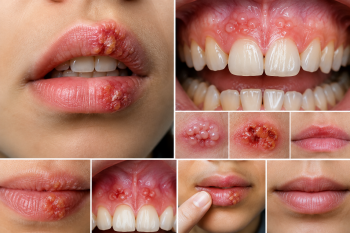
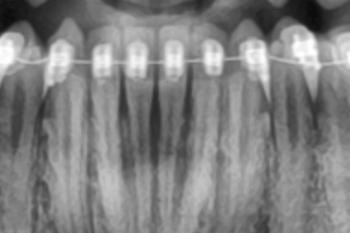
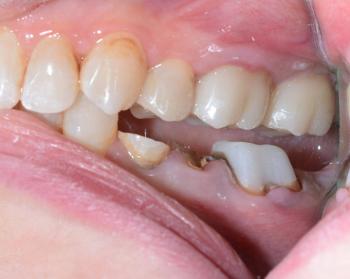
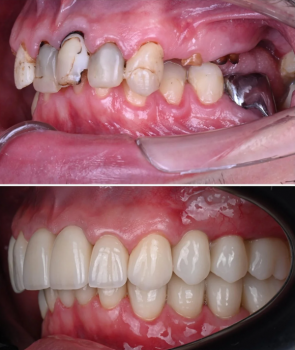
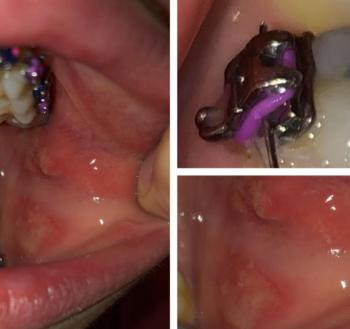
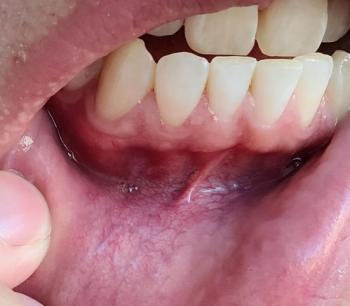
Patients with lower front gum inflammation may also experience tartar buildup, periodontal disease, gum abscesses, or tooth decay. Explore these related clinical case studies.


Other topics:
Other Dental Clinic