Modern Dentistry, Timeless Smiles.

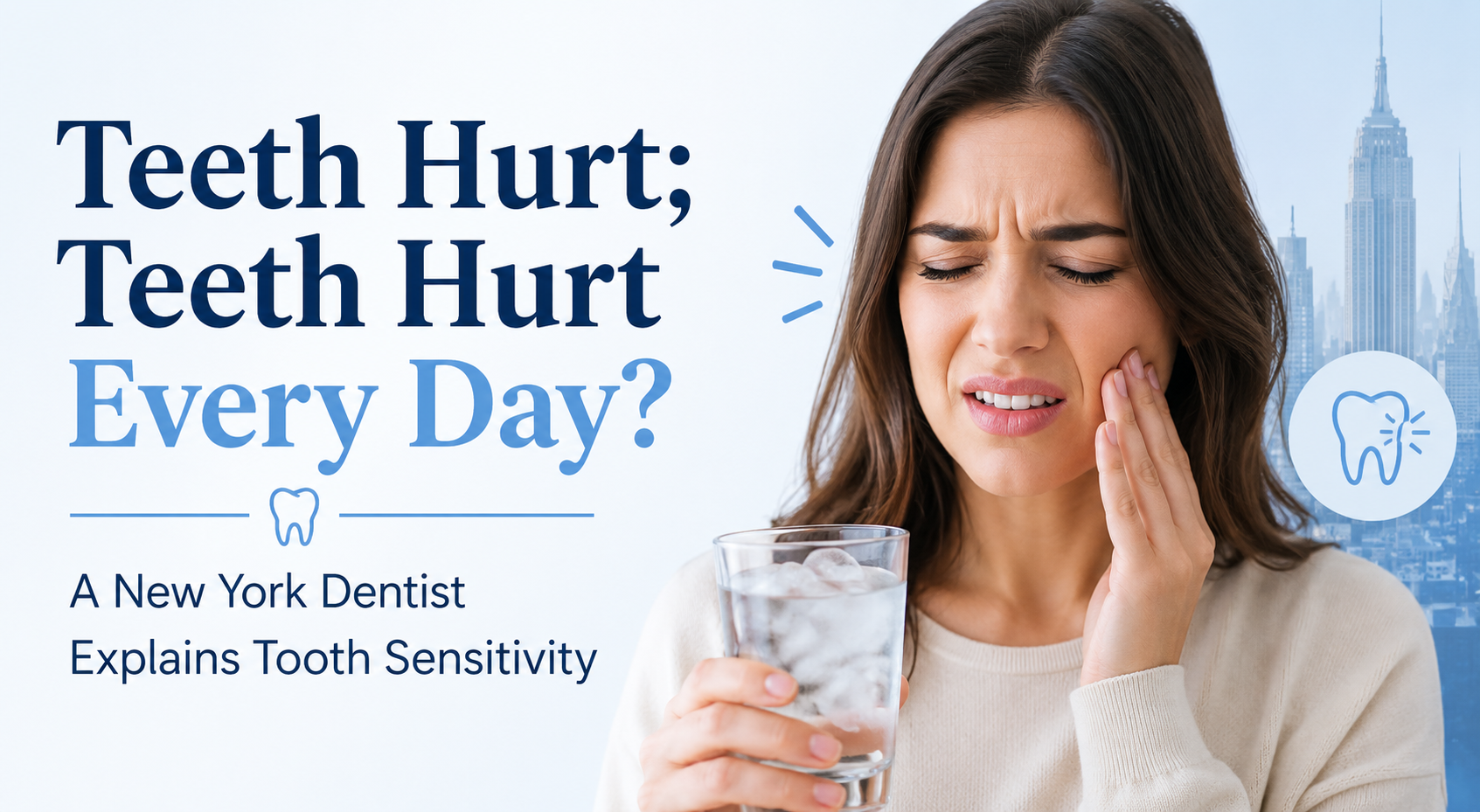
Teeth Hurt Every Day? A New York Dentist Explains Tooth Sensitivity
Language :
Topics:
I Can’t Work Well Because My Teeth Hurt Every Day: A New York Worker’s Guide to Dentin Hypersensitivity and Lasting Relief
“I cannot work well due to pain every day.”
For many workers in New York, this statement is more than a complaint—it is a daily reality. Whether you work in construction, healthcare, retail, transportation, hospitality, or an office environment, constant tooth pain can significantly affect your concentration, mood, productivity, and quality of life.
Many people experience a sudden, sharp pain when drinking coffee, sipping cold water, breathing in cold air, brushing their teeth, or eating sweets. The discomfort may last only a few seconds, but it can occur repeatedly throughout the day.
One of the most common causes of this type of pain is dentin hypersensitivity, also known as tooth sensitivity.
While some people dismiss sensitive teeth as a minor inconvenience, untreated dentin hypersensitivity can become severe enough to interfere with eating, sleeping, speaking, and working. In some cases, sensitivity may indicate underlying dental problems requiring professional treatment.
This comprehensive guide explains everything patients need to know about dentin hypersensitivity, including causes, symptoms, risk factors, home care strategies, professional treatments, and preventive measures.
A New York Worker’s Story
Michael, a 44-year-old warehouse employee in New York, noticed a sharp pain every time he drank cold water during his shift.
At first, he ignored it.
Weeks later, the pain became more frequent.
Coffee in the morning hurt.
Ice water during lunch hurt.
Brushing his teeth before work hurt.
Even breathing cold winter air caused discomfort.
Because of the pain, he began avoiding certain foods and drinks. He found it difficult to focus during long workdays.
Eventually, he visited a dentist and learned that he had significant enamel wear and gum recession exposing the dentin beneath the tooth surface.
Fortunately, treatment provided substantial relief.
Michael's story is common among adults across the United States.
What Is Dentin Hypersensitivity?
Dentin hypersensitivity is a dental condition characterized by brief, sharp pain arising from exposed dentin in response to various stimuli.
The pain occurs when the protective outer layers of the tooth become damaged or lost.
Normally, teeth are protected by:
- Enamel on the crown
- Cementum on the root surface
- Healthy gum tissue
When these protective structures are compromised, the dentin becomes exposed.
Dentin contains thousands of microscopic channels called dentinal tubules.
These tubules connect directly to the nerve-rich pulp inside the tooth.
When exposed dentin encounters certain triggers, fluid inside the tubules moves rapidly, stimulating the nerves and causing sudden pain.
This process is known as the hydrodynamic theory, which is the most widely accepted explanation for dentin hypersensitivity.
Understanding How Tooth Sensitivity Works
Imagine your tooth as a house.
The enamel is the roof.
The dentin is the insulation underneath.
The pulp is the electrical system containing nerves.
If the roof becomes damaged, external elements can affect the insulation beneath.
Similarly, when enamel or cementum wears away, the dentin becomes exposed.
When you drink cold water or eat ice cream:
- Temperature changes occur.
- Fluid moves inside dentinal tubules.
- Nerve endings become stimulated.
- Sharp pain is felt instantly.
The pain is often:
- Sudden
- Intense
- Brief
- Localized
Unlike a toothache caused by infection, dentin hypersensitivity usually disappears when the stimulus is removed.
Common Symptoms
Patients commonly describe:
- Sharp pain when drinking cold beverages
- Pain from hot coffee or tea
- Sensitivity while brushing
- Discomfort when flossing
- Pain from sweet foods
- Sensitivity to acidic foods
- Pain from cold air exposure
- Sudden discomfort while eating
Symptoms may affect:
- One tooth
- Several teeth
- Entire sections of the mouth
The severity can range from mild irritation to intense pain.
Why Does Tooth Sensitivity Develop?
To understand treatment, it is important to understand the causes.
Dentin hypersensitivity is usually not a disease itself.
Rather, it is a symptom resulting from another condition affecting the tooth structure.
Cause #1: Aggressive Brushing
Many people believe brushing harder cleans teeth better.
Unfortunately, the opposite is often true.
Over-brushing can:
- Wear away enamel
- Damage gum tissue
- Cause gum recession
- Expose root surfaces
Using:
- Hard-bristled brushes
- Excessive pressure
- Scrubbing motions
can accelerate tooth wear dramatically.
Cause #2: Gum Recession
Healthy gums cover and protect the roots.
When gums recede:
- Root surfaces become exposed
- Cementum wears away easily
- Dentin becomes vulnerable
Common causes include:
- Periodontal disease
- Aging
- Aggressive brushing
- Tobacco use
- Teeth grinding
Gum recession is one of the leading causes of dentin hypersensitivity among adults.
Cause #3: Acidic Foods and Drinks
Acids gradually dissolve enamel.
Common dietary sources include:
- Soda
- Energy drinks
- Sports drinks
- Citrus fruits
- Lemon water
- Vinegar-based foods
- Wine
Repeated acid exposure softens enamel.
Over time, enamel becomes thinner, exposing dentin underneath.
Cause #4: Acid Reflux (GERD)
Many patients do not realize that digestive disorders can affect teeth.
Gastroesophageal reflux disease (GERD) allows stomach acid to repeatedly enter the mouth.
Stomach acid is extremely corrosive.
Long-term exposure can:
- Erode enamel
- Increase sensitivity
- Accelerate tooth wear
Dentists often detect signs of acid reflux before patients receive a medical diagnosis.
Cause #5: Teeth Grinding (Bruxism)
Many people grind or clench their teeth during sleep.
This habit can:
- Wear down enamel
- Create microscopic cracks
- Increase sensitivity
Common signs include:
- Morning jaw soreness
- Headaches
- Flattened teeth
- Tooth sensitivity
Stress is often a contributing factor.
Cause #6: Tooth Whitening Treatments
Professional and over-the-counter whitening products may temporarily increase sensitivity.
This occurs because whitening agents:
- Penetrate enamel
- Affect dentinal tubules
- Temporarily irritate nerves
Most whitening-related sensitivity resolves within days or weeks.
Cause #7: Cracked Teeth
Even tiny cracks can expose dentin.
Patients may notice:
- Sharp pain while chewing
- Sensitivity to temperature changes
- Intermittent discomfort
Untreated cracks can worsen over time.
Cause #8: Cavities
Tooth decay destroys enamel.
As cavities progress:
- Dentin becomes exposed
- Sensitivity increases
- Pain becomes more frequent
Unlike typical hypersensitivity, cavity-related pain often worsens without treatment.
Cause #9: Dental Procedures
Some patients experience temporary sensitivity after:
- Fillings
- Crowns
- Deep cleanings
- Root planing
- Orthodontic treatment
This sensitivity often improves as tissues heal.
Risk Factors
Several factors increase the likelihood of developing dentin hypersensitivity.
These include:
- Age between 20 and 50
- Gum disease
- Acid reflux
- Poor oral hygiene
- Tobacco use
- Teeth grinding
- Frequent acidic beverage consumption
- Improper brushing techniques
Understanding these risk factors helps patients take preventive action.
How Tooth Sensitivity Affects Daily Work
Many patients underestimate the impact of chronic sensitivity.
For workers in New York and across the United States, symptoms can interfere with:
Productivity
Constant discomfort makes concentration difficult.
Employees may struggle to remain focused during meetings or physically demanding tasks.
Nutrition
Patients often avoid:
- Cold water
- Fruits
- Vegetables
- Healthy foods
This can negatively impact nutrition.
Sleep
Sensitivity may contribute to:
- Nighttime discomfort
- Interrupted sleep
- Fatigue
Emotional Well-Being
Persistent pain can lead to:
- Frustration
- Anxiety
- Reduced quality of life
At-Home Management Strategies
Many patients can reduce symptoms through simple lifestyle changes.
Use Desensitizing Toothpaste
These products are specifically designed for sensitive teeth.
Look for ingredients such as:
Potassium Nitrate
Helps calm nerve activity.
Stannous Fluoride
Blocks exposed tubules.
Sodium Fluoride
Strengthens enamel.
Results often appear after several weeks of consistent use.
Switch to a Soft-Bristled Toothbrush
A soft brush reduces additional enamel wear.
Benefits include:
- Less gum trauma
- Improved comfort
- Better long-term protection
Avoid medium or hard bristles unless specifically recommended by a dentist.
Improve Brushing Technique
Many people brush too aggressively.
Instead:
- Use gentle pressure
- Hold the brush at a 45-degree angle
- Make small circular motions
This method is commonly known as the Bass technique.
Reduce Acid Exposure
Consider limiting:
- Soda
- Sports drinks
- Citrus juices
- Vinegar-rich foods
When consuming acidic beverages:
- Use a straw
- Drink water afterward
- Wait 30 minutes before brushing
Stay Hydrated
Adequate saliva helps:
- Neutralize acids
- Protect enamel
- Reduce sensitivity
Dry mouth increases risk for sensitivity and decay.
Wear a Night Guard
Patients who grind their teeth may benefit from a custom night guard.
Night guards:
- Reduce enamel wear
- Protect restorations
- Minimize sensitivity progression
Professional Dental Treatments
When home care is insufficient, professional treatment may be necessary.
Fluoride Varnish
One of the simplest treatments available.
The dentist applies concentrated fluoride directly onto sensitive areas.
Benefits include:
- Strengthened enamel
- Reduced sensitivity
- Fast application
Many patients notice improvement within days.
Fluoride Gel Therapy
Professional fluoride gels provide additional protection.
These treatments help:
- Remineralize enamel
- Reduce tubule exposure
- Strengthen teeth
Dental Bonding
Dental bonding involves placing a tooth-colored resin over exposed dentin.
Benefits:
- Immediate coverage
- Reduced sensitivity
- Improved appearance
The procedure is minimally invasive.
Sealants
Sealants physically block exposed tubules.
By sealing vulnerable areas, dentists can significantly reduce discomfort.
Restorative Fillings
If enamel loss is severe, fillings may be necessary.
Fillings:
- Protect exposed surfaces
- Restore tooth structure
- Reduce pain
Dental Crowns
For extensive wear or damage, crowns may provide the best protection.
Crowns:
- Cover the entire tooth
- Prevent further damage
- Improve function
They are especially useful when enamel loss is significant.
Gum Grafting
When gum recession is severe, surgery may be recommended.
A gum graft:
- Covers exposed roots
- Protects dentin
- Improves aesthetics
- Reduces sensitivity
Many patients experience dramatic improvement after healing.
Treatment for Teeth Grinding
If bruxism contributes to sensitivity, treatment may include:
- Night guards
- Stress management
- Bite adjustments
Addressing the underlying cause often prevents future damage.
Managing Acid Reflux
Patients with GERD may need medical evaluation.
Controlling reflux helps protect teeth from ongoing acid damage.
Treatment may involve:
- Dietary changes
- Medication
- Lifestyle modifications
Can Sensitive Teeth Heal Naturally?
In some cases, mild sensitivity improves naturally.
This is more likely when:
- Brushing habits improve
- Acid exposure decreases
- Fluoride use increases
However, exposed dentin does not always repair itself.
Professional treatment may be required.
When Should You See a Dentist?
Schedule an evaluation if:
- Pain persists for several weeks
- Symptoms worsen
- Chewing becomes uncomfortable
- You notice gum recession
- A cracked tooth is suspected
- Sensitivity interferes with daily life
Early diagnosis prevents more serious problems.
Preventing Future Sensitivity
Prevention remains the best strategy.
Protect your teeth by:
- Using fluoride toothpaste
- Brushing gently
- Flossing daily
- Limiting acidic foods
- Wearing a night guard if necessary
- Attending regular dental checkups
- Treating gum disease promptly
Small habits can produce significant long-term benefits.
Frequently Asked Questions
Is dentin hypersensitivity permanent?
Not necessarily. Many cases improve significantly with proper treatment and preventive care.
Can stress cause tooth sensitivity?
Stress can contribute indirectly by increasing teeth grinding and clenching.
Does whitening damage teeth permanently?
Professional whitening does not typically cause permanent damage, but temporary sensitivity is common.
Why do my teeth hurt with cold water but not hot drinks?
Cold stimuli often create stronger fluid movement within dentinal tubules, triggering pain more readily.
Can gum recession be reversed?
Mild recession cannot naturally regrow. Severe cases may require gum graft surgery.
Final Thoughts
If you are saying, “I cannot work well because my teeth hurt every day,” you are not alone. Dentin hypersensitivity affects millions of adults and can have a serious impact on comfort, productivity, nutrition, and quality of life.
The good news is that sensitive teeth are highly treatable. Whether the cause is enamel erosion, gum recession, aggressive brushing, acid reflux, teeth grinding, or dental wear, effective solutions are available.
From desensitizing toothpaste and fluoride varnish to bonding, gum grafting, and crowns, modern dentistry offers multiple ways to reduce pain and protect your teeth.
The sooner you address sensitivity, the easier it is to prevent further damage and restore comfort. If hot coffee, cold water, sweet foods, or even brushing your teeth causes pain, consider scheduling a professional dental evaluation before the problem worsens.
Your teeth should help you enjoy life and perform your best at work—not become a daily source of pain.
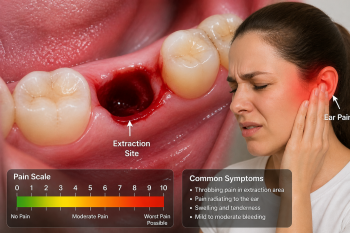
Can tooth extraction cause infection? Mild inflammation is normal, but increasing swelling, fever, or severe pain may indicate infection. Learn more about post-extraction infection warning signs in this detailed guide.
Book a consultation with our Cebu dental specialists for proper evaluation and care.
Ready to get expert guidance?
If you’re experiencing severe pain or delayed healing, book a consultation with our Cebu dental specialists to get proper evaluation and care.
Consultation or contact page .
Book a Consultation
For severe discomfort or delayed healing, book a consultation with our Cebu dental specialists today.
Looking for a dentist? Browse our Cebu dental directory to find trusted clinics near you.
Medical Review and Clinical Basis
This article is based on clinical dental guidelines and real patient recovery patterns observed after tooth extraction procedures. The information reflects common post-extraction healing stages, including normal clot formation, gum tissue repair, and signs of possible complications such as dry socket or infection.
While mild discomfort is expected after a dental extraction, worsening pain after Day 3, bad odor, exposed bone, or spreading pain may require professional evaluation. These symptoms are consistent with known post-extraction complications described in standard dental practice.
About Cebu Dental Implants
Cebu Dental Implants provides comprehensive tooth extraction, surgical procedures, and dental implant services in the Philippines. Our team evaluates post-extraction healing, manages complications such as dry socket, and advises patients on proper aftercare to prevent infection and delayed healing.
If you experience severe pain or unusual symptoms after extraction, early professional assessment is recommended to prevent further complications.
Important Medical Disclaimer
This content is for educational purposes only and does not replace professional dental diagnosis. Every patient heals differently. If symptoms worsen or do not improve within a few days, consult a licensed dentist for proper evaluation and treatment.
Author
This article was prepared by the Cebu Dental Implants content team in consultation with licensed dental professionals experienced in tooth extraction and implant procedures.
Related Clinical Cases
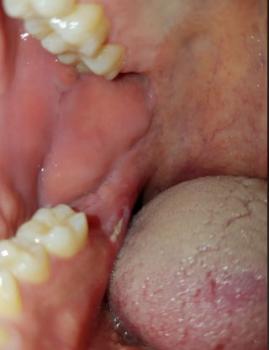
Patients with lower front gum inflammation may also experience tartar buildup, periodontal disease, gum abscesses, or tooth decay. Explore these related clinical case studies.



Other topics:
Other Dental Clinic