Missing Teeth? Find Your Smile Again.

Recovering After a Tooth Extraction: What Happens and When
Language :
Topics:
By a Board-Certified Dental Implant Surgeon
As a dental implant surgeon with over 20 years of clinical experience, one of the most common questions I hear from patients is, "How long will it take for my extraction site to heal?"
The good news is that most tooth extractions heal uneventfully when proper aftercare instructions are followed. While every patient's healing process is unique, understanding what to expect can help you recover comfortably and recognize when something may require professional attention.
Why Healing After a Tooth Extraction Matters
When a tooth is removed, your body immediately begins repairing the extraction site. The healing process involves both the soft tissues (gums) and the underlying bone. Proper healing is essential not only for comfort but also for preserving the jawbone, especially if you are considering a future dental implant.
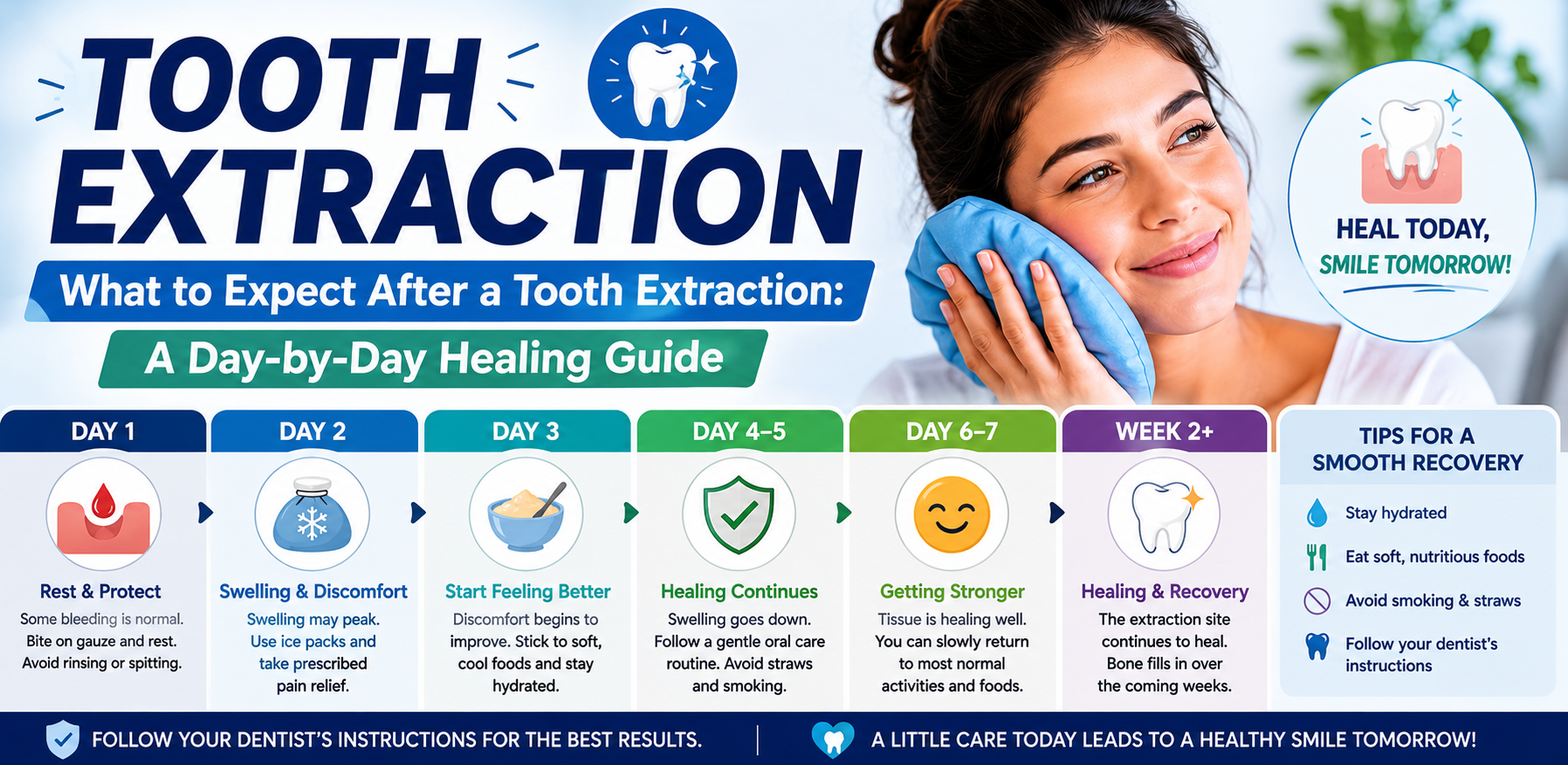
Day-by-Day Healing Overview
First 24 Hours: The Blood Clot Formation Phase
The first day is the most important stage of healing.
Immediately after the extraction, your body forms a blood clot inside the empty tooth socket. This clot acts like a protective "scab" and serves as the foundation for new tissue growth.
During this critical period:
- Keep firm pressure on the gauze as instructed by your dentist.
- Rest and avoid strenuous physical activity.
- Keep your head elevated when lying down.
- Drink plenty of fluids, but avoid using straws.
Do not:
- Rinse vigorously
- Spit forcefully
- Smoke or vape
- Use a straw
These actions can dislodge the blood clot and increase the risk of developing a painful condition known as dry socket.
It is completely normal to experience:
- Mild to moderate discomfort
- Slight bleeding or oozing
- Swelling around the extraction area
Days 2 to 3: Early Healing Begins
By the second day, your body starts replacing the blood clot with healing tissue.
At this stage:
- Begin gentle saltwater rinses after meals and before bedtime.
- Mix ½ teaspoon of salt in a glass of lukewarm water.
- Continue taking prescribed or recommended medications as directed.
You should continue to avoid brushing directly over the extraction site for at least 72 hours. However, maintain good oral hygiene in the rest of your mouth.
Recommended Foods
Choose soft foods such as:
- Yogurt
- Smoothies (without a straw)
- Mashed potatoes
- Scrambled eggs
- Soup (lukewarm, not hot)
- Oatmeal
Avoid:
- Crunchy foods
- Sticky foods
- Spicy foods
- Hot foods and beverages
Always chew on the side opposite the extraction site whenever possible.
Week 1 to Week 2: Soft Tissue Recovery
During the first two weeks, the gum tissue gradually closes over the extraction site.
Most patients notice:
- Significant reduction in discomfort
- Less swelling
- Improved ability to eat normally
The extraction socket may still appear slightly indented or white-yellow in color. This is often normal healing tissue and not necessarily a sign of infection.
By the end of the second week:
- The gums are usually well-healed.
- Daily activities can generally resume without restrictions.
- Follow-up appointments may be scheduled to evaluate healing progress.
Several Months: Long-Term Bone Healing
Although the gums heal relatively quickly, the bone underneath requires much more time to regenerate.
Bone healing typically continues for several months after extraction. During this period:
- New bone gradually fills the socket.
- The jawbone remodels and strengthens.
- The extraction site becomes more stable.
For patients planning dental implant treatment, preserving bone volume during this phase is especially important. In some cases, your dentist or surgeon may recommend a bone graft at the time of extraction to help maintain the bone needed for future implant placement.
When to Contact Your Dentist
Most extractions heal without complications, but certain symptoms should never be ignored.
Contact your dentist promptly if you experience any of the following:
Severe or Increasing Pain
Pain that becomes worse several days after the extraction rather than better may indicate dry socket, a condition that occurs when the protective blood clot is lost prematurely.
Excessive Bleeding
Minor oozing is normal during the first day. However, persistent or heavy bleeding that does not improve with pressure requires professional evaluation.
Signs of Infection
Seek dental care immediately if you develop:
- Fever above 38°C (100.4°F)
- Chills
- Increasing swelling
- Foul taste or odor from the extraction site
- Pus or discharge
Worsening Symptoms
Healing should steadily improve over time. If swelling, pain, or discomfort continue to worsen after the first few days, contact your dental provider for assessment.
Final Thoughts
A successful recovery after tooth extraction depends on protecting the blood clot, maintaining good oral hygiene, following dietary recommendations, and monitoring for unusual symptoms.
Most patients experience substantial healing within one to two weeks, while complete bone healing takes several months. Following your dentist's instructions carefully can significantly reduce complications and support the best possible outcome, especially if future dental implant treatment is planned.
If you have any concerns during your recovery, do not hesitate to contact your dental professional. Early intervention can prevent minor issues from becoming more serious complications.
Can tooth extraction cause infection? Mild inflammation is normal, but increasing swelling, fever, or severe pain may indicate infection. Learn more about post-extraction infection warning signs in this detailed guide.
Book a consultation with our Cebu dental specialists for proper evaluation and care.
Ready to get expert guidance?
If you’re experiencing severe pain or delayed healing, book a consultation with our Cebu dental specialists to get proper evaluation and care.
Consultation or contact page .
Book a Consultation
For severe discomfort or delayed healing, book a consultation with our Cebu dental specialists today.
Looking for a dentist? Browse our Cebu dental directory to find trusted clinics near you.
Medical Review and Clinical Basis
This article is based on clinical dental guidelines and real patient recovery patterns observed after tooth extraction procedures. The information reflects common post-extraction healing stages, including normal clot formation, gum tissue repair, and signs of possible complications such as dry socket or infection.
While mild discomfort is expected after a dental extraction, worsening pain after Day 3, bad odor, exposed bone, or spreading pain may require professional evaluation. These symptoms are consistent with known post-extraction complications described in standard dental practice.
About Cebu Dental Implants
Cebu Dental Implants provides comprehensive tooth extraction, surgical procedures, and dental implant services in the Philippines. Our team evaluates post-extraction healing, manages complications such as dry socket, and advises patients on proper aftercare to prevent infection and delayed healing.
If you experience severe pain or unusual symptoms after extraction, early professional assessment is recommended to prevent further complications.
Important Medical Disclaimer
This content is for educational purposes only and does not replace professional dental diagnosis. Every patient heals differently. If symptoms worsen or do not improve within a few days, consult a licensed dentist for proper evaluation and treatment.
Author
This article was prepared by the Cebu Dental Implants content team in consultation with licensed dental professionals experienced in tooth extraction and implant procedures.
Related Clinical Cases
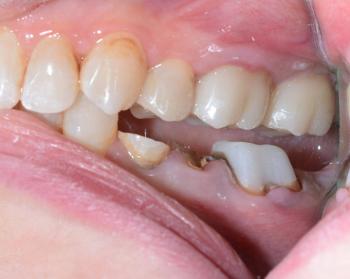
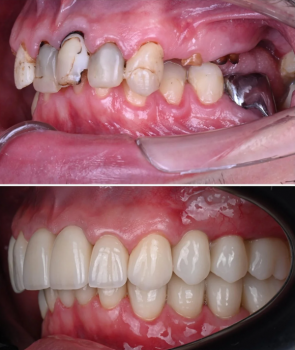
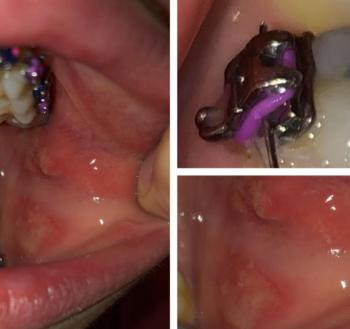
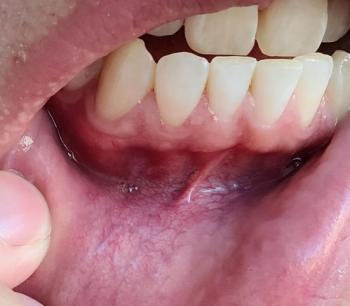
Patients with lower front gum inflammation may also experience tartar buildup, periodontal disease, gum abscesses, or tooth decay. Explore these related clinical case studies.


Other topics:
Other Dental Clinic