Strong Teeth, Fresh Breath, Brighter You.

Worrying Too Much About Root Canal Pain and Cannot Sleep Well in Sunnyvale, California, USA: Expert Dental Advice and Professional Guidance
Language :
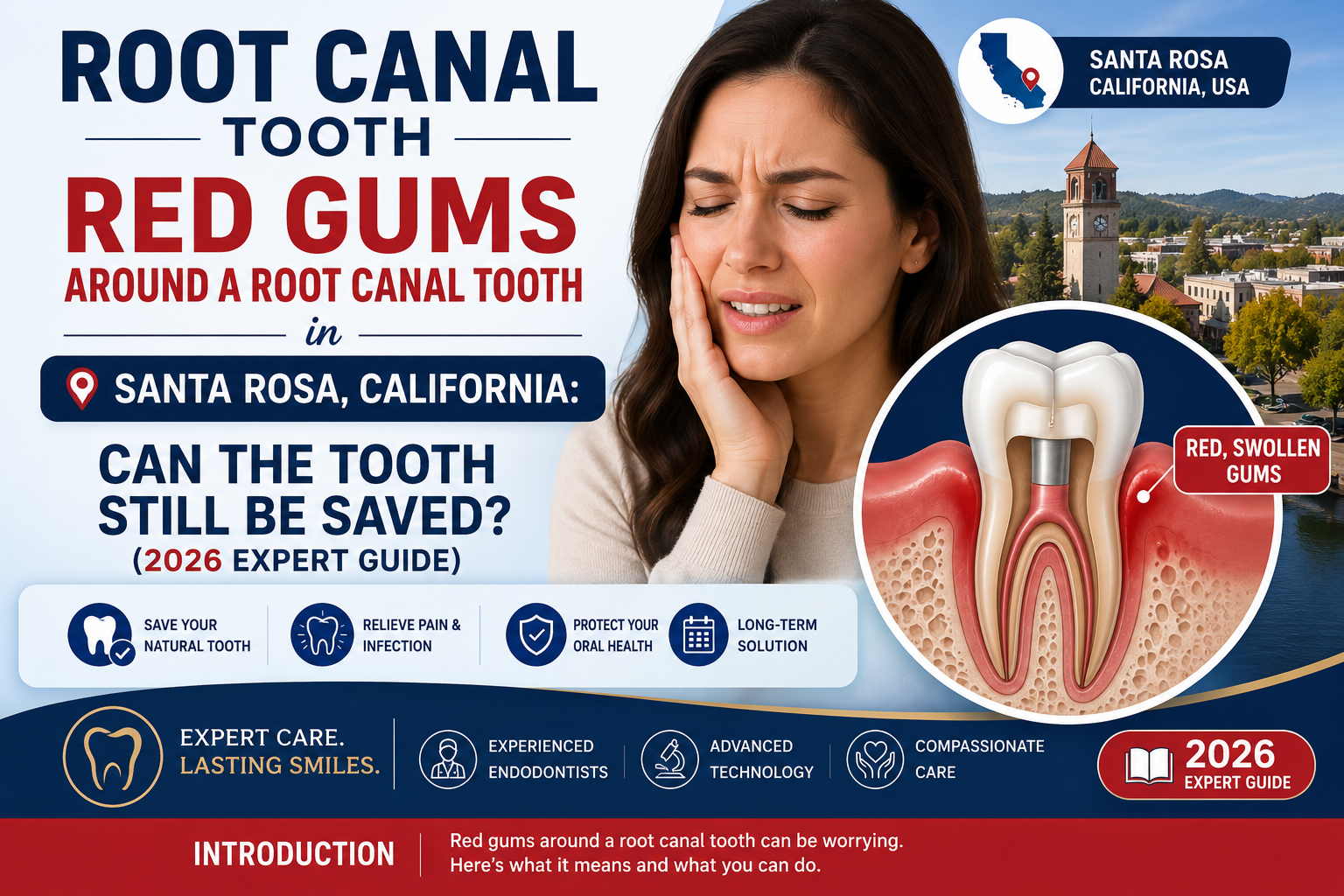
Few dental problems can disrupt daily life as much as severe tooth pain. When a patient in Sunnyvale, California experiences intense discomfort before, during, or after a root canal procedure, sleep often becomes difficult. Many people lie awake at night wondering whether the pain is normal, whether the tooth can still be saved, or whether something has gone wrong.
As dental professionals, we frequently meet patients who are not only suffering from physical pain but also from anxiety. The combination of tooth pain and worry can create a cycle where discomfort increases stress, and stress makes the pain feel even worse.
If you are experiencing root canal-related pain and cannot sleep well, understanding what is happening inside the tooth can help reduce anxiety and guide you toward the right treatment decisions. This comprehensive guide explains the causes of root canal pain, when concern is justified, what treatment options exist, and how dental professionals in Sunnyvale evaluate and manage these situations.
Understanding Root Canal Treatment
What Is a Root Canal?
A root canal treatment is a procedure designed to save a tooth that has become infected or severely inflamed.
Inside every tooth is a soft tissue called the pulp. The pulp contains:
- Blood vessels
- Nerves
- Connective tissue
When bacteria enter this area through:
- Deep cavities
- Cracks
- Trauma
- Broken fillings
the pulp can become infected.
Without treatment, the infection may spread into the surrounding bone and gum tissues.
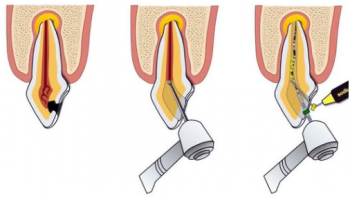
Root canal therapy removes:
- Infected pulp
- Bacteria
- Damaged tissue
The dentist then disinfects and seals the tooth.
Why Root Canal Pain Can Feel So Severe
The Tooth Is Located in a Confined Space
The nerve chamber inside the tooth is extremely small.
When inflammation develops:
- Pressure increases
- Nerves become compressed
- Blood flow changes
This creates significant pain.
Many patients describe it as:
- Throbbing
- Pulsating
- Sharp stabbing sensations
- Constant aching
The discomfort often feels worse than many other common injuries because the pressure cannot easily escape.
Why Pain Often Gets Worse at Night
Increased Blood Flow While Lying Down
Many Sunnyvale patients report:
"I can tolerate the pain during the day, but at night it becomes unbearable."
This is common because lying flat can increase blood pressure around the inflamed area.
As blood flow increases:
- Tissue pressure rises
- Nerves become more sensitive
- Pain feels stronger
Fewer Distractions
During the day:
- Work
- Family
- Activities
- Conversations
help distract the brain.
At night:
- The room becomes quiet
- Attention shifts toward the pain
The discomfort may feel amplified.
Anxiety and Stress
Worrying about:
- Losing the tooth
- Dental costs
- Future procedures
- Infection
can increase stress hormones.
Stress can make pain perception significantly worse.
Common Reasons for Root Canal Pain
Deep Tooth Infection
The most common cause is bacterial infection.
Symptoms include:
- Severe throbbing
- Pressure pain
- Sensitivity to biting
- Swelling
The infection may have been present for weeks or months before becoming noticeable.
Dental Abscess
An abscess is a collection of pus caused by infection.
Signs include:
- Swelling
- Facial pain
- Gum bumps
- Bad taste
- Fever
An abscess requires prompt professional treatment.
Cracked Tooth
A crack may allow bacteria to reach the nerve.
Common symptoms include:
- Sharp pain when chewing
- Sudden discomfort
- Intermittent sensitivity
Cracks can sometimes be difficult to detect.
Failed Previous Root Canal
A previously treated tooth can occasionally develop:
- New infection
- Leakage
- Hidden canals
Retreatment may be necessary.
Is Pain Normal After a Root Canal?
Mild to Moderate Discomfort
Some discomfort is expected after treatment.
The surrounding tissues may remain inflamed for several days.
Typical symptoms include:
- Mild soreness
- Tenderness when chewing
- Slight pressure sensitivity
These symptoms usually improve steadily.
When Pain May Indicate a Problem
Contact a dentist if:
- Pain increases instead of decreases
- Swelling develops
- Fever occurs
- Bite feels significantly abnormal
- Pain persists for weeks
These signs may require reevaluation.
Why Sleep Becomes Difficult
Pain and Sleep Are Closely Connected
Research consistently shows that:
- Pain reduces sleep quality
- Poor sleep increases pain sensitivity
This creates a negative cycle.
Patients often experience:
- Difficulty falling asleep
- Frequent awakening
- Poor sleep quality
- Fatigue
Emotional Stress Can Intensify Symptoms
Many patients become concerned that:
- The treatment failed
- The infection is spreading
- The tooth will need extraction
While these concerns are understandable, most root canal discomfort can be successfully managed with proper evaluation.
Professional Dental Analysis
Step 1: Clinical Examination
The dentist evaluates:
- Tooth condition
- Gum health
- Swelling
- Bite relationship
A thorough examination helps identify the source of pain.
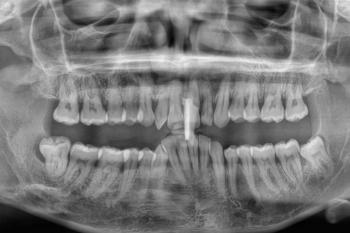
Step 2: Digital X-Rays
Modern dental imaging reveals:
- Infection
- Bone loss
- Hidden decay
- Root problems
Digital radiography allows precise diagnosis.
Step 3: Bite Assessment
Sometimes the tooth simply contacts the opposing tooth too heavily.
This creates:
- Pressure
- Inflammation
- Persistent discomfort
A small bite adjustment can provide significant relief.
Step 4: Advanced Imaging
In complicated cases, a Cone Beam CT scan may be recommended.
This technology provides:
- Three-dimensional views
- Detailed root anatomy
- Detection of hidden fractures
Can the Tooth Still Be Saved?
Most Root Canal Teeth Can Be Saved
Patients often assume severe pain means extraction is necessary.
In reality, many painful teeth can still be preserved.
Success rates for root canal therapy remain very high when:
- Proper diagnosis occurs
- Infection is controlled
- Restoration is completed
Factors Favoring Tooth Preservation
The tooth is often salvageable when:
- Adequate bone remains
- Root structure is intact
- Crack is limited
- Infection is treatable
Situations That May Require Extraction
Extraction may be considered if:
- Vertical root fracture exists
- Extensive structural damage occurs
- Severe bone destruction is present
- Restoration is impossible
A dental evaluation determines the best option.
How Dentists Manage Root Canal Pain
Removing Infection
The primary goal is eliminating bacteria.
Treatment may involve:
- Root canal therapy
- Retreatment
- Drainage procedures
Removing infection reduces inflammation.
Cleaning Hidden Canals
Some teeth contain complex anatomy.
Missed canals can allow bacteria to remain.
Advanced techniques help locate:
- Extra canals
- Hidden branches
- Anatomical variations
Bite Adjustment
An overly high bite can prolong pain.
Minor reshaping may reduce pressure and improve comfort.
Understanding Tooth Anatomy
Front Teeth
Typically have:
- One root
- One canal
These cases are usually straightforward.
Premolars
May contain:
- One root
- Two roots
- Multiple canals
Anatomy becomes more complex.
Molars
Molars often contain:
- Three or more roots
- Multiple canals
These teeth require advanced expertise.
Why Anxiety Makes Tooth Pain Worse
The Brain Influences Pain Perception
Pain is not purely physical.
Stress affects:
- Nervous system activity
- Hormone levels
- Inflammatory response
Anxiety can increase pain intensity.
Common Patient Thoughts
Many patients worry:
- "What if the infection spreads?"
- "What if I lose the tooth?"
- "What if treatment fails?"
These concerns are understandable but should be discussed with a dental professional.
Professional Advice for Better Sleep
Keep Your Head Elevated
Sleeping slightly upright may reduce pressure.
Many patients experience less throbbing when using:
- Extra pillows
- Adjustable beds
Avoid Chewing on the Affected Side
Additional pressure may aggravate inflammation.
Soft foods are often recommended.
Examples include:
- Yogurt
- Soup
- Scrambled eggs
- Smoothies
Maintain Hydration
Proper hydration supports healing.
Drink water regularly throughout the day.
Follow Professional Instructions Carefully
Use medications exactly as prescribed.
Do not discontinue treatment prematurely.
Signs of Healing
Positive Indicators
Healing often includes:
- Less pain each day
- Reduced sensitivity
- Improved chewing comfort
- Better sleep
These signs suggest recovery is progressing.
Timeline of Recovery
First 24 Hours
Some tenderness is common.
Days 2–5
Inflammation often begins decreasing.
Week 1
Many patients notice substantial improvement.
Several Weeks
Remaining tissues continue healing.
Comparing Root Canal Versus Extraction
Root Canal Advantages
Benefits include:
- Preserving natural tooth
- Maintaining chewing function
- Preventing tooth movement
- Supporting jawbone health
Extraction Advantages
In specific situations extraction may:
- Eliminate irreparable infection
- Remove fractured teeth
However, replacement options are usually needed.
Tooth Replacement After Extraction
Dental Implant
A dental implant replaces:
- Tooth root
- Crown structure
Advantages include:
- Long-term durability
- Natural appearance
- Bone preservation
Dental Bridge
A bridge uses neighboring teeth for support.
Benefits include:
- Faster completion
- Effective tooth replacement
Partial Denture
Removable appliances can restore missing teeth.
This option may suit certain patients.
Advanced Technology Used in Modern Root Canal Therapy
Digital Radiography
Provides:
- Detailed imaging
- Lower radiation exposure
- Immediate results
Dental Operating Microscopes
Microscopes improve:
- Visibility
- Precision
- Detection of hidden canals
Electronic Apex Locators
These devices help determine:
- Root length
- Instrument position
Accuracy improves treatment outcomes.
Preventing Future Root Canal Problems
Brush Thoroughly
Brush twice daily using fluoride toothpaste.
Floss Every Day
Flossing removes bacteria between teeth.
Schedule Regular Dental Visits
Routine examinations help identify:
- Cavities
- Cracks
- Gum disease
before major problems develop.
Address Tooth Pain Early
Small issues are easier and less expensive to treat than advanced infections.
Frequently Asked Questions
Is severe pain before a root canal normal?
Yes. Deep nerve inflammation and infection can create significant pain.
Why can't I sleep with root canal pain?
Pain often becomes more noticeable at night due to increased blood flow, reduced distractions, and heightened awareness.
Can a root canal fail?
Although success rates are high, reinfection or hidden anatomy can occasionally require retreatment.
Should I be worried if my tooth hurts after treatment?
Mild discomfort is usually normal. Increasing pain, swelling, or fever should be evaluated promptly.
Can stress make tooth pain worse?
Yes. Anxiety can amplify pain perception and reduce sleep quality.
Can the tooth still be saved if it hurts badly?
In many cases, yes. Severe pain does not automatically mean extraction is necessary.
How long does healing take?
Most patients notice improvement within days, though complete healing may continue for several weeks.
Is extraction better than a root canal?
Whenever possible, preserving the natural tooth is generally preferred because it maintains normal function and bone support.
Expert Conclusion
If you are in Sunnyvale, California and worrying excessively about root canal pain that is preventing you from sleeping, remember that severe discomfort does not automatically mean your tooth is beyond saving. In fact, many teeth experiencing intense pain can still be successfully treated and preserved through proper diagnosis and professional care.
The most important step is obtaining a comprehensive dental evaluation. Modern diagnostic tools, advanced root canal techniques, and experienced dental professionals can identify the true source of the problem and recommend the most effective treatment plan.
While anxiety and sleeplessness are understandable responses to dental pain, delaying treatment usually allows infection and inflammation to worsen. Early intervention provides the best opportunity for pain relief, tooth preservation, and long-term oral health.
With accurate diagnosis, proper treatment, and professional follow-up care, most patients can return to comfortable chewing, restful sleep, and confidence that their natural tooth has been successfully preserved.
Can tooth extraction cause infection? Mild inflammation is normal, but increasing swelling, fever, or severe pain may indicate infection. Learn more about post-extraction infection warning signs in this detailed guide.
Book a consultation with our Cebu dental specialists for proper evaluation and care.
Ready to get expert guidance?
If you’re experiencing severe pain or delayed healing, book a consultation with our Cebu dental specialists to get proper evaluation and care.
Consultation or contact page .
Book a Consultation
For severe discomfort or delayed healing, book a consultation with our Cebu dental specialists today.
Looking for a dentist? Browse our Cebu dental directory to find trusted clinics near you.
Medical Review and Clinical Basis
This article is based on clinical dental guidelines and real patient recovery patterns observed after tooth extraction procedures. The information reflects common post-extraction healing stages, including normal clot formation, gum tissue repair, and signs of possible complications such as dry socket or infection.
While mild discomfort is expected after a dental extraction, worsening pain after Day 3, bad odor, exposed bone, or spreading pain may require professional evaluation. These symptoms are consistent with known post-extraction complications described in standard dental practice.
About Cebu Dental Implants
Cebu Dental Implants provides comprehensive tooth extraction, surgical procedures, and dental implant services in the Philippines. Our team evaluates post-extraction healing, manages complications such as dry socket, and advises patients on proper aftercare to prevent infection and delayed healing.
If you experience severe pain or unusual symptoms after extraction, early professional assessment is recommended to prevent further complications.
Important Medical Disclaimer
This content is for educational purposes only and does not replace professional dental diagnosis. Every patient heals differently. If symptoms worsen or do not improve within a few days, consult a licensed dentist for proper evaluation and treatment.
Author
This article was prepared by the Cebu Dental Implants content team in consultation with licensed dental professionals experienced in tooth extraction and implant procedures.
Related Clinical Cases
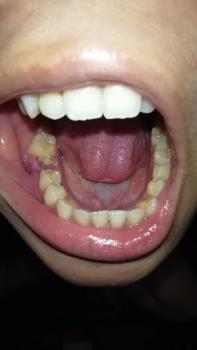
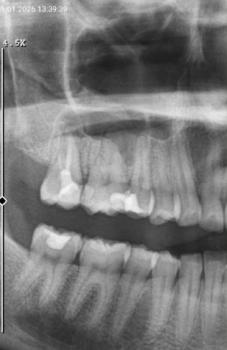
Patients with lower front gum inflammation may also experience tartar buildup, periodontal disease, gum abscesses, or tooth decay. Explore these related clinical case studies.
Other topics:
Other Dental Clinic