Because Every Tooth Deserves Care.

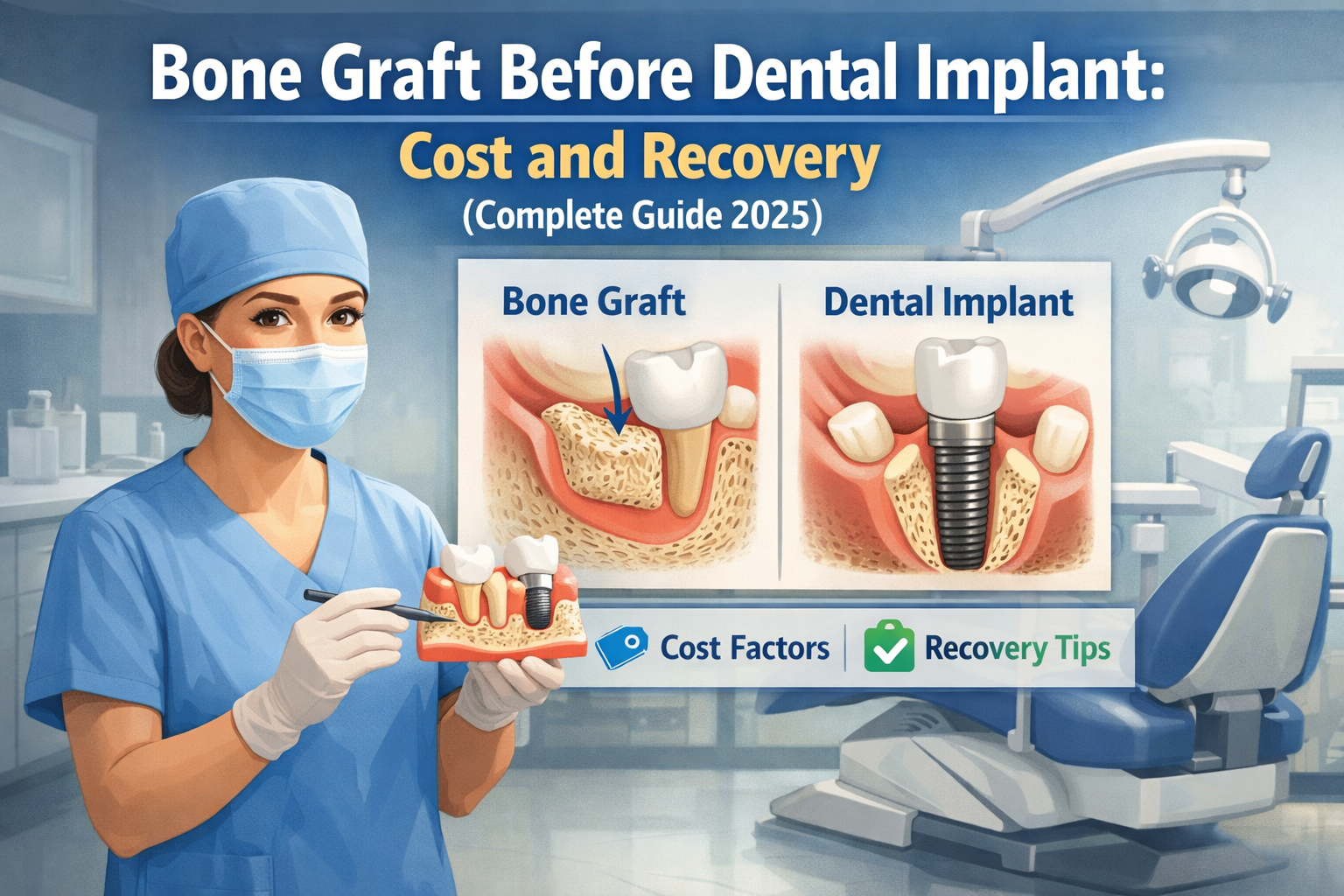
Bone Graft Before Dental Implant: Cost and Recovery (Complete Guide 2025)
Language :
Topics:
If you’ve been told you need a bone graft before getting a dental implant, you’re not alone. Many patients experience bone loss after tooth extraction, making it difficult to support an implant.
A bone graft helps rebuild the jawbone, creating a strong foundation for long-term implant success.
What Is a Bone Graft?
A bone graft is a procedure where bone material is placed into the extraction site or jaw to restore lost bone.
Dental professionals use bone grafts to:
- Strengthen weak jawbone
- Preserve bone after extraction
- Prepare for dental implants
This step is often recommended to improve implant stability and success rates.
Why You May Need a Bone Graft
You may require a bone graft if:
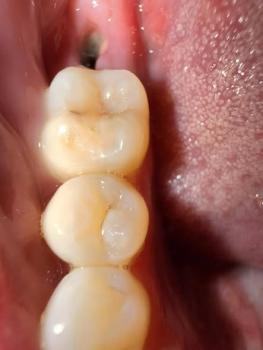
- You have bone loss after tooth extraction
- The tooth has been missing for a long time
- You have gum disease affecting bone structure
- The jawbone is too thin or weak for implants
Without enough bone, implants may fail or not be possible.
Cost of Bone Grafting
The cost of a bone graft varies depending on location, complexity, and materials used.
Estimated costs:
- Philippines: $300 – $800
- United States: $800 – $3,000
- United Kingdom: £400 – £2,500
Costs may increase if additional procedures like sinus lift or advanced grafting are required.
Recovery Timeline After Bone Graft
Healing after a bone graft takes time because the bone must regenerate.
First 1–3 Days
- Mild swelling and discomfort
- Minor bleeding
- Soft diet recommended
First Week
- Swelling gradually reduces
- Gum begins to heal
- Follow-up care is important
2–4 Weeks
- Soft tissue healing improves
- Minimal discomfort
2–4 Months
- Bone fully integrates
- Ready for dental implant placement
Healing time varies depending on the size of the graft and your overall health.
What to Expect During Recovery
During recovery, you may experience:
- Mild swelling
- Tenderness
- Temporary difficulty chewing
Dentists recommend:
- Eating soft foods
- Avoiding pressure on the area
- Maintaining good oral hygiene
- Following all aftercare instructions
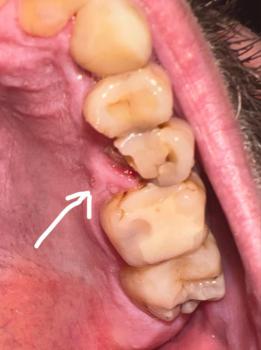
Proper care reduces complications like Dry Socket.
Risks of Bone Grafting
While generally safe, risks may include:
- Infection
- Graft failure (rare)
- Delayed healing
- Swelling or discomfort
Choosing an experienced dentist greatly reduces these risks.
Expert Advice for Better Recovery
Dental experts recommend:
- Avoid smoking during healing
- Take prescribed medications
- Keep the area clean
- Attend follow-up appointments
Good care ensures successful bone regeneration and implant readiness.
Conclusion
Bone grafting is a common and effective procedure that prepares your jaw for dental implants. While it adds time and cost to treatment, it significantly improves long-term results.
With proper care and expert guidance, recovery is smooth and predictable—bringing you one step closer to a strong, confident smile.
FAQ
Is bone grafting painful?
The procedure is done under anesthesia, with mild discomfort afterward.
How long does healing take?
Typically 2–4 months before implant placement.
Is bone grafting always necessary?
No, only when there is insufficient bone for implant support.
Can bone grafts fail?
Failure is rare, especially when proper care is followed.
Can tooth extraction cause infection? Mild inflammation is normal, but increasing swelling, fever, or severe pain may indicate infection. Learn more about post-extraction infection warning signs in this detailed guide.
Book a consultation with our Cebu dental specialists for proper evaluation and care.
Ready to get expert guidance?
If you’re experiencing severe pain or delayed healing, book a consultation with our Cebu dental specialists to get proper evaluation and care.
Consultation or contact page .
Book a Consultation
For severe discomfort or delayed healing, book a consultation with our Cebu dental specialists today.
Looking for a dentist? Browse our Cebu dental directory to find trusted clinics near you.
Medical Review and Clinical Basis
This article is based on clinical dental guidelines and real patient recovery patterns observed after tooth extraction procedures. The information reflects common post-extraction healing stages, including normal clot formation, gum tissue repair, and signs of possible complications such as dry socket or infection.
While mild discomfort is expected after a dental extraction, worsening pain after Day 3, bad odor, exposed bone, or spreading pain may require professional evaluation. These symptoms are consistent with known post-extraction complications described in standard dental practice.
About Cebu Dental Implants
Cebu Dental Implants provides comprehensive tooth extraction, surgical procedures, and dental implant services in the Philippines. Our team evaluates post-extraction healing, manages complications such as dry socket, and advises patients on proper aftercare to prevent infection and delayed healing.
If you experience severe pain or unusual symptoms after extraction, early professional assessment is recommended to prevent further complications.
Important Medical Disclaimer
This content is for educational purposes only and does not replace professional dental diagnosis. Every patient heals differently. If symptoms worsen or do not improve within a few days, consult a licensed dentist for proper evaluation and treatment.
Author
This article was prepared by the Cebu Dental Implants content team in consultation with licensed dental professionals experienced in tooth extraction and implant procedures.
Teeth Case
 |
 |
 |
 |
 |
 |