Missing Teeth? Find Your Smile Again.

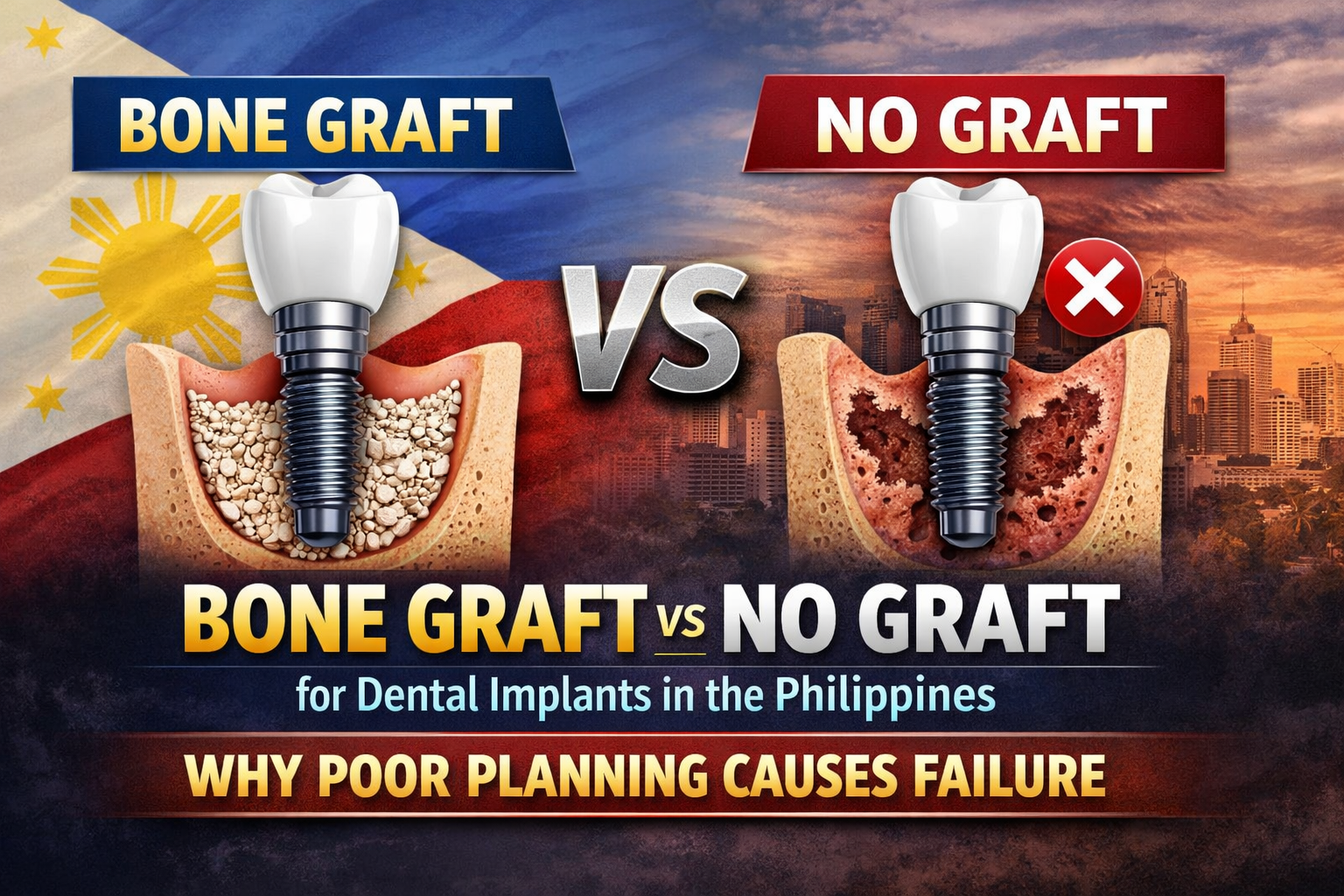
Bone Graft vs No Graft for Dental Implants in the Philippines: Why Poor Planning Causes Failure
Language :
Topics:
Dental implants are one of the best long-term solutions for missing teeth. However, many implant cases fail — not because implants are bad — but because planning was poor.
Two major causes of failure in the Philippines:
-
Skipping bone graft when needed
-
Underestimating the total financial investment
This article explains the difference between bone graft vs no graft, and why many Filipino patients experience implant complications.
Understanding Bone Loss After Tooth Extraction
When a tooth is removed, the jawbone begins to shrink.
-
3–6 months: noticeable bone reduction
-
1 year: significant horizontal bone loss
-
3–5 years: severe shrinkage
Without adequate bone, an implant cannot properly integrate.
What Is a Bone Graft?
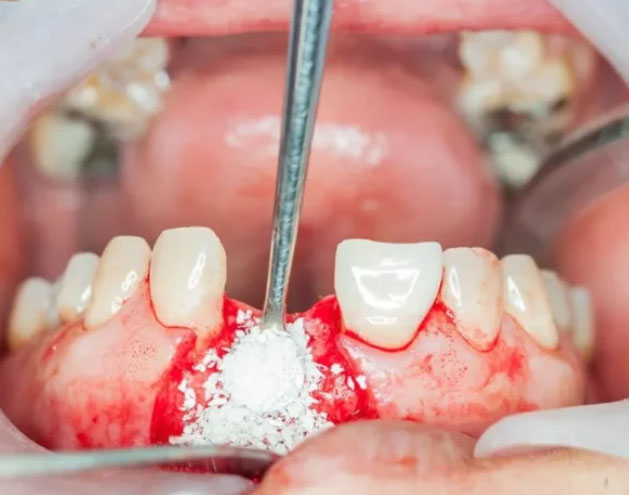
A bone graft is a procedure where bone material is added to rebuild lost jawbone before placing an implant.
Types of Bone Grafts
-
Autograft (patient's own bone)
-
Allograft (human donor bone)
-
Xenograft (animal-derived bone)
-
Synthetic graft materials
Purpose:
-
Restore bone volume
-
Improve implant stability
-
Prevent long-term failure
Implant Without Bone Graft: When Is It Possible?
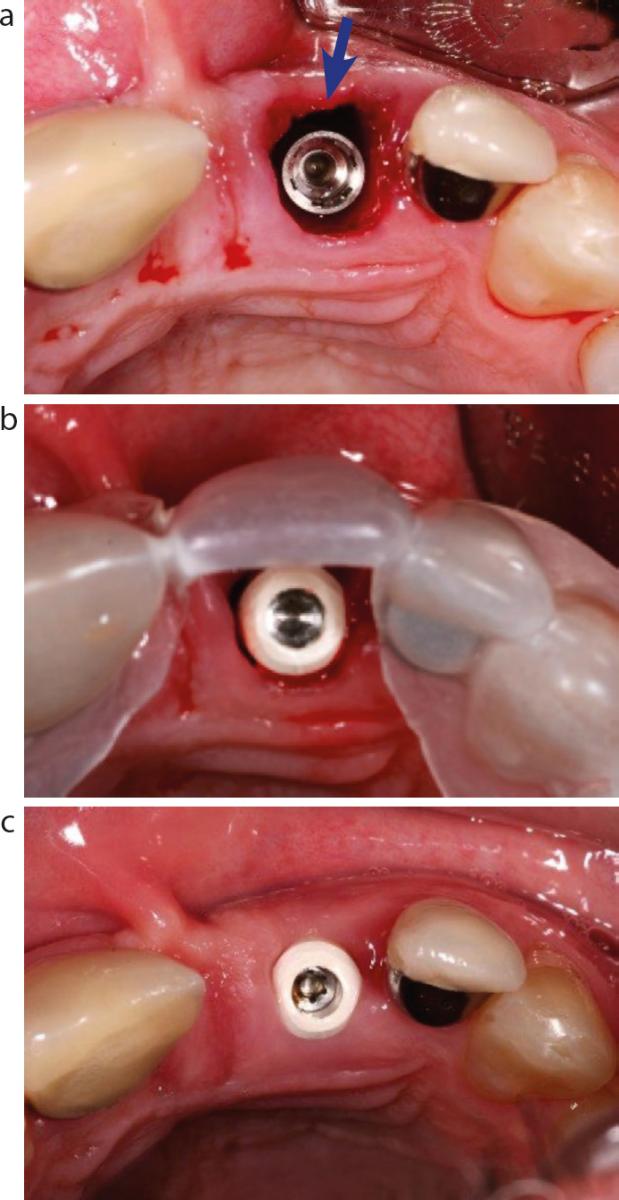
Implants can be placed without graft if:
-
Tooth was recently extracted
-
Bone height and width are sufficient
-
No infection present
-
Patient has good oral hygiene
However, skipping graft when bone is insufficient leads to:
-
Poor primary stability
-
Peri-implantitis
-
Early implant failure
-
Bone resorption around implant threads
Bone Graft vs No Graft: Clinical Comparison
| Factor | With Bone Graft | Without Graft (When Needed) |
|---|---|---|
| Stability | High | Low |
| Long-Term Success | 15–25 years | 2–5 years risk |
| Initial Cost | Higher | Lower |
| Long-Term Cost | Lower | Higher (redo surgery) |
| Risk of Failure | Low | High |
Many patients choose the cheaper initial option — but pay more later.
Why Many Filipino Implant Cases Fail
1. Budget-Based Decision Instead of Diagnosis-Based
In the Philippines, treatment decisions are often based on:
-
“Magkano lahat?”
-
“Pwede ba hindi na mag bone graft?”
-
“Discount?”
Skipping essential procedures reduces long-term success.
2. Delayed Treatment
Many patients wait:
-
5–10 years after extraction
-
Wear removable dentures for long periods
-
Ignore progressive bone shrinkage
By the time they want implants, bone is severely compromised.
3. Lack of CBCT Planning
Advanced implant planning requires 3D imaging (CBCT).
Without proper imaging:
-
Implant placed in thin bone
-
Wrong angulation
-
Sinus perforation (upper jaw cases)
Poor planning = predictable failure.
4. Maintenance Neglect
Implants require:
-
Regular cleaning
-
Professional maintenance
-
Periodic X-ray evaluation
Some patients assume:
“Implant na yan, permanent na.”
Implants can fail due to poor hygiene.
Financial Reality: The Hidden Cost of “Cheaper” Implants
Initial Savings:
-
No graft
-
Basic implant brand
-
No 3D planning
Long-Term Cost:
-
Implant removal
-
Bone reconstruction
-
Second surgery
-
More time off work
A failed implant costs 2–3x more than proper planning from the start.
Psychological Factor: The “Quick Fix” Mentality
Many patients want:
-
Fast results
-
Cheapest option
-
Minimal surgery
But implants are not cosmetic fillers.
They are surgical procedures requiring structural foundation.
When Bone Grafting Is Absolutely Necessary
Bone graft is recommended if:
-
Bone width < 5mm
-
Bone height insufficient
-
Long-term denture use
-
Severe periodontal disease history
-
Trauma cases
Skipping graft in these cases = high failure risk.
When You Can Avoid Bone Graft
-
Immediate implant after extraction
-
Preserved socket bone
-
Young patients with thick bone
-
No history of gum disease
Proper evaluation determines this — not budget preference.
The Truth: Implant Failure Is Often a Planning Failure
Most implant failures are not due to:
-
Bad implant brand
-
“Mahina katawan”
-
Genetics
They are due to:
-
Poor case selection
-
Financial compromise
-
Lack of proper imaging
-
Incomplete treatment plan
Strategic Advice for Filipino Patients
-
Always request 3D imaging evaluation.
-
Ask your dentist about bone thickness measurement.
-
Understand full treatment cost before starting.
-
Plan financially — not emotionally.
-
Choose long-term success over short-term savings.
Final Message
Dental implants are not expensive.
Redoing failed implants is expensive.
Bone grafting may increase initial cost —
but it protects your long-term investment.
Good planning + Proper budgeting = Implant success
Looking for dentist : Visit directory list
Related Clinical Cases
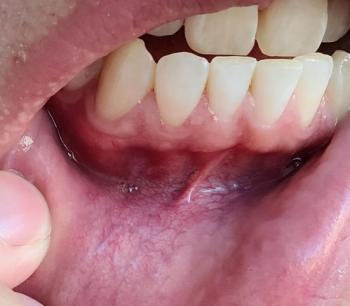
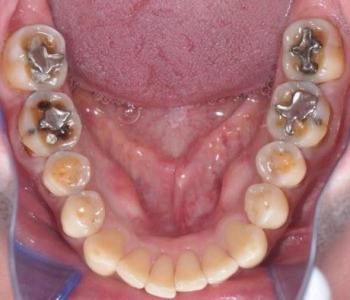
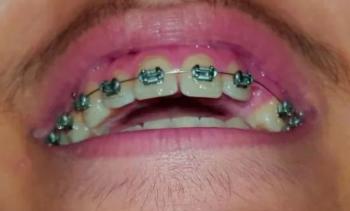
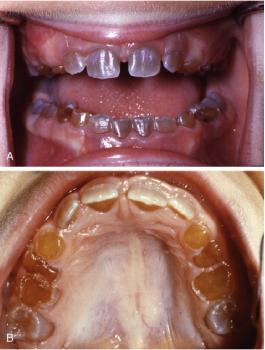
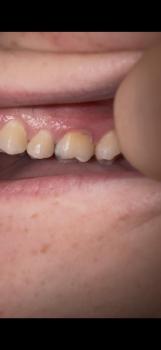
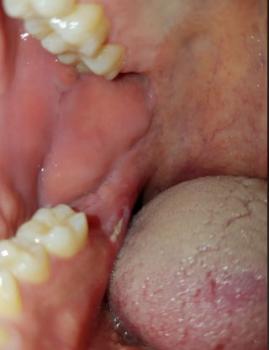
Patients with lower front gum inflammation may also experience tartar buildup, periodontal disease, gum abscesses, or tooth decay. Explore these related clinical case studies.

Other topics:
Other Dental Clinic