Your Smile, Our Passion.

Tooth Extraction & Dental Implant Recovery Guide 2026
Language :
Topics:
Tooth Extraction Healing Stages Day by Day
Tooth extraction healing happens in clear stages, and knowing what to expect helps reduce anxiety.
On Day 1, a blood clot forms in the socket. This clot is very important because it protects the bone and nerves underneath. Slight bleeding and swelling are normal.
By Day 2 to Day 3, swelling may peak, and mild pain is expected. The clot stabilizes, and the body starts repairing the tissue.
From Day 4 to Day 7, the gum begins to heal. Pain should decrease, and swelling improves. You may still feel slight discomfort, but it should not worsen.
At Week 2, soft tissue covers the extraction site. Most daily activities can return to normal.
After 1 month, the bone underneath starts rebuilding. Full healing of the bone can take 3 to 6 months.
To heal faster, avoid smoking, drinking through straws, and eating hard foods. Always follow your dentist’s advice.
Dry Socket Treatment and Prevention
Dry socket is one of the most common complications after tooth extraction. It happens when the blood clot is lost too early, exposing bone and nerves.
Symptoms include severe pain, bad breath, and a visible empty socket. The pain often starts a few days after extraction and can spread to the ear or jaw.
Treatment involves cleaning the socket and placing a medicated dressing. Dentists may also prescribe pain relievers. Relief is usually quick once treated.
Prevention is very important. Avoid smoking, as it reduces blood flow and delays healing. Do not use straws, as suction can remove the clot. Avoid rinsing too hard in the first 24 hours.
Maintaining good oral hygiene and following aftercare instructions greatly reduces the risk of dry socket.
Tooth Extraction Aftercare Guide
Proper aftercare is essential for smooth healing after tooth removal.
After extraction, bite on gauze to control bleeding. Rest and avoid physical activity for at least 24 hours.
Eat soft foods like soup, yogurt, and mashed potatoes. Avoid hot, spicy, or crunchy foods that can irritate the site.
Do not smoke or drink alcohol, as these can delay healing. Avoid using straws.
After 24 hours, gently rinse with warm salt water to keep the area clean. Brush your teeth carefully, avoiding the extraction site.
Take medications as prescribed by your dentist.
If you notice severe pain, swelling, or signs of infection, seek dental care immediately.
Dental Implant Healing Timeline
Dental implant healing takes time because the implant must bond with the bone.
In the first week, swelling and mild discomfort are normal. The gums begin healing around the implant.
After 2 to 4 weeks, the soft tissue heals, and the implant becomes more stable.
Between 2 to 3 months, the bone starts to fuse with the implant in a process called osseointegration.
By 3 to 6 months, the implant is fully integrated and ready for the final crown placement.
Good oral hygiene and regular dental visits help ensure successful healing.
Bone Graft Failure Fix Guide
Bone graft failure can happen but is often treatable.
Common causes include infection, poor blood supply, smoking, or movement of the graft. Symptoms include pain, swelling, and delayed healing.
Treatment depends on the cause. Infection is treated with antibiotics and cleaning. In severe cases, the graft may be removed.
After healing, a new graft can be placed using improved techniques. Many patients successfully undergo a second procedure.
To improve success, stop smoking, maintain oral hygiene, and follow your dentist’s instructions carefully.
Wisdom Tooth Removal Recovery
Wisdom tooth removal recovery is similar to regular extraction but may take longer.
In the first few days, swelling, pain, and limited mouth opening are common. Ice packs help reduce swelling.
By Day 3 to 5, discomfort should begin to improve. Soft foods are recommended during this period.
Within 1 to 2 weeks, the gums heal significantly. Full recovery may take a few weeks depending on the complexity of the surgery.
Avoid smoking, hard foods, and touching the area. Proper care helps prevent complications like dry socket.
Gum Infection After Extraction
Gum infection after extraction can occur if bacteria enter the wound.
Symptoms include swelling, pus, bad taste, fever, and increasing pain. Unlike normal healing, infection causes worsening discomfort.
Treatment includes antibiotics and cleaning the affected area. In some cases, drainage may be required.
To prevent infection, maintain good oral hygiene and follow aftercare instructions. Avoid touching the site with dirty hands or objects.
If you notice signs of infection, seek dental care immediately to avoid complications.
Related Topics
- Tooth Extraction Healing Stages Day by Day
- Dry Socket Treatment and Prevention
- Tooth Extraction Aftercare Guide
- Dental Implant Healing Timeline
- Bone Graft Failure Fix Guide
- Wisdom Tooth Removal Recovery
- Gum Infection After Extraction
- Severe Pain After Tooth Extraction Causes
- Tooth Extraction Pain at Night
- When to See a Dentist After Extraction
Can tooth extraction cause infection? Mild inflammation is normal, but increasing swelling, fever, or severe pain may indicate infection. Learn more about post-extraction infection warning signs in this detailed guide.
Book a consultation with our Cebu dental specialists for proper evaluation and care.
Ready to get expert guidance?
If you’re experiencing severe pain or delayed healing, book a consultation with our Cebu dental specialists to get proper evaluation and care.
Consultation or contact page .
Book a Consultation
For severe discomfort or delayed healing, book a consultation with our Cebu dental specialists today.
Looking for a dentist? Browse our Cebu dental directory to find trusted clinics near you.
Medical Review and Clinical Basis
This article is based on clinical dental guidelines and real patient recovery patterns observed after tooth extraction procedures. The information reflects common post-extraction healing stages, including normal clot formation, gum tissue repair, and signs of possible complications such as dry socket or infection.
While mild discomfort is expected after a dental extraction, worsening pain after Day 3, bad odor, exposed bone, or spreading pain may require professional evaluation. These symptoms are consistent with known post-extraction complications described in standard dental practice.
About Cebu Dental Implants
Cebu Dental Implants provides comprehensive tooth extraction, surgical procedures, and dental implant services in the Philippines. Our team evaluates post-extraction healing, manages complications such as dry socket, and advises patients on proper aftercare to prevent infection and delayed healing.
If you experience severe pain or unusual symptoms after extraction, early professional assessment is recommended to prevent further complications.
Important Medical Disclaimer
This content is for educational purposes only and does not replace professional dental diagnosis. Every patient heals differently. If symptoms worsen or do not improve within a few days, consult a licensed dentist for proper evaluation and treatment.
Author
This article was prepared by the Cebu Dental Implants content team in consultation with licensed dental professionals experienced in tooth extraction and implant procedures.
Related Clinical Cases
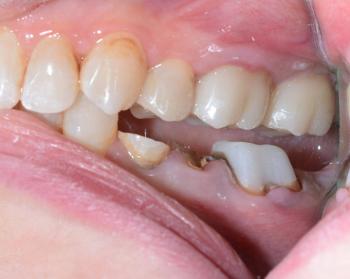
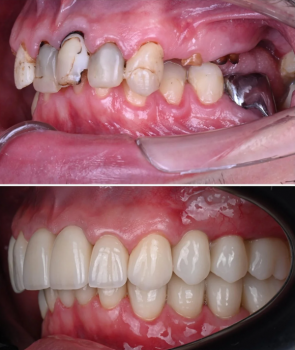
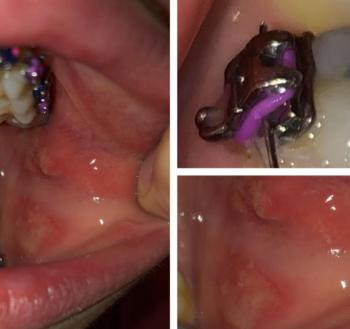
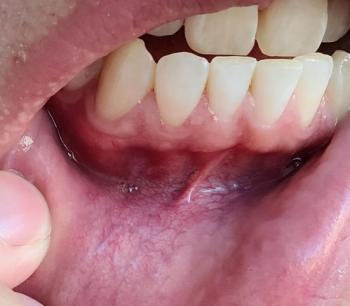
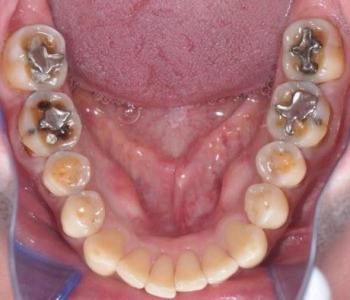
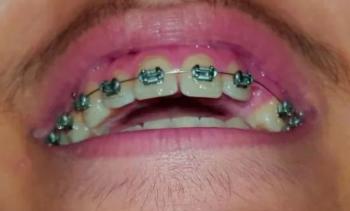
Patients with lower front gum inflammation may also experience tartar buildup, periodontal disease, gum abscesses, or tooth decay. Explore these related clinical case studies.
Other topics:
Other Dental Clinic