Where Bright Smiles Begin.

Cavities in Manila: Why So Many Filipino Families Are Suffering in Silence
For many Filipino families, dental care can become something they postpone until the pain becomes difficult to tolerate. The reasons are understandable—household expenses, work, transportation, fear of dental treatment, and the cost of care can all influence when someone finally visits a dentist.
As a dental professional, my concern is that waiting for a cavity to hurt can allow a small problem to become a much bigger one.
Cavities do not always cause pain in their early stages. Knowing the warning signs can help you seek treatment before the tooth becomes seriously damaged.
Early Signs of a Cavity
White or Chalky Spots
One of the earliest visible changes can be a white, dull, or chalky area on the tooth. This can occur when minerals are being lost from the enamel.
At this stage, the damage may still be manageable, which is why early dental assessment is important.
Brown, Black, or Dark Areas
As tooth decay progresses, the affected area may develop brown, black, or dark discoloration. A dark spot does not always mean active decay—it can also be staining—but a dentist can determine whether the tooth needs treatment.
Tooth Sensitivity
You may notice a quick, sharp sensation when eating or drinking something:
-
Cold
-
Hot
-
Sweet
-
Acidic
Occasional sensitivity can have several causes, so it should not automatically be assumed to be a cavity. Persistent or worsening sensitivity deserves a dental examination.
Signs That a Cavity May Be Advanced
Visible Holes or Pits
A cavity can eventually create a visible hole, pit, or rough area in the tooth. You may also notice that your tongue repeatedly catches on the same spot.
Once a cavity has created a physical hole in the tooth, professional treatment is usually necessary.
Persistent or Spontaneous Toothache
Pain that starts without eating or drinking anything, or an ache that continues for a long period, can indicate that decay has progressed closer to the tooth's pulp.
This is a warning sign that should not be ignored.
Sharp Pain When Biting
Pain when chewing can occur with deep decay, a cracked tooth, or other dental problems. It is important to have the tooth examined rather than assuming the pain will disappear on its own.
Why Filipino Families Should Not Ignore Early Symptoms
I understand why some families may think:
"It's only a small cavity. We can have it treated later."
When household finances are tight, postponing a dental appointment can seem reasonable.
But from a dental perspective, this is where I become particularly concerned.
A cavity generally does not repair itself once the tooth has developed a structural cavity. Without appropriate treatment, decay can continue deeper into the tooth.
What might have been a relatively straightforward restoration can eventually become a more complicated—and potentially more expensive—dental problem.
The Financial Cost of Delaying Treatment
The exact price of dental treatment in the Philippines varies considerably depending on the clinic, location, materials, severity of the problem, and treatment required.
In general, the progression may look like this:
| Dental Condition | Possible Treatment | General Financial Impact |
|---|---|---|
| Early decay | Filling or other conservative treatment | Lower |
| Deep decay affecting the pulp | Root canal treatment and restoration | Higher |
| Significant loss of tooth structure | Crown or other restoration | Higher |
| Tooth that cannot be saved | Extraction; replacement may require a bridge or implant | Potentially much higher |
These are general treatment categories, not fixed Philippine prices. A dentist needs to examine the tooth to determine the appropriate treatment.
Don't Wait for Severe Pain
One of the most important things I want Filipino patients and families to understand is this:
The absence of severe pain does not necessarily mean the tooth is healthy.
Some cavities cause very few symptoms until they become advanced. Regular dental examinations can identify problems that may not yet be obvious to the patient.
If you notice a new dark spot, sensitivity, a hole in a tooth, recurring pain, or discomfort when chewing, consider having it checked.
A Message to Filipino Families
Dental problems can be stressful, especially when a family is already managing many other expenses. My concern is not to make people feel guilty about delaying care—it is to help families understand why early attention can sometimes prevent a much more difficult problem later.
If cost is a concern, ask dental clinics about available treatment options, payment arrangements, dental schools, public dental services, or other lower-cost options in your area.
Taking action early is not simply about protecting your teeth.
It can also help protect your family's time, comfort, and future dental expenses.
Related Clinical Cases
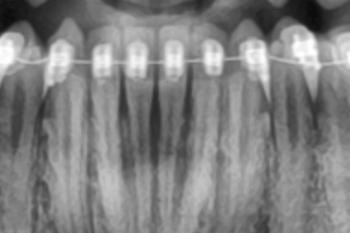
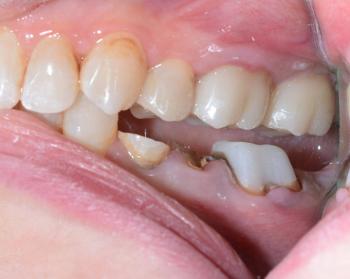
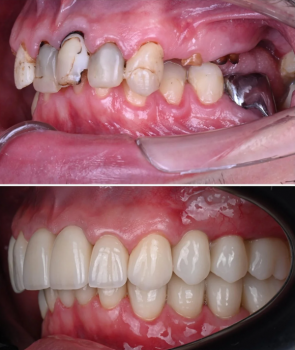
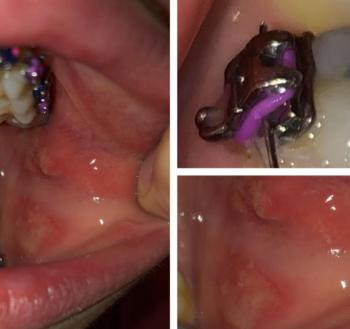
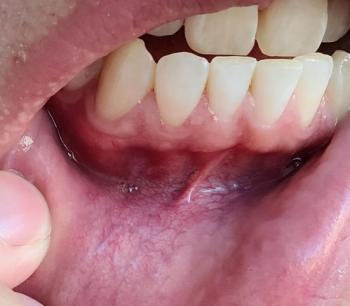
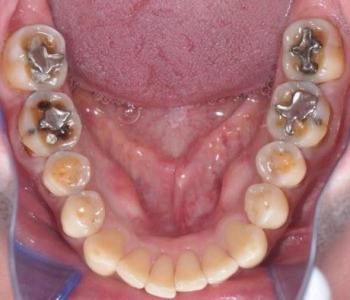
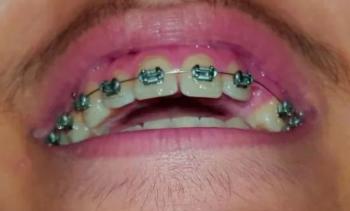
Patients with lower front gum inflammation may also experience tartar buildup, periodontal disease, gum abscesses, or tooth decay. Explore these related clinical case studies.
Other topics:
Other Dental Clinic