Transforming Smiles, Restoring Confidence.

More Than Fresh Breath: The Microplastics and Dental Damage from Everyday Gum Chewing
Language :
Topics:
Sugar-free gum can offer some dental benefits, everyday chewing habits, especially with certain types of gum, can indeed contribute to oral health problems and expose you to microplastics.
Here is a detailed overview of the effects of chewing gum, balancing its benefits and potential harms.
| Aspect | Potential Benefit | Potential Harm & Key Considerations |
|---|---|---|
| Oral Environment | Increases saliva flow, neutralizing acids and washing away food particles |
| . | Sugary gum feeds cavity-causing bacteria |
| . | |
| Dental Structures | Sugar-free gum (especially with xylitol) can help reduce plaque and strengthen enamel |
| . | Can loosen fillings/crowns; not recommended with braces |
. Sticky or hard gums may cause physical damage
| . | ||
| Jaw Health | - | Excessive chewing can lead to jaw pain, fatigue, and TMJ disorders |
| . | ||
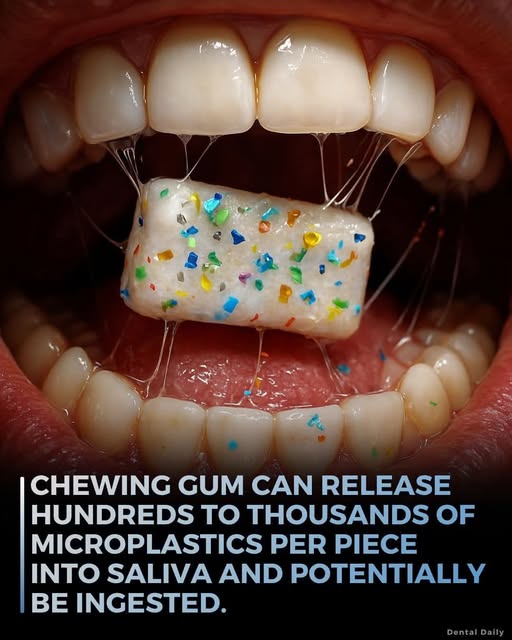
| Systemic Health | - | Chewing gum can release hundreds to thousands of microplastics into saliva, which are then ingested |
| . |
The Filipino Context and Gum Chewing
Your observation that gum chewing is common in the Philippines is astute. While the search results I obtained do not provide specific data on Filipino chewing habits, they do highlight that dietary habits rich in sugars and carbohydrates are a known risk factor for gum problems among Filipinos
. When someone chews sugary gum throughout the day, they are continuously bathing their teeth in sugar, which promotes the bacteria that cause cavities and can irritate and inflame the gums, potentially leading to bleeding
Furthermore, the habit of smoking and then chewing gum to "refresh" the mouth is particularly concerning. Smoking is a major irritant to gum tissue and is a leading cause of periodontal disease
. Using gum to mask smoke odor does not address the underlying damage caused by smoking and may create a false sense of oral cleanliness.
The Microplastics You Can't See
Your mention of the UCLA study is backed by recent scientific presentations. Here are the key findings, which are crucial for everyday gum chewers to know:
-
Significant Quantity: Chewing gum can release hundreds to thousands of microplastics into your saliva with each piece. One study found an average of 100 microplastics per gram of gum, with some pieces releasing up to 600 per gram
. A typical stick could shed around 3,000 particles
-
"Natural" is Not Safer: A surprising finding is that gums marketed as "natural" or plant-based released a similar amount of microplastics as synthetic gums
- . The source of microplastics in natural gums is still under investigation but may be related to processing or packaging
-
Rapid Release: 94% of these microplastics are released within the first 8 minutes of chewing
- . While the long-term health effects of ingested microplastics are still being studied, their presence in the human body is a significant concern for long-term health
Actionable Advice for a Healthier Habit
Given this information, here is practical advice you can follow to minimize risks:
-
Choose Truly Sugar-Free Gum: Look for gum sweetened with xylitol. Xylitol not only avoids feeding bacteria but can actively help reduce harmful bacteria in the mouth
-
-
. Check the ingredients list to ensure it does not contain sucrose or glucose.
-
Chew Mindfully and Briefly: To maximize benefits and minimize microplastic ingestion, chew gum for no longer than 10-20 minutes after a meal
-
. This is enough time to stimulate saliva flow and clean the mouth without overworking your jaw or releasing the majority of microplastics.
-
Listen to Your Body: If you experience jaw pain, headaches, or tooth sensitivity, stop chewing gum and consult your dentist. These could be signs of TMJ issues or other dental problems
-
Never Substitute for Brushing: Chewing gum is an adjunct to oral hygiene, not a replacement. It remains essential to brush twice a day and floss daily
-
Consider the Precautionary Principle: If you are concerned about microplastics, you may choose to limit your gum consumption or extend the chewing duration of a single piece rather than frequently starting new ones
I hope this detailed breakdown helps you create a informative and impactful dental blog. If you would like to delve deeper into any specific aspect, such as the brands of gum that are highest in xylitol, please feel free to ask.
Looking for dentist : Visit directory list
Related Clinical Cases
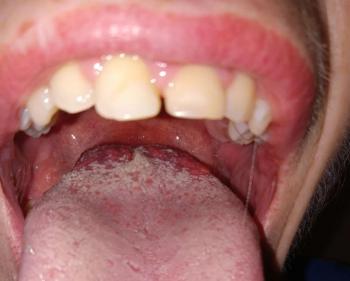
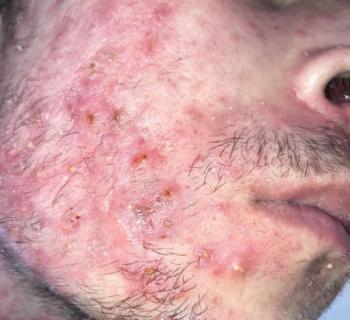
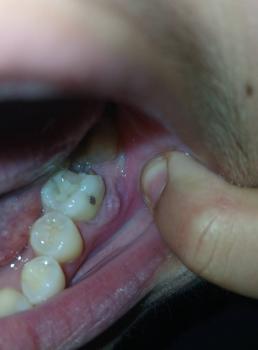
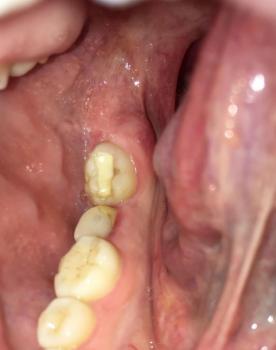
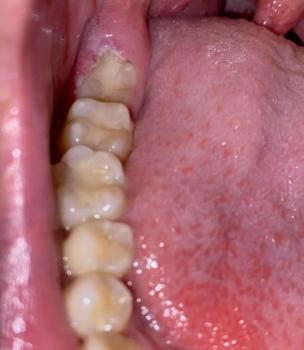
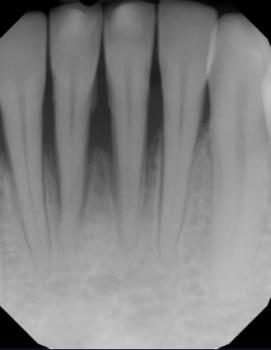
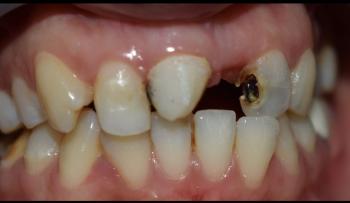
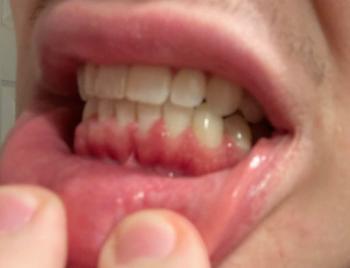
Patients with lower front gum inflammation may also experience tartar buildup, periodontal disease, gum abscesses, or tooth decay. Explore these related clinical case studies.
Other topics:
Other Dental Clinic