Building Confidence One Smile at a Time.

When Toothache Turns Dangerous: A Philippine Dentist's Emergency Response
Language :
Topics:
A Case Study in Managing a Severe Dental Infection in the Philippines
A real-world case study showing how dental infections can become medical emergencies
The Case: Mariano's Dental Emergency
Mariano, a 42-year-old construction worker from Novaliches, Quezon City, had been battling a toothache for nearly two weeks. Like many Filipinos, he initially tried traditional remedies - rinsing with salt water and taking over-the-counter pain relievers. When the pain temporarily subsided, he thought he had overcome the problem.
But three days later, Mariano returned to Dr. Santos' dental clinic in a far worse condition. His story is a classic example of how a simple dental infection can escalate into a potentially life-threatening situation.
Presenting Signs:
-
Rapidly increasing facial swelling extending to his left cheek and neck
-
Visible redness and warm skin over the swollen area
-
Yellowish discharge draining from near the affected tooth
-
Fever of 38.5°C
-
Noticeably swollen lymph nodes under his jaw
-
Severe, throbbing pain that had worsened after initial improvement
The Professional Response: Dr. Santos' Treatment Protocol
Step 1: Immediate Assessment & Triage
Dr. Santos recognized this as a dental emergency requiring urgent intervention. She immediately:
-
Checked vital signs and assessed airway patency
-
Determined the infection had spread beyond the tooth into surrounding tissues
-
Ordered an emergency panoramic X-ray to evaluate the extent of infection
Step 2: Controlled Drainage & Decompression
Understanding the need for immediate pressure relief and infection control:
-
Administered local anesthesia around the affected area
-
Made a small incision in the gum to allow pus drainage
-
Gently decompressed the abscess, providing instant pain relief
-
Collected a pus sample for culture and sensitivity testing
Step 3: Definitive Treatment & Source Control
-
Performed emergency root canal treatment on the infected tooth
-
Thoroughly cleaned and disinfected the root canals
-
Placed intracanal medication to eliminate remaining bacteria
-
Left the tooth open temporarily to allow continued drainage
Step 4: Comprehensive Medical Management
-
Prescribed broad-spectrum antibiotics targeting oral pathogens
-
Prescribed appropriate pain management medication
-
Provided detailed instructions for warm salt water rinses
-
Scheduled follow-up appointment for 24 hours later
Step 5: Patient Education & Prevention Planning
Dr. Santos explained to Mariano:
-
The importance of completing the full antibiotic course
-
Warning signs requiring immediate return to the clinic
-
The need for definitive root canal treatment completion
-
Long-term preventive strategies including regular check-ups
Clinical Analysis: Why This Approach Worked
-
Timely Intervention: The rapid response prevented potential complications like Ludwig's Angina or septicemia
-
Comprehensive Care: Combining mechanical drainage, root canal treatment, and appropriate medication addressed all aspects of the infection
-
Cultural Sensitivity: Understanding common Filipino tendencies to delay dental care allowed for non-judgmental, effective communication
-
Preventive Focus: Using the emergency as a teaching moment for long-term oral health
Key Takeaways for Patients
-
Never ignore increasing swelling, fever, or discharge after toothache
-
Initial improvement in dental pain often signals infection spread, not resolution
-
Professional dental care is essential - home remedies have limitations
-
Complete prescribed medications exactly as directed
-
Follow-up appointments are crucial for full recovery
Looking for dentist : Visit directory list
Related Clinical Cases
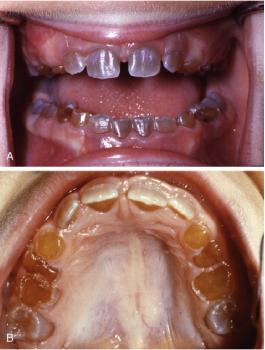
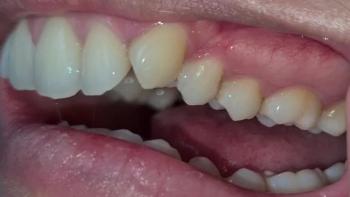
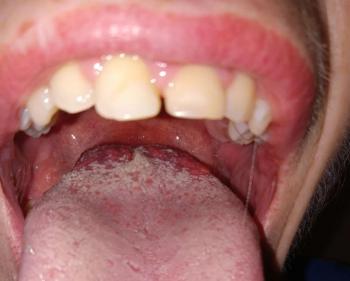
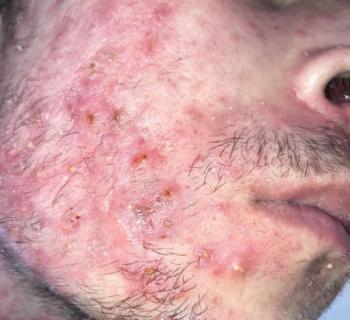
Patients with lower front gum inflammation may also experience tartar buildup, periodontal disease, gum abscesses, or tooth decay. Explore these related clinical case studies.


Other topics:
Other Dental Clinic