Your Smile, Perfected with Precision.

Bone Loss Around Tooth After Root Canal Case Analysis
Image:
Severity:
Teeth Problems:
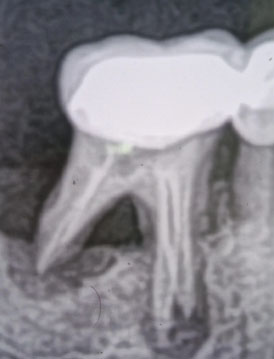
Bone Loss Around Tooth on Dental X-Ray Case Analysis
What Is Seen in This Case
The dental X-ray shows a tooth with a crown and root canal treatment, with visible bone loss around the root area. The bone surrounding the tip and side of the root appears reduced, which indicates a previous or ongoing infection affecting the supporting bone.
Bone loss around a tooth usually develops slowly and may not cause pain at first.
Full Analysis and Provisional Diagnosis
Based on the X-ray appearance, the most likely findings include:
-
Bone loss around a treated tooth
-
History of tooth nerve infection
-
Possible chronic apical infection
-
Reduced bone support for the tooth
Clinical examination and comparison with previous X-rays are needed to confirm if the infection is active or healing.
What Causes Bone Loss Around a Tooth
Common causes include:
-
Long-standing tooth infection
-
Incomplete healing after root canal treatment
-
Recurrent infection at the root tip
-
Cracks or leakage under a crown
-
Delayed follow-up after dental treatment
When bacteria remain near the root, the body responds by breaking down surrounding bone.
Is This a Serious Problem
Bone loss around a tooth is a serious condition, but it can often be managed if detected early. If untreated, it may scale up into:
-
Continued bone destruction
-
Tooth loosening
-
Recurrent abscess
-
Failure of the treated tooth
-
Tooth loss
-
Need for more complex procedures
Early monitoring and treatment improve long-term outcomes.
Recommended Treatment Process
Initial Assessment (Days 1–3)
-
Dental examination
-
Review of symptoms
-
Detailed X-ray evaluation
-
Comparison with previous images
Active Treatment Phase (Days 4–7)
Treatment depends on severity and may include:
-
Observation if healing is progressing
-
Root canal retreatment if infection persists
-
Apical surgery in selected cases
-
Tooth extraction if bone loss is severe
Healing and Follow-Up (Days 8–14)
-
Monitor symptoms
-
Plan follow-up X-rays
-
Reinforce oral hygiene and regular dental visits
Expected Healing Time
-
Symptom improvement: 7–14 days
-
Bone healing: several months
-
Radiographic bone fill requires long-term monitoring
Bone heals slowly and requires patience and follow-up.
What Happens If Treatment Is Delayed
If delayed beyond 14 days or ignored long-term, bone loss may progress and cause:
-
Increased infection size
-
Tooth instability
-
Abscess recurrence
-
Jawbone damage
-
Higher treatment cost
-
Tooth loss
Home Care While Under Monitoring
These steps support healing but do not reverse bone loss:
-
Maintain excellent oral hygiene
-
Avoid chewing hard foods on the affected tooth
-
Follow dentist instructions carefully
-
Attend scheduled follow-up visits
Professional Comment
This case shows bone loss around a previously treated tooth, a condition that requires careful monitoring. Early detection allows intervention before the tooth becomes non-restorable.
Visit a Dental Clinic Near You
For X-ray review and treatment planning, visit:
https://cebudentalimplants.com/map-dental-clinic
Related Clinical Cases
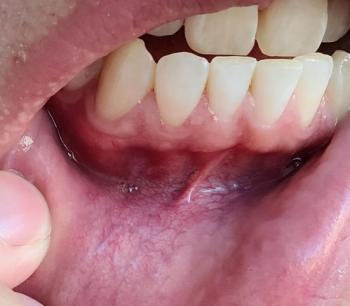
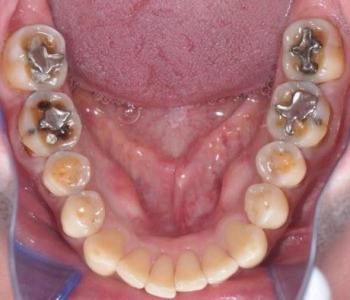
Patients with lower front gum inflammation may also experience tartar buildup, periodontal disease, gum abscesses, or tooth decay. Explore these related clinical case studies.

Other topics:
Other Dental Clinic