Strong Teeth, Fresh Breath, Brighter You.

Youth in Crisis: Addressing Cebu's Rising HIV Rates and Your Oral Health
Language :
Topics:
The Silent Epidemic in Cebu: Understanding the Youth HIV Crisis and Protecting Your Oral Health
Cebu City recorded over three hundred new HIV cases in just eight months of 2025, and a staggering one-third of those patients were between 15 and 24 years old. Behind this statistic is a public health emergency unfolding in our community.
Recent headlines have highlighted a deeply concerning trend: a dramatic surge in HIV cases among Cebu's youth in the past five years. This crisis, largely driven by early exposure via dating apps and social media, is not just a public health statistic. It is a community-wide issue with surprising connections to your family's overall and oral health.
This blog will explain the local crisis, demystify the tools for prevention and treatment available in Cebu, and explain why your dentist has a role to play in your holistic well-being.
The State of HIV in Cebu: A Local Public Health Emergency
The data from Cebu City's health authorities is alarming. From January to August 2025 alone, the city confirmed hundreds of new HIV cases. The most vulnerable group is young people, with a significant portion involving individuals aged 15 to 24 years old. Disturbingly, health officials report cases in young people as early as 15, primarily among young men who have sex with men (MSM), with a significant factor being exposure through social media and dating applications where restrictions are often not strict.
Central Visayas is consistently ranked among the top regions in the Philippines for new HIV infections, solidifying its status as a long-standing hotspot. This rapid increase led the national Department of Health to officially declare HIV a public health emergency in early 2025.
Why Is This Happening? The Underlying Drivers
Health experts point to a complex mix of factors fueling this crisis among youth:
-
Patchy Sex Education: Despite legal requirements, comprehensive sexuality education in schools is unevenly implemented, often avoiding frank discussions about protection due to cultural and religious resistance.
-
Persistent Stigma: Conservative norms create a culture of silence around sex, discouraging open conversations at home and making youth afraid to seek testing or information.
-
Digital Exposure: Dating apps and social media place potential sexual contact "just at the tip of the hand," often without the safeguards of guidance or awareness.
Knowledge is Power: Modern HIV Prevention and Treatment
The medical response to HIV has evolved dramatically. Today, it is a manageable chronic condition, and powerful tools exist to prevent transmission entirely.
Prevention: PrEP and PEP
-
PrEP (Pre-Exposure Prophylaxis): This is a daily pill for HIV-negative individuals at high risk. When taken consistently, it is over ninety-nine percent effective at preventing HIV infection. It is available for free or at low cost at various clinics in Cebu, including LoveYourself Cebu and the social hygiene clinic at Vicente Sotto Memorial Medical Center (VSMMC).
-
PEP (Post-Exposure Prophylaxis): This is an emergency medication taken within seventy-two hours of a potential exposure (e.g., condom break, unprotected sex). It is a twenty-eight-day course to prevent the virus from taking hold.
Treatment: ART and U=U
For those living with HIV, Antiretroviral Therapy (ART) is the standard treatment. Modern ART, often a single daily pill, suppresses the virus to undetectable levels in the blood. This achieves two vital goals: it keeps the individual healthy and, crucially, prevents the sexual transmission of HIV to others. This scientific fact is known as U=U (Undetectable = Untransmittable).
The Oral-Systemic Link: What HIV Means for Dental Health
As dental professionals, we view the mouth as a window to the body's overall health. Systemic conditions like HIV can have direct manifestations in oral health, making dental care an important part of holistic management.
-
Early Signs: Some of the earliest signs of HIV-related immune suppression can appear in the mouth. These may include persistent oral thrush (a white fungal infection), oral hairy leukoplakia (white patches on the tongue), severe gum disease (gingivitis/periodontitis), or painful mouth ulcers.
-
Management and Care: A dentist familiar with a patient's HIV status can provide proactive care to prevent and manage these conditions. Furthermore, good oral health is essential for overall well-being, especially for someone managing a chronic condition. Poor oral health can be a source of significant infection and complication.
Where to Seek Help, Testing, and Care in Cebu
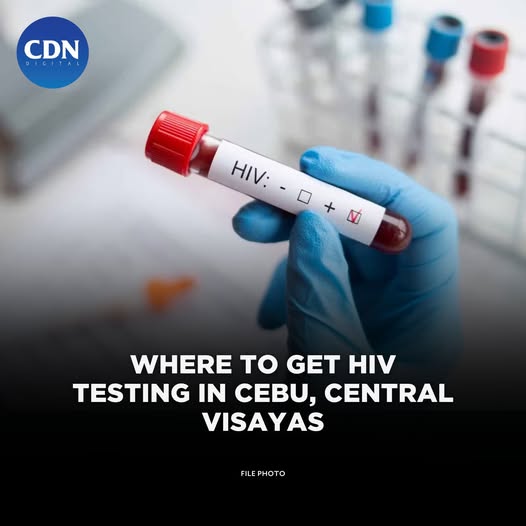
If you are sexually active, getting tested is a responsible and routine part of healthcare. Testing is confidential, often free, and results from rapid tests are available in minutes.
Key Testing and Treatment Hubs in Cebu:
-
Cebu City Health Department Social Hygiene Clinic: Offers testing, counseling, and prevention services.
-
Vicente Sotto Memorial Medical Center (VSMMC) - Kaambag Clinic: The DOH-accredited confirmatory testing center for the Visayas and a major treatment hub.
-
LoveYourself Cebu: Provides free testing, PrEP, counseling, and peer support in a stigma-free environment.
-
Local Barangay Health Centers: Many are scaling up HIV services, with some offering testing and referrals.
The Cebu City government is also implementing new initiatives, such as institutionalizing free annual health check-ups that include HIV testing for vulnerable sectors, recognizing that prevention is more effective and less expensive than late-stage treatment.
A Call for Compassion and Action
The fight against HIV in Cebu is not just a medical challenge; it's a social one. As Dr. Kathleen Joyce Del Carmen of VSMMC's Kaambag Clinic states, "Stigma kills faster than the virus". Fear of judgment stops people from getting tested, leading to late diagnosis and worse health outcomes.
We encourage our community to:
-
Get Educated: Seek accurate information from reputable health sources.
-
Get Tested: Know your status. It empowers you to protect yourself and your partners.
-
Talk Openly: Reduce stigma by having compassionate, non-judgmental conversations about sexual health.
-
Seek Integrated Care: Remember that your oral health is part of your total health. Inform your dentist of any systemic health conditions for the safest, most comprehensive care.
Your health—both systemic and oral—is interconnected. By addressing challenges like the HIV epidemic with knowledge, compassion, and access to care, we can build a healthier Cebu for everyone.
Looking for dentist : Visit directory list
Teeth Case
 |
 |
 |
 |
 |
 |