Because Every Tooth Deserves Care.

Dental Implants in Cebu vs Manila: Advanced Clinics & Treatment Guide
The Philippines is a growing destination for dental treatment, with major services concentrated in Cebu City and Metro Manila. Patients exploring dental implants may find clinics offering digital diagnostics, implant surgery, crown restoration, and full-mouth rehabilitation.
Cebu and Manila serve both local and international patients. However, the quality, equipment, and services of dental clinics vary. Patients should evaluate the individual dentist, clinic facilities, treatment plan, and aftercare arrangements before choosing where to receive dental implant treatment.
This guide explains what patients can expect from dental implant clinics in Cebu and Manila, including diagnostic technology, surgical procedures, restorative dentistry, and important factors when selecting a provider.
Important: This article is for general education. The availability of equipment, implant brands, and treatment services varies by clinic. Claims about a specific clinic should be verified directly with that provider.
1. Advanced Dental Diagnostics and Consultation
A successful dental implant treatment plan begins with a thorough examination and appropriate diagnostic imaging.
Modern dental clinics may use digital technology to assess the jawbone, tooth position, bite, and overall oral health.
Cone Beam CT (CBCT) Imaging
<AsyncImageGroup query={["dental CBCT cone beam computed tomography scanner","3D dental implant planning CBCT jawbone","dental implant digital scan planning computer"]} aspectRatio="5:3" layout="carousel"/>
Cone Beam Computed Tomography, commonly called CBCT, produces three-dimensional images of the teeth and jawbone.
A dentist or implant specialist may use CBCT imaging to assess:
-
Jawbone height and width.
-
The position of important anatomical structures.
-
The location of the inferior alveolar nerve in appropriate cases.
-
The relationship between teeth and surrounding bone.
-
Potential bone-grafting requirements.
-
Implant placement planning.
Why CBCT matters
A conventional dental X-ray provides a two-dimensional image. CBCT can provide additional three-dimensional information when it is clinically indicated.
However, CBCT is not required for every dental patient. The dentist should determine whether the scan is necessary based on the treatment plan.
Digital Smile Design and Intraoral Scanning
Some dental clinics use digital intraoral scanners and smile-design software.
Examples of digital scanning systems include:
-
3Shape.
-
iTero.
These systems may help dentists assess the bite, plan restorations, and create digital representations of proposed dental work.
Digital smile design can be useful for discussing the appearance of crowns and other restorations. It does not guarantee the final result.
Questions to ask during consultation
-
Do I need a CBCT scan?
-
Is there enough bone for an implant?
-
Will I need a bone graft?
-
What implant position is planned?
-
What type of crown is recommended?
-
How long will the complete treatment take?
A qualified dentist should explain the findings and treatment options before surgery.
2. Dental Implant Surgery and Bone Augmentation
Dental implant surgery involves placing an implant fixture into the jawbone to support a dental restoration.
In the Philippines, implant procedures may be provided by dentists with relevant implant training, periodontists, or oral and maxillofacial surgeons, depending on the procedure and provider.
Implant placement
The dentist assesses the patient's oral health and determines whether implant treatment is appropriate.
Treatment may involve:
-
Examination and diagnostic imaging.
-
Tooth extraction, if necessary.
-
Bone grafting, if required.
-
Implant placement.
-
Healing and osseointegration.
-
Abutment and crown restoration.
Bone grafting
Some patients do not have enough bone volume for immediate implant placement.
A bone graft may be recommended to improve the available bone for implant treatment.
The need for grafting depends on:
-
Existing bone volume.
-
Bone quality.
-
Implant position.
-
Gum and periodontal health.
-
The planned restoration.
Sinus lift
A sinus lift may be considered for certain implants in the upper back jaw when there is insufficient bone height.
Not every patient requires this procedure.
Who should perform implant surgery?
Look for a qualified dental professional with appropriate implant training and experience.
Depending on the complexity of the case, treatment may involve:
-
General dentists with implant training.
-
Periodontists.
-
Oral and maxillofacial surgeons.
-
Prosthodontists.
Ask about the dentist's qualifications, professional registration, and experience with similar cases.
3. Dental Crown and Bridge Restoration
After the implant has healed appropriately, the dentist may restore it with an abutment and crown.
Digital dental laboratories
Some dental clinics operate in-house dental laboratories or work with external laboratories.
Digital CAD/CAM technology may be used to design and manufacture dental restorations.
Common crown materials
Examples include:
-
Zirconia.
-
Porcelain-fused-to-metal.
-
Other ceramic and metal-ceramic restorations.
The choice of crown material depends on the location of the tooth, bite forces, appearance, and clinical requirements.
Why crown design matters
A dental crown should be designed to fit the implant and surrounding teeth properly.
The dentist evaluates:
-
Bite and chewing function.
-
Crown shape.
-
Tooth shade.
-
Gum appearance.
-
Implant position.
-
Cleaning access.
Digital technology can support the process, but the dentist must assess the clinical fit and function.
4. Full-Mouth Rehabilitation and All-on-4
Patients missing multiple teeth or an entire arch may explore full-mouth implant treatment.
What is All-on-4?
All-on-4 is a treatment approach that uses four implants to support a fixed full-arch prosthesis in selected patients.
It may be considered for patients with extensive tooth loss.
Possible treatment stages
-
Consultation and diagnostic imaging.
-
Treatment planning.
-
Extractions, if necessary.
-
Implant placement.
-
Temporary prosthesis, when appropriate.
-
Healing and clinical assessment.
-
Final fixed prosthesis.
Can full-mouth implants be completed in one trip?
Some clinics offer immediate-loading treatment plans for suitable patients.
However, immediate loading is not appropriate for everyone. Bone quality, implant stability, oral health, and the planned prosthesis must be evaluated.
Temporary teeth placed during a short visit are not necessarily the same as the final permanent restoration.
Ask the dentist:
-
Are the teeth temporary or permanent?
-
How many implants are planned?
-
How long must I stay?
-
Will I need a second visit?
-
What happens if healing does not proceed as expected?
-
Is the final restoration included in the quotation?
5. What to Look For When Choosing a Dental Clinic
Whether you choose Cebu City or Manila, evaluate the individual clinic and dentist.
1. Dentist qualifications
Verify the dentist's professional registration and relevant implant experience.
For patients in the Philippines, check appropriate registration with the Professional Regulation Commission (PRC).
Official website: https://www.prc.gov.ph/
2. Implant training and professional memberships
Some dentists participate in professional organizations such as:
-
International Congress of Oral Implantologists (ICOI).
-
Asian Pacific Academy of Implant Dentistry (APAID).
Membership or certification should be verified and understood in context. It does not automatically guarantee treatment quality or success.
3. Implant brands and traceability
Ask which implant manufacturer and model will be used.
Examples of internationally recognized implant manufacturers include:
-
Straumann.
-
Nobel Biocare.
-
Zimmer Biomet.
-
Osstem.
The availability of these systems varies by clinic.
Request the exact implant brand and model in your treatment records.
4. Diagnostic equipment
Ask whether the clinic has appropriate imaging and diagnostic equipment for your case.
CBCT may be recommended when three-dimensional planning is clinically necessary.
5. Itemized package pricing
Ask for a written quotation covering:
-
Implant fixture.
-
Abutment.
-
Crown.
-
Diagnostic scans.
-
Extractions.
-
Bone grafting.
-
Temporary teeth.
-
Medication and sedation, if applicable.
-
Follow-up appointments.
A clear quotation helps avoid unexpected costs.
6. Cebu City vs Manila for Dental Implants
Cebu City and Metro Manila are two major urban centers offering dental services.
The most suitable location depends on your treatment needs, travel plans, and access to follow-up care.
Manila: Major Metropolitan Healthcare Hub
<AsyncImageGroup query={["Makati Manila Philippines skyline","Bonifacio Global City modern buildings","Manila modern medical hospital exterior"]} aspectRatio="5:3" layout="carousel"/>
Metro Manila includes major business and healthcare districts such as Makati and Bonifacio Global City.
Patients may find a wide range of dental clinics and medical facilities across the metropolitan area.
Potential considerations:
-
Access to a broad range of healthcare services.
-
Multiple dental providers to compare.
-
International airport connections.
-
Urban accommodation and transport options.
Travel time and traffic can vary considerably across Metro Manila.
Cebu City: Major Visayas Dental Hub
<AsyncImageGroup query={["Cebu City Philippines skyline","Cebu City modern hospital exterior","Cebu Philippines tropical coastline"]} aspectRatio="5:3" layout="carousel"/>
Cebu City is a major healthcare and business center in the Visayas.
Patients may find dental clinics offering implant consultation, restorative dentistry, and other dental services.
Potential considerations:
-
Access to dental providers in Cebu City.
-
Healthcare services in a major regional center.
-
International and domestic flight connections.
-
Opportunity to combine treatment with travel in the Visayas.
Cebu City is not necessarily less expensive or less crowded than Manila for every treatment. Compare individual clinics and travel arrangements.
7. Dental Implant Treatment Timeline in the Philippines
Dental implant treatment often involves multiple stages.
Stage 1: Consultation and planning
The dentist examines your teeth, gums, and jawbone. Diagnostic imaging may be recommended.
Stage 2: Surgery
The implant fixture is placed into the jawbone. Extractions or bone grafting may be required.
Stage 3: Healing period
Many conventional implant cases require approximately 3–6 months of healing, although some cases take longer.
Stage 4: Final crown placement
After appropriate healing and assessment, the abutment and crown may be fitted.
How many visits are required?
The number of visits depends on the treatment plan.
Patients traveling from overseas should ask:
-
How long must I stay?
-
Will I need a second trip?
-
Can my dentist at home provide follow-up?
-
What happens if complications occur?
Do not book flights based solely on an advertised short treatment timeline.
8. Dental Implant Costs in Cebu and Manila
Dental implant prices vary between clinics.
What determines the cost?
-
Implant manufacturer.
-
Crown material.
-
Dentist qualifications and experience.
-
Diagnostic scans.
-
Bone grafting.
-
Tooth extraction.
-
Temporary restorations.
-
Number of implants.
-
Complexity of treatment.
Ask for the complete treatment cost
A single implant generally includes:
-
Implant fixture.
-
Abutment.
-
Crown.
Some clinics quote these separately.
For full-mouth treatment, the cost may include several implants, temporary teeth, and a final fixed prosthesis.
Request an itemized quotation before paying a deposit.
9. Long-Term Aftercare for Dental Implants
Dental implant care continues after the crown or full-arch prosthesis is fitted.
Routine maintenance
Your dentist may recommend:
-
Regular dental examinations.
-
Professional cleaning.
-
Daily brushing and interdental cleaning.
-
Monitoring gum health.
-
Checking implant components.
-
Maintenance of the crown or prosthesis.
If you live outside the Philippines
Ask whether your local dentist can provide routine maintenance after treatment.
Keep copies of:
-
Implant brand and model.
-
Implant placement records.
-
Diagnostic scans.
-
Crown specifications.
-
Treatment invoices.
-
Warranty documents.
These records can help with future care.
Frequently Asked Questions
Are dental implants available in Cebu City?
Yes, dental implant services are available from dental providers in Cebu City. Verify the individual dentist's qualifications, treatment experience, and clinic facilities.
Are dental implants available in Manila?
Yes, dental implant services are available in Metro Manila. Patients should compare clinics and request detailed treatment plans.
Do Philippine dental clinics use CBCT?
Some clinics have CBCT imaging equipment. Confirm availability and whether the scan is appropriate for your treatment.
What implant brands are available in the Philippines?
Examples of established implant manufacturers include Straumann, Nobel Biocare, Zimmer Biomet, and Osstem. Availability depends on the clinic.
Can I get All-on-4 treatment in Cebu or Manila?
Some dental providers offer full-arch implant treatment. Suitability depends on your oral health, bone condition, and treatment plan.
How long does dental implant treatment take?
Many conventional cases involve several appointments and a healing period of approximately 3–6 months or longer.
Can international patients receive dental implants in the Philippines?
Some clinics provide services for international patients. Confirm travel requirements, treatment schedules, and aftercare arrangements before booking.
Which is better for dental implants, Cebu or Manila?
Both cities have dental providers offering implant services. The most suitable choice depends on the individual clinic, dentist qualifications, treatment plan, cost, and follow-up care.
Final Dental Expert Advice
Cebu City and Metro Manila are important dental service hubs in the Philippines.
Patients exploring dental implants may find clinics offering digital diagnostics, implant surgery, crown restoration, and full-mouth rehabilitation.
However, advanced equipment and a modern clinic do not guarantee a successful implant outcome.
Before treatment:
-
Verify the dentist's qualifications.
-
Request a complete treatment plan.
-
Confirm the implant brand and model.
-
Ask about diagnostic imaging.
-
Compare the total cost.
-
Understand the healing timeline.
-
Plan for long-term maintenance.
A qualified dental professional should assess your individual condition and explain the benefits, risks, alternatives, and expected costs before implant surgery.
This article is for general educational purposes and does not replace a personal examination or advice from a qualified dental professional.
Related Clinical Cases
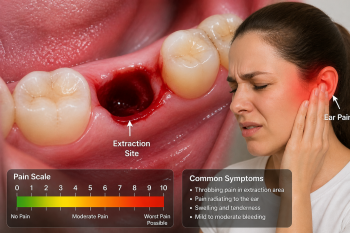
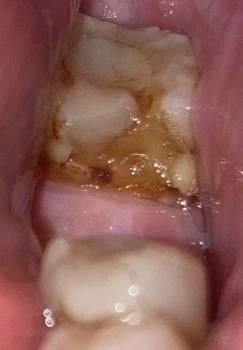
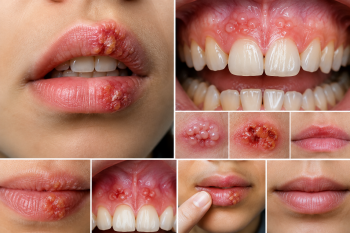
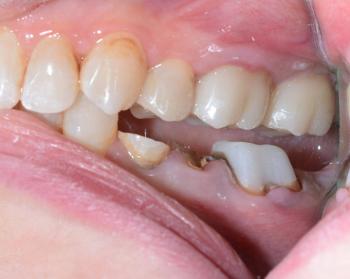
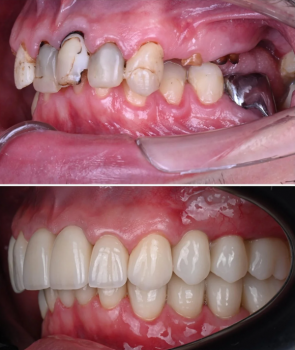
Patients with lower front gum inflammation may also experience tartar buildup, periodontal disease, gum abscesses, or tooth decay. Explore these related clinical case studies.


Other topics:
Other Dental Clinic