Dentures That Feel Natural, Look Beautiful.

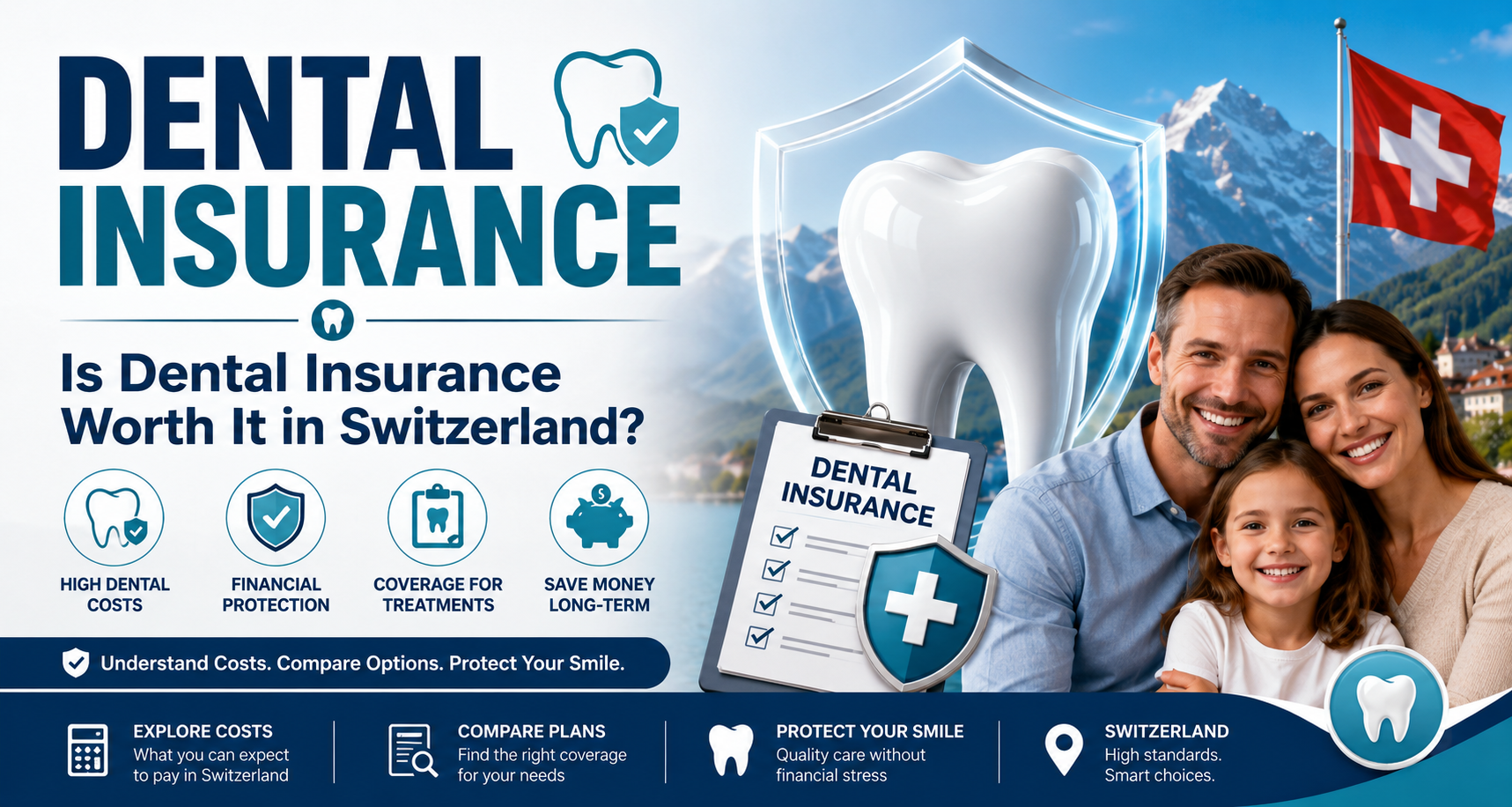
Is Dental Insurance Worth It in Switzerland? A Complete 2026 Cost Breakdown for Expats, Families, and Retirees
Language :
Topics:
Switzerland is famous for its world-class healthcare system, stunning alpine scenery, and high quality of life. Unfortunately, it is also known for having some of the highest dental treatment costs in Europe. For many residents, expats, and newcomers, one question quickly arises:
"Is dental insurance actually worth it in Switzerland?"
The answer is not as straightforward as many people expect.
Unlike many countries where routine dental care is included in public health coverage, Switzerland operates differently. Most adults pay dental expenses entirely out of their own pocket. This reality often comes as a shock to people relocating from countries where cleanings, fillings, and extractions are partially or fully covered.
If you are worried about future dental bills, struggling to understand Swiss insurance options, or wondering whether you should simply save money instead of buying insurance, this guide will help you make an informed decision.
Understanding the Swiss Dental System
Before evaluating insurance, it is important to understand how dental care works in Switzerland.
Basic Health Insurance Covers Almost Nothing
Every Swiss resident must purchase mandatory health insurance.
However, many people mistakenly assume that dental care is included.
For adults, this is generally not true.
Basic health insurance usually does not cover:
- Dental examinations
- Professional cleanings
- Fillings
- Root canal treatment
- Crowns
- Bridges
- Dental implants
- Wisdom tooth removal
- Dentures
The only exceptions are very specific situations involving:
- Serious jaw diseases
- Severe congenital conditions
- Certain systemic illnesses affecting dental health
- Major accidents involving teeth
For routine dental care, patients are expected to pay the bill themselves.
Why Dental Costs Feel So Expensive in Switzerland
Many people experience sticker shock after receiving their first dental estimate.
A simple examination may seem manageable, but larger treatments can become extremely expensive.
Typical private dental costs include:
| Treatment | Typical Cost (CHF) |
|---|---|
| Examination | 80–150 |
| Dental Cleaning | 120–250 |
| X-rays | 50–300 |
| Filling | 150–450 |
| Root Canal | 800–2,000 |
| Crown | 1,000–2,500 |
| Wisdom Tooth Extraction | 300–1,500 |
| Bridge | 2,000–6,000 |
| Dental Implant | 3,000–6,000 |
| Orthodontics (Braces) | 6,000–10,000+ |
For families, these expenses can quickly become overwhelming.
A parent whose child suddenly requires braces may face a bill equivalent to several months of rent.
An older adult needing multiple crowns could receive an estimate exceeding CHF 10,000.
These realities explain why many residents begin investigating supplementary dental insurance.
What Is Supplementary Dental Insurance?
Supplementary dental insurance is optional private coverage designed to help pay for dental treatment.
Unlike mandatory health insurance, insurers can choose who they accept.
This means companies may:
- Review your health history
- Request a dental questionnaire
- Ask for dental records
- Require a dental examination
- Decline applicants with poor dental health
This surprises many newcomers.
Insurance companies are businesses. They do not want someone to purchase a policy today and immediately claim CHF 20,000 worth of treatment tomorrow.
The Hidden Challenge: Pre-Existing Conditions
Many people start researching dental insurance after receiving bad news from a dentist.
Perhaps they need:
- A crown
- Root canal treatment
- Multiple fillings
- An implant
Unfortunately, this is often too late.
Most insurers:
- Exclude pre-existing conditions
- Reject high-risk applicants
- Refuse treatment already diagnosed
This means timing matters enormously.
The best moment to obtain dental insurance is usually before major dental problems develop.
Waiting Periods: Another Important Factor
Many dental insurance plans include waiting periods.
Common waiting periods range from:
- 6 months
- 12 months
- Sometimes longer
During this period:
You pay premiums.
However, your ability to claim benefits may be limited.
This catches many people off guard.
Someone expecting immediate coverage for an upcoming procedure may discover they must wait months before receiving reimbursement.
When Dental Insurance Is Usually Worth It
Let's examine situations where dental insurance often provides genuine value.
1. Families with Children Needing Orthodontics
This is perhaps the strongest argument for dental insurance.
Parents frequently face unexpected orthodontic expenses.
Typical costs:
| Treatment | Approximate Cost (CHF) |
|---|---|
| Traditional Braces | 6,000–10,000 |
| Complex Orthodontics | 10,000–15,000 |
| Retainers | 500–1,500 |
Many families struggle to pay these amounts all at once.
A good supplementary plan can significantly reduce financial stress.
For parents with multiple children, orthodontic coverage alone can justify years of premium payments.
Real Family Example
Imagine a family paying:
CHF 40 per month per child
Annual premium:
CHF 480
Over 10 years:
CHF 4,800
If braces later cost CHF 8,000 and insurance reimburses a substantial portion, the family may come out ahead financially.
This is one of the clearest situations where dental insurance can make sense.
2. People Planning Major Dental Work
Some individuals know they may eventually require:
- Crowns
- Bridges
- Implants
- Root canal treatment
If they secure coverage before diagnosis and pass underwriting, insurance can provide meaningful financial support.
However, there is an important caveat.
Insurance companies actively evaluate risk.
Applicants with visible dental issues may:
- Pay higher premiums
- Receive exclusions
- Face rejection
The earlier you enroll, the better your chances.
3. Long-Term Residents Locking in Lower Rates
Some insurers use age-based pricing.
Younger applicants often enjoy lower premiums.
For example:
| Age | Monthly Premium |
|---|---|
| 25 | CHF 15–20 |
| 35 | CHF 25–35 |
| 50 | CHF 40–70 |
| 65+ | CHF 70–120 |
Someone joining at age 30 may benefit from lower long-term costs than someone applying at age 55.
For residents planning decades in Switzerland, this can be attractive.
4. Adults Over 50
Dental needs often increase with age.
Common issues include:
- Cracked teeth
- Gum recession
- Crowns reaching end of lifespan
- Bridge replacement
- Root canal treatment
These procedures become more common after age 50.
Many older adults appreciate the predictability insurance can provide.
Even if premiums are higher, spreading risk across multiple years may feel worthwhile.
When Dental Insurance Is Usually NOT Worth It
Now let's discuss the situations where purchasing insurance may actually cost more money.
Healthy Adults Under 35
Suppose you are:
- Healthy
- Non-smoker
- Regular dental attendee
- No history of major dental issues
Your yearly dental expenses might be:
| Service | Cost |
|---|---|
| Check-up | CHF 120 |
| Cleaning #1 | CHF 180 |
| Cleaning #2 | CHF 180 |
| Total | CHF 480 |
Now imagine insurance costs:
CHF 50 monthly
Annual premium:
CHF 600
In this example, the insurance costs more than the care itself.
You may simply be paying the insurer to manage money that could remain in your own savings account.
People Leaving Switzerland Soon
Many expats stay only temporarily.
If you plan to leave within:
- 12 months
- 18 months
- 24 months
Dental insurance may not make financial sense.
Reasons include:
- Waiting periods
- Administrative requirements
- Limited claim opportunities
You could pay premiums for months without ever receiving significant benefits.
People Who Seek Treatment Abroad
An increasing number of Swiss residents travel abroad for major procedures.
Popular destinations include:
- Germany
- Hungary
- Croatia
- Poland
- Czech Republic
- Portugal
Many patients discover they can save thousands of francs.
Example: Implant Costs
| Country | Typical Implant Cost |
|---|---|
| Switzerland | CHF 3,000–6,000 |
| Germany | CHF 1,500–3,000 |
| Hungary | CHF 900–2,000 |
| Croatia | CHF 800–2,000 |
Some patients find that a short trip abroad costs less than years of insurance premiums.
The Emotional Side of Dental Costs
Money is only part of the story.
Many people delay treatment because they fear the expense.
Dentists regularly see patients who:
- Postpone cleanings
- Ignore tooth pain
- Delay crowns
- Avoid root canal treatment
The reason is often financial anxiety.
Unfortunately, delaying care usually makes treatment more expensive later.
A small filling may eventually become:
- A root canal
- A crown
- An extraction
- An implant
Insurance can sometimes provide peace of mind, even when the numbers are not perfectly favorable.
That emotional benefit should not be ignored.
Understanding Annual Reimbursement Caps
One of the most misunderstood aspects of dental insurance is the annual cap.
Many policies limit reimbursement to:
- CHF 1,000
- CHF 1,500
- CHF 2,000
- CHF 3,000
This means that even if treatment costs CHF 10,000, the insurer may only reimburse a fraction.
Example:
Implant cost: CHF 5,000
Annual cap: CHF 2,000
Maximum reimbursement:
CHF 2,000
Patient still pays:
CHF 3,000
Always read the fine print.
Cost Comparison: Insurance vs Savings Strategy
Let's compare two common approaches.
Option A: Buy Insurance
Monthly premium:
CHF 45
Annual cost:
CHF 540
Ten-year cost:
CHF 5,400
Option B: Create a Dental Savings Fund
Monthly savings:
CHF 45
Annual savings:
CHF 540
Ten-year savings:
CHF 5,400
Plus interest and complete control over your money.
For healthy adults with minimal dental needs, this approach often wins financially.
Quick Decision Checklist
Dental Insurance May Be Worth It If:
✅ You have children likely to need braces
✅ You are over 50
✅ You expect significant future treatment
✅ You can enroll before problems are diagnosed
✅ You plan to stay in Switzerland long-term
✅ You value predictable dental expenses
Dental Insurance May Not Be Worth It If:
❌ You are under 35 with healthy teeth
❌ You only need routine cleanings
❌ You are moving away soon
❌ You already have major untreated dental issues
❌ You prefer obtaining treatment abroad
❌ Premiums exceed expected annual dental spending
Questions to Ask Before Purchasing
Before signing any policy, ask:
- What is the annual reimbursement limit?
- Is there a waiting period?
- Are orthodontics covered?
- Are implants covered?
- Are pre-existing conditions excluded?
- Is a dental examination required?
- How much does the premium increase with age?
- Is there a lifetime maximum benefit?
These answers can dramatically affect value.
Final Recommendation
For most healthy young adults in Switzerland, dental insurance is often not the most economical choice. Regular check-ups, preventive care, and a dedicated dental savings fund frequently cost less than years of premium payments.
However, families with children approaching orthodontic age, adults over 50, and individuals anticipating major future dental treatment should seriously explore supplementary dental insurance. In these situations, coverage can help reduce the financial shock of expensive procedures and provide valuable peace of mind.
The most important lesson is to compare numbers carefully. Calculate the annual cost of your routine dental care, estimate potential future treatment needs, and compare those figures against premiums, waiting periods, reimbursement percentages, and annual caps.
If the premium is higher than what you realistically expect to spend each year, you may be better off building your own dental emergency fund. But if you face the possibility of braces, implants, crowns, or complex restorative work, the right dental insurance policy could save thousands of Swiss francs over time.
Remember: the cheapest dental treatment is often prevention. Regular check-ups and early intervention remain the most effective way to protect both your smile and your wallet in Switzerland.
Can tooth extraction cause infection? Mild inflammation is normal, but increasing swelling, fever, or severe pain may indicate infection. Learn more about post-extraction infection warning signs in this detailed guide.
Book a consultation with our Cebu dental specialists for proper evaluation and care.
Ready to get expert guidance?
If you’re experiencing severe pain or delayed healing, book a consultation with our Cebu dental specialists to get proper evaluation and care.
Consultation or contact page .
Book a Consultation
For severe discomfort or delayed healing, book a consultation with our Cebu dental specialists today.
Looking for a dentist? Browse our Cebu dental directory to find trusted clinics near you.
Medical Review and Clinical Basis
This article is based on clinical dental guidelines and real patient recovery patterns observed after tooth extraction procedures. The information reflects common post-extraction healing stages, including normal clot formation, gum tissue repair, and signs of possible complications such as dry socket or infection.
While mild discomfort is expected after a dental extraction, worsening pain after Day 3, bad odor, exposed bone, or spreading pain may require professional evaluation. These symptoms are consistent with known post-extraction complications described in standard dental practice.
About Cebu Dental Implants
Cebu Dental Implants provides comprehensive tooth extraction, surgical procedures, and dental implant services in the Philippines. Our team evaluates post-extraction healing, manages complications such as dry socket, and advises patients on proper aftercare to prevent infection and delayed healing.
If you experience severe pain or unusual symptoms after extraction, early professional assessment is recommended to prevent further complications.
Important Medical Disclaimer
This content is for educational purposes only and does not replace professional dental diagnosis. Every patient heals differently. If symptoms worsen or do not improve within a few days, consult a licensed dentist for proper evaluation and treatment.
Author
This article was prepared by the Cebu Dental Implants content team in consultation with licensed dental professionals experienced in tooth extraction and implant procedures.
Related Clinical Cases
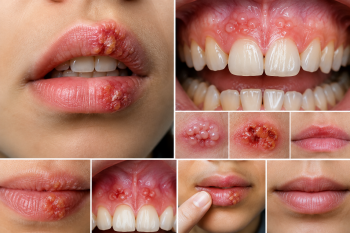
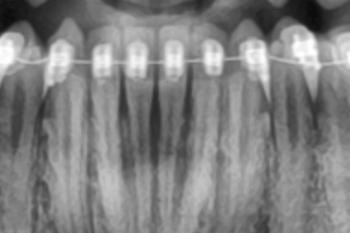
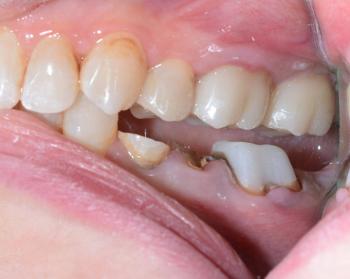
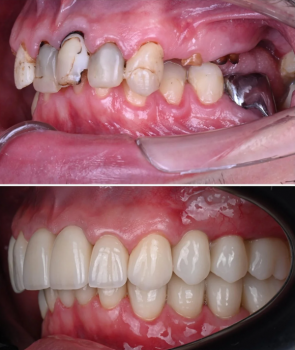
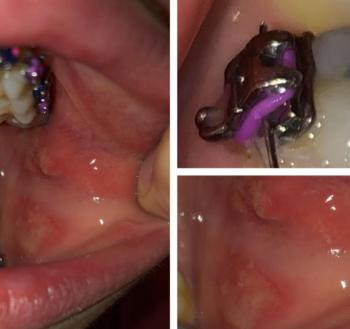
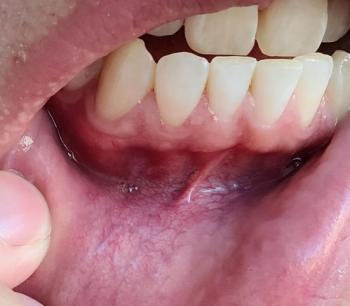
Patients with lower front gum inflammation may also experience tartar buildup, periodontal disease, gum abscesses, or tooth decay. Explore these related clinical case studies.


Other topics:
Other Dental Clinic