Your Smile, Perfected with Precision.

How Soon Should You Get a Dental Implant After Tooth Extraction? USA Expert Guide
Language :
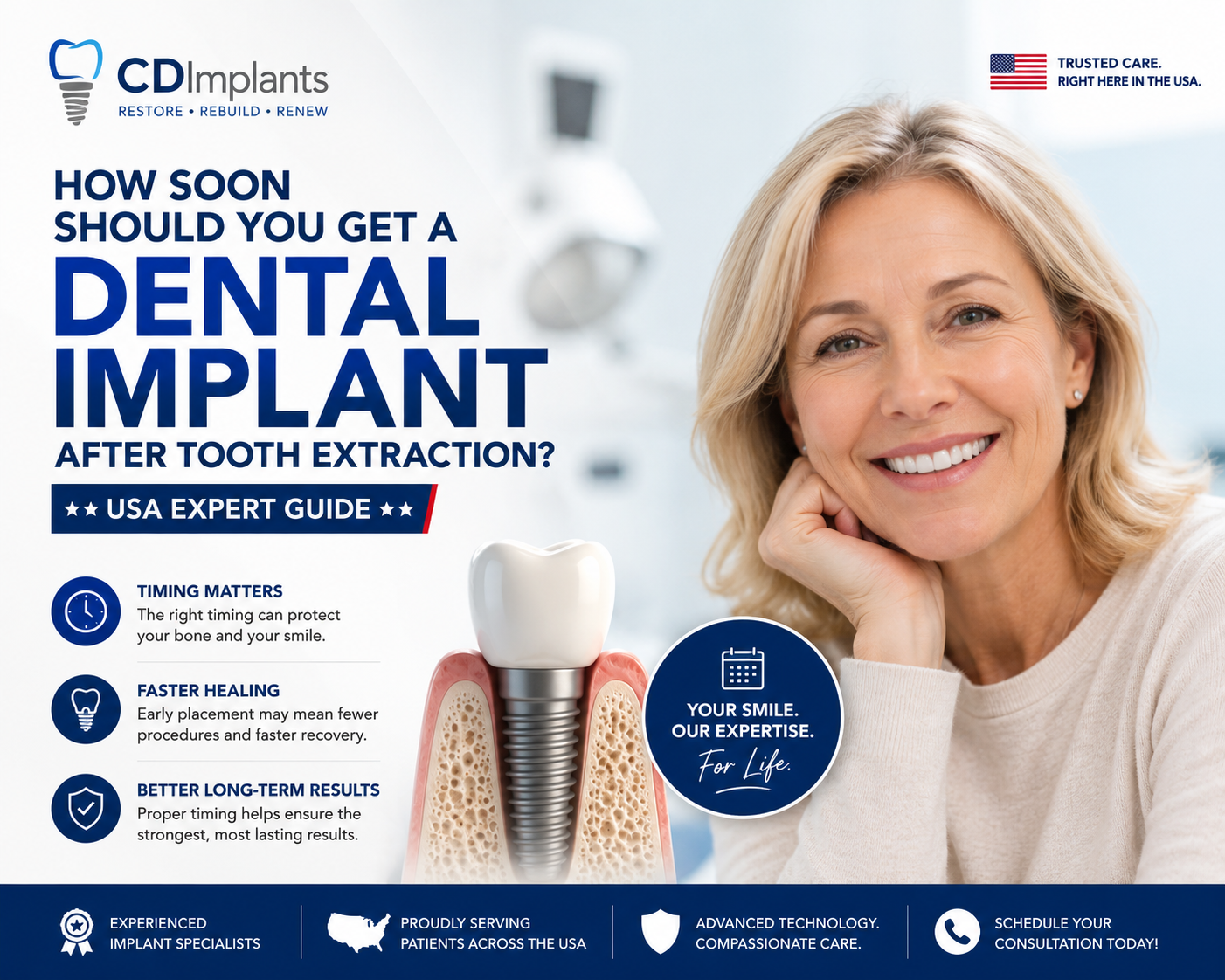
Expert Guide From a USA Dental Professional With 20+ Years of Experience
Tooth extraction is often an emotional experience. Many patients think the hard part is over once the tooth is removed. However, after more than 20 years working in restorative and implant dentistry in the USA, I can confidently say that what happens after the extraction is just as important as the extraction itself.
One of the most common questions patients ask is:
“When do I actually need a dental implant after extraction?”
The answer depends on several factors, including bone condition, gum health, infection, healing speed, and overall oral health. Some patients need an implant immediately. Others should wait several months before placement.
This detailed guide explains everything beginners need to know about dental implants after extraction, including healing timelines, warning signs, costs, recovery expectations, and practical advice from decades of real clinical experience.
A Short Story From My Dental Practice
A few years ago, a patient named Michael came into my office after losing a molar due to a cracked tooth infection. He felt relieved once the painful tooth was removed and decided to “wait a little” before replacing it.
That “little wait” became nearly four years.
When Michael returned, the neighboring teeth had shifted, the opposing tooth had over-erupted, and the jawbone had significantly shrunk. Instead of a simple implant procedure, he now needed bone grafting, sinus augmentation, and orthodontic correction.
His treatment became longer, more expensive, and more complicated.
This situation is extremely common. Many people do not realize that tooth loss begins affecting the jawbone almost immediately after extraction.
That is why understanding implant timing is critical.
What Is a Dental Implant?
A dental implant is an artificial tooth root usually made from titanium or zirconia. It is surgically placed into the jawbone to support a replacement tooth.
A complete implant restoration generally includes:
Implant Post
Placed inside the jawbone.
Abutment
Connector between implant and crown.
Crown
The visible artificial tooth.
Dental implants are considered the gold standard for tooth replacement because they closely mimic natural teeth in function and appearance.
Why Tooth Extraction Creates Problems
When a tooth is removed, the body begins remodeling the surrounding bone.
The jawbone exists partly because tooth roots stimulate it during chewing. Once the root disappears, the body slowly reabsorbs the bone.
What Happens After Tooth Loss?
First Few Weeks
- Blood clot forms
- Gums begin healing
- Bone remodeling starts
First 3–6 Months
- Significant bone shrinkage may occur
- Gum shape changes
- Neighboring teeth may drift
Long-Term Effects
- Facial collapse
- Bite imbalance
- Difficulty chewing
- Increased risk of additional tooth problems
This is one major reason implants are recommended after extraction.
When Do You Need a Dental Implant After Extraction?
The answer depends on the individual case.
Immediate Implant Placement
An implant is placed the same day as extraction.
Best For
- Healthy gums
- Good bone volume
- No severe infection
- Front teeth in cosmetic areas
Advantages
- Faster treatment
- Fewer surgeries
- Better preservation of bone and gums
- Faster cosmetic restoration
Limitations
- Not suitable for all infections
- Requires strong initial bone stability
Early Implant Placement
Usually placed 6–12 weeks after extraction.
Best For
- Mild infection cases
- Partial healing needed
- Better gum stabilization
Advantages
- Lower infection risk
- Good soft tissue healing
- Predictable outcomes
This is one of the most commonly recommended timelines in modern implant dentistry.
Delayed Implant Placement
Placed several months after extraction.
Usually Needed When
- Major infection existed
- Bone grafting is necessary
- Extensive healing required
- Medical conditions slow recovery
Downsides
- Bone loss may increase
- Additional grafting procedures often needed
Comparison: Immediate vs Delayed Dental Implant
| Factor | Immediate Implant | Delayed Implant |
|---|---|---|
| Procedure Timing | Same day | Months later |
| Treatment Length | Shorter | Longer |
| Bone Preservation | Better | More bone loss possible |
| Infection Risk | Slightly higher if infected area | Lower |
| Cosmetic Results | Often excellent | May require more tissue correction |
| Cost | Sometimes lower overall | Can become more expensive |
Signs You May Need a Dental Implant Soon After Extraction
Not everyone realizes how quickly complications can develop.
Common Signs Include
Difficulty Chewing
Missing teeth reduce chewing efficiency.
Bone Shrinkage
Jawbone loss can begin rapidly.
Tooth Movement
Adjacent teeth may tilt into the empty space.
Bite Changes
Uneven pressure may damage other teeth.
Facial Appearance Changes
Missing teeth can create a sunken facial appearance over time.
Speech Difficulties
Some missing teeth affect pronunciation.
How Long Can You Wait Before Getting an Implant?
Technically, some patients wait years.
However, from a professional standpoint, earlier replacement is often better.
Typical Recommendations
Ideal Window
Within the first several months after extraction.
Why Earlier Is Better
- Better bone preservation
- Easier surgery
- Lower chance of needing grafts
- More predictable cosmetic outcomes
Bone Loss After Extraction Explained
Many patients are surprised by how quickly bone changes occur.
Bone Loss Timeline
First 3 Months
Most aggressive bone reduction occurs.
First Year
Up to 50% width reduction may happen in some cases.
After Several Years
Severe collapse may require advanced reconstruction.
What Happens If You Do Not Replace the Missing Tooth?
Some patients assume a missing back tooth is not important because it is not visible.
Unfortunately, untreated tooth loss can create major oral health problems.
Possible Long-Term Consequences
Jawbone Shrinkage
Shifting Teeth
Bite Misalignment
Gum Problems
Increased Tooth Wear
TMJ Issues
Difficulty Eating Certain Foods
Are Dental Implants Painful?
This is one of the most common fears patients have.
In reality, implant procedures are often easier than difficult tooth extractions.
What Most Patients Experience
During Surgery
- Local anesthesia prevents pain
- Mild pressure sensations
After Surgery
- Mild swelling
- Temporary soreness
- Usually manageable with medication
Most patients return to work within a day or two.
Who Is a Good Candidate for Dental Implants?
Dental implants have very high success rates when properly planned.
Ideal Candidates
Healthy Gums
Adequate Bone Volume
Good Oral Hygiene
Non-Smokers or Light Smokers
Controlled Medical Conditions
Who May Need Additional Treatment?
Some patients need preparatory procedures first.
Common Situations
Bone Grafting
Needed when bone volume is insufficient.
Sinus Lift
Often required in upper back jaw implants.
Gum Treatment
Needed if periodontal disease exists.
What Is Bone Grafting?
Bone grafting rebuilds lost jawbone.
Why Bone Grafting Matters
Without enough bone:
- Implants may fail
- Stability decreases
- Cosmetic outcomes worsen
Common Grafting Materials
- Synthetic bone
- Donor bone
- Animal-derived grafts
- Patient’s own bone
Dental Implant Healing Stages
Understanding the healing process helps reduce anxiety.
Stage 1: Extraction Healing
1–2 weeks for gum closure.
Stage 2: Bone Integration
Implant fuses with bone over 3–6 months.
Stage 3: Crown Placement
Final tooth restoration added.
Comparison: Dental Implant vs Dental Bridge
| Feature | Dental Implant | Dental Bridge |
|---|---|---|
| Bone Preservation | Yes | No |
| Adjacent Teeth Altered | No | Yes |
| Longevity | Often decades | Usually shorter lifespan |
| Natural Feel | Excellent | Good |
| Cleaning | Similar to natural tooth | Requires special cleaning |
Comparison: Dental Implant vs Denture
| Feature | Implant | Denture |
|---|---|---|
| Stability | Excellent | May shift |
| Bone Preservation | Yes | No |
| Chewing Strength | Strong | Reduced |
| Comfort | Very natural | Can irritate gums |
| Long-Term Jaw Support | Better | Limited |
What Is the Success Rate of Dental Implants?
Modern dental implants are highly successful.
Average Success Rates
- Often above 95%
- Higher with experienced providers and healthy patients
Success depends heavily on:
- Proper planning
- Bone quality
- Oral hygiene
- Smoking status
- Medical health
Smoking and Implant Failure
Smoking significantly increases complications.
Why Smoking Is Risky
- Reduces blood flow
- Slows healing
- Increases infection risk
- Weakens bone integration
Heavy smokers have higher implant failure rates.
Diabetes and Dental Implants
Controlled diabetes usually does not prevent implant treatment.
However:
- Blood sugar control matters
- Healing may be slower
- Infection risk can increase
A careful medical evaluation is important.
How Much Does a Dental Implant Cost in the USA?
Costs vary widely depending on location and complexity.
Average Implant Cost Range
Single Implant
$3,000–$6,000+
Additional Procedures May Include
- Bone grafting
- Sinus lift
- Temporary restoration
- Sedation
- CT scans
Major cities often have higher fees than smaller communities.
Why Cheap Dental Implants Can Become Expensive
Patients sometimes choose the lowest price without understanding quality differences.
Important Factors Include
- Implant brand quality
- Dentist experience
- Surgical planning technology
- Sterilization standards
- Laboratory quality
Poor implant placement can lead to:
- Implant failure
- Bone loss
- Chronic infection
- Additional surgeries
How to Choose the Right Implant Dentist
Choosing the right provider matters tremendously.
Questions to Ask
How Many Implant Cases Have You Done?
Do You Use 3D Imaging?
What Happens If Complications Occur?
Do You Provide Before-and-After Cases?
What Implant Systems Do You Use?
Experience matters significantly in implant dentistry.
Foods to Eat After Implant Surgery
Healing improves with proper nutrition.
Good Choices
- Yogurt
- Smoothies
- Eggs
- Soup
- Soft fish
- Mashed potatoes
Avoid Initially
- Hard nuts
- Chips
- Sticky candy
- Very hot foods
- Alcohol
- Smoking
Recovery Timeline After Implant Placement
First 24 Hours
- Mild bleeding possible
- Rest recommended
First Week
- Swelling gradually decreases
- Soft foods advised
First Month
- Gum tissues stabilize
3–6 Months
- Implant integrates with bone
Can Dental Implants Last a Lifetime?
Many implants last decades.
Key Factors for Long-Term Success
Daily Oral Hygiene
Regular Dental Visits
Avoid Smoking
Bite Protection
Nightguards may help patients who grind teeth.
Common Myths About Dental Implants
Myth 1: Implants Are Extremely Painful
Most patients report less discomfort than expected.
Myth 2: Older Adults Cannot Get Implants
Age alone is rarely the problem.
Myth 3: Implants Always Fail
Success rates are very high with proper care.
Myth 4: Dentures Are Always Cheaper
Over time, repeated denture adjustments and replacements can add up.
Practical Advice From 20 Years of Experience
After decades in dentistry, several patterns become obvious.
Patients Usually Regret Waiting Too Long
Bone loss progresses silently.
Prevention Is Less Expensive Than Reconstruction
Earlier treatment often avoids major grafting procedures.
Good Oral Hygiene Protects Your Investment
Implants require maintenance just like natural teeth.
Experienced Providers Matter
Skill and planning directly influence outcomes.
Frequently Asked Questions
How soon after extraction can I get a dental implant?
Some patients qualify for same-day placement, while others may wait several weeks or months depending on healing and infection.
Is bone grafting always necessary?
No. Many patients have enough natural bone, especially when treatment occurs early.
Can implants fail?
Yes, but failure rates are relatively low when proper planning and maintenance are followed.
What is the best age for dental implants?
Any healthy adult with completed jaw growth may qualify. Many successful implant patients are in their 60s, 70s, and beyond.
Are implants better than bridges?
In many cases, yes. Implants preserve bone and do not require grinding down neighboring teeth.
How long does the entire implant process take?
Simple cases may finish within a few months. Complex grafting cases can take longer.
So, when do you need a dental implant after extraction?
In most cases, the answer is: sooner than you think.
Every month after tooth loss, the jawbone begins changing. While not every patient requires immediate treatment, delaying too long can create avoidable complications, including bone loss, shifting teeth, and more expensive reconstruction procedures.
After more than 20 years in implant dentistry, I have seen one consistent truth:
Patients who replace missing teeth earlier usually experience easier treatment, better long-term function, and improved confidence.
If you recently had a tooth removed, scheduling an implant consultation early can help preserve your options and protect your oral health for the future.
Can tooth extraction cause infection? Mild inflammation is normal, but increasing swelling, fever, or severe pain may indicate infection. Learn more about post-extraction infection warning signs in this detailed guide.
Book a consultation with our Cebu dental specialists for proper evaluation and care.
Ready to get expert guidance?
If you’re experiencing severe pain or delayed healing, book a consultation with our Cebu dental specialists to get proper evaluation and care.
Consultation or contact page .
Book a Consultation
For severe discomfort or delayed healing, book a consultation with our Cebu dental specialists today.
Looking for a dentist? Browse our Cebu dental directory to find trusted clinics near you.
Medical Review and Clinical Basis
This article is based on clinical dental guidelines and real patient recovery patterns observed after tooth extraction procedures. The information reflects common post-extraction healing stages, including normal clot formation, gum tissue repair, and signs of possible complications such as dry socket or infection.
While mild discomfort is expected after a dental extraction, worsening pain after Day 3, bad odor, exposed bone, or spreading pain may require professional evaluation. These symptoms are consistent with known post-extraction complications described in standard dental practice.
About Cebu Dental Implants
Cebu Dental Implants provides comprehensive tooth extraction, surgical procedures, and dental implant services in the Philippines. Our team evaluates post-extraction healing, manages complications such as dry socket, and advises patients on proper aftercare to prevent infection and delayed healing.
If you experience severe pain or unusual symptoms after extraction, early professional assessment is recommended to prevent further complications.
Important Medical Disclaimer
This content is for educational purposes only and does not replace professional dental diagnosis. Every patient heals differently. If symptoms worsen or do not improve within a few days, consult a licensed dentist for proper evaluation and treatment.
Author
This article was prepared by the Cebu Dental Implants content team in consultation with licensed dental professionals experienced in tooth extraction and implant procedures.
Related Clinical Cases
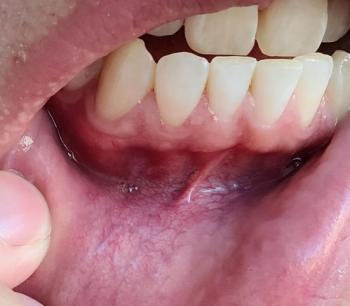
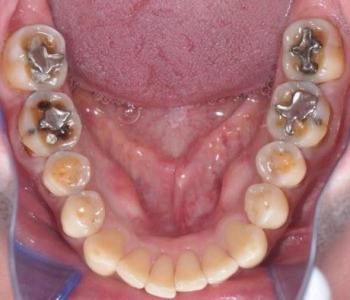
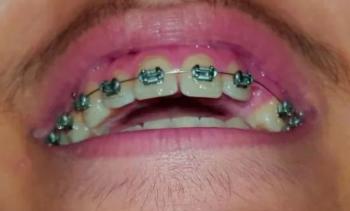
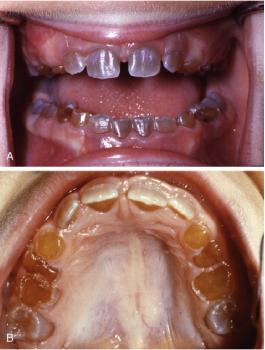
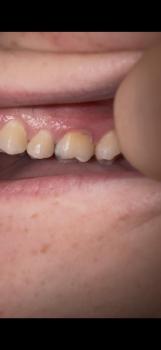
Patients with lower front gum inflammation may also experience tartar buildup, periodontal disease, gum abscesses, or tooth decay. Explore these related clinical case studies.


Other topics:
Other Dental Clinic