Building Confidence One Smile at a Time.

Jaw Pain After Tooth Extraction? Here’s What Your Dentist Won’t Tell You
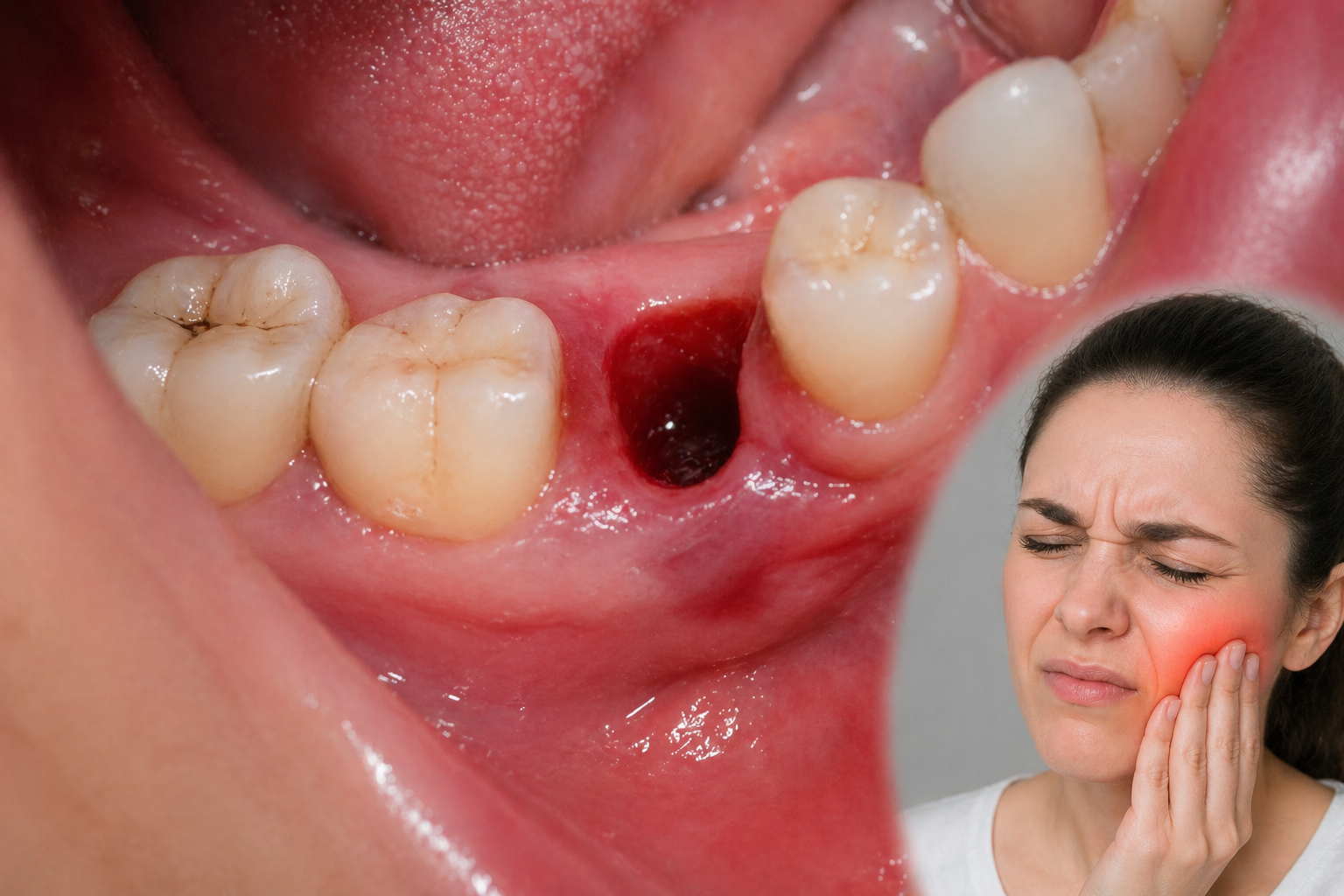
Image:
Severity:
Teeth Problems:
A Clinical Recovery Guide from a Georgia Dental Bone Graft Expert (15 Years Experience)
Jaw pain after tooth removal is one of the most common concerns patients report—yet it’s also one of the most misunderstood.
In my 15 years of clinical practice in Georgia, I’ve treated thousands of extraction and implant cases, and here’s the truth I tell every patient:
Jaw pain is normal—but only within a predictable pattern.
If that pattern changes, it can signal a complication.
This guide will walk you through:
- Why jaw pain happens
- What’s normal vs abnormal
- Real case experience
- Recovery timeline
- Cost comparison (USA vs Philippines)
- Insurance and financing options
- How to choose the right clinic
Why Jaw Pain Happens After Tooth Removal
When a tooth is extracted, the surrounding structures are affected:
- Jawbone
- Muscles
- Ligaments
- Nerves
Main Causes of Jaw Pain
1. Surgical Trauma
Even simple extractions involve pressure on the jaw.
2. Muscle Strain
Holding your mouth open during the procedure can strain jaw muscles.
3. Inflammation
Swelling creates pressure in the surrounding tissues.
4. Bone Involvement
More complex extractions affect deeper bone structures.
Key Insight
Jaw pain is often muscular and inflammatory—not just from the tooth site.
Jaw Pain Timeline: What to Expect
Day 1–2: Initial Pain
What You Feel
- Jaw soreness
- Tightness
- Mild stiffness
Cause
- Procedure-related strain
- Early inflammation
Day 2–3: Peak Pain
What You Feel
- Increased jaw discomfort
- Difficulty opening mouth
- Pressure sensation
Clinical Insight
This is the peak phase.
Day 4–5: Improvement
What You Feel
- Reduced stiffness
- Less pain
Day 6–7: Recovery Phase
- Mild discomfort only
- Improved jaw movement
Week 2: Normal Function
- Jaw movement returns to normal
- Pain minimal or gone
When Jaw Pain Is NOT Normal
1. Pain Gets Worse After Day 3
Possible Cause
Dry socket
2. Severe Jaw Locking
Possible Cause
Muscle spasm or joint issue
3. Pain with Fever or Swelling
Possible Cause
Infection
4. Persistent Pain Beyond 2 Weeks
Possible Cause
Delayed healing or nerve involvement
Real Case from My Georgia Practice
Patient: Michael, 54
Situation
- Surgical molar extraction
Day 2–3
- Severe jaw stiffness
- Difficulty opening mouth
Diagnosis
Muscle inflammation (not dry socket)
Treatment
- Anti-inflammatory medication
- Warm compress after 48 hours
Outcome
- Full recovery within 10 days
Expert Insight
Not all severe jaw pain is dangerous—but it must follow the right timeline.
Cost Comparison: USA vs Philippines
USA (Example: Georgia)
- Extraction: $250 – $800
- Jaw pain treatment (medication/visit): $100 – $400
- Infection treatment: $300 – $1,200
- Bone graft: $600 – $3,500
Philippines
- Extraction: $50 – $150
- Follow-up care: $50 – $150
- Infection treatment: $100 – $300
- Bone graft: $200 – $900
Key Insight
Complications increase total cost significantly—even in low-cost countries.
Insurance Policy Coverage
Major Providers
- Delta Dental
- Cigna
What Is Covered
- Basic extraction: partial
- Follow-up care: sometimes covered
What Is Not Covered
- Complications due to non-compliance
Financing Options (Private & Public)
Private Financing
- CareCredit
- LendingClub
Public Assistance
- Medicaid (limited dental benefits)
- Veterans dental programs
Expert Advice
Financing helps—but avoiding complications saves more.
Recovery Timeline Summary
| Stage | Jaw Pain Level | Meaning |
|---|---|---|
| Day 1–2 | Mild–Moderate | Normal |
| Day 2–3 | Peak | Inflammation |
| Day 4–5 | Improving | Healing |
| Day 6–7 | Mild | Stabilizing |
| Week 2 | Minimal | Recovery |
Best Clinics to Visit (How to Choose)
USA
Look for:
- Oral surgeons
- Implant specialists
- CBCT imaging
Philippines
Top cities:
- Manila
- Cebu
Key Criteria
- Bone graft experience
- Transparent pricing
- Strong patient reviews
How to Reduce Jaw Pain
1. Use Cold Compress (First 48 Hours)
2. Switch to Warm Compress After
3. Take Prescribed Medications
4. Eat Soft Foods
5. Avoid Overuse of Jaw
Common Mistakes That Worsen Jaw Pain
- Talking too much early
- Chewing hard foods
- Ignoring stiffness
- Skipping medication
Jaw Pain vs Serious Complication
| Symptom | Likely Cause |
|---|---|
| Mild stiffness | Normal |
| Severe radiating pain | Dry socket |
| Swelling + fever | Infection |
| Locking jaw | Muscle issue |
FAQ: Jaw Pain After Tooth Removal
1. Is jaw pain normal after extraction?
Yes, especially in the first few days.
2. When does jaw pain peak?
Usually Day 2–3.
3. When should I worry?
If pain worsens after Day 3 or includes fever.
4. How long does jaw pain last?
Typically 5–10 days.
5. Can jaw pain affect implants later?
Yes, if healing is poor.
6. What helps jaw pain most?
Rest, medication, and proper care.
Related Topics
1. Throbbing Pain After Extraction
Understand pain patterns and causes
2. How to Prevent Dry Socket
Protect your healing process
3. What to Eat After Tooth Extraction
Support recovery through diet
Final Thoughts from a Georgia Expert
After 15 years of treating extraction and implant cases, one principle stands out:
Jaw pain is expected—but it should behave predictably.
The key is simple:
- Expect early discomfort
- Monitor the pattern
- Act quickly if symptoms worsen
Because in dental recovery:
The timeline tells the truth.
If pain improves—you’re healing.
If pain worsens—it’s time to act.
Related Clinical Cases
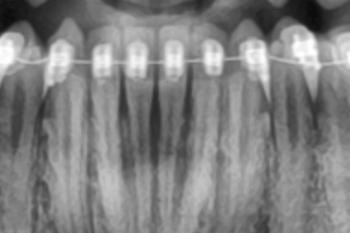
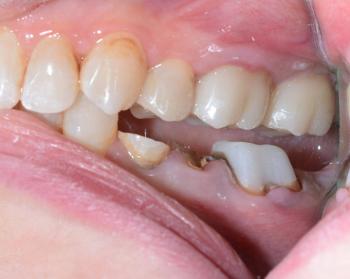
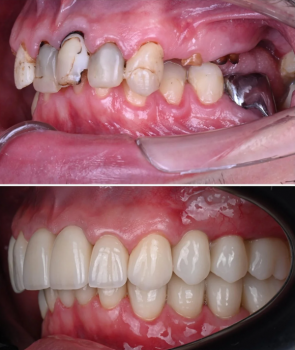
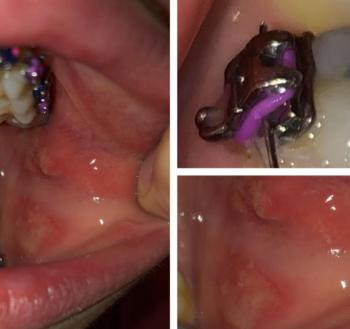
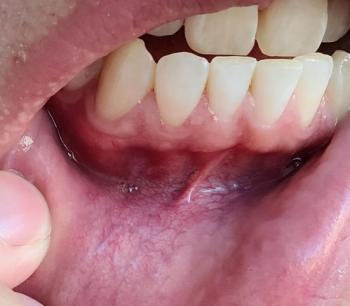
Patients with lower front gum inflammation may also experience tartar buildup, periodontal disease, gum abscesses, or tooth decay. Explore these related clinical case studies.


Other topics:
Other Dental Clinic