Because Every Tooth Deserves Care.

MetLife Dental Insurance Implants Coverage (2026 Guide)
Language :
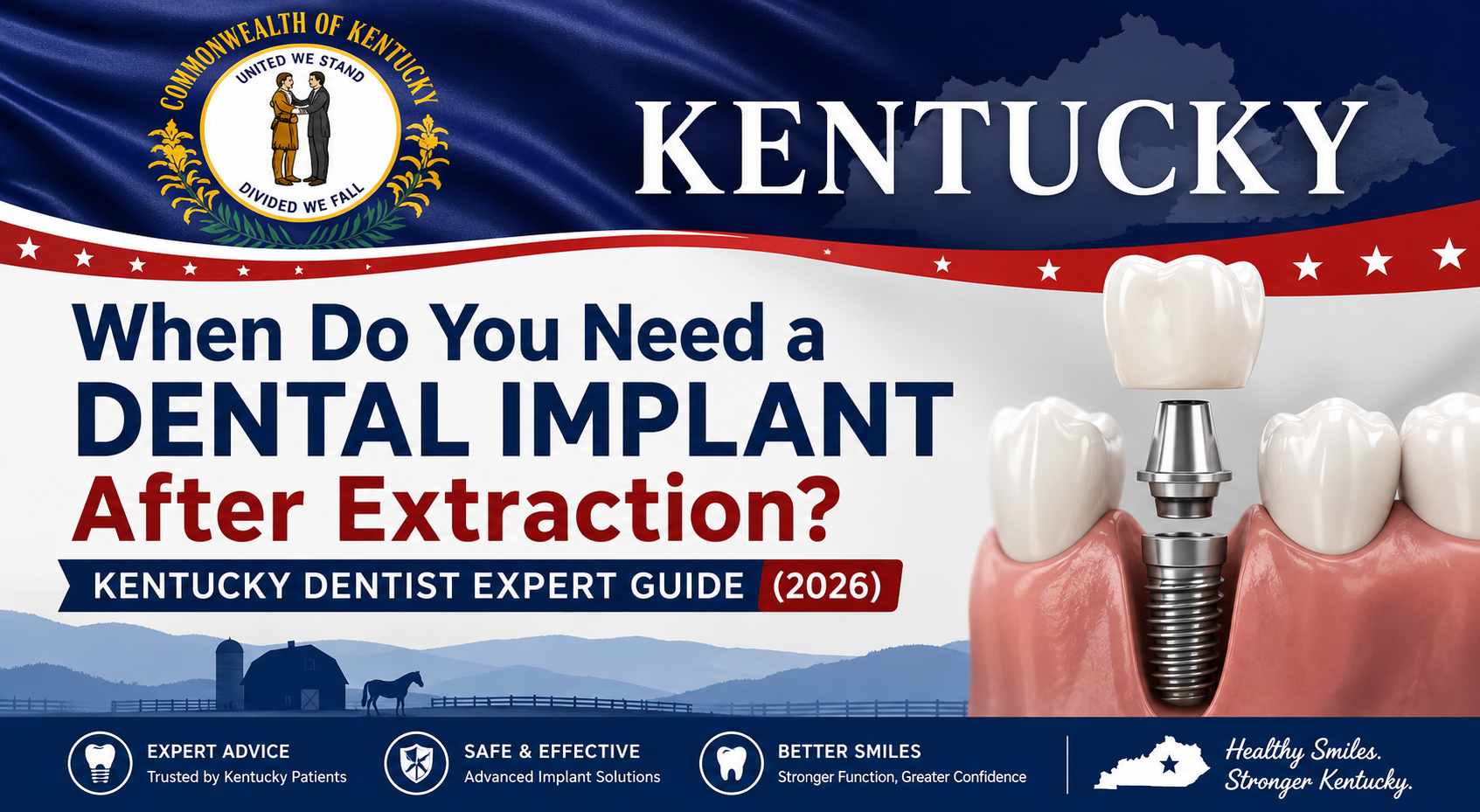
Understanding How MetLife Handles Dental Implant Coverage in the USA
Dental implants have transformed modern dentistry in the United States. Patients today are no longer satisfied with removable dentures or temporary solutions. They want permanent tooth replacement options that restore chewing ability, improve confidence, preserve jawbone structure, and look natural for many years.
But one major concern remains common in nearly every consultation:
“How much will insurance actually pay for dental implants?”
As a dental implant provider in the United States, I regularly work with patients insured through MetLife. Many patients assume implant coverage is simple, but dental insurance policies can be surprisingly complex.
MetLife offers a wide variety of dental plans, and implant benefits vary depending on:
- PPO vs HMO structures
- Employer-sponsored plans
- State-specific policies
- Waiting periods
- Annual maximums
- Missing tooth clauses
- Alternative benefit provisions
- Preauthorization requirements
This guide explains how MetLife dental insurance typically handles implants in 2026, including:
- What implant procedures may be covered
- Insurance requirements
- Waiting periods
- Claim approval process
- Common exclusions
- How payment is released
- Tips to maximize reimbursement
Does MetLife Dental Insurance Cover Implants?
Yes — many MetLife dental plans now provide partial implant coverage.
However, not every MetLife policy includes implant benefits automatically.
Coverage depends heavily on:
- Your specific plan
- Employer benefit package
- PPO or HMO network type
- Individual policy upgrades
- State regulations
Some plans may cover:
- Implant surgery
- Implant crowns
- Abutments
- Bone grafting
- Tooth extractions
- Diagnostic imaging
Other plans may:
- Exclude implants entirely
- Cover only restorative crowns
- Restrict implant frequency
- Use alternative benefit calculations
This is why patients should never assume coverage without detailed insurance verification.
Typical MetLife Implant Coverage Structure
Although policies differ, many MetLife PPO plans follow a structure similar to this:
| Service | Typical Coverage |
|---|---|
| Preventive care | 80%–100% |
| Basic procedures | 60%–80% |
| Major restorative care | 40%–60% |
| Dental implants | 30%–50% |
| Annual maximum | $1,000–$3,500 |
Premium employer-sponsored plans sometimes provide higher annual limits and improved implant benefits.
PPO vs HMO Plans for Implant Treatment
MetLife PPO Plans
PPO plans are generally the preferred option for implant patients.
Advantages:
- Larger provider networks
- Greater specialist access
- Out-of-network reimbursement
- Better flexibility for complex treatment
Disadvantages:
- Higher monthly premiums
- Deductibles
- Waiting periods may still apply
For advanced implant procedures, PPO plans usually provide significantly better treatment flexibility.
MetLife HMO Plans
HMO plans typically operate with tighter restrictions.
Advantages:
- Lower monthly costs
- Fixed fee schedules
Disadvantages:
- Smaller specialist networks
- Referral requirements
- Implant exclusions more common
- Limited provider flexibility
Patients pursuing full-mouth implant rehabilitation may encounter more limitations with HMO coverage.
What Implant Procedures May Be Covered?
Patients often think insurance covers only the implant itself.
In reality, implant treatment may involve several separate procedures.
MetLife plans may partially cover:
- Initial consultation
- Digital x-rays
- CBCT scans
- Surgical extractions
- Bone grafting
- Implant placement
- Healing abutments
- Final implant crowns
Coverage percentages vary depending on:
- Plan type
- Annual maximum availability
- Waiting period status
- In-network participation
MetLife Dental Insurance Requirements for Implants
Insurance approval requires proper documentation and verification.
Below are the most common requirements.
1. Comprehensive Dental Examination
Patients usually need:
- Full oral examination
- Periodontal evaluation
- Restorative assessment
Clinical records help establish:
- Tooth loss
- Functional problems
- Bone quality
- Overall oral health
2. Diagnostic Imaging
MetLife often requires radiographic evidence such as:
- Panoramic x-rays
- Periapical films
- CBCT 3D scans
These images help confirm:
- Bone condition
- Implant site suitability
- Surgical necessity
3. Preauthorization Submission
Preauthorization is one of the most important steps.
The dental office submits:
- Treatment codes
- Clinical notes
- X-rays
- Diagnostic records
- Proposed treatment plan
MetLife reviews:
- Eligibility
- Coverage limitations
- Waiting periods
- Medical necessity
- Frequency restrictions
Preauthorization helps estimate expected reimbursement before surgery begins.
4. Waiting Period Completion
Many MetLife plans require waiting periods before implant coverage activates.
Typical timelines include:
- 6 months
- 12 months
- Sometimes longer for major procedures
Employer-sponsored group plans may waive waiting periods.
5. Missing Tooth Clause Evaluation
Some MetLife plans include a missing tooth clause.
This means:
- Teeth lost before insurance enrollment may not qualify for replacement coverage.
This clause is one of the most common reasons implant claims are denied.
Understanding Alternative Benefit Clauses
MetLife sometimes applies an “alternative benefit” provision.
Example:
- Insurance determines a bridge costs less than an implant.
- Instead of reimbursing the implant fully, MetLife may pay based on bridge replacement rates.
Patients then pay the remaining implant difference out-of-pocket.
This often surprises patients expecting full implant reimbursement.
Annual Maximums and Implant Limitations
Even approved implant claims remain subject to annual maximums.
Common annual limits include:
- $1,000
- $1,500
- $2,000
- Occasionally higher for premium plans
Because implant treatment often costs several thousand dollars, patients typically still have out-of-pocket expenses.
How MetLife Processes Implant Claims
Patients often ask:
“When does the insurance actually pay?”
The process usually occurs in stages.
Stage 1: Insurance Verification
Before treatment begins, the office verifies:
- Eligibility
- Waiting periods
- Remaining annual maximums
- Procedure coverage
This helps estimate patient responsibility.
Stage 2: Claim Submission
After treatment completion, the dental office submits:
- Procedure codes
- Clinical notes
- X-rays
- Insurance documentation
Some implant cases involve multiple submissions over different treatment phases.
Stage 3: Claim Review
MetLife reviews:
- Policy status
- Procedure eligibility
- Supporting records
- Benefit availability
- Missing tooth clauses
- Frequency restrictions
Additional documentation requests may delay processing.
Stage 4: Explanation of Benefits (EOB)
MetLife issues an Explanation of Benefits outlining:
- Approved procedures
- Denied procedures
- Insurance payment
- Remaining patient balance
The EOB explains how the claim was processed.
Stage 5: Payment Release
If approved, MetLife usually releases payment:
- Directly to the dental office
- Or occasionally to the patient depending on assignment arrangements
Typical payment timelines:
- 2–6 weeks
- Longer for complex cases
- Longer if appeals are required
Common Reasons MetLife Implant Claims Get Denied
1. Missing Tooth Clause
Very common in individual plans.
2. Waiting Period Not Completed
Newly enrolled patients frequently encounter this issue.
3. Implant Exclusions
Some plans simply exclude implants.
4. Incomplete Documentation
Missing x-rays or clinical narratives may trigger denials.
5. Annual Maximum Exhaustion
Patients may already have used most benefits earlier in the year.
6. Alternative Benefit Reduction
Insurance may approve only lower-cost alternatives instead of full implant reimbursement.
Can Medical Insurance Work Together with MetLife Dental?
In certain medically necessary situations, yes.
Medical insurance may contribute if implant treatment relates to:
- Trauma
- Tumor surgery
- Jaw reconstruction
- Severe pathology
- Congenital conditions
Medical-dental coordination may help reduce patient costs for surgical portions of treatment.
Why Experienced Implant Offices Matter
Insurance processing for implants is complicated.
Experienced implant practices understand:
- Correct coding
- Documentation requirements
- Appeal strategies
- Preauthorization systems
Strong insurance coordination can help:
- Reduce denials
- Improve reimbursement
- Speed processing
- Clarify patient responsibility
Financing Options When Insurance Is Not Enough
Even excellent MetLife plans rarely cover full implant treatment costs.
Many patients combine insurance with financing.
CareCredit Financing
CareCredit is commonly used for implant treatment.
Benefits include:
- Monthly payments
- Promotional financing
- Flexible terms
In-House Dental Financing
Some implant offices offer:
- Payment plans
- Membership programs
- Phased treatment scheduling
Health Savings Accounts (HSA)
HSAs may be used for:
- Implant surgery
- Bone grafting
- Restorative procedures
This provides tax advantages.
Why Clinical Quality Matters More Than Insurance Alone
As a U.S. implant provider, I always remind patients:
Insurance is important — but implant quality matters more.
The cheapest covered option is not always the safest long-term solution.
Poor implant placement can lead to:
- Bone loss
- Gum recession
- Infection
- Implant failure
- Bite instability
Patients should prioritize:
- Surgical experience
- Implant systems used
- Digital planning technology
- Sterilization standards
- Long-term maintenance support
A properly placed implant may last decades.
Questions to Ask MetLife Before Implant Treatment
Important Questions
- Are implants covered under my plan?
- Is there a waiting period?
- Does my policy include a missing tooth clause?
- What is my annual maximum?
- Are bone grafts covered?
- Is preauthorization required?
- Are implant crowns billed separately?
- Is my surgeon in-network?
- Does my plan use alternative benefit provisions?
- How long does claim processing usually take?
How to Maximize MetLife Implant Benefits
1. Obtain Preauthorization Early
Never begin major treatment without insurance verification.
2. Stage Treatment Across Calendar Years
This strategy may allow use of multiple annual maximums.
3. Maintain Continuous Coverage
Avoid policy gaps that may restart waiting periods.
4. Coordinate Dual Insurance
Secondary coverage through a spouse may improve reimbursement.
The Future of Implant Insurance Coverage
Dental insurance companies increasingly recognize implants as:
- Functional treatment
- Not cosmetic luxury procedures
Research continues showing implants improve:
- Nutrition
- Jawbone preservation
- Speech
- Oral stability
- Confidence
- Overall quality of life
Over time, implant benefits will likely continue expanding.
Possible future improvements include:
- Higher annual maximums
- Better Medicare Advantage coverage
- Reduced waiting periods
- Broader implant inclusion
Final Thoughts from a U.S. Dental Implant Perspective
MetLife dental insurance can absolutely help reduce implant treatment costs, but patients need realistic expectations.
The most successful implant patients usually:
- Verify benefits early
- Understand policy limitations
- Complete preauthorization
- Work with experienced implant providers
- Plan treatment strategically
Most importantly, patients should remember:
Insurance approval is only part of the journey.
The true goal is achieving long-term oral health, stable implant function, comfort, and confidence for many years ahead.
A properly planned implant is an investment in both health and quality of life.
FAQ – MetLife Dental Insurance Implants Coverage
Does MetLife cover dental implants?
Many MetLife PPO plans provide partial implant coverage, but benefits depend on the specific policy.
Does MetLife require preauthorization for implants?
Yes. Many implant procedures require preauthorization along with supporting documentation and radiographs.
How long does MetLife take to process implant claims?
Processing often takes 2–6 weeks depending on case complexity and documentation completeness.
What is the missing tooth clause?
It is a policy restriction where teeth lost before insurance enrollment may not qualify for replacement coverage.
Does MetLife cover bone grafts with implants?
Some plans partially cover bone grafting if considered necessary for implant treatment, but coverage varies widely.
Related Topics
- Best Dental Insurance for Implants in the USA
- Dental Insurance Waiting Period for Implants
- Aetna vs MetLife Dental Implant Coverage Comparison (2026)
Can tooth extraction cause infection? Mild inflammation is normal, but increasing swelling, fever, or severe pain may indicate infection. Learn more about post-extraction infection warning signs in this detailed guide.
Book a consultation with our Cebu dental specialists for proper evaluation and care.
Ready to get expert guidance?
If you’re experiencing severe pain or delayed healing, book a consultation with our Cebu dental specialists to get proper evaluation and care.
Consultation or contact page .
Book a Consultation
For severe discomfort or delayed healing, book a consultation with our Cebu dental specialists today.
Looking for a dentist? Browse our Cebu dental directory to find trusted clinics near you.
Medical Review and Clinical Basis
This article is based on clinical dental guidelines and real patient recovery patterns observed after tooth extraction procedures. The information reflects common post-extraction healing stages, including normal clot formation, gum tissue repair, and signs of possible complications such as dry socket or infection.
While mild discomfort is expected after a dental extraction, worsening pain after Day 3, bad odor, exposed bone, or spreading pain may require professional evaluation. These symptoms are consistent with known post-extraction complications described in standard dental practice.
About Cebu Dental Implants
Cebu Dental Implants provides comprehensive tooth extraction, surgical procedures, and dental implant services in the Philippines. Our team evaluates post-extraction healing, manages complications such as dry socket, and advises patients on proper aftercare to prevent infection and delayed healing.
If you experience severe pain or unusual symptoms after extraction, early professional assessment is recommended to prevent further complications.
Important Medical Disclaimer
This content is for educational purposes only and does not replace professional dental diagnosis. Every patient heals differently. If symptoms worsen or do not improve within a few days, consult a licensed dentist for proper evaluation and treatment.
Author
This article was prepared by the Cebu Dental Implants content team in consultation with licensed dental professionals experienced in tooth extraction and implant procedures.
Related Clinical Cases
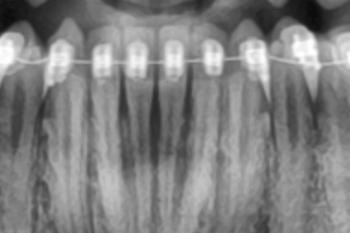
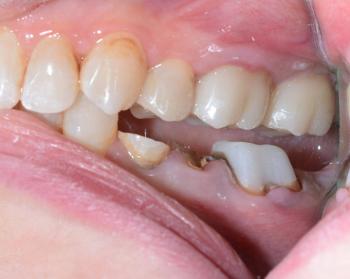
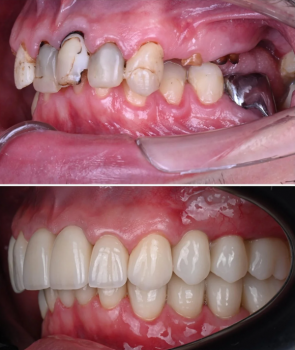
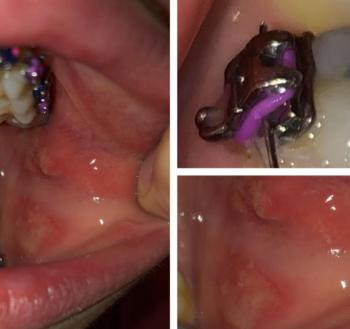
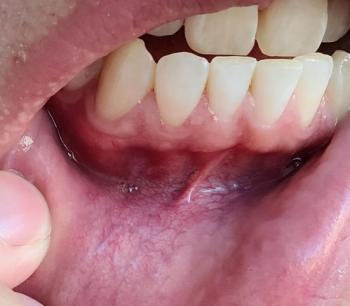
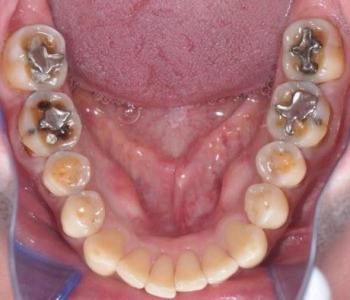
Patients with lower front gum inflammation may also experience tartar buildup, periodontal disease, gum abscesses, or tooth decay. Explore these related clinical case studies.
Other topics:
Other Dental Clinic