We Bring Back the Sparkle in Your Smile.

Why Are My Teeth Wearing Down Every Day? A New York Dentist Explains Tooth Attrition, Sleep Deprivation, and Poor Diet
Language :
Topics:
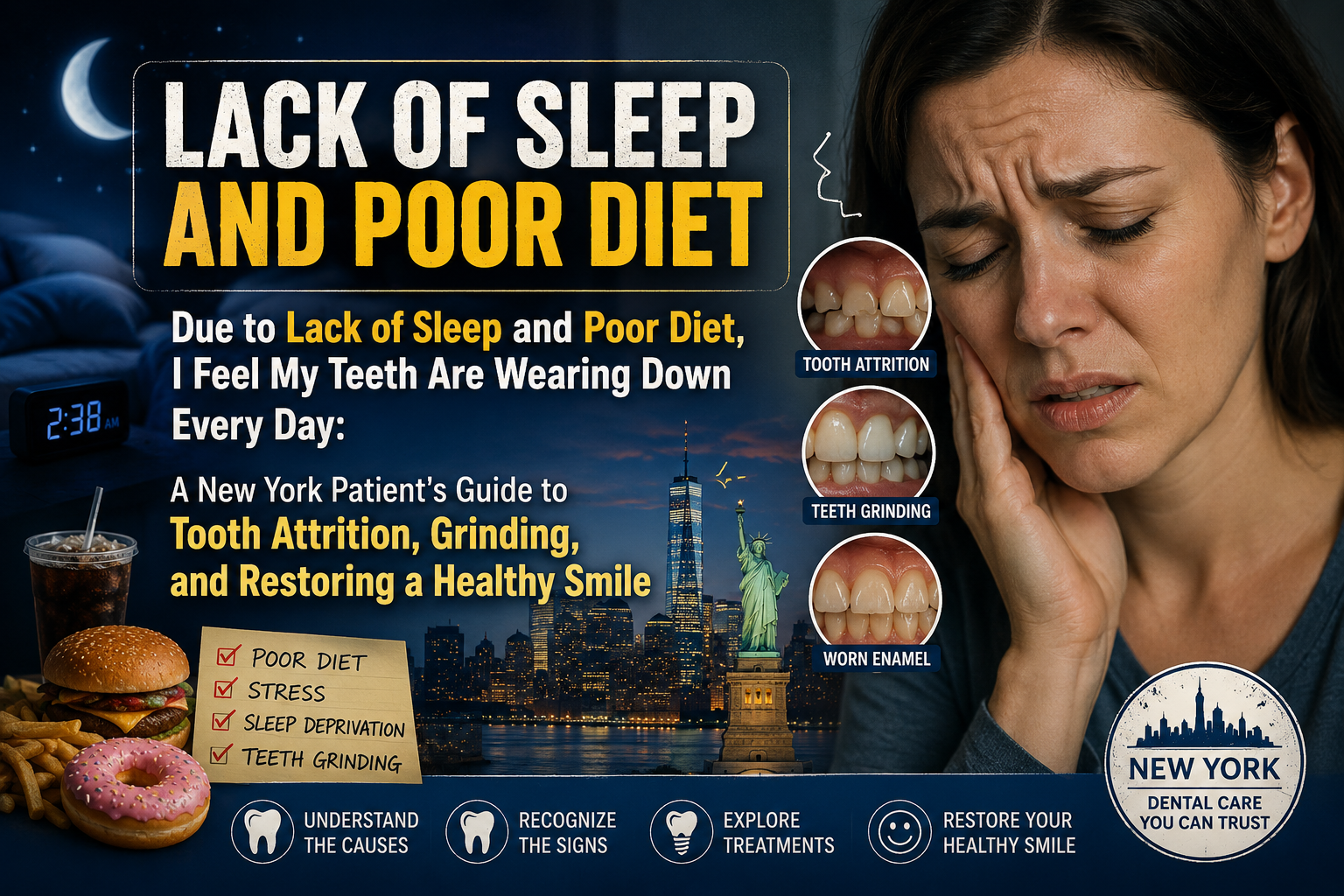
Due to Lack of Sleep and Poor Diet, I Feel My Teeth Are Wearing Down Every Day: A New York Patient's Guide to Tooth Attrition, Grinding, and Restoring a Healthy Smile
Introduction
Living in New York is exciting, fast-paced, and full of opportunities. However, it also comes with demanding work schedules, long commutes, financial pressures, and constant stress. Many New Yorkers sacrifice sleep, skip nutritious meals, drink excessive coffee, consume sugary beverages, and work long hours just to keep up with daily responsibilities.
I never imagined these habits would affect my teeth.
For months, I noticed my teeth felt different. They looked flatter than before. My front teeth seemed shorter. Drinking cold water caused sudden sharp pain. Sometimes I woke up with jaw soreness, headaches, and tight facial muscles. I assumed it was simply part of getting older.
Eventually, I visited a dentist in New York.
The diagnosis surprised me.
I was experiencing tooth attrition, a condition involving the gradual loss of tooth structure caused by repeated contact between opposing teeth. My dentist explained that while some tooth wear naturally occurs over decades, my excessive grinding, lack of sleep, poor nutrition, and daily stress had accelerated the process.
Fortunately, tooth attrition can often be managed successfully when detected early.
This guide explains everything I learned about tooth attrition, including symptoms, causes, diagnosis, treatment options, and preventive strategies for people living busy lifestyles in New York.
What Is Tooth Attrition?
Tooth attrition is the gradual wearing away of tooth enamel and dentin caused by direct tooth-to-tooth contact.
Unlike tooth decay, bacteria are not responsible for attrition.
Instead, the damage occurs because teeth repeatedly rub together during:
-
Chewing
-
Clenching
-
Grinding
-
Jaw movements
Over months or years, this friction slowly removes the protective enamel layer.
Once enamel becomes thin, the softer dentin underneath is exposed. Because dentin contains microscopic tubules connected to the tooth's nerve, exposed dentin often causes sensitivity and discomfort.
Unfortunately, enamel cannot regenerate naturally.
Once lost, it must be protected or restored through professional dental treatment.
My Lifestyle in New York
I work long hours.
Many days begin early and end late.
Some weeks I only sleep five hours per night.
Breakfast usually consists of coffee.
Lunch is often fast food.
Dinner depends on my schedule.
When deadlines become overwhelming, I clench my jaw without realizing it.
At night, I apparently grind my teeth while sleeping.
My dentist explained that these daily habits combined to create the perfect environment for accelerated tooth wear.
Why Lack of Sleep Affects Teeth
Poor sleep impacts much more than energy levels.
Sleep deprivation can increase:
-
Stress hormone production
-
Muscle tension
-
Jaw clenching
-
Nighttime grinding
-
Inflammation
-
Reduced healing ability
Many people unconsciously grind their teeth during deep sleep.
The longer this continues, the greater the damage to enamel.
Sleep disorders such as obstructive sleep apnea may also increase the risk of nighttime grinding.
Improving sleep quality is often an important part of protecting teeth from further wear.
How Poor Nutrition Contributes to Tooth Wear
A balanced diet helps maintain healthy teeth.
Poor nutrition can weaken the body's ability to support oral tissues.
Common dietary problems include:
-
Excessive sugar
-
Acidic beverages
-
Carbonated drinks
-
Energy drinks
-
Highly processed foods
-
Vitamin deficiencies
-
Calcium deficiency
-
Low phosphorus intake
-
Low vitamin D levels
Although nutrition alone does not directly cause attrition, weakened enamel becomes more vulnerable to damage from grinding.
Common Signs of Tooth Attrition
Many people do not realize they have tooth attrition until significant damage has occurred.
Common warning signs include:
Flattened Teeth
Instead of rounded chewing surfaces, teeth become smooth and flat.
Shorter Teeth
Years of grinding gradually reduce tooth height.
Tooth Sensitivity
Cold drinks, ice cream, hot coffee, or sweet foods may trigger sharp pain.
Yellow Teeth
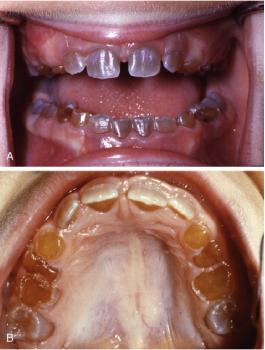
As enamel wears away, yellow dentin underneath becomes visible.
Chipped Teeth
Weakened enamel fractures more easily.
Cracks
Grinding places enormous pressure on teeth, causing tiny fractures.
Jaw Pain
Morning soreness often indicates nighttime grinding.
Headaches
Many patients wake with tension headaches originating from overworked jaw muscles.
Facial Muscle Fatigue
Chewing may become uncomfortable after prolonged meals.
Bruxism: The Leading Cause
Bruxism is the unconscious habit of grinding or clenching teeth.
It may occur:
-
During sleep
-
During stressful work
-
While concentrating
-
During exercise
-
During anxiety
Many people never realize they grind until someone hears the noise or a dentist detects wear.
Signs include:
-
Jaw soreness
-
Broken fillings
-
Tooth sensitivity
-
Tongue indentations
-
Worn enamel
-
Morning headaches
Stress management is often essential in reducing bruxism.
Malocclusion
Sometimes tooth wear results from poor bite alignment.
If upper and lower teeth do not meet properly, excessive pressure develops on certain teeth.
Over years, these teeth wear much faster.
Orthodontic treatment may improve force distribution across the entire mouth.
Missing Teeth
Losing even one tooth changes bite mechanics.
Neighboring teeth drift.
Opposing teeth over-erupt.
Remaining teeth absorb greater chewing forces.
Eventually, uneven pressure accelerates tooth attrition.
Replacing missing teeth early can help prevent additional wear.
Stress and Modern Living
Stress affects nearly every body system.
Many New Yorkers experience:
-
Heavy workloads
-
Financial concerns
-
Traffic
-
Long commuting times
-
Family responsibilities
-
Sleep deprivation
The jaw muscles often become an outlet for emotional tension.
Many people clench continuously without realizing it.
Reducing stress benefits both general health and oral health.
How Dentists Diagnose Tooth Attrition
During my dental visit, the dentist performed a comprehensive examination.
The evaluation included:
-
Visual inspection
-
Bite analysis
-
Digital X-rays
-
Photographs
-
Jaw movement assessment
-
TMJ examination
-
Review of symptoms
-
Medical history
The dentist compared wear patterns to determine whether the damage represented normal aging or pathological attrition.
Is Tooth Attrition Serious?
Mild tooth wear is normal.
However, severe attrition can lead to:
-
Broken teeth
-
Exposed nerves
-
Tooth fractures
-
Bite collapse
-
Difficulty chewing
-
Cosmetic changes
-
Expensive restorative treatment
Early diagnosis usually allows simpler treatment.
Treatment Options
Treatment depends on severity.
The goal is always to prevent additional damage while restoring function and appearance.
Night Guards
For many patients, a custom night guard is the first recommendation.
Benefits include:
-
Protects enamel
-
Reduces grinding damage
-
Cushions biting forces
-
Decreases muscle strain
-
May reduce morning headaches
Unlike store-bought guards, professionally made appliances fit precisely.
Dental Bonding
Small worn areas may be repaired using tooth-colored composite resin.
Bonding can:
-
Restore shape
-
Improve appearance
-
Cover exposed dentin
-
Reduce sensitivity
It is a conservative option requiring minimal removal of healthy tooth structure.
Dental Crowns
When teeth lose significant structure, crowns provide full coverage.
Crowns restore:
-
Strength
-
Shape
-
Appearance
-
Chewing ability
Modern ceramic crowns closely resemble natural teeth.
Veneers
For mild-to-moderate wear affecting front teeth, veneers improve:
-
Color
-
Length
-
Shape
-
Smile symmetry
Veneers primarily enhance aesthetics while protecting remaining enamel.
Orthodontic Treatment
When bite problems contribute to attrition, correcting alignment becomes important.
Options include:
-
Clear aligners
-
Traditional braces
Proper alignment distributes chewing forces more evenly.
Muscle Relaxation Therapy
In severe grinding cases, healthcare professionals may recommend therapies aimed at reducing excessive jaw muscle activity.
These treatments are considered only after careful evaluation and may be combined with protective appliances and stress management.
Can Teeth Grow Back?
Unfortunately, no.
Enamel cannot regenerate.
Once lost, it stays lost.
Fortunately, dentists can restore worn teeth using modern restorative materials.
Preventing Further Tooth Wear
My dentist emphasized prevention.
Small daily habits make a significant difference.
Recommendations included:
-
Sleep at least seven to eight hours
-
Wear my night guard consistently
-
Eat balanced meals
-
Stay hydrated
-
Limit sugary snacks
-
Reduce acidic drinks
-
Exercise regularly
-
Manage stress
-
Visit the dentist every six months
-
Avoid chewing ice
-
Avoid biting fingernails
-
Stop using teeth as tools
Foods That Support Healthy Teeth
Nutritious foods strengthen teeth and surrounding tissues.
Examples include:
-
Milk
-
Cheese
-
Yogurt
-
Leafy vegetables
-
Fish
-
Eggs
-
Almonds
-
Apples
-
Carrots
-
Celery
-
Lean protein
These foods provide calcium, phosphorus, protein, and vitamins important for oral health.
Foods to Limit
Some foods increase the risk of additional tooth damage.
Examples include:
-
Candy
-
Soda
-
Energy drinks
-
Sports drinks
-
Citrus juice
-
Sticky sweets
-
Hard candy
-
Ice
-
Frequent sugary snacks
Limiting these foods protects remaining enamel.
Daily Oral Care
A simple routine helps preserve teeth.
Morning:
-
Brush with fluoride toothpaste.
-
Clean your tongue.
-
Floss.
Throughout the day:
-
Drink water.
-
Limit sugary beverages.
Evening:
-
Brush gently.
-
Floss again.
-
Wear your custom night guard if prescribed.
When Should You See a Dentist?
Schedule an evaluation if you notice:
-
Teeth becoming shorter
-
New sensitivity
-
Chipped teeth
-
Cracks
-
Jaw pain
-
Frequent headaches
-
Clicking jaw
-
Difficulty chewing
-
Flattened biting surfaces
Early intervention usually prevents more extensive treatment.
Finding the Right Dentist in New York
New York offers access to highly trained dental professionals.
Patients with significant tooth wear may benefit from dentists experienced in:
-
Restorative dentistry
-
Prosthodontics
-
Cosmetic dentistry
-
TMJ evaluation
-
Occlusal rehabilitation
A comprehensive consultation typically includes an assessment of tooth wear, bite alignment, jaw joint function, and treatment goals before a personalized care plan is developed.
My Recovery
After beginning treatment, I made several important lifestyle changes.
I committed to sleeping at least seven hours each night.
I reduced coffee consumption.
I started eating healthier meals instead of relying on fast food.
I began exercising regularly to reduce stress.
Most importantly, I wore my custom night guard every night.
Within several months:
-
My jaw pain improved.
-
Morning headaches became less frequent.
-
Tooth sensitivity decreased.
-
I stopped waking with sore facial muscles.
-
My dentist confirmed no additional significant wear had occurred.
Although the enamel I lost cannot return, preventing further damage has helped preserve my smile and improve my quality of life.
Final Thoughts
Tooth attrition is often overlooked because it develops gradually over many years. Yet for busy professionals, shift workers, students, and anyone experiencing chronic stress or sleep deprivation, excessive grinding and clenching can accelerate enamel loss far beyond what is expected with normal aging.
If your teeth appear flatter, shorter, more sensitive, or if you regularly wake with jaw pain or headaches, do not ignore these warning signs. Early evaluation by a qualified dentist can identify the cause of tooth wear and provide solutions such as custom night guards, restorative treatment, bite correction, and lifestyle changes before permanent damage becomes more severe.
For many New Yorkers, improving sleep, reducing stress, maintaining a balanced diet, and seeking timely dental care can make a remarkable difference. With early diagnosis and a personalized treatment plan, it is possible to protect your remaining tooth structure, restore your smile, and enjoy comfortable chewing for many years to come.
Disclaimer: This article is for educational purposes only and should not replace professional medical or dental advice. If you experience persistent tooth sensitivity, jaw pain, visible tooth wear, or other concerning symptoms, schedule an evaluation with a licensed dentist or healthcare professional for an accurate diagnosis and individualized treatment plan.
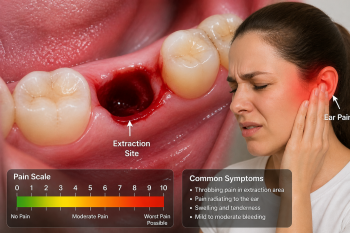
Can tooth extraction cause infection? Mild inflammation is normal, but increasing swelling, fever, or severe pain may indicate infection. Learn more about post-extraction infection warning signs in this detailed guide.
Book a consultation with our Cebu dental specialists for proper evaluation and care.
Ready to get expert guidance?
If you’re experiencing severe pain or delayed healing, book a consultation with our Cebu dental specialists to get proper evaluation and care.
Consultation or contact page .
Book a Consultation
For severe discomfort or delayed healing, book a consultation with our Cebu dental specialists today.
Looking for a dentist? Browse our Cebu dental directory to find trusted clinics near you.
Medical Review and Clinical Basis
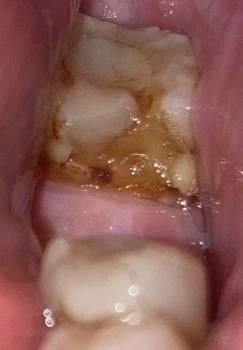
This article is based on clinical dental guidelines and real patient recovery patterns observed after tooth extraction procedures. The information reflects common post-extraction healing stages, including normal clot formation, gum tissue repair, and signs of possible complications such as dry socket or infection.
While mild discomfort is expected after a dental extraction, worsening pain after Day 3, bad odor, exposed bone, or spreading pain may require professional evaluation. These symptoms are consistent with known post-extraction complications described in standard dental practice.
About Cebu Dental Implants
Cebu Dental Implants provides comprehensive tooth extraction, surgical procedures, and dental implant services in the Philippines. Our team evaluates post-extraction healing, manages complications such as dry socket, and advises patients on proper aftercare to prevent infection and delayed healing.
If you experience severe pain or unusual symptoms after extraction, early professional assessment is recommended to prevent further complications.
Important Medical Disclaimer
This content is for educational purposes only and does not replace professional dental diagnosis. Every patient heals differently. If symptoms worsen or do not improve within a few days, consult a licensed dentist for proper evaluation and treatment.
Author
This article was prepared by the Cebu Dental Implants content team in consultation with licensed dental professionals experienced in tooth extraction and implant procedures.
Related Clinical Cases
Patients with lower front gum inflammation may also experience tartar buildup, periodontal disease, gum abscesses, or tooth decay. Explore these related clinical case studies.

Other topics:
Other Dental Clinic