Because Every Tooth Deserves Care.

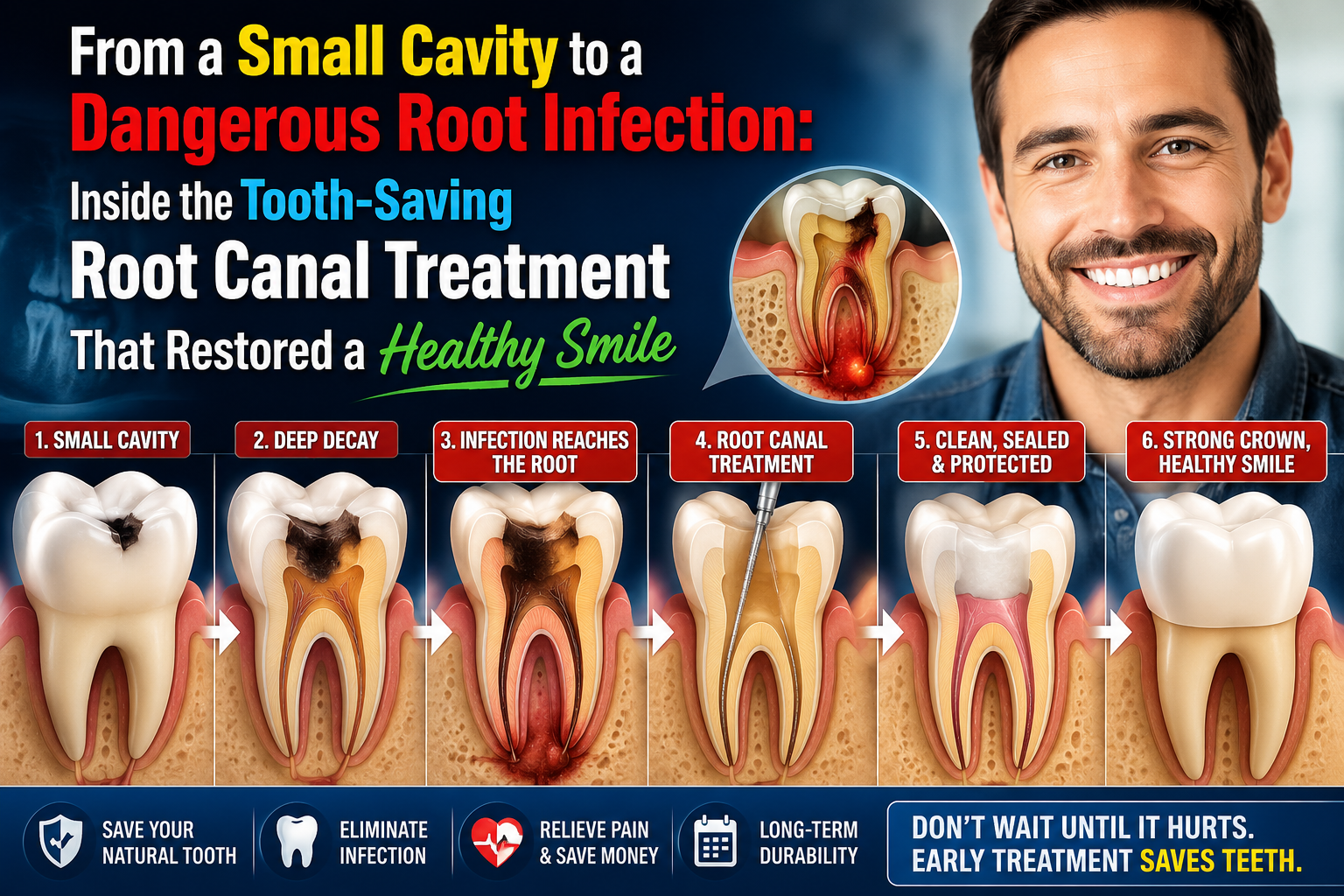
From a Small Cavity to a Dangerous Root Infection: Inside the Tooth-Saving Root Canal Treatment That Restored a Healthy Smile
Language :
Topics:
It started as something millions of Americans experience every year—a little sensitivity when drinking iced coffee.
For 46-year-old Michael, a warehouse supervisor from Ohio, the discomfort came and went. Busy with work and convinced it was "just a cavity," he relied on over-the-counter pain relievers instead of scheduling a dental appointment.
Three months later, he found himself in a hospital emergency department with severe facial swelling.
This case reflects a pattern that dentists across the United States see every day. While Michael's story is presented as a representative educational case based on common clinical presentations, every stage closely mirrors how untreated tooth decay and gum infections can progress in real-world dental practice.
The First Warning Signs
Michael first noticed:
- Mild sensitivity to cold drinks.
- Occasional pain while chewing.
- Food becoming trapped in the lower left molar.
- Bleeding gums during brushing.
Because the pain disappeared after a few minutes, he assumed the tooth was healing.
In reality, the bacteria were becoming more active.
What Was Happening Inside the Tooth
The human mouth naturally contains hundreds of bacterial species.
One of the primary bacteria associated with tooth decay is Streptococcus mutans.
Whenever sugary foods or refined carbohydrates are eaten, these bacteria produce acids.
Those acids begin dissolving minerals from the enamel.
Initially, dentists may only see tiny white chalky spots.
Without treatment, the enamel weakens until a visible cavity develops.
Once bacteria pass through enamel, they enter the softer dentin.
Decay accelerates rapidly.
Eventually, the infection reaches the pulp—the living tissue containing nerves and blood vessels.
At this stage, the pain often becomes severe and spontaneous.
Why Saliva Matters
Michael had another hidden risk factor.
He was taking medication for high blood pressure that caused dry mouth.
Saliva normally:
- Neutralizes bacterial acids.
- Washes away food debris.
- Supplies calcium and phosphate to repair early enamel damage.
Reduced saliva dramatically increases cavity risk because teeth remain exposed to acids for much longer.
The Hidden Gum Disease
During the same period, plaque accumulated around Michael's gumline.
Poor flossing allowed plaque to harden into tartar.
Unlike plaque, tartar cannot be removed by brushing alone.
The rough surface became a perfect shelter for harmful bacteria.
Soon the gums became:
- Red
- Puffy
- Tender
- Easy to bleed
This was gingivitis.
At this point, the condition was still completely reversible with professional cleaning and improved home care.
Unfortunately, Michael delayed treatment.
When Gingivitis Becomes Periodontitis
Over several months, inflammation spread deeper.
The gums slowly detached from the teeth.
Deep periodontal pockets formed.
Inside these pockets, oxygen levels decreased, allowing more aggressive bacteria to thrive.
The body's immune system attempted to destroy the infection.
Unfortunately, the inflammatory response also damaged the surrounding tissues.
Bone supporting the teeth gradually disappeared.
This advanced stage is called periodontitis.
Unlike gingivitis, lost bone generally does not regenerate naturally.
The Weekend Everything Changed
Late on a Saturday evening, Michael experienced:
- Severe throbbing tooth pain
- Swollen gum beside the molar
- Difficulty sleeping
- Pain that radiated toward the ear
By Sunday morning, the swelling had spread across his jaw.
He also developed a fever.
The infected tooth had formed a dental abscess.
Pus accumulated beneath the tooth because bacteria had escaped beyond the root tip into surrounding tissues.
Emergency Dental Examination
An emergency dentist performed:
- Clinical examination
- Cold testing
- Percussion testing
- Periodontal measurements
- Digital dental X-rays
The imaging showed:
- Extensive decay extending into the pulp
- Infection surrounding the root tip
- Significant bone destruction
- Gum inflammation surrounding neighboring teeth
The diagnosis included:
- Irreversible pulpitis
- Periapical abscess
- Moderate chronic periodontitis
Treatment Plan
Because the tooth still had enough healthy structure remaining, the dentist recommended saving it.
Step 1: Emergency Infection Control
The abscess was carefully drained.
This relieved pressure inside the tissues.
When clinically indicated, antibiotics were prescribed because swelling had extended beyond the tooth into surrounding soft tissues.
Pain medication helped improve comfort while definitive treatment was planned.
Step 2: Root Canal Therapy
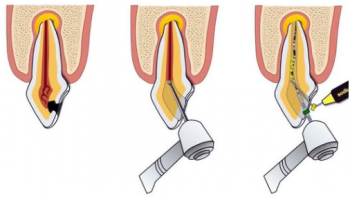
The dentist created a small opening through the chewing surface.
The infected pulp tissue was removed.
Tiny instruments cleaned and shaped each root canal.
The canals were disinfected using antimicrobial irrigation.
After complete cleaning, the canals were sealed with a biocompatible filling material.
This eliminated the bacterial infection inside the tooth.
Step 3: Permanent Crown
Large cavities weaken tooth structure.
To reduce the risk of fracture, the tooth was restored with a full ceramic crown.
The restoration returned normal chewing function while protecting the remaining natural tooth.
Step 4: Treating the Gum Disease
Michael also required comprehensive periodontal therapy.
Treatment included:
- Scaling and root planing
- Removal of plaque and tartar beneath the gums
- Smoothing rough root surfaces
- Personalized oral hygiene instruction
Several periodontal pockets were monitored over the following months.
Fortunately, surgery was not required because the infection responded well to non-surgical treatment.
Recovery
Within one week:
- Facial swelling had resolved.
- Pain disappeared.
- Chewing improved significantly.
At his three-month follow-up:
- The root canal remained healthy.
- Gum bleeding had nearly disappeared.
- Periodontal pocket depths had decreased.
- Daily brushing and flossing habits had greatly improved.
The tooth was successfully preserved.
Why Smoking Makes Gum Disease Worse
Dentists explained that smokers have a much higher risk of advanced periodontal disease.
Smoking:
- Reduces blood flow to the gums.
- Weakens the immune response.
- Slows healing.
- Makes periodontal treatment less predictable.
- Increases tooth loss risk.
For patients with diabetes, poorly controlled blood sugar can also increase susceptibility to severe gum infections.
The Bigger Picture in the United States
Oral disease remains one of the most common chronic health problems in America.
Public health data consistently show that:
- Nearly half of U.S. adults aged 30 years and older have some form of periodontal disease.
- Severe periodontitis affects millions of adults.
- Approximately one in five adults has at least one untreated cavity.
- More than 90% of adults have experienced dental decay in their permanent teeth.
- Tooth decay remains the most common chronic disease among children, particularly in underserved communities with limited access to dental care.
These numbers demonstrate that Michael's experience is far from uncommon.
When a Dental Infection Becomes Life-Threatening
Most cavities and gum infections can be treated safely by a dentist.
However, delaying treatment allows bacteria to spread beyond the mouth.
A localized dental abscess can progress into dental-origin facial cellulitis, a serious bacterial infection involving the deeper tissues of the face and neck.
This condition may spread rapidly, compromise the airway, or lead to bloodstream infection (sepsis), requiring urgent hospital care.
Seek immediate emergency medical attention if you develop:
- Difficulty breathing
- Difficulty swallowing
- Excessive drooling
- Rapidly increasing swelling of the face or neck
- Swelling spreading toward the eyes or chest
- High fever with chills
- Extreme fatigue or weakness
- Confusion or changes in mental status
- Severe headache or a stiff neck associated with a spreading dental infection
These symptoms should never be ignored.
Prevention Is Easier Than Treatment
Michael later admitted that a simple dental filling months earlier could likely have prevented the infection, root canal, and emergency visit.
Most serious dental infections begin as small, painless problems that progress gradually over time.
Routine dental examinations, fluoride use, daily brushing with fluoride toothpaste, flossing, limiting sugary snacks and drinks, staying hydrated, and seeking prompt treatment for tooth pain or bleeding gums remain the most effective ways to protect both oral and overall health.
A healthy smile is not only about appearance—it can help prevent infections that, in rare cases, become serious medical emergencies.
Can tooth extraction cause infection? Mild inflammation is normal, but increasing swelling, fever, or severe pain may indicate infection. Learn more about post-extraction infection warning signs in this detailed guide.
Book a consultation with our Cebu dental specialists for proper evaluation and care.
Ready to get expert guidance?
If you’re experiencing severe pain or delayed healing, book a consultation with our Cebu dental specialists to get proper evaluation and care.
Consultation or contact page .
Book a Consultation
For severe discomfort or delayed healing, book a consultation with our Cebu dental specialists today.
Looking for a dentist? Browse our Cebu dental directory to find trusted clinics near you.
Medical Review and Clinical Basis
This article is based on clinical dental guidelines and real patient recovery patterns observed after tooth extraction procedures. The information reflects common post-extraction healing stages, including normal clot formation, gum tissue repair, and signs of possible complications such as dry socket or infection.
While mild discomfort is expected after a dental extraction, worsening pain after Day 3, bad odor, exposed bone, or spreading pain may require professional evaluation. These symptoms are consistent with known post-extraction complications described in standard dental practice.
About Cebu Dental Implants
Cebu Dental Implants provides comprehensive tooth extraction, surgical procedures, and dental implant services in the Philippines. Our team evaluates post-extraction healing, manages complications such as dry socket, and advises patients on proper aftercare to prevent infection and delayed healing.
If you experience severe pain or unusual symptoms after extraction, early professional assessment is recommended to prevent further complications.
Important Medical Disclaimer
This content is for educational purposes only and does not replace professional dental diagnosis. Every patient heals differently. If symptoms worsen or do not improve within a few days, consult a licensed dentist for proper evaluation and treatment.
Author
This article was prepared by the Cebu Dental Implants content team in consultation with licensed dental professionals experienced in tooth extraction and implant procedures.
Related Clinical Cases
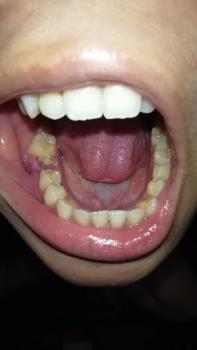
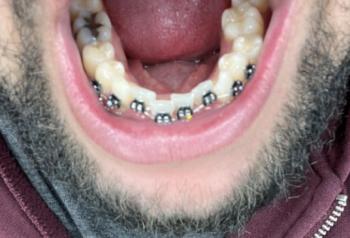
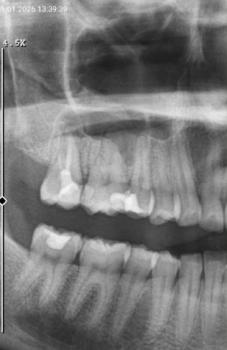
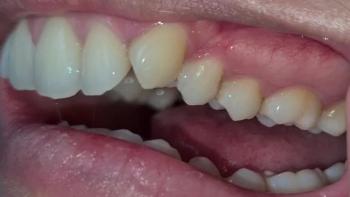
Patients with lower front gum inflammation may also experience tartar buildup, periodontal disease, gum abscesses, or tooth decay. Explore these related clinical case studies.
Other topics:
Other Dental Clinic