From Pain to Perfect — We Care for Your Smile.

Thailand Dental Implants: Hospital-Based Care, Costs & Treatment Guide
Thailand is a popular destination for international dental patients seeking implant treatment, combining modern healthcare facilities, dental specialists, and tourism opportunities.
Unlike traditional standalone dental clinics, some international patients receive treatment in hospital-affiliated dental centers or large medical complexes. Bangkok, Phuket, and Chiang Mai offer dental services for local and international patients.
For patients considering dental implants in Thailand, the important factors include treatment cost, implant brand, dentist qualifications, diagnostic facilities, and long-term aftercare.
Important: Prices in this article are illustrative estimates based on the supplied information, not verified live clinic quotations. Actual costs vary by clinic, implant system, exchange rates, and treatment complexity.
1. Dental Implant Cost in Thailand
The cost of a single dental implant with a crown in Thailand depends on the implant manufacturer, dental clinic, and procedures required.
Estimated single implant cost
$800–$1,500+ USD is a broad illustrative estimate from the supplied information. Actual quotations may be higher, particularly for premium implant systems.
Dental implant price by implant brand
| Implant category | Example brands | Supplied estimated price |
|---|---|---|
| Value / Asian implant systems | Osstem, NeoBiotech | 39,000–60,000 THB |
| Premium implant systems | Straumann, Nobel Biocare | 70,000–100,000+ THB |
The supplied THB estimates do not align consistently with the supplied USD estimates. Verify current Thai baht pricing and exchange rates before publishing a clinic-specific price.
What does the price include?
A complete single dental implant typically involves:
-
Implant fixture: The titanium implant placed in the jawbone.
-
Abutment: The connector between the implant and crown.
-
Dental crown: The visible replacement tooth.
Some clinics quote implant placement separately from the abutment and crown.
Before booking, ask whether the advertised price includes the complete tooth replacement or only the surgical implant fixture.
What affects the final price?
-
Implant manufacturer and model.
-
Crown material.
-
Dentist's experience.
-
Diagnostic scans.
-
Tooth extraction.
-
Bone grafting.
-
Sinus lift.
-
Temporary teeth.
-
Sedation.
-
Number of treatment visits.
A written, itemized quotation is essential when comparing dental implant clinics in Thailand.
2. Hospital-Based Dental Care in Thailand
Thailand has a range of dental care providers, from standalone clinics to hospital-affiliated dental centers and large medical facilities.
Some international patients prefer hospital-based treatment because of the broader range of medical services that may be available.
Examples of healthcare providers
Examples of well-known healthcare organizations and dental providers include:
-
Bangkok Hospital.
-
Bumrungrad International Hospital.
-
Phuket Dental Signature.
-
Digital Dental Center.
These organizations offer different services and operate under different arrangements. Patients should confirm the exact facility providing their implant treatment.
What is the hospital advantage?
Depending on the facility, hospital-affiliated dental care may offer:
-
Access to dental specialists.
-
Medical consultation services.
-
Diagnostic imaging.
-
Surgical facilities.
-
International patient coordination.
-
Emergency medical support.
A hospital setting does not automatically guarantee a successful dental implant outcome. The qualifications of the treating dentist and the suitability of the treatment plan remain important.
3. International Accreditation and Dental Safety
International accreditation is one factor patients may consider when researching dental treatment abroad.
JCI accreditation
Joint Commission International (JCI) is an organization that accredits healthcare organizations against established standards.
Some hospitals in Thailand hold or have held JCI accreditation. Patients should verify the current accreditation status of the specific hospital and understand what services and facilities the accreditation covers.
Important: JCI accreditation of a hospital does not automatically mean that every dental clinic, dentist, or treatment service in Thailand is individually JCI-accredited.
What should patients verify?
Before undergoing implant surgery, ask about:
-
Dentist qualifications and professional registration.
-
Implant surgery experience.
-
Sterilization and infection-control procedures.
-
Diagnostic equipment.
-
Implant brand and model.
-
Treatment planning and informed consent.
-
Emergency arrangements.
-
Follow-up care.
Dental expert perspective
A modern hospital environment can provide access to additional medical services, but dental implant success also depends on bone health, gum condition, surgical planning, implant placement, and restoration.
4. Premium vs Value Dental Implant Systems
The implant system used can influence the cost of treatment.
Value implant systems
Examples include some Asian implant manufacturers such as Osstem and NeoBiotech.
Patients may consider these systems because of their availability and pricing.
However, the specific implant model, clinical evidence, dentist experience, and long-term maintenance requirements should be assessed.
Premium implant systems
Examples include:
-
Straumann.
-
Nobel Biocare.
These manufacturers offer established implant systems with different product lines and clinical applications.
Premium pricing does not guarantee a better outcome for every patient. The most appropriate implant depends on the individual clinical situation and the dentist's treatment plan.
What about implant parts after returning home?
Before treatment abroad, ask for the exact implant brand and model.
This information may help a dentist identify compatible components if maintenance or repairs are required later.
Do not assume that every dentist can service every implant system.
5. Additional Dental Implant Procedures in Thailand
Some patients need additional procedures before an implant can be placed.
Estimated additional costs
| Procedure | Supplied estimated cost |
|---|---|
| Bone grafting | 15,000–40,000 THB |
| Sinus lift | 25,000–50,000 THB |
| Tooth extraction | 1,500–7,000 THB |
These are illustrative estimates and should be confirmed with the treating clinic.
Bone grafting
Bone grafting may be recommended when the jawbone does not provide adequate support for an implant.
The cost depends on:
-
Amount of bone required.
-
Grafting material.
-
Surgical complexity.
-
Number of treatment sites.
-
Whether additional healing is needed.
Sinus lift
A sinus lift may be considered for some implants in the upper back jaw when there is insufficient bone height.
Not every patient requires this procedure.
Tooth extraction
A tooth that cannot be restored may need to be removed before implant placement.
Extraction costs depend on the tooth and surgical complexity.
Dental expert advice
A clinic should explain why an additional procedure is recommended, what alternatives exist, and how it affects the treatment timeline.
6. Dental Implant Treatment Timeline in Thailand
Dental implants commonly require multiple treatment stages.
Stage 1: Consultation and diagnosis
The dentist examines your teeth, gums, and jawbone. Imaging such as a panoramic X-ray or CBCT scan may be recommended.
Stage 2: Tooth extraction and implant placement
If appropriate, the dentist may perform extraction, bone grafting, and implant placement.
Some patients may require a separate healing period before implant placement.
Stage 3: Healing and osseointegration
The implant integrates with the surrounding jawbone.
A healing period of approximately 3–6 months is common in many cases, although some cases take longer.
Stage 4: Abutment and final crown
After suitable healing and clinical assessment, the abutment and permanent crown may be fitted.
How many trips are required?
A conventional implant treatment plan may require two or more visits to Thailand.
Trip 1: Consultation, surgery, and any necessary initial procedures.
Healing period: The implant integrates with the bone.
Trip 2: Final restoration, if appropriate.
The exact length of each stay depends on the dentist and the patient's treatment plan.
7. All-on-4 and Full-Arch Dental Implants in Thailand
Some international patients explore full-arch implant solutions, including All-on-4 treatment.
What is All-on-4?
All-on-4 is a full-arch treatment approach that uses four implants to support a fixed prosthesis in selected patients.
It may be considered for patients with extensive tooth loss or other clinical needs.
Can All-on-4 be completed during one holiday?
Some clinics offer immediate-loading treatment plans for suitable patients.
However, immediate loading is not appropriate for everyone. Bone quality, implant stability, oral health, and the planned restoration must be assessed.
A treatment plan that includes temporary teeth during a single visit is not necessarily the same as completing the final permanent restoration.
Ask the dentist:
-
Will I receive temporary or permanent teeth?
-
How many days must I stay?
-
Will I need a second trip?
-
What happens if healing does not proceed as expected?
-
What is included in the total price?
8. Travel and International Patient Support
Thailand offers tourism infrastructure in cities such as Bangkok, Phuket, and Chiang Mai.
Some dental clinics and hospitals provide international patient services.
What may be available?
Depending on the provider:
-
English-language consultations.
-
International patient coordinators.
-
Appointment scheduling.
-
Translation support.
-
Airport transfer arrangements.
-
Hotel recommendations.
Services vary by clinic.
Planning your dental trip
Before booking flights, confirm:
-
Your consultation date.
-
The expected surgical date.
-
The recommended length of stay.
-
Whether a second trip is required.
-
Any activity restrictions after surgery.
-
The follow-up plan after returning home.
Do not assume that a 10–14-day holiday is sufficient for every full-arch or implant treatment plan.
9. Long-Term Dental Implant Aftercare
Dental implant treatment does not end when the crown is fitted.
Routine maintenance
Your dentist may recommend:
-
Regular dental examinations.
-
Professional cleaning.
-
Daily brushing and interdental cleaning.
-
Monitoring gum health.
-
Checking implant components.
-
Replacement of worn prosthetic parts when necessary.
What if a complication develops?
Possible complications include infection, inflammation around the implant, loose components, crown damage, and implant failure.
These risks can occur with treatment in Thailand or in Ireland.
Patients traveling abroad should ask:
-
Who provides follow-up care?
-
Is there a local partner clinic?
-
What does the written warranty cover?
-
Will additional travel be required?
-
Can my dentist at home access the implant records?
Keep your treatment documents and implant information for future maintenance.
10. How to Compare Dental Implant Clinics in Thailand
A good comparison should include more than the advertised price.
| Factor | Questions to ask |
|---|---|
| Dentist | What are the qualifications and implant experience? |
| Implant brand | Which manufacturer and model will be used? |
| Price | Does the quote include fixture, abutment, and crown? |
| Diagnostics | Is CBCT imaging required? |
| Additional procedures | Are grafting and extraction included? |
| Timeline | How many appointments and trips are needed? |
| Warranty | What is covered and excluded? |
| Aftercare | Who manages complications after returning home? |
Dental expert advice
Choose a treatment plan based on clinical suitability, transparent pricing, and reliable follow-up arrangements.
A lower price or luxury hospital environment alone does not guarantee a successful result.
Frequently Asked Questions
How much do dental implants cost in Thailand?
The supplied illustrative estimate for a single implant with crown is $800–$1,500+ USD. Actual clinic prices vary according to the implant system and treatment complexity.
Are dental implants in Thailand good quality?
Thailand has a range of dental providers, including hospitals and international dental clinics. Quality varies by individual provider. Verify the dentist's qualifications, implant brand, and treatment plan.
Is Bangkok Hospital JCI-accredited?
Some hospitals in Thailand have JCI accreditation. Verify the current status of the specific hospital and the scope of accreditation before relying on it.
What implant brands are available in Thailand?
Examples of internationally recognized manufacturers include Straumann, Nobel Biocare, and Osstem. Availability depends on the clinic.
How long do dental implants take?
Many conventional cases involve a healing period of approximately 3–6 months or longer. Some patients require additional procedures or appointments.
Can I have dental implants in Thailand during a holiday?
Some patients combine treatment with travel. However, the required stay depends on the treatment plan. Confirm the clinical timeline before booking.
Do I need a bone graft before an implant?
Not everyone needs a bone graft. The dentist must assess your jawbone and determine whether additional procedures are required.
Can I follow up with a dentist at home?
Some dentists may provide routine maintenance after overseas treatment. Confirm this before surgery and keep your implant records.
Final Dental Expert Advice
Thailand offers a range of dental implant services, from standalone dental clinics to hospital-affiliated facilities.
Patients may consider Thailand because of its healthcare infrastructure, dental specialists, international patient services, and tourism opportunities.
However, the best treatment plan depends on your individual oral health, dentist qualifications, implant system, and aftercare arrangements.
Before booking dental implants in Thailand:
-
Obtain a detailed written quotation.
-
Verify the dentist and clinic.
-
Ask for the exact implant brand and model.
-
Understand the healing timeline.
-
Confirm how many trips are required.
-
Plan for long-term maintenance.
Dental implants are a surgical treatment. A qualified dentist should assess your case and explain the benefits, risks, alternatives, and expected costs before treatment.
This article is for general educational purposes and does not replace a personal examination or advice from a qualified dental professional.
Related Clinical Cases
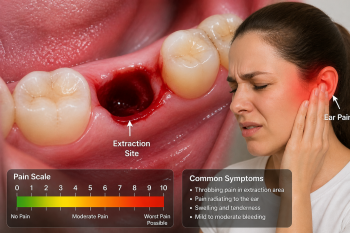
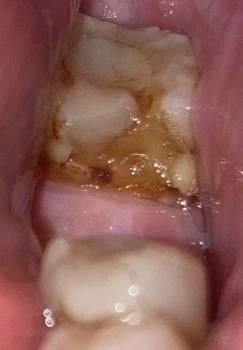
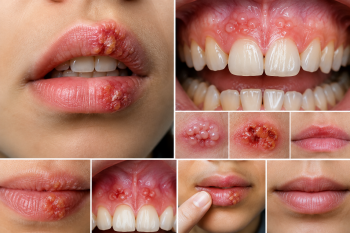
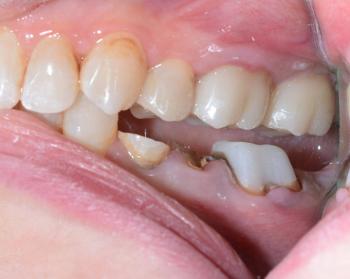
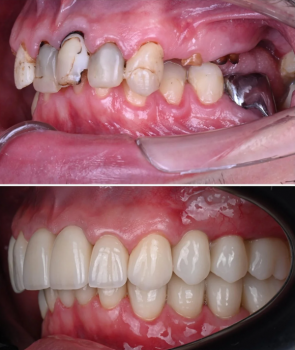
Patients with lower front gum inflammation may also experience tartar buildup, periodontal disease, gum abscesses, or tooth decay. Explore these related clinical case studies.


Other topics:
Other Dental Clinic