Tissue Engineering

From Labs to Smiles: How New York's Next Dental Revolution is Being Built in a Gel

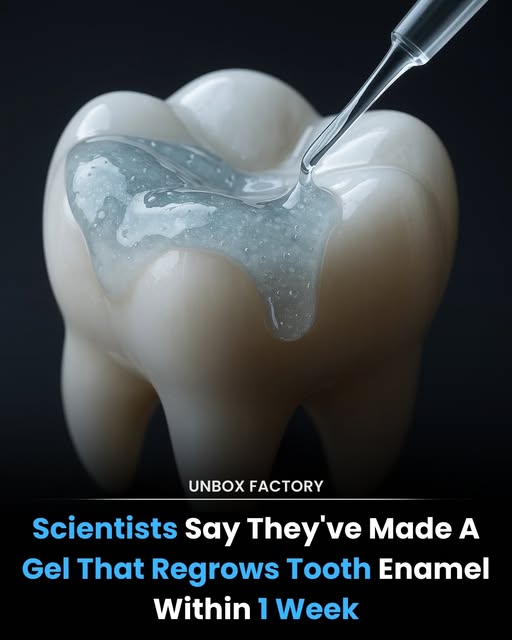
For decades, a fundamental truth has shaped every trip to the dentist: once your tooth enamel is gone, it's gone for good. This has locked dentistry into a cycle of repair and replacement. Now, a groundbreaking scientific discovery promises to rewrite that reality, shifting the focus from managing damage to actively regenerating our teeth.

Regrowing Teeth: Japan's Science Fiction Breakthrough Becomes Medical Reality

Breakthrough Dental Discovery in Japan: Teeth Regeneration is Real

Forget Science Fiction – This is Reality

In a groundbreaking medical advancement, Japanese researchers have achieved what was once considered impossible: they've discovered how to stimulate the growth of new teeth in adults. This isn't a futuristic fantasy or speculative research – this is a tangible breakthrough that could revolutionize dental care worldwide.

Will Regrown Teeth Make Dental Implants Obsolete? How South Korea's 'Tooth Patch' Could Rewrite Your California Dental Plan

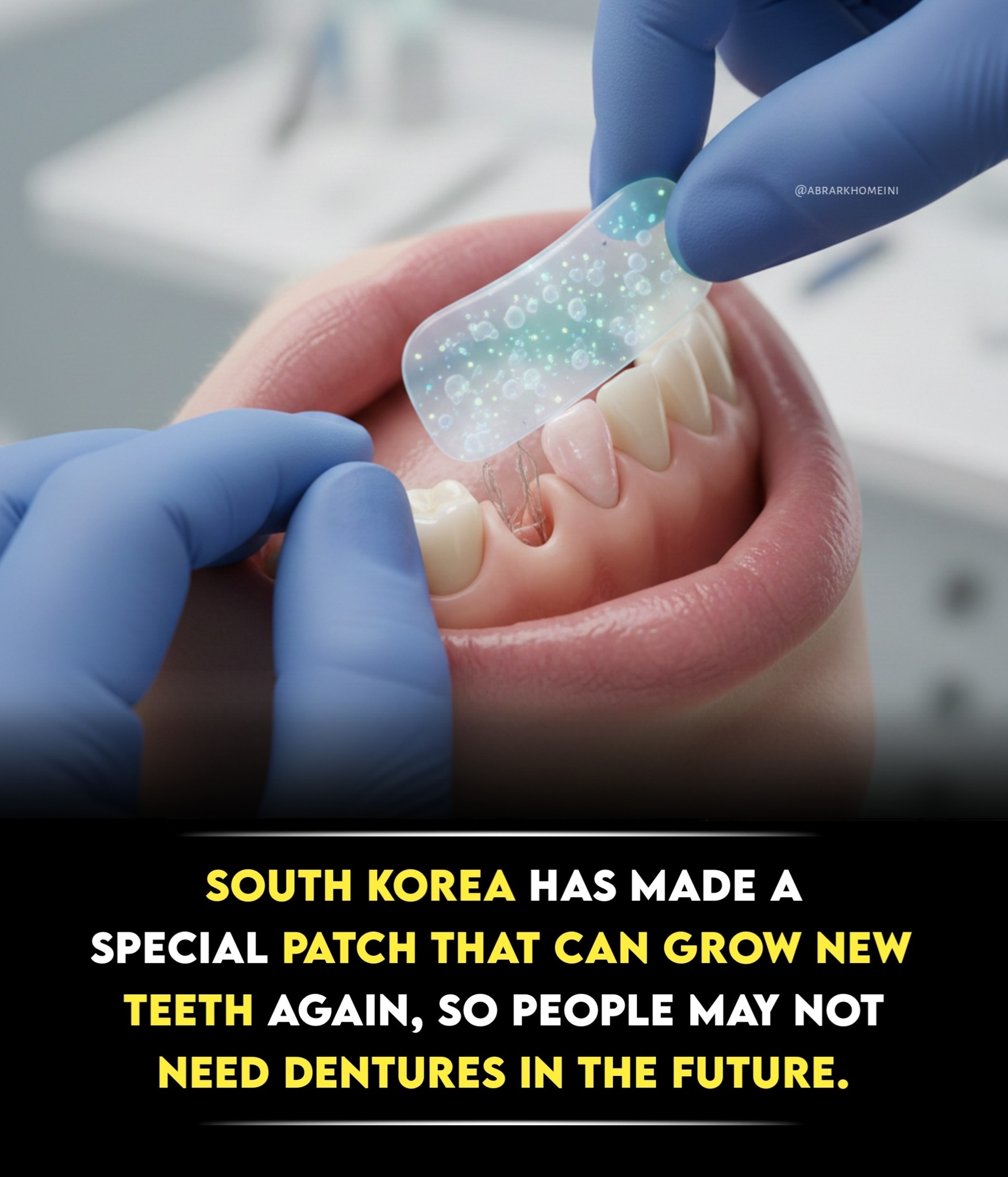
For decades, the solution to a lost tooth in California has followed a familiar path: a dental implant. This titanium-and-porcelain standard is effective but represents a form of "replacement dentistry." What if, instead of replacing, we could regenerate? A groundbreaking innovation from South Korea is paving the way for exactly that, promising a future where your body can grow a new, natural tooth. Let's explore what this means for your long-term dental health strategy.

AI in Dentistry: Why Filipino Dentists Who Adapt Will Dominate the Market

The AI Revolution in Dental Diagnostics: Why Filipino Dentists Must Adapt

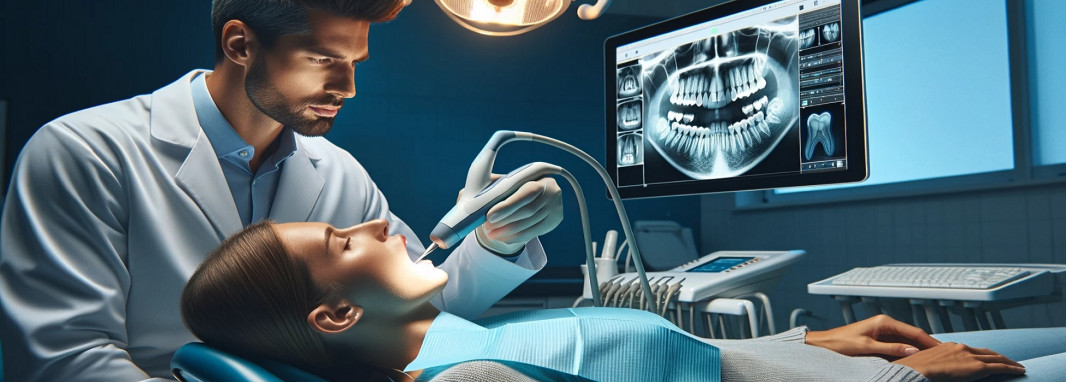
The global dental industry is undergoing a profound transformation driven by Artificial Intelligence. For dental professionals in the Philippines, mastering these technologies is no longer a question of "if" but "when." AI is moving beyond a novel tool to become a core component of a modern, competitive, and patient-trusted practice

The transition from traditional methods to AI-powered diagnostics represents a fundamental shift in dental care. The table below compares the two approaches:

Pages