From Pain to Perfect — We Care for Your Smile.

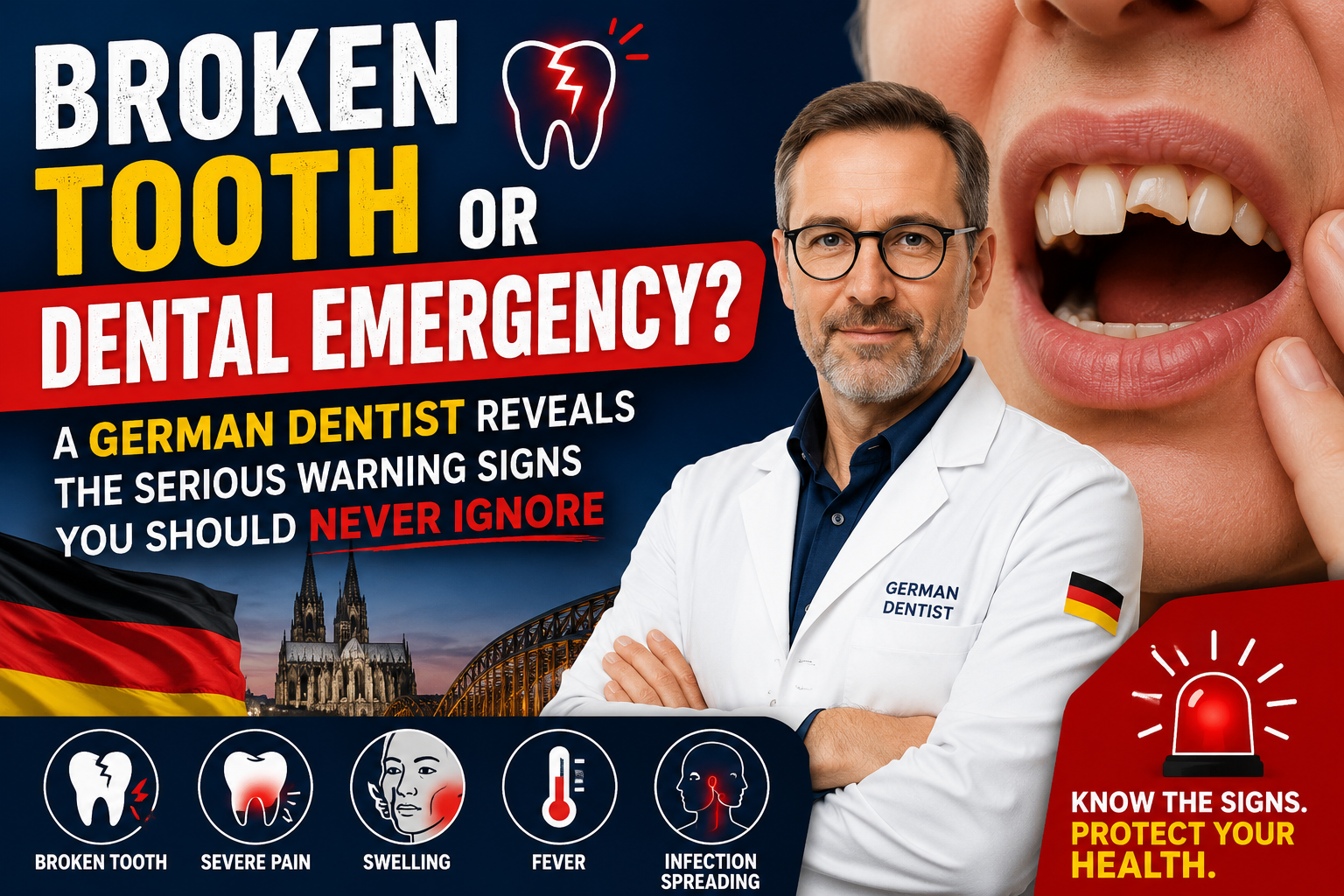
Broken Tooth or Dental Emergency? A German Dentist Reveals the Serious Warning Signs You Should Never Ignore
Language :
Topics:
Broken Tooth with Significant Structural Damage: A German Dentist with 20 Years of Experience Explains What Is Normal, What Is Dangerous, and When You Need Immediate Treatment
A broken tooth is one of the most alarming dental problems a person can experience. Whether it happens while biting into hard food, during a sports accident, after a fall, or because a weakened tooth finally gives way, significant structural damage should never be ignored. Many patients assume that if the pain is tolerable, the situation can wait. Unfortunately, that assumption can lead to serious complications.
As a German dentist with more than two decades of clinical experience, I have treated thousands of patients with fractured, cracked, and severely damaged teeth. One of the most important responsibilities of every dental professional is to help patients distinguish between a routine dental problem that requires prompt care and a genuine medical emergency that requires immediate hospital treatment.
Fortunately, not every broken tooth is life-threatening. However, some dental infections can spread beyond the tooth into the surrounding facial tissues and become a dangerous condition that threatens both health and life.
It Is Essential to Distinguish Between Structural Tooth Damage and a True Medical Emergency
A broken tooth is primarily a structural problem involving the enamel, dentin, pulp, or root of the tooth. Although it may be painful and vulnerable to infection, most broken teeth can be successfully managed by a dentist.
A true medical emergency occurs when infection has spread beyond the tooth into the soft tissues of the face, jaw, or neck. This condition is known as facial cellulitis of dental origin and requires immediate emergency medical treatment.
Before discussing treatment options for a broken tooth, it is essential to make sure that none of the following emergency warning signs are present.
Emergency Warning: Facial Cellulitis
Please immediately confirm that you are not experiencing signs of dental-origin facial cellulitis.
Facial cellulitis is a severe, rapidly spreading bacterial infection that begins around an infected tooth or gum and extends into the surrounding facial tissues. Without urgent treatment, the infection can spread toward the airway, bloodstream, or even the brain.
Go to the nearest emergency room immediately if you experience any of the following:
-
Difficulty breathing or tightness in your throat.
-
Difficulty swallowing or excessive drooling.
-
Swelling spreading rapidly toward your eye, neck, or chest.
-
High fever, chills, or severe fatigue.
-
Confusion, disorientation, severe headache, or neck stiffness.
These symptoms indicate that the infection may no longer be confined to the tooth. Hospital treatment with intravenous antibiotics—and sometimes emergency surgery—is often necessary.
Do not attempt to manage these symptoms at home.
Understanding Significant Structural Tooth Damage
When dentists refer to significant structural damage, we mean that a large portion of the tooth has been lost or weakened.
This may involve:
-
Large fractures
-
Missing cusps
-
Deep cracks
-
Broken fillings exposing healthy tooth
-
Severe cavities causing collapse
-
Trauma from accidents
-
Tooth fractures below the gumline
-
Teeth weakened by repeated dental procedures
Unlike small chips, significant structural damage usually affects the tooth's strength and ability to withstand normal chewing forces.
Without treatment, the damage almost always becomes worse.
Common Causes of a Broken Tooth
Over twenty years of practice have shown that broken teeth rarely happen without an underlying reason.
Common causes include:
1. Tooth Decay
Large untreated cavities gradually weaken the remaining tooth until normal chewing causes it to fracture.
2. Large Fillings
Older fillings may occupy more than half of the tooth.
Over time, the surrounding natural tooth becomes thinner and more likely to crack.
3. Teeth Grinding
Nighttime grinding places tremendous pressure on teeth.
Small microscopic cracks gradually enlarge over months or years.
4. Trauma
Falls
Sports injuries
Vehicle accidents
Direct facial impacts
can instantly fracture healthy teeth.
5. Chewing Hard Foods
Ice cubes
Hard candy
Unpopped popcorn kernels
Bones
Hard nuts
may fracture weakened teeth unexpectedly.
6. Aging
As people age, enamel becomes more brittle.
Older teeth naturally become more susceptible to fractures.
Symptoms of Significant Structural Damage
Symptoms vary depending on the severity of the fracture.
Patients commonly notice:
-
Sharp pain while biting
-
Sensitivity to hot or cold
-
Pain when releasing biting pressure
-
A visibly broken piece
-
Rough edges
-
Difficulty chewing
-
Food becoming trapped
-
Swollen gums around the tooth
-
Bleeding from the gum
-
Tooth mobility
-
Constant aching
Interestingly, some severely broken teeth produce surprisingly little pain.
The absence of pain does not mean the tooth is healthy.
Different Types of Broken Teeth
Dentists classify fractures into several categories.
Minor Enamel Fracture
Only the outer enamel is affected.
Usually cosmetic.
Enamel and Dentin Fracture
The inner dentin becomes exposed.
Sensitivity often develops.
Pulp Exposure
The fracture reaches the nerve.
Pain is usually severe.
Root canal treatment often becomes necessary.
Vertical Crack
The crack extends through the tooth.
These fractures are often difficult to detect early.
Split Tooth
The tooth separates into distinct segments.
Extraction may become unavoidable.
Root Fracture
The fracture occurs beneath the gum.
Treatment depends upon fracture location.
Why Broken Teeth Should Never Be Ignored
One of the biggest mistakes patients make is waiting because the discomfort eventually improves.
Pain may decrease because:
-
the nerve has died,
-
inflammation temporarily subsides,
-
or chewing habits change.
Meanwhile:
-
bacteria continue entering the fracture,
-
decay progresses,
-
infection spreads,
-
additional pieces break away,
-
treatment becomes increasingly complicated.
What could have been repaired with a filling may eventually require a crown, root canal, or extraction.
Managing Significant Structural Tooth Damage
If you are not experiencing any emergency symptoms of facial cellulitis, your next priority should be arranging professional dental care as soon as possible.
Seek Professional Help Promptly
A dentist must evaluate:
-
the depth of the fracture,
-
nerve involvement,
-
remaining tooth strength,
-
surrounding bone,
-
gum condition,
-
possible root damage.
X-rays may also be required.
Depending on the findings, treatment may include:
-
composite fillings,
-
dental crowns,
-
root canal treatment,
-
post-and-core restoration,
-
extraction,
-
dental implant replacement.
Prompt treatment greatly improves the chance of saving the tooth.
Do Not Ignore Significant Structural Damage
Broken teeth do not repair themselves.
Unlike skin or bone, teeth cannot regenerate lost enamel or dentin.
Waiting often allows:
-
bacterial contamination,
-
pulp infection,
-
abscess formation,
-
progressive fracture,
-
bone loss,
-
gum disease.
Even if there is little or no pain, structural damage remains present.
Manage Discomfort Correctly
Until your dental appointment:
Apply a cold compress wrapped in a towel to the outside of your cheek.
Use it for:
10 to 20 minutes
then remove it before reapplying later.
Cold therapy helps reduce swelling and inflammation.
Important: Never Apply Heat
Heat should never be placed over a swollen jaw or infected tooth.
Heat increases local blood flow.
If infection is present, this increased circulation may contribute to faster spread through surrounding tissues.
Choose cold—not heat.
Foods to Eat While Waiting for Treatment
Choose foods requiring minimal chewing:
-
yogurt
-
scrambled eggs
-
soup (not excessively hot)
-
mashed potatoes
-
oatmeal
-
smoothies
-
soft pasta
-
bananas
Avoid chewing on the affected side.
Foods to Avoid
Avoid:
-
hard candy
-
popcorn
-
nuts
-
ice
-
hard bread crust
-
chewing gum
-
sticky caramel
-
steak
-
pork cracklings
These foods can worsen existing fractures.
Protect the Tooth
If part of the tooth has broken:
-
Save the fragment if possible.
-
Keep it clean.
-
Bring it to the dentist.
In some situations, the fragment can be bonded back onto the tooth.
Keep the Area Clean
Continue gentle brushing.
Use a soft toothbrush.
Rinse carefully after meals.
Keeping bacteria away reduces infection risk.
Can a Broken Tooth Heal Naturally?
Unfortunately, no.
Teeth lack living cells capable of rebuilding enamel or dentin.
Professional treatment is always necessary.
Possible Treatment Options
Treatment depends upon fracture severity.
Composite Filling
Suitable for moderate structural loss.
Dental Crown
Recommended when much of the tooth has been weakened.
Crowns restore strength and protect remaining tooth structure.
Root Canal Treatment
Needed when bacteria reach the pulp.
The infected nerve is removed while preserving the tooth.
Extraction
Sometimes the fracture extends too deeply.
If the tooth cannot be restored predictably, extraction becomes the safest option.
Replacement options include implants, bridges, or partial dentures.
Preventing Future Tooth Fractures
Many broken teeth can be prevented.
Recommendations include:
-
Maintain regular dental examinations.
-
Treat cavities early.
-
Replace failing restorations before collapse occurs.
-
Wear a sports mouthguard.
-
Wear a night guard if you grind your teeth.
-
Avoid chewing ice.
-
Avoid opening packages with your teeth.
-
Reduce excessive sugar intake.
-
Maintain excellent oral hygiene.
Final Thoughts from a German Dentist
After twenty years of treating broken teeth, one lesson remains remarkably consistent: early treatment almost always leads to simpler, less expensive, and more predictable outcomes.
A broken tooth should never be dismissed simply because it is not causing severe pain. Significant structural damage weakens the tooth, allows bacteria to penetrate deeper layers, and increases the risk of fractures, infections, and eventual tooth loss.
The first priority is always to rule out a true medical emergency. If you experience difficulty breathing, difficulty swallowing, rapidly spreading facial swelling, fever, chills, confusion, or swelling extending toward the eye or neck, seek emergency medical care immediately, as these symptoms may indicate facial cellulitis requiring urgent hospital treatment.
If those emergency signs are absent, arrange a dental examination as soon as possible. Modern dentistry offers highly effective treatments—from conservative fillings to crowns, root canal therapy, and dental implants—that can restore both function and appearance. Acting promptly gives your dentist the best opportunity to preserve your natural tooth and protect your long-term oral health.
Can tooth extraction cause infection? Mild inflammation is normal, but increasing swelling, fever, or severe pain may indicate infection. Learn more about post-extraction infection warning signs in this detailed guide.
Book a consultation with our Cebu dental specialists for proper evaluation and care.
Ready to get expert guidance?
If you’re experiencing severe pain or delayed healing, book a consultation with our Cebu dental specialists to get proper evaluation and care.
Consultation or contact page .
Book a Consultation
For severe discomfort or delayed healing, book a consultation with our Cebu dental specialists today.
Looking for a dentist? Browse our Cebu dental directory to find trusted clinics near you.
Medical Review and Clinical Basis
This article is based on clinical dental guidelines and real patient recovery patterns observed after tooth extraction procedures. The information reflects common post-extraction healing stages, including normal clot formation, gum tissue repair, and signs of possible complications such as dry socket or infection.
While mild discomfort is expected after a dental extraction, worsening pain after Day 3, bad odor, exposed bone, or spreading pain may require professional evaluation. These symptoms are consistent with known post-extraction complications described in standard dental practice.
About Cebu Dental Implants
Cebu Dental Implants provides comprehensive tooth extraction, surgical procedures, and dental implant services in the Philippines. Our team evaluates post-extraction healing, manages complications such as dry socket, and advises patients on proper aftercare to prevent infection and delayed healing.
If you experience severe pain or unusual symptoms after extraction, early professional assessment is recommended to prevent further complications.
Important Medical Disclaimer
This content is for educational purposes only and does not replace professional dental diagnosis. Every patient heals differently. If symptoms worsen or do not improve within a few days, consult a licensed dentist for proper evaluation and treatment.
Author
This article was prepared by the Cebu Dental Implants content team in consultation with licensed dental professionals experienced in tooth extraction and implant procedures.
Video:
Related Clinical Cases
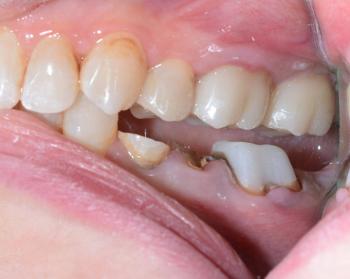
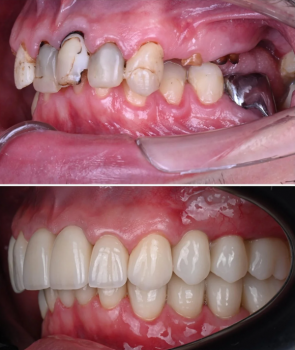
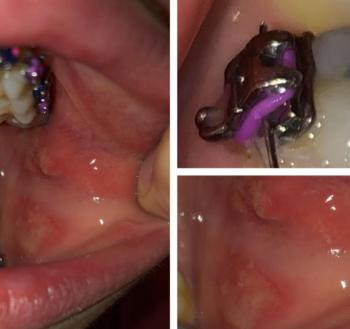
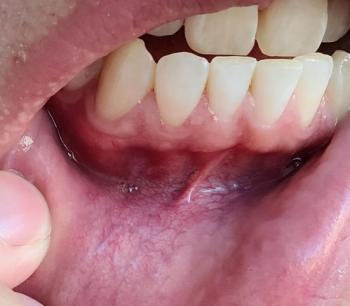
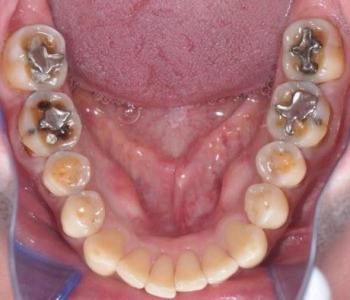
Patients with lower front gum inflammation may also experience tartar buildup, periodontal disease, gum abscesses, or tooth decay. Explore these related clinical case studies.
Other topics:
Other Dental Clinic